
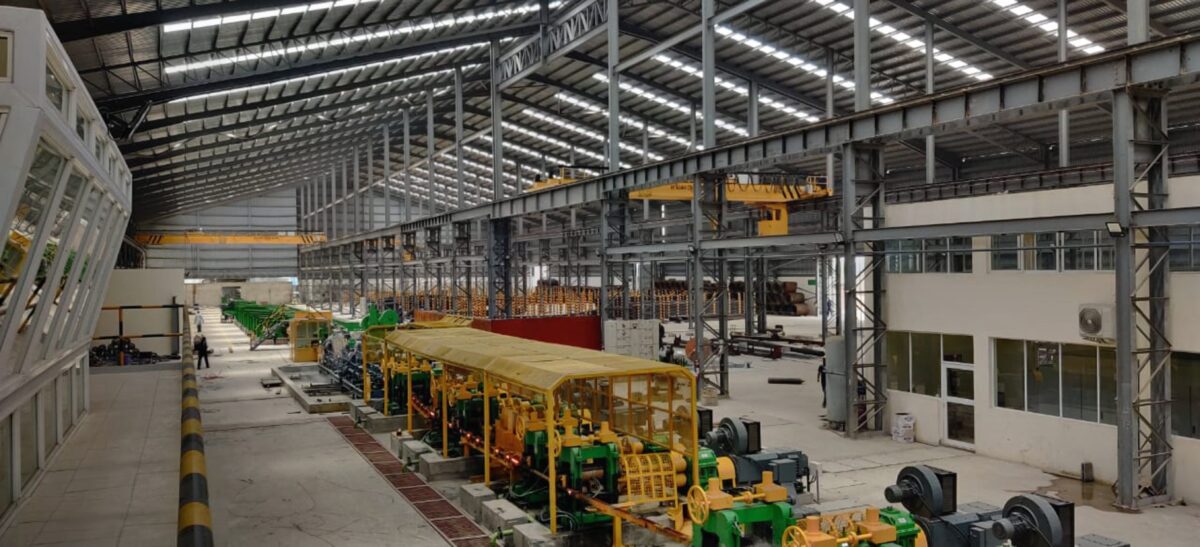
The global demand for massive infrastructure projects has reached unprecedented levels in 2026. Urban expansion requires a constant supply of materials for new highways, commercial skyscrapers, expansive bridges, and sprawling housing developments. A highly reliable rolling mill sits at the absolute centre of this critical supply chain. Without consistent access to high-grade structural steel and TMT bars, the global construction sector would simply come to a halt. Meeting this immense demand is a lucrative opportunity, but the manufacturing reality is highly complex.
Small and mid-scale plant owners face a unique set of operational and financial hurdles that massive corporate entities do not encounter. Billion-dollar steel corporations possess vast capital reserves and infinite physical space to weather economic downturns. They can absorb market shocks with ease. In contrast, mid-scale operators must fight aggressively for their market share while constantly managing tight operational budgets, legacy equipment constraints, and localised supply chain issues.
The clear purpose of this comprehensive article is to deeply explore the specific bottlenecks that independent operators face in today’s demanding market. By examining these core challenges, we will offer actionable, engineering-backed solutions designed to help you optimise your steel rolling mill, increase your daily production yield, and secure long-term profitability in a highly competitive industry.
The Current Steel Production Landscape
The external economic forces governing the metal manufacturing sector place an enormous daily strain on independent manufacturers. Plant managers must expertly balance external market dynamics against their internal production capabilities to survive.
The Impact of Fluctuating Raw Material Prices
The global prices for steel billets, ingots, and premium scrap metal fluctuate wildly from month to month. International trade tariffs, shifting global supply chains, and localised raw material shortages make accurate financial forecasting incredibly difficult. This extreme price volatility completely disrupts standard budget planning for a mid-scale rolling mill.The global prices for steel billets, ingots, and premium scrap metal fluctuate wildly from month to month. International trade tariffs, shifting global supply chains, and localised raw material shortages make accurate financial forecasting incredibly difficult. This extreme price volatility completely disrupts standard budget planning for a mid-scale rolling mill.
A giant steel corporation buys raw materials in massive, long-term bulk contracts to lock in highly favourable rates. When a sudden cost spike hits the global market, they barely feel the financial impact. Smaller operations struggle to absorb these sudden cost spikes because they purchase materials in smaller quantities. When billet prices jump overnight, mid-scale owners are forced into a terrible position. You must either absorb the devastating financial loss to keep your contractors happy or pass the added cost directly to your buyers. Passing costs along risks losing valuable business to cheaper competitors.
Increasing Pressure from Large-Scale Competitors
Massive corporate steel plants hold an intimidating scale advantage in the modern market. They produce thousands of tons of steel every single day. This extreme volume drives their internal cost-per-unit down to a level that smaller independent operators simply cannot match. Attempting to compete with a corporate giant purely on rock-bottom pricing is a guaranteed path to financial ruin.
To stay profitable, mid-scale operators must strategically focus on niche markets and localised demand. Your primary advantage is industrial agility. Massive plants require massive orders to justify changing their heavy roll passes. A mid-sized steel rolling mill can accept smaller, highly customised orders for unique structural profiles. You can promise rapid, regional delivery to local construction contractors who cannot afford to wait weeks for a delayed corporate shipment. By dominating your specific geographical region and offering premium customer service, you build a loyal client base that values reliability over cheap pricing.
Technological and Equipment Limitations
You cannot conquer modern infrastructure demands using obsolete manufacturing tools. Mechanical limitations are the most common sources of profit leakage for independent manufacturers today.
1. Operating with Outdated Rolling Mill Machinery
Relying heavily on legacy rolling mill machinery is a dangerous financial gamble in the modern era. Decades-old equipment was never engineered for the continuous high-speed production and extreme precision required by today’s construction sector. Ageing components inevitably suffer from severe metal fatigue. Worn-out gearboxes, degrading drive systems, and outdated pinions lead directly to unpredictable plant shutdowns.
Frequent mechanical breakdowns completely reduce your overall production capacity. Every single minute your plant sits idle is permanent lost revenue. A broken roughing stand means your entire crew is being paid to stand still while the reheating furnace continues to burn expensive fuel. These constant interruptions delay order fulfilment and ruin your industry reputation. The capital you believe you are saving by delaying essential equipment upgrades is actually bleeding out daily through expensive emergency repairs.
2. The Heavy Cost of Poor Energy Efficiency
Older billet heating furnaces and obsolete electric motors are notoriously power-hungry. Energy consumption is consistently one of the largest ongoing operational expenses for any rolling mill. If you cannot control your monthly power bills, you cannot protect your profit margins.
Older pusher-type reheating furnaces often lack proper thermal insulation and advanced recuperator systems. They lose massive amounts of thermal energy to the surrounding environment and require significantly more fuel to bring billets to the correct rolling temperature. Similarly, older drive motors run continuously at an inefficient, constant speed. These bloated energy bills directly eat into the profit margins of a steel rolling mill. Upgrading to energy-efficient induction heating systems and modern variable frequency drives offers an incredibly fast return on investment.
3. The Growing Gap in Process Automation
Relying on manual material handling during the hot rolling process is slow, dangerous, and incredibly inefficient. Forcing human workers to move heavy, red-hot steel between stands using manual tongs limits the operational speed of your entire plant. This manual process also creates a high-risk environment for severe workplace injuries.
Furthermore, a lack of automated process controls means your floor operators must manually adjust roll gaps based on physical observation. This manual intervention leads directly to human error and much slower production cycles. Modern automation instantly eliminates these severe bottlenecks. Advanced programmable logic controllers react in milliseconds to slight temperature variations and tension changes to keep the steel moving safely at maximum velocity.
4. Inadequate Infrastructure for Modern Upgrades
Many ambitious mid-scale owners are ready to modernise but face severe physical space constraints. Older plants were historically constructed with very tight, restricted layouts. Finding the necessary floor space to install a modern continuous rolling setup or extend an automated cooling bed is a massive logistical challenge.
These structural limitations mean older mills cannot easily adopt standard off-the-shelf upgrades. You need customised engineering solutions. Innovative rolling mill machinery must be expertly designed to be compact and highly efficient. Specialised equipment can be custom-engineered to fit your existing footprint seamlessly, allowing you to multiply your production capacity without requiring a costly demolition of your current building.
Maintaining Consistent Quality and Yield
Yield optimisation is the ultimate metric of a highly successful plant. Every single inch of wasted steel represents money pulled directly from your operational budget.
1. Overcoming Scrap Generation and Material Waste
Improper roll calibration, worn bearings, and general equipment degradation naturally increase your scrap generation over time. Cobbles happen when steel misfeeds and tangles violently between the rolling stands. Misrolls occur when the final profile falls outside acceptable tolerances. End-cropping waste increases significantly when material tension is not properly controlled.
The financial impact of low yield on a rolling mill is absolutely devastating. Imagine paying top dollar for premium billets but losing a large percentage of that material to scale loss and scrap. Your operation cannot stay profitable under those harsh conditions. Tightly calibrated machinery and rigid stands ensure that the absolute maximum amount of raw material becomes a finished, sellable product.
2. Meeting Demanding Global Steel Standards
Construction buyers and civil engineers in 2026 demand absolute structural integrity. Whether you produce high-strength TMT bars or specialised structural shapes, your finished products must meet strict quality requirements. Modern infrastructure projects will strictly refuse to purchase uncertified or substandard steel.
Smaller mills historically struggle to secure the expensive physical testing tools and advanced metallurgical laboratories required to prove their quality. However, investing in better upfront manufacturing machinery naturally improves the inherent strength and grain structure of your steel. Installing high-quality automated quenching systems ensures your TMT bars consistently achieve the perfect metallurgical properties required to pass global certifications with ease.
3. Controlling End-Product Uniformity
Maintaining consistent thickness, shape, and weight during continuous rolling is a major ongoing challenge for ageing plants. As the hot steel travels through the consecutive stands, natural temperature drops and uneven roll wear cause the final profile to warp or stretch beyond acceptable limits.
Modern sensor technology is the best way to achieve better dimensional accuracy. Inline thickness gauges, laser scanners, and optical sensors monitor the glowing steel in real time as it moves down the line. They feed this critical data back to the automated control panels to adjust roll pressure instantly. This closed-loop system ensures absolute uniformity from the front tip of the billet to the very end.
Labour Shortages and Maintenance Hurdles
Even the most advanced industrial machinery in the world requires intelligent human oversight. The manufacturing sector must navigate workforce challenges to sustain daily output.
The Scarcity of Skilled Mill Technicians
There is an undeniable industry-wide shortage of expert operators who truly understand the complex dynamics of hot steel rolling. Older technicians who can manually tune a rolling mill perfectly are retiring rapidly. Younger generations are heavily drawn to technology sectors rather than heavy industrial manufacturing.
Finding reliable floor operators is incredibly tough. The high costs associated with training brand-new staff and fighting to retain your experienced talent are rising every quarter. To combat this scarcity, a modern steel rolling mill must become a safer, more attractive workplace. Upgrading your heavy equipment and adding smart automation helps bridge this dangerous talent gap by simplifying complex daily operations.
Transitioning from Reactive to Preventive Maintenance
Running your heavy machinery at full capacity until it physically breaks down is a disastrously costly strategy for small operators. Reactive maintenance guarantees sudden and highly chaotic plant shutdowns. When a primary gearbox fails unexpectedly, you are forced to pay premium prices for rush-delivery spare parts while your entire production crew stands idle.
You must immediately transition to a strict preventive maintenance schedule. Routine alignment checks, thermal imaging, and vibration analysis allow you to catch tiny mechanical issues before they trigger a catastrophic plant failure. The distinct benefits of scheduling regular inspections include drastically boosting your overall operational efficiency and keeping your plant running smoothly throughout the entire fiscal year.
Transforming Challenges into Growth Opportunities
The daily obstacles facing your plant are completely real, but they present an incredible opportunity for strategic growth and technical advancement.
1. Why Upgrading Your Steel Rolling Mill is Essential
Purchasing modern rolling mill machinery represents a significant upfront capital expense for any independent business. However, successful plant owners must view this as a vital long-term investment rather than a painful sunken cost. The cost of doing nothing and falling behind your competitors is far higher.
Capital investment in new equipment quickly pays off through drastically increased daily output. Modern machinery permanently slashes your bloated energy bills and completely minimises your daily scrap waste. When your upgraded rolling mill runs continuously and safely without constant mechanical breakdowns, your overall profit margins expand rapidly to deliver a powerful long-term ROI.
2. Implementing Smart Automation for Better Yield
You do not have to tear down your entire plant and automate every single process overnight. Simple and highly targeted automated upgrades can drastically improve floor safety and reduce material waste.
Installing automated cooling beds ensures your hot steel cools evenly to prevent structural warping. Transitioning to a continuous rolling setup eliminates the frustrating delays of manual handling between stands. These specific upgrades keep the steel moving at the optimal processing temperature to lock in a significantly better yield and dramatically higher end-product quality.
3. Partnering with Reliable Equipment Manufacturers
You cannot navigate these massive technical and engineering upgrades entirely on your own. You need a trusted manufacturing partner who deeply understands the unique pressures and physical limitations of the mid-scale market.
The Steefo Group stands as the ideal partner for your customised infrastructure upgrades. We specialise heavily in designing highly scalable engineering solutions that fit the exact needs of mid-scale business owners. We do not just deliver standard machines. We design, engineer, and install comprehensive turnkey projects that integrate seamlessly into your existing floor plan to maximise your production output.
Upgrade Your Mill With The Steefo Group Today
Your mid-scale steel rolling mill possesses the natural agility needed to completely dominate your regional market, but only if you equip it with the right modern tools. Do not let obsolete, failing rolling mill machinery hold your business back from reaching its full profitable potential any longer. The time to modernise your infrastructure and secure your market position is right now.
The Steefo Group has spent decades engineering robust, custom-tailored solutions specifically designed to help mid-sized operators increase their yield and lower their operational costs. We understand how to fit advanced technology into your existing physical footprint without causing massive operational disruptions.
Take the decisive first step toward transforming your daily production capacity and eliminating costly downtime. Contact our expert engineering team at +91 87589 98607 or write to us at marketing@thesteefogroup.com to schedule a comprehensive technical audit of your plant.
Upgrade your mill with The Steefo Group today and build a more profitable future for your business.
6 replies on “Key Challenges Faced By Small And Mid-Scale Rolling Mill Owners”
[1254]Gelartoto: Link Alternatif Resmi | Situs Slot Gacor Deposit Dana,Gelartoto menyediakan link alternatif resmi untuk akses mudah. Nikmati berbagai pilihan judi online deposit dana dan panduan cara main casino online. Daftar sekarang! visit: gelartoto
Really impressed with the payout speed here. It is hard to find a platform that doesn’t make you jump through hoops. Great experience so far with brzerumbet!
Such a friendly community and the rewards are generous. I feel like a valued player every time I log in. Cheers! ph22jili
I was struggling to find a reliable spot until I tried this. The interface is super smooth and easy to navigate. Glad I found rotowirelogin.
Downloading the APK was seamless and it runs perfectly on my phone. Best way to access the games is through 1plusphloginfreeapk
I’ve tried a few platforms lately and this one is definitely smoother than the rest. The login process is quick and the games load fast. Highly recommend 42vipphlogin for anyone looking for a reliable spot.