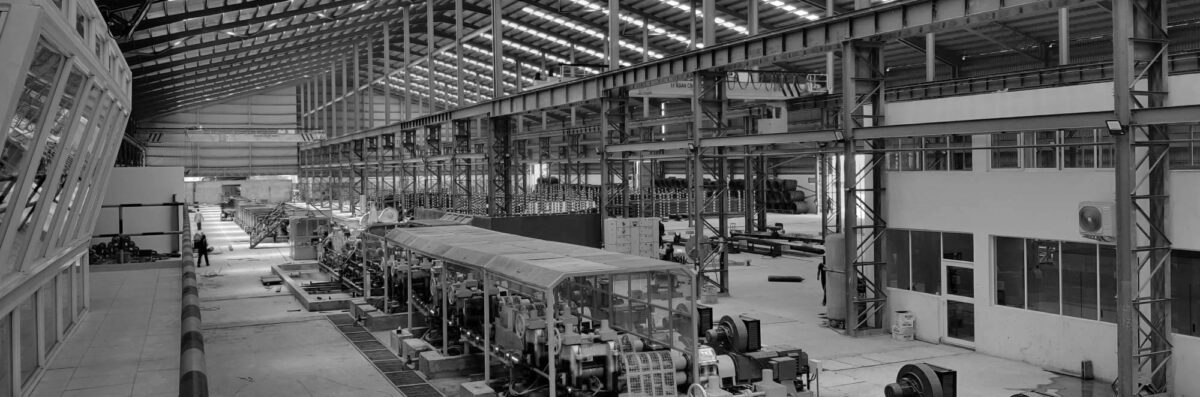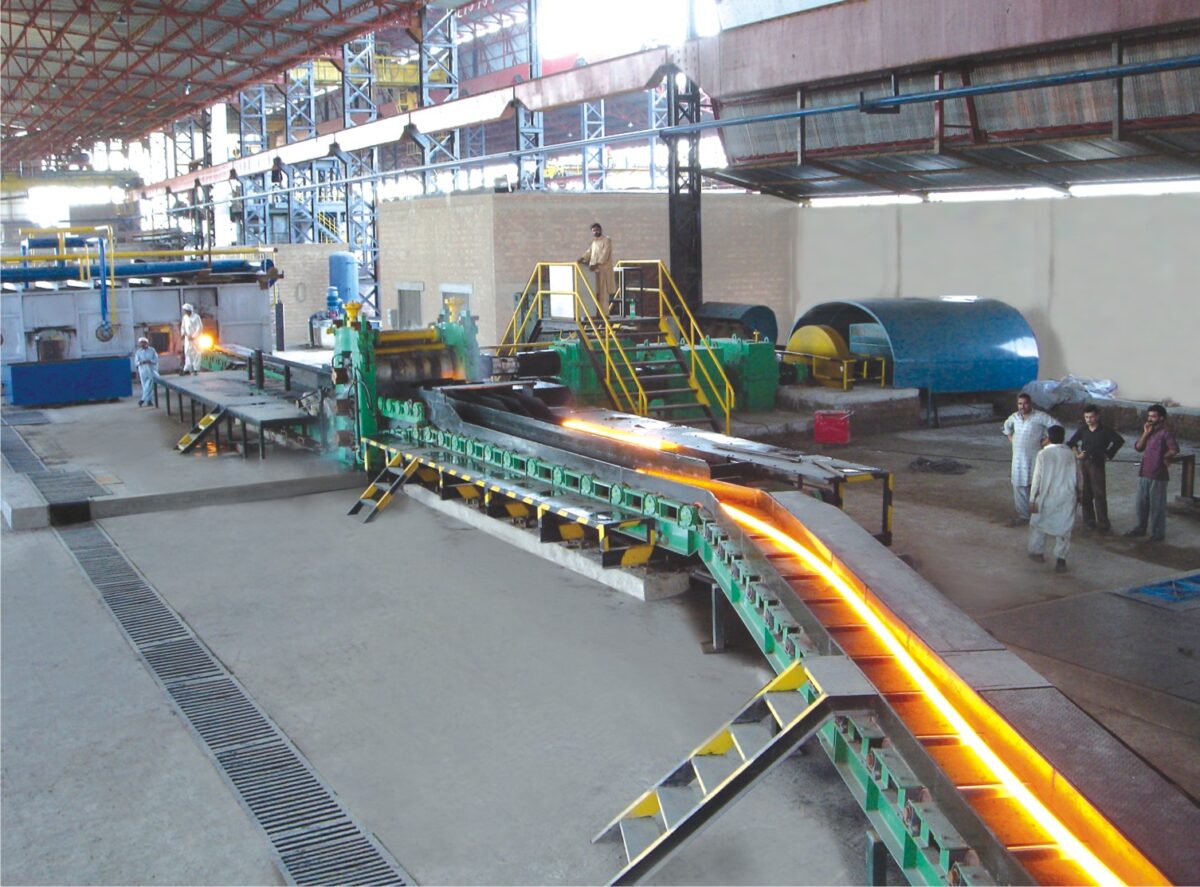
Rolling mills come with various constructions and are an integral part of any small industry in India. No matter the size of the rolling mill machinery, their performance remains the same in handling heavy metals. You might wonder what a rolling mill is and how it is profitable for small manufacturers? Read on to learn more so that you can make an informed decision.
What Are Rolling Mills?
Rolling mills are a type of metal forming machinery. They help process various metals through one or more rolls to reduce or create uniform thickness or imprint a design.
All rolling mills have at least one pair of heavy rollers. Depending upon your use and requirement, you can opt for mills with more than one pair of rollers that are also heavier to mould high-density metals. The range of sizes the rolling mills offer makes them profitable for small manufacturers.
How Does a Rolling Mill Work for Manufacturing Units?
Rolling mills can help alter the physical properties of a metal sheet. The purpose of a rolling mill is to provide a uniform thickness and consistency. These rollers are constructed with a strength that can easily squeeze and compress hardened pieces of metal as they are passed through a pair of adjoining rollers.
No matter the initial shape of the metal, once they are squeezed out of the rollers, they acquire a uniform flattened shape ready to be used in various spheres of small-scale and large-scale manufacturing facilities.
Advantages of Installing Rolling Mill Machinery
Rolling mills come with many advantages for both large-scale and small-scale manufacturers, catering separately to varied needs.
1. Ideal for Processing Metal
For ages, rolling mills have served as the perfect machinery for processing metals of varying densities. Not only do they save time in beating and flattening the metals into sheets, but they are convenient to small-scale manufacturers who place the utmost importance on efficiency and perfection in their work.
2. Good Consistency
Small manufacturers need the highest accuracy in their products because they produce metal sheets of comparatively smaller sizes and less in numbers than large-scale manufacturers. It is only through rolling mills that such constant uniformity is maintained throughout the long material length.
3. Easy to Use
Being able to use good quality rolling mills is no rocket science if you learn the basics of the machine. You can also get a test run to learn how to operate the mills efficiently.
4. High Productivity Rate
For a manufacturing unit, large-scale or smaller production facility, a high productivity rate in minimal time is the goal of all. With a one-time investment in rolling mills, you can boost the production rate. These machines can help you save time, ensure accuracy and time efficiency, and are a wise investment overall.
5. Lower Operating Cost
Rolling Mills primarily come in two categories: Hand-powered and Electric rolling mills. Hand-powered rolling mills are cost-effective for a firm and preferable for small-scale manufacturers. Electric rolling mills are known to save power, ultimately reducing costs in the long run.
Choose Us for Reliable Rolling Mills for Your Needs
Reliable rolling mill plants hire well-trained engineers who cater to all the requirements of a high-functioning rolling mill mentioned above. The various parts of a rolling mill are put through a series of tests by professionals before they are assembled and sent to factories.
Steefo Industries is now a part of the Steefo Group. We only sell tried and tested products to ensure a promising result to our buyers. As a leader in the rolling mill industry, we believe in providing the highest quality and manufacturing standards while verily complying with ISO 9001:2015 certification. We have strived hard to create a name in the industry as the leading and most preferred Rolling Mill Manufacturers since 1976.
Our services include project design and engineering, spares and consumables, technical support and repairs, service agreement program, and revamping & productivity enhancement.
You can reach out to us at marketing@thesteefogroup.com or call and schedule an appointment at +919824076873. It would be our pleasure to be of service to you!