
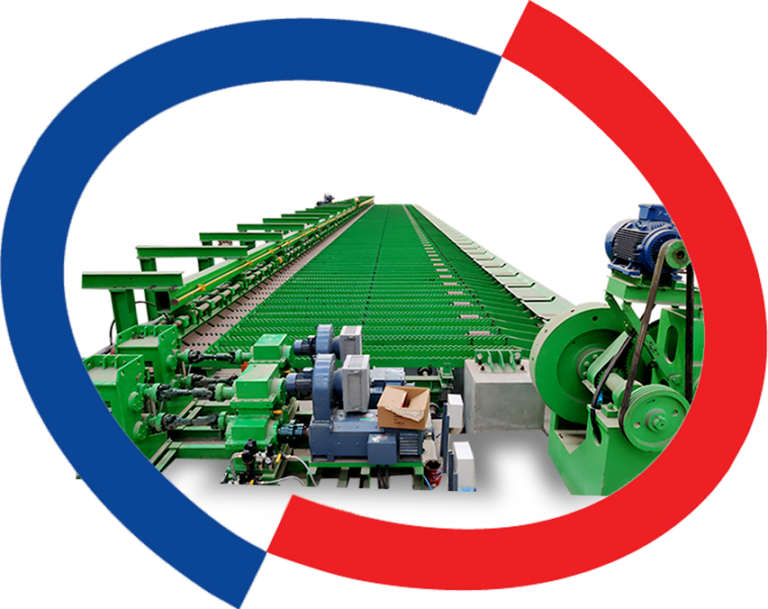
The hot rolling process generates an intense amount of extreme heat during production. Once the TMT bars or structural sections leave the mill stands, they require immediate and highly uniform cooling to maintain their structural shape and internal strength. The metal remains highly malleable at this critical stage. Any improper handling will ruin the entire production run and damage the final product. Manual handling or poorly designed cooling areas cause severe issues like bent bars and highly uneven metallurgical properties across the metal. Steel plants lose substantial money on rejected materials when the cooling process is inconsistent or poorly managed.
Upgrading to modern automatic cooling beds is the most effective way to ensure perfectly straight bars and a seamless, continuous production flow. A reliable cooling zone eliminates plant bottlenecks and protects your overall production yield. This comprehensive guide breaks down the specific technical components that The Steefo Group uses to make this high-level efficiency possible. We will explore how these advanced systems protect your materials and improve your operational bottom line.
The Primary Function of the Cooling Process
The fundamental goal of the entire cooling phase is to reduce the temperature of hot-rolled metal while maintaining absolute and perfect straightness. The metal is incredibly soft as it exits the finishing stands of your rolling mill. Any uneven resting position will cause the hot bar to warp as it shrinks and cools naturally. Automatic cooling beds solve this complex problem by using uniform air cooling techniques. The system transports the bars in a carefully phased manner from the entry point all the way to the discharge side. This precise phased movement exposes all sides of the hot bar to the ambient air equally. Equal exposure guarantees that the thermal contraction happens at the same rate across the entire steel bar.
Constant standardisation is another critical element of this process. Every single mechanical movement on the bed serves a specific purpose to guarantee this standardisation. The phased transport is heavily engineered to straighten the material continuously as it cools down over time. The mechanical lifting and shifting motions prevent the hot metal from sagging between the supports. Sagging creates permanent bends that ruin the commercial value of the steel. The cooling bed supports the metal at precise intervals to prevent this issue.
The final stage involves transferring the cooled products to the finishing section of the plant. Once the thermal cooling cycle completes, the system transfers the materials to the final processing zones. This final step safely and efficiently moves the cooled bars one by one onto the run-out roller table. This prepares the steel for final processing, quality inspection, and cutting to commercial lengths.
Advanced Bar Receiving Mechanisms for Your Mill
Getting the extremely fast and hot metal onto the automatic cooling bed safely is a critical and highly technical step. High-speed rolling operations require perfectly timed entry mechanisms to prevent dangerous pile-ups and ensure straightness right from the very start. The Steefo Group designs specialised and highly accurate receiving mechanisms tailored to meet different industrial production needs.
1. Twin Channel Systems for Smooth Delivery
High-speed production lines rely heavily on advanced twin-channel systems to manage the intense flow of hot metal. The Steefo Group designs these crucial mechanisms using robust hydraulic or electro-mechanical drives powered by high-efficiency DC motors. A key feature of this industrial design is the use of heavy-duty flappers made entirely from SG Iron material. This specific metallurgical material provides excellent wear resistance against the highly abrasive and hot steel. It ensures an incredibly long equipment life and drastically reduces maintenance downtime for your rolling mill. The twin channels open and close with perfect timing to drop the bars onto the cooling bed racks without any overlapping or tangling.
2. Four-Channel Pneumatic Systems
Some intensive production lines require even higher capacity and much faster sorting capabilities. Four-channel pneumatic systems are built specifically for rolling mills that handle demanding two-strand billet rolling. This specific setup splits the incoming material efficiently and manages multiple strands without any risk of jamming the line. The pneumatic operation provides rapid mechanical switching to keep up with the intense speed of multi-strand steel production. Pneumatic cylinders offer the exact reaction speed necessary to handle the incredible velocity of the steel as it leaves the final finishing stand.
3. Braking Slide and Hydraulic Apron Configurations
Not all steel mills produce standard straight TMT bars exclusively. Braking slide and hydraulic apron mechanisms are perfectly suited for versatile merchant mills. This specific equipment configuration works perfectly for plants producing both structural sections and TMT bars, along with light section mills. The braking slide safely and gradually decelerates the fast-moving sections before they drop onto the cooling bed racks. Managing this kinetic energy prevents the steel from shooting past the cooling zone and damaging the surrounding equipment. The hydraulic apron then lowers the material gently to begin the cooling cycle.
The Core Mechanics of Rake-Type Automatic Cooling Beds
The rake-type design remains the absolute industry standard for cooling long steel products like standard TMT bars. These highly efficient automatic cooling beds use a series of precision-machined cast iron racks to walk the hot material safely across the entire cooling area.
Automated transfer is the mechanical heart of this entire system. Rake-type automatic cooling beds handle the hot material with absolute mechanical precision. They ensure the safe and uniform transfer of material by moving it one pitch for every single rake movement. The movable racks lift the hot steel bar from the stationary racks, move it forward one notch, and place it gently back down onto the next resting position. This continuous and highly controlled walking motion constantly rotates the bar to prevent uneven cooling and permanent bending. The constant rotation is what gives the final TMT bar its perfect straightness.
This high level of heavy engineering delivers exceptional equipment quality and long-term operational reliability. These highly automated beds eliminate dangerous human error from the cooling equation. They maintain a steady and highly predictable rhythm on the busy plant floor. This operational consistency allows the rest of the rolling mill to operate at maximum capacity without ever worrying about frustrating bottlenecks in the cooling phase. Plant managers can forecast their daily yield accurately because the automated cooling bed never slows down or makes handling mistakes.
Essential Supporting Roller Tables and Devices
A massive cooling bed cannot operate successfully in total isolation. It requires a dedicated network of precision roller tables to feed raw material in and take finished products out safely. These essential supporting devices keep the entire steel production line flowing smoothly without interruption.
1. Run In Roller Tables and Diverters
The cooling process officially begins at the entry points known specifically as run-in roller tables. These heavily reinforced tables catch the high-speed material the moment it exits the final mill stand. They come fully equipped with apron-type diverters or twin channels for smooth and highly controlled bar delivery onto the cooling bed surface. These tables must control the immense kinetic energy of the hot steel and guide it accurately to the designated receiving mechanisms. The rollers are driven by powerful individual motors to match the speed of the approaching steel.
2. Aligning Roller Table for Precision
Once the metal reaches the very end of its long cooling cycle, it must be properly prepared for the final cutting phase. The aligning roller table ensures the complete uniform alignment of all bar ends before the metal moves further down the processing line. Proper, exact alignment is absolutely vital to minimise scrap metal when the bars are cut to standard commercial lengths. If the bars are uneven, the cold shear will waste significant amounts of good steel trying to square the ends.
3. Transfer Out Devices for Layer Movement
Moving multiple heavy steel bars at once requires careful mechanical coordination to prevent surface damage. The transfer-out device handles the highly complex layer transfer process smoothly. This mechanism collects a specific and pre-determined number of cooled bars and moves them safely to the run-out roller table after successful end alignment. It ensures the steel bars stay completely flat and orderly during the transition. Any twisting or crossing of the bars at this stage would cause severe jamming at the cold shear machine.
4. Run Out Roller Tables and Cold Shear Feeding
The final operational stage of the entire cooling zone involves the high-speed run-out roller table. This fast-moving conveyor table feeds the cooled and straightened bars directly to the heavy cold shear for accurate cutting. A reliable and highly durable run-out table ensures that the cold shear operators receive a continuous and tightly grouped layer of steel. This grouped layer is then completely ready for precise shearing and final bundling for commercial dispatch.
Heavy Duty Solutions for Structural Sections
While rake-type automatic cooling bed designs are absolutely perfect for standard TMT bars, heavy structural shapes require a completely different engineering approach. Standard cast iron racks simply cannot properly support the massive weight and unique dimensions of heavy structural steel. Exposing a heavy I-beam to a standard rake bed would damage the mechanical lifting drives.
The Steefo Group implements advanced chain-skid technology to solve this specific industrial problem. Not all steel products fit the standard rake design safely. The chain-skid type semi-automatic cooling bed uses extremely heavy-duty drag chains to pull the hot metal across reinforced steel skids. This massive flat surface provides continuous and unbroken support across the entire length of the heavy product.
This incredibly robust mechanism is built exclusively for handling big angles and massive beams. It effortlessly manages heavy sections like large angles, wide channels, and massive structural I-beams. The heavy chain-skid design ensures these massive steel pieces cool evenly without ever warping under their own immense weight. The drag chains are powered by massive industrial gearboxes that provide the extreme torque needed to move tons of steel simultaneously.
Final Thoughts on Upgrading to Automatic Cooling Bed
The cooling phase is a critical make-or-break moment in modern steel manufacturing. Relying on outdated or manual cooling methods directly hurts a steel plant’s overall profitability through rejected materials and constant operational bottlenecks. Modern automatic cooling beds are heavily engineered to protect the vital metallurgical integrity of the steel while keeping the entire production line moving at absolute top speed.
From the highly advanced twin-channel receiving mechanisms to the precise rake movements and aligning roller tables, every single component plays a vital role in your success. The Steefo Group deeply understands that a highly efficient rolling mill requires heavy equipment built with exact precision and incredibly durable materials like SG Iron. Investing in these modern automated systems eliminates costly human error. Upgrading your infrastructure guarantees perfectly straight products and highly secures maximum yield for your demanding steel plant operations.
Frequently Asked Questions
1. How do automatic cooling beds improve TMT bar straightness?
They transport the extremely hot bars in a phased and controlled step-by-step motion. This continuous turning and shifting motion exposes all sides of the hot bar to the ambient air evenly to prevent the metal from warping as it shrinks.
2. What is the advantage of using SG Iron material for twin-channel flappers?
SG Iron offers truly exceptional wear resistance and overall durability. It easily withstands the extreme heat and abrasive friction of high-speed hot steel to ensure a much longer equipment life for the plant.
3. Which receiving mechanism works best for a two-strand billet rolling mill?
A highly responsive four-channel pneumatic system is the absolute best choice. It is specifically designed to rapidly sort and safely manage multiple fast-moving steel strands without any risk of jamming.
4. How does a rake-type cooling bed move the steel bars?
It uses a highly precise walking beam mechanical movement. Movable cast iron racks lift the bars off the stationary racks, move them forward by one pitch, and gently place them down.
5. What equipment is needed to cool heavy sections like I-beams?
Heavy structural sections require advanced chain-skid technology. This semi-automatic cooling bed uses heavy drag chains to safely slide massive structural products across steel supports to prevent severe warping under heavy weight.
Upgrade Your Rolling Mill with The Steefo Group’s Premium Automatic Cooling Beds
Are you tired of losing money to warped steel and production bottlenecks? Every rejected batch cuts directly into your plant’s profitability. It is time to stop letting outdated cooling methods hold your production line back. Upgrade your rolling mill with The Steefo Group’s premium automatic cooling beds to secure your bottom line.
Our advanced engineering ensures that every TMT bar and heavy structural section cools uniformly and maintains absolute straightness. We build our equipment using incredibly durable materials like SG Iron to withstand extreme heat and abrasive wear. This guarantees uninterrupted high-speed production and eliminates costly human error from your daily operations.
Partner with India’s leading manufacturer to transform your cooling phase into a highly efficient process. Contact The Steefo Group right now at +91 87589 98607 or write to us at marketing@thesteefogroup.com to integrate our highly reliable automatic cooling beds and maximise your steel plant’s operational yield.
