
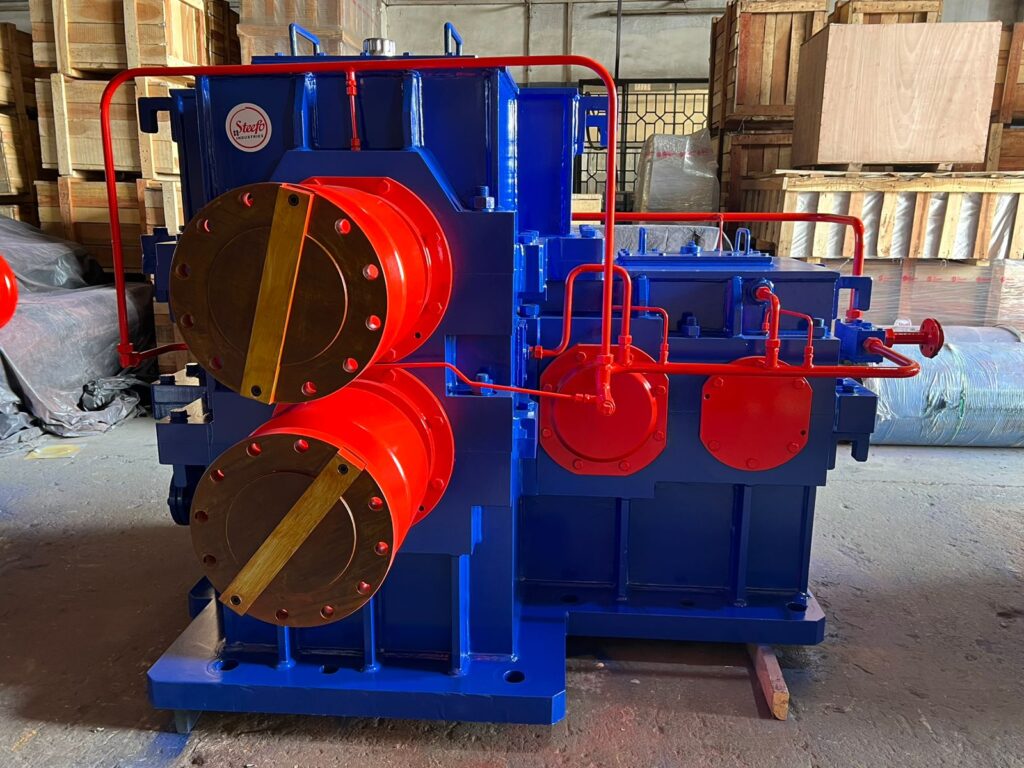
The rolling mill gearbox serves as the heart of your power transmission system. It handles massive torque and heavy shock loads to keep hot rolling operations moving smoothly.
When this critical component fails, the consequences are immediate and severe. Plant owners face unplanned downtime, significant production losses, and extremely costly emergency repairs.
Direct Answer: The three primary warning signs of a failing rolling mill gearbox are abnormal overheating, unusual noises like grinding or knocking, and excessive vibration during operation. Identifying these early symptoms prevents catastrophic breakdowns, reduces unplanned downtime, and saves thousands in repair expenses for hot rolling mills.
This guide will help maintenance managers and production teams identify early warning symptoms. Catching these signs early stops minor component wear from escalating into a total system failure.
Why Rolling Mill Gearboxes Fail in Hot Operations
Hot rolling mills demand extreme performance from every piece of machinery. The environment is harsh, and the mechanical demands are relentless.
1. Heavy Loads and Continuous Operation Put Constant Stress on the Equipment
A rolling mill gearbox operates under severe mechanical loads day in and day out. It must multiply torque while reducing motor speed to drive massive steel billets through the stands.
This continuous operation generates immense friction and stress on internal components. Even the most robust gears and bearings have a finite fatigue life under these extreme operational demands.
Over time, this constant mechanical punishment degrades surface finishes. Metal fatigue sets in, making proactive maintenance essential for operational survival.
2. The Most Common Reasons for Failure
Breakdowns rarely happen without a distinct underlying cause. Poor lubrication is the leading culprit behind most industrial gearbox failures.
When oil loses its viscosity, metal-on-metal contact destroys gear teeth. Misalignment is another major factor that unevenly distributes loads across bearings and shafts.
Contamination from dust, scale, and water easily infiltrates poorly sealed units. Overloading the mill beyond its rated capacity also snaps teeth and destroys bearings prematurely.
3. Why Early Detection Is Critical
Ignoring minor operational changes is the fastest route to a catastrophic breakdown. A slight temperature increase today can lead to a completely fused bearing tomorrow.
Small issues like minor pitting on a gear tooth quickly escalate into internal fractures. When one component fails, it often sends metal debris through the entire lubrication system.
Detecting these anomalies early allows maintenance teams to schedule planned repairs. This approach saves plants from the financial disaster of an unexpected mid-shift breakdown.
Sign 1 — Overheating in the Rolling Mill Gearbox
Heat is a natural byproduct of mechanical power transmission. However, excessive heat is a clear indicator that internal friction is destroying your machinery.
1. What Overheating Looks Like on the Shop Floor
Maintenance teams can often spot thermal issues before checking their instruments. An unusually hot gearbox housing that radiates heat from several feet away is a red flag.
Rising oil temperatures on your monitoring gauges require immediate investigation. You may also notice a distinct burnt smell lingering around the drive train.
Look closely at the housing seals and breathers. Discoloured oil, smoking breathers, or sudden seal leakages are physical proof that the internal temperature has exceeded safe limits.
2. Common Causes of Overheating
Low lubricant levels leave gears turning without a protective fluid film. Conversely, using the incorrect oil grade fails to dissipate heat during high-speed operations.
Contaminated oil acts like liquid sandpaper inside the casing. This creates severe internal friction from wear particles rubbing against precision surfaces.
Overloading the mill pushes the gears beyond their thermal limits. Furthermore, poor ambient cooling or clogged ventilation paths trap generated heat inside the system.
3. Why Is Overheating Dangerous
Excessive temperatures destroy the chemical structure of your industrial lubricants. Once the oil breaks down, lubrication effectiveness drops to zero.
This accelerates wear on gears and bearings at an alarming rate. The intense heat causes metal components to expand, eliminating crucial clearance tolerances.
Eventually, this extreme thermal expansion leads to seal damage. Once the seals blow, oil escapes, resulting in a completely dry and fatal gearbox failure.
4. What to Do When Overheating Is Detected
Never ignore a sudden temperature spike on the shop floor. Check the oil level and inspect the fluid condition for burning or darkening immediately.
Verify that the cooling systems, heat exchangers, and ventilation fans are functioning properly. Review the current load conditions to ensure operators are not pushing the mill too hard.
If the temperature rise is rapid and abnormal, stop the equipment immediately. It is better to halt production for an hour than lose the entire mill for a week.
Sign 2 — Unusual Noise from the Gearbox
A rolling mill is a loud environment, but experienced operators know the baseline hum of healthy machinery. New or changing sounds are urgent cries for help from your equipment.
1. What Abnormal Gearbox Noise Sounds Like
Listen for distinct acoustic changes near the drive train. Grinding noises are the most alarming and usually point to severe internal destruction.
Knocking sounds often follow a rhythmic pattern matching the shaft’s rotational speed. You might also hear a high-pitched whining sound that cuts through the general ambient plant noise.
Rattling sounds often come from the exterior or immediate connections. Pay close attention to a baseline humming that gets progressively louder under a heavy steel load.
2. What Different Sounds May Indicate
A grinding noise almost always means metal is tearing away from metal. This indicates severe gear wear, broken teeth, or heavy particle contamination in the oil.
Knocking points directly to loose internal parts or a broken bearing cage. It can also signify a fractured gear tooth striking its mating gear on every revolution.
Whining usually highlights gear mesh issues or severe lubrication starvation. Rattling often points to external mounting problems, loose foundation bolts, or coupling alignment issues.
3. Main Causes of Gearbox Noise
Gear tooth wear changes the physical profile of the gears. This altered geometry creates rough meshing, which translates directly into loud, audible noise.
Bearing damage is another primary source of acoustic warnings. When bearing rollers become pitted, they create a distinct roaring or rumbling sound.
Poor lubrication removes the dampening effect of the oil film. Loose couplings, unfastened bolts, and shaft misalignment also force components to fight against each other loudly.
4. How to Distinguish Normal Sound From Warning Noise
Every machine has a unique acoustic signature. Maintenance teams must compare current sounds against the baseline machine sound recorded during optimal operation.
Pay close attention to sudden changes in pitch, volume, or rhythm. Gradual noise increases are dangerous, but sudden acoustic shifts require an immediate emergency stop.
Check whether the noise increases with motor speed or material load. A noise that worsens when a billet enters the stand is a classic sign of internal mechanical fatigue.
Sign 3 — Excessive Vibration in the Rolling Mill Gearbox
Vibration is the physical manifestation of unbalanced mechanical forces. While some vibration is expected, excessive shaking tears heavy machinery apart.
1. How Vibration Appears in Real Operations
You do not always need sophisticated sensors to detect a problem. Excessive shaking that vibrates the floor plates is a clear and present danger.
Look for loose movement in the gearbox housing or shifting on the mounting base. You will often see vibration transfer to nearby components like motors and drive shafts.
In severe cases, you will notice noise and heat rise together alongside the shaking. This trio of symptoms indicates a machine that is rapidly tearing itself apart.
2. Common Causes of Vibration
Misalignment between the motor, gearbox, and mill stand is the leading cause of heavy vibration. Even a misalignment of a few thousandths of an inch creates massive, destructive forces.
Imbalance in the rotating shafts or couplings throws the entire system out of rhythm. Bearing failure also introduces erratic movement as the shaft wobbles within its housing.
Gear damage, such as a chipped tooth, creates a sudden jolt on every single rotation. Loose foundation bolts and heavy contamination also contribute to unstable, shaky operations.
3. Why Vibration Should Never Be Ignored
Vibration acts as a multiplier for mechanical fatigue. It dramatically increases the stress on the entire drive system, weakening metal structures over time.
This shaking can easily damage connected components, destroying motor bearings and snapping couplings. It severely reduces gearbox life and compromises overall process stability.
Excessive vibration also impacts the quality of your rolled steel. Uneven power transmission leads to thickness variations and surface defects on the final product.
4. Simple Checks Maintenance Teams Can Perform
Start with a thorough visual inspection of the mounting base and foundation bolts. Look for cracked concrete or rusted shims that indicate movement.
Use handheld vibration pens or data collectors to take quick radial and axial readings. Compare these metrics against ISO 10816 vibration severity standards for heavy machinery.
Perform a simultaneous temperature check across all bearing housings. Finally, execute a strict fastener and coupling inspection to ensure all external connections are locked tight.
Quick Gearbox Failure Diagnosis Checklist
Consistency is the secret to effective preventive maintenance. Standardising your inspection process ensures no early warning signs slip through the cracks.
1. Daily Inspection Points
Your maintenance crew should track external housing temperatures using infrared thermometers daily. Listen carefully to the operating sound and note any new acoustic patterns.
Check the overall vibration levels by observing the unit under a heavy rolling load. Inspect the base and shaft seals closely for any signs of fresh oil leakage.
Check the oil condition through the sight glass. Look for foaming, dark discolouration, or visible water separation in the fluid.
2. Red Flags That Require Immediate Attention
Certain symptoms demand that you halt production instantly. A sudden, unexplained temperature spike means internal friction has reached critical levels.
A new grinding or heavy knocking sound means components are currently breaking apart. Do not wait for the shift to end to investigate these noises.
A sharp increase in vibration levels threatens to snap shafts and destroy foundations. A strong burnt smell or completely blackened oil indicates severe thermal breakdown.
3. Why a Documented Checklist Matters
Relying on memory is a dangerous maintenance strategy. A documented checklist helps teams compare historical trends and spot slow-developing problems.
It supports faster troubleshooting when a failure eventually occurs. By tracking data over time, technicians can pinpoint exactly when the degradation started.
Ultimately, strict documentation reduces the chance of unexpected downtime. It transforms your maintenance strategy from reactive firefighting into proactive asset management.
| Warning Sign | Possible Cause | Recommended Action |
|---|---|---|
| Overheating | Lubrication issue, overload, poor cooling | Inspect oil, cooling, and load |
| Noise | Wear, misalignment, loose parts | Check gears, bearings, and couplings |
| Vibration | Imbalance, misalignment, bearing damage | Measure vibration and inspect alignment |
How to Prevent Rolling Mill Gearbox Failure
Prevention is always cheaper than replacement. Implementing robust maintenance protocols extends the life of your equipment and protects your bottom line. Our guide on rolling mill gearbox care covers these maintenance fundamentals in more depth.
1. Use Proper Lubrication Practices
Lubrication is the lifeblood of your power transmission system. Always use the correct oil grade recommended by the manufacturer for high-load applications.
Execute timely oil changes based on operating hours and oil analysis reports. Never push degraded oil past its safe operational lifespan.
Maintain clean handling and storage practices in your lube room. Using dirty transfer pumps introduces contamination before the oil even reaches the machine.
2. Maintain Alignment and Mounting Accuracy
Precision alignment is non-negotiable for high-torque rolling mills. Schedule regular alignment checks using advanced laser alignment tools during every major shutdown.
Soft foot conditions must be eliminated to prevent housing distortion. A twisted gearbox casing will misalign internal gears and destroy bearings rapidly.
Tighten and inspect couplings and foundations routinely. Ensure all anchor bolts are torqued to the correct specifications to prevent operational shifting.
3. Use Condition Monitoring
Modern technology takes the guesswork out of maintenance. Track temperature continuously using hardwired sensors on bearing caps and oil reservoirs.
Monitor vibration using fixed accelerometers to capture real-time frequency data. This allows you to identify specific gear mesh or bearing defect frequencies early.
Watch for oil contamination by taking monthly samples for laboratory analysis. Wear debris analysis will tell you which internal component is degrading.
4. Train Operators to Report Early Signs
Your mill operators are your first line of defence. They spend every shift alongside the machinery and know its normal behaviour better than anyone.
Encourage quick reporting of any new noise, heat, or vibration changes. Create a culture where halting the mill to check a strange noise is rewarded, not penalised.
When operators and maintenance teams communicate effectively, catastrophic failures drop significantly. Knowledgeable teams protect your machinery and keep production numbers high. For guidance on matching gearbox specifications to your mill’s actual operating demands, see our engineer’s guide to rolling mill gearbox selection.
Conclusion
Overheating, unusual noise, and excessive vibration are not just random machine quirks. They are critical early warning signs of rolling mill gearbox trouble that demand immediate attention.
Ignoring these physical symptoms guarantees unplanned downtime, ruined production schedules, and incredibly expensive replacement parts. Emphasising fast inspection, proper lubrication, and proactive vibration analysis saves your hot rolling plant from massive financial losses.
By treating these three warning signs seriously, you secure the lifespan of your heavy equipment and protect the profitability of your entire operation. Stay alert, trust your baseline machine sounds, and never delay essential maintenance when red flags appear.
Frequently Asked Questions (FAQs)
1. What is the first sign of rolling mill gearbox failure?
The very first sign is usually a subtle change in operating temperature or a slight increase in high-frequency vibration. These micro-changes often occur weeks before audible noise or heavy shaking becomes noticeable on the shop floor.
2. Why does a rolling mill gearbox overheat?
Overheating occurs due to internal friction caused by poor lubrication, degraded oil, or heavy particle contamination. It can also be triggered by severe operational overloading, misaligned shafts, or failing cooling and ventilation systems.
3. Is gearbox noise always a sign of damage?
While some baseline gear mesh noise is normal, any sudden change in pitch, volume, or rhythm indicates a problem. Grinding, knocking, or high-pitched whining are definitive signs of mechanical wear, misalignment, or lubrication starvation.
4. How often should a gearbox be inspected in a hot rolling mill?
Basic visual, auditory, and temperature inspections must be conducted daily by operators. Comprehensive condition monitoring, including vibration analysis and oil sampling, should be performed monthly to track internal wear trends accurately.
5. When should a gearbox be repaired instead of replaced?
A gearbox should be repaired if the casing is intact and the damage is limited to replaceable bearings, seals, or specific gear sets. It must be completely replaced if the housing is cracked, heavily distorted, or if internal destruction is total.
Looking to Improve Gearbox Reliability in Your Rolling Mill?
The Steefo Group provides world-class rolling mill manufacturing, expert maintenance support, and heavy-duty equipment designed to withstand the toughest industrial environments. We understand that a failing gearbox can halt your entire production line, leading to unacceptable delays and heavy revenue loss.
That is why our dedicated engineering team focuses on delivering robust, high-performance machinery built for ultimate endurance, heavy load capacity, and long-term stability. Whether you need a complete hot rolling mill setup, precision-engineered replacement gearboxes, or expert guidance on mechanical upgrades, we deliver proven turnkey solutions for steel plants.
Partner with us to keep your production running smoothly without unexpected mechanical interruptions. Connect with our technical experts at +91 87589 98607 or at marketing@thesteefogroup.com to discuss your specific operational requirements and maintenance goals. Let us help you maximise your daily uptime, enhance your steel output quality, and eliminate frustrating gearbox failures.