Categories
Blogs Rolling Mill

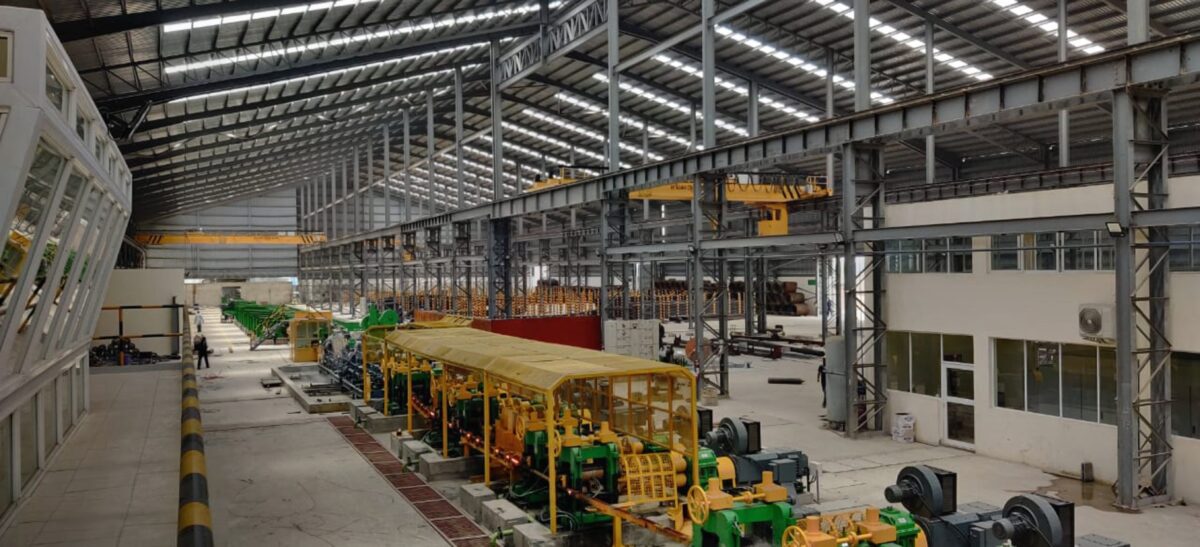
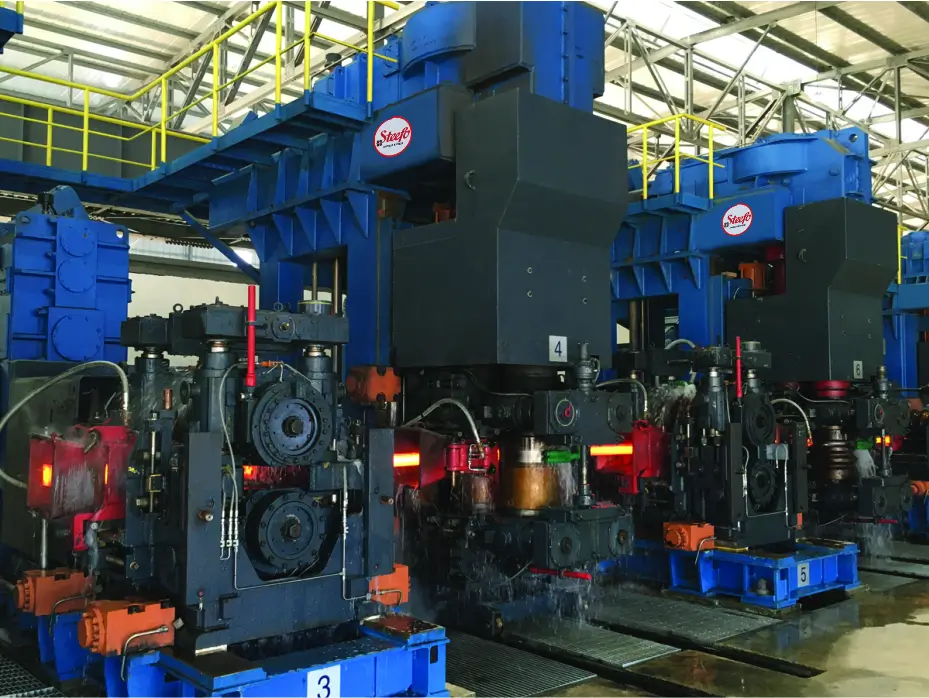
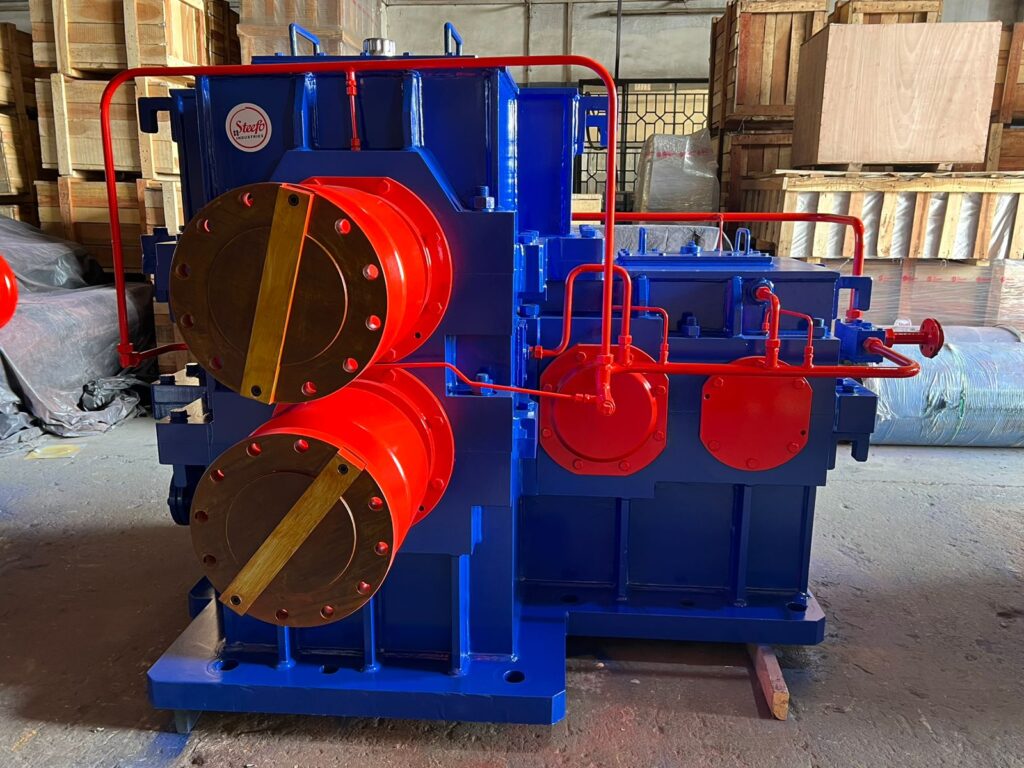
The rolling mill gearbox serves as the heart of your power transmission system. It handles massive torque and heavy shock loads to keep hot rolling operations moving smoothly.

When this critical component fails, the consequences are immediate and severe. Plant owners face unplanned downtime, significant production losses, and extremely costly emergency repairs.

Direct Answer: The three primary warning signs of a failing rolling mill gearbox are abnormal overheating, unusual noises like grinding or knocking, and excessive vibration during operation. Identifying these early symptoms prevents catastrophic breakdowns, reduces unplanned downtime, and saves thousands in repair expenses for hot rolling mills.

This guide will help maintenance managers and production teams identify early warning symptoms. Catching these signs early stops minor component wear from escalating into a total system failure.

Why Rolling Mill Gearboxes Fail in Hot Operations

Hot rolling mills demand extreme performance from every piece of machinery. The environment is harsh, and the mechanical demands are relentless.

1. Heavy Loads and Continuous Operation Put Constant Stress on the Equipment

A rolling mill gearbox operates under severe mechanical loads day in and day out. It must multiply torque while reducing motor speed to drive massive steel billets through the stands.

This continuous operation generates immense friction and stress on internal components. Even the most robust gears and bearings have a finite fatigue life under these extreme operational demands.

Over time, this constant mechanical punishment degrades surface finishes. Metal fatigue sets in, making proactive maintenance essential for operational survival.

2. The Most Common Reasons for Failure

Breakdowns rarely happen without a distinct underlying cause. Poor lubrication is the leading culprit behind most industrial gearbox failures.

When oil loses its viscosity, metal-on-metal contact destroys gear teeth. Misalignment is another major factor that unevenly distributes loads across bearings and shafts.

Contamination from dust, scale, and water easily infiltrates poorly sealed units. Overloading the mill beyond its rated capacity also snaps teeth and destroys bearings prematurely.

3. Why Early Detection Is Critical

Ignoring minor operational changes is the fastest route to a catastrophic breakdown. A slight temperature increase today can lead to a completely fused bearing tomorrow.

Small issues like minor pitting on a gear tooth quickly escalate into internal fractures. When one component fails, it often sends metal debris through the entire lubrication system.

Detecting these anomalies early allows maintenance teams to schedule planned repairs. This approach saves plants from the financial disaster of an unexpected mid-shift breakdown.

Sign 1 — Overheating in the Rolling Mill Gearbox

Heat is a natural byproduct of mechanical power transmission. However, excessive heat is a clear indicator that internal friction is destroying your machinery.

1. What Overheating Looks Like on the Shop Floor

Maintenance teams can often spot thermal issues before checking their instruments. An unusually hot gearbox housing that radiates heat from several feet away is a red flag.

Rising oil temperatures on your monitoring gauges require immediate investigation. You may also notice a distinct burnt smell lingering around the drive train.

Look closely at the housing seals and breathers. Discoloured oil, smoking breathers, or sudden seal leakages are physical proof that the internal temperature has exceeded safe limits.

2. Common Causes of Overheating

Low lubricant levels leave gears turning without a protective fluid film. Conversely, using the incorrect oil grade fails to dissipate heat during high-speed operations.

Contaminated oil acts like liquid sandpaper inside the casing. This creates severe internal friction from wear particles rubbing against precision surfaces.

Overloading the mill pushes the gears beyond their thermal limits. Furthermore, poor ambient cooling or clogged ventilation paths trap generated heat inside the system.

3. Why Is Overheating Dangerous

Excessive temperatures destroy the chemical structure of your industrial lubricants. Once the oil breaks down, lubrication effectiveness drops to zero.

This accelerates wear on gears and bearings at an alarming rate. The intense heat causes metal components to expand, eliminating crucial clearance tolerances.

Eventually, this extreme thermal expansion leads to seal damage. Once the seals blow, oil escapes, resulting in a completely dry and fatal gearbox failure.

4. What to Do When Overheating Is Detected

Never ignore a sudden temperature spike on the shop floor. Check the oil level and inspect the fluid condition for burning or darkening immediately.

Verify that the cooling systems, heat exchangers, and ventilation fans are functioning properly. Review the current load conditions to ensure operators are not pushing the mill too hard.

If the temperature rise is rapid and abnormal, stop the equipment immediately. It is better to halt production for an hour than lose the entire mill for a week.

Sign 2 — Unusual Noise from the Gearbox

A rolling mill is a loud environment, but experienced operators know the baseline hum of healthy machinery. New or changing sounds are urgent cries for help from your equipment.

1. What Abnormal Gearbox Noise Sounds Like

Listen for distinct acoustic changes near the drive train. Grinding noises are the most alarming and usually point to severe internal destruction.

Knocking sounds often follow a rhythmic pattern matching the shaft’s rotational speed. You might also hear a high-pitched whining sound that cuts through the general ambient plant noise.

Rattling sounds often come from the exterior or immediate connections. Pay close attention to a baseline humming that gets progressively louder under a heavy steel load.

2. What Different Sounds May Indicate

A grinding noise almost always means metal is tearing away from metal. This indicates severe gear wear, broken teeth, or heavy particle contamination in the oil.

Knocking points directly to loose internal parts or a broken bearing cage. It can also signify a fractured gear tooth striking its mating gear on every revolution.

Whining usually highlights gear mesh issues or severe lubrication starvation. Rattling often points to external mounting problems, loose foundation bolts, or coupling alignment issues.

3. Main Causes of Gearbox Noise

Gear tooth wear changes the physical profile of the gears. This altered geometry creates rough meshing, which translates directly into loud, audible noise.

Bearing damage is another primary source of acoustic warnings. When bearing rollers become pitted, they create a distinct roaring or rumbling sound.

Poor lubrication removes the dampening effect of the oil film. Loose couplings, unfastened bolts, and shaft misalignment also force components to fight against each other loudly.

4. How to Distinguish Normal Sound From Warning Noise

Every machine has a unique acoustic signature. Maintenance teams must compare current sounds against the baseline machine sound recorded during optimal operation.

Pay close attention to sudden changes in pitch, volume, or rhythm. Gradual noise increases are dangerous, but sudden acoustic shifts require an immediate emergency stop.

Check whether the noise increases with motor speed or material load. A noise that worsens when a billet enters the stand is a classic sign of internal mechanical fatigue.

Sign 3 — Excessive Vibration in the Rolling Mill Gearbox

Vibration is the physical manifestation of unbalanced mechanical forces. While some vibration is expected, excessive shaking tears heavy machinery apart.

1. How Vibration Appears in Real Operations

You do not always need sophisticated sensors to detect a problem. Excessive shaking that vibrates the floor plates is a clear and present danger.

Look for loose movement in the gearbox housing or shifting on the mounting base. You will often see vibration transfer to nearby components like motors and drive shafts.

In severe cases, you will notice noise and heat rise together alongside the shaking. This trio of symptoms indicates a machine that is rapidly tearing itself apart.

2. Common Causes of Vibration

Misalignment between the motor, gearbox, and mill stand is the leading cause of heavy vibration. Even a misalignment of a few thousandths of an inch creates massive, destructive forces.

Imbalance in the rotating shafts or couplings throws the entire system out of rhythm. Bearing failure also introduces erratic movement as the shaft wobbles within its housing.

Gear damage, such as a chipped tooth, creates a sudden jolt on every single rotation. Loose foundation bolts and heavy contamination also contribute to unstable, shaky operations.

3. Why Vibration Should Never Be Ignored

Vibration acts as a multiplier for mechanical fatigue. It dramatically increases the stress on the entire drive system, weakening metal structures over time.

This shaking can easily damage connected components, destroying motor bearings and snapping couplings. It severely reduces gearbox life and compromises overall process stability.

Excessive vibration also impacts the quality of your rolled steel. Uneven power transmission leads to thickness variations and surface defects on the final product.

4. Simple Checks Maintenance Teams Can Perform

Start with a thorough visual inspection of the mounting base and foundation bolts. Look for cracked concrete or rusted shims that indicate movement.

Use handheld vibration pens or data collectors to take quick radial and axial readings. Compare these metrics against ISO 10816 vibration severity standards for heavy machinery.

Perform a simultaneous temperature check across all bearing housings. Finally, execute a strict fastener and coupling inspection to ensure all external connections are locked tight.

Quick Gearbox Failure Diagnosis Checklist

Consistency is the secret to effective preventive maintenance. Standardising your inspection process ensures no early warning signs slip through the cracks.

1. Daily Inspection Points

Your maintenance crew should track external housing temperatures using infrared thermometers daily. Listen carefully to the operating sound and note any new acoustic patterns.

Check the overall vibration levels by observing the unit under a heavy rolling load. Inspect the base and shaft seals closely for any signs of fresh oil leakage.

Check the oil condition through the sight glass. Look for foaming, dark discolouration, or visible water separation in the fluid.

2. Red Flags That Require Immediate Attention

Certain symptoms demand that you halt production instantly. A sudden, unexplained temperature spike means internal friction has reached critical levels.

A new grinding or heavy knocking sound means components are currently breaking apart. Do not wait for the shift to end to investigate these noises.

A sharp increase in vibration levels threatens to snap shafts and destroy foundations. A strong burnt smell or completely blackened oil indicates severe thermal breakdown.

3. Why a Documented Checklist Matters

Relying on memory is a dangerous maintenance strategy. A documented checklist helps teams compare historical trends and spot slow-developing problems.

It supports faster troubleshooting when a failure eventually occurs. By tracking data over time, technicians can pinpoint exactly when the degradation started.

Ultimately, strict documentation reduces the chance of unexpected downtime. It transforms your maintenance strategy from reactive firefighting into proactive asset management.

Warning Sign Possible Cause Recommended Action
Overheating Lubrication issue, overload, poor cooling Inspect oil, cooling, and load
Noise Wear, misalignment, loose parts Check gears, bearings, and couplings
Vibration Imbalance, misalignment, bearing damage Measure vibration and inspect alignment

How to Prevent Rolling Mill Gearbox Failure

Prevention is always cheaper than replacement. Implementing robust maintenance protocols extends the life of your equipment and protects your bottom line. Our guide on rolling mill gearbox care covers these maintenance fundamentals in more depth.

1. Use Proper Lubrication Practices

Lubrication is the lifeblood of your power transmission system. Always use the correct oil grade recommended by the manufacturer for high-load applications.

Execute timely oil changes based on operating hours and oil analysis reports. Never push degraded oil past its safe operational lifespan.

Maintain clean handling and storage practices in your lube room. Using dirty transfer pumps introduces contamination before the oil even reaches the machine.

2. Maintain Alignment and Mounting Accuracy

Precision alignment is non-negotiable for high-torque rolling mills. Schedule regular alignment checks using advanced laser alignment tools during every major shutdown.

Soft foot conditions must be eliminated to prevent housing distortion. A twisted gearbox casing will misalign internal gears and destroy bearings rapidly.

Tighten and inspect couplings and foundations routinely. Ensure all anchor bolts are torqued to the correct specifications to prevent operational shifting.

3. Use Condition Monitoring

Modern technology takes the guesswork out of maintenance. Track temperature continuously using hardwired sensors on bearing caps and oil reservoirs.

Monitor vibration using fixed accelerometers to capture real-time frequency data. This allows you to identify specific gear mesh or bearing defect frequencies early.

Watch for oil contamination by taking monthly samples for laboratory analysis. Wear debris analysis will tell you which internal component is degrading.

4. Train Operators to Report Early Signs

Your mill operators are your first line of defence. They spend every shift alongside the machinery and know its normal behaviour better than anyone.

Encourage quick reporting of any new noise, heat, or vibration changes. Create a culture where halting the mill to check a strange noise is rewarded, not penalised.

When operators and maintenance teams communicate effectively, catastrophic failures drop significantly. Knowledgeable teams protect your machinery and keep production numbers high. For guidance on matching gearbox specifications to your mill’s actual operating demands, see our engineer’s guide to rolling mill gearbox selection.

Conclusion

Overheating, unusual noise, and excessive vibration are not just random machine quirks. They are critical early warning signs of rolling mill gearbox trouble that demand immediate attention.

Ignoring these physical symptoms guarantees unplanned downtime, ruined production schedules, and incredibly expensive replacement parts. Emphasising fast inspection, proper lubrication, and proactive vibration analysis saves your hot rolling plant from massive financial losses.

By treating these three warning signs seriously, you secure the lifespan of your heavy equipment and protect the profitability of your entire operation. Stay alert, trust your baseline machine sounds, and never delay essential maintenance when red flags appear.

Frequently Asked Questions (FAQs)

1. What is the first sign of rolling mill gearbox failure?

The very first sign is usually a subtle change in operating temperature or a slight increase in high-frequency vibration. These micro-changes often occur weeks before audible noise or heavy shaking becomes noticeable on the shop floor.

2. Why does a rolling mill gearbox overheat?

Overheating occurs due to internal friction caused by poor lubrication, degraded oil, or heavy particle contamination. It can also be triggered by severe operational overloading, misaligned shafts, or failing cooling and ventilation systems.

3. Is gearbox noise always a sign of damage?

While some baseline gear mesh noise is normal, any sudden change in pitch, volume, or rhythm indicates a problem. Grinding, knocking, or high-pitched whining are definitive signs of mechanical wear, misalignment, or lubrication starvation.

4. How often should a gearbox be inspected in a hot rolling mill?

Basic visual, auditory, and temperature inspections must be conducted daily by operators. Comprehensive condition monitoring, including vibration analysis and oil sampling, should be performed monthly to track internal wear trends accurately.

5. When should a gearbox be repaired instead of replaced?

A gearbox should be repaired if the casing is intact and the damage is limited to replaceable bearings, seals, or specific gear sets. It must be completely replaced if the housing is cracked, heavily distorted, or if internal destruction is total.

Looking to Improve Gearbox Reliability in Your Rolling Mill?

The Steefo Group provides world-class rolling mill manufacturing, expert maintenance support, and heavy-duty equipment designed to withstand the toughest industrial environments. We understand that a failing gearbox can halt your entire production line, leading to unacceptable delays and heavy revenue loss.

That is why our dedicated engineering team focuses on delivering robust, high-performance machinery built for ultimate endurance, heavy load capacity, and long-term stability. Whether you need a complete hot rolling mill setup, precision-engineered replacement gearboxes, or expert guidance on mechanical upgrades, we deliver proven turnkey solutions for steel plants.

Partner with us to keep your production running smoothly without unexpected mechanical interruptions. Connect with our technical experts at +91 87589 98607 or at marketing@thesteefogroup.com to discuss your specific operational requirements and maintenance goals. Let us help you maximise your daily uptime, enhance your steel output quality, and eliminate frustrating gearbox failures.
Categories
Blogs Rolling Mill

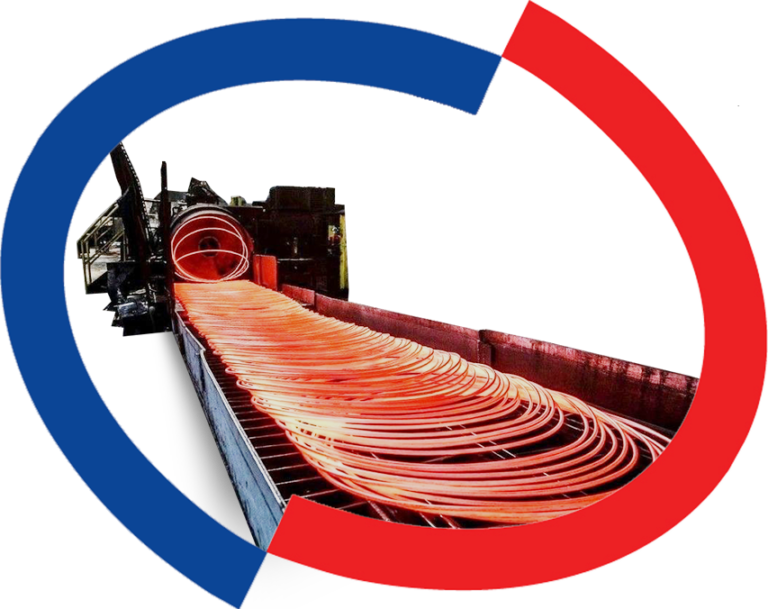
A wire rod mill is a high-speed rolling mill that converts reheated steel billets into coiled wire rod through a continuous hot-rolling process. In practice, it is one of the most important mills in long-product steel production because it sets the quality standard for downstream wire drawing, forming, and fabrication.

For steel producers, a well-designed wire rod mill is not just about output. It is about dimensional accuracy, surface quality, coil consistency, and the ability to serve different end-use grades reliably. That is why buyers, plant owners, and project teams often evaluate the entire line — from reheating to cooling — before choosing equipment or a supplier.

Direct Answer: A wire rod mill reheats billets, rolls them through a sequence of stands, guides the hot strand through a laying head, and cools it in controlled conditions before it is coiled and shipped for further processing. The output is typically supplied as coiled wire rod rather than as finished wire products.

What Is a Wire Rod Mill?

A wire rod mill is a rolling mill designed to produce wire rod from billets by hot rolling them through multiple passes in a continuous line. Modern mills are built for high speed, tight tolerances, and stable product quality — because the rod is usually rolled above 1,000°C and must still hold its shape and metallurgical properties as it travels through the line.

The output is typically wound into coils. Wire rod mills commonly produce coils weighing up to 2.5 tons, and the wire rod itself is generally supplied in small diameters for downstream use. To understand what a rolling mill is at its most fundamental level, it helps to first understand how different mill types serve different product families — wire rod being one of the most demanding.

Where It Fits in Steel Manufacturing

A wire rod mill sits after billet production and reheating. The billet is the input material, and the mill’s job is to reduce it progressively until it becomes a finished coiled rod. That rod is usually not the end product. It is a semi-finished feedstock for wire drawing, forging, and other secondary processing.

This is why the mill matters so much. If the rod leaves the line with poor surface finish, uneven cooling, or unstable dimensions, downstream processors will feel the impact immediately. Understanding the complete journey of steel through a rolling mill helps plant owners and buyers make more informed equipment and process decisions.

Wire Rod Mill Process: Step-by-Step

The wire rod mill process is continuous, fast, and tightly controlled. In a modern mill, the billet does not stop and start between every stage. Instead, it moves through roughing, intermediate, and finishing sections in one coordinated flow. Modern wire rod rolling may involve around 25 to 30 passes in a continuous mill.

Stage What Happens Why It Matters
Billet reheating Billets are heated uniformly before rolling Supports surface quality and stable deformation
Roughing mill Initial size reduction begins Prepares the billet for further rolling
Intermediate mill Further reduction and shape control Keeps the line stable at high speed
Finishing block Final dimensions are achieved Sets tolerance and product consistency
Pinch roll and laying head Guides the hot strand into coils Ensures clean coil formation
Controlled cooling Coil properties are adjusted during cooling Helps define microstructure and mechanical properties
Coiling and inspection Coil is checked, handled, and packed Confirms quality before dispatch

Step 1 — Billet Preparation and Reheating

The process begins with billet preparation. The billet must be reheated evenly before it enters the mill, because inconsistent temperature creates quality problems later in the line. Temperature control is especially important for surface condition, grain structure, and head-to-tail consistency.

In wire rod production, temperature management is not a minor detail. For smaller diameters, rolling time is longer, so the temperature drop from the head to the tail becomes more critical. The basics of reheating furnaces — from heating zones to temperature uniformity — directly determine how well the mill performs across the full rolling line.

Step 2 — Roughing Mill

The billet first enters the roughing section, where its cross-section is reduced, and its shape is prepared for the rest of the line. This stage starts the deformation process and sets up the metal for more precise reduction in the next stages.

In simple terms, roughing is the “first shaping” stage of the wire rod mill. The product is still far from its final size, but the line is already building the consistency needed for high-speed finishing.

Step 3 — Intermediate Mill

The intermediate stands reduce the section further and refine the shape before the strand reaches the finishing block. This stage is where speed synchronisation becomes critical, because the mill must keep tension, roll speed, and temperature under control across multiple stands.

A modern wire rod mill depends on stable coordination here. If the speed between stands is not managed properly, the rod can suffer from dimension variation, surface issues, or unstable coil formation later in the process. The hot rolling mill process demands continuous synchronisation — and wire rod mills push that requirement to its limit given the high operating speeds involved.

Step 4 — Finishing Block

The finishing block brings the rod to its final diameter and tolerance. This is one of the most defining parts of the wire rod mill, because it is where the line combines speed with precision. Modern wire rod mill systems are designed for high-speed production and typically incorporate reducing and sizing mills, advanced cooling technologies, and precise process control. This highlights the critical role of the finishing stage in achieving dimensional accuracy, surface quality, and consistent mechanical properties.

Step 5 — Pinch Roll and Laying Head

After the finishing stand, the rod is controlled by the pinch roll and the laying head. Their job is to guide the hot strand smoothly and form it into a consistent coil pattern as it leaves the mill. Positioned after the finishing block, the laying head controls rod tension and deposits the hot rod in a consistent coil pattern, supporting efficient cooling and coil formation.

Pinch rollers play a much more active role than many plant teams initially expect — they directly influence coil shape, tension consistency, and the way the rod enters the cooling conveyor. A poor coil pattern means handling problems, quality loss, and downtime. Good coil formation is one of the clearest signs of a well-run wire rod mill.

Step 6 — Controlled Cooling / Stelmor Cooling Conveyor

Cooling is not simply about reducing temperature. In a wire rod mill, controlled cooling helps shape the final microstructure and mechanical properties of the rod. Modern controlled cooling systems can accommodate different cooling rates for alloy, carbon, and stainless steel grades, helping manufacturers achieve the desired mechanical properties and microstructure.

That flexibility matters because different grades need different cooling rates. A line that can only cool one way is far less useful than one that can adapt to product grade, size, and performance requirements. The difference between hot rolling and cold rolling is particularly relevant here — because controlled cooling in a wire rod mill is what bridges the gap between the raw hot-rolled property and the final mechanical specification the customer needs.

Step 7 — Coiling, Inspection, and Packaging

Once cooled, the rod is inspected, handled, and prepared for dispatch. At this stage, coil shape, surface quality, and dimensional accuracy all matter because the product is about to move into downstream operations. Modern mills increasingly use automated systems to improve repeatability and section monitoring.

The value of a wire rod mill is not just that it produces metal in coil form. It produces consistent coils that downstream customers can process with less waste and fewer interruptions.

Main Components of a Wire Rod Mill

A wire rod mill is best understood as a system, not a single machine. Each component has a separate role, and all of them must work together.

  • The reheating furnace heats billets uniformly before rolling.
  • Roughing and intermediate stands progressively reduce section size and prepare the strand for finishing.
  • The finishing block delivers final dimensions at high speed.
  • Pinch roll and laying head guide the strand and lay it into clean coils.
  • A controlled cooling conveyor manages cooling rate and final rod properties.
  • Automation and control systems maintain speed, synchronisation, temperature, and section consistency across the line.

A strong wire rod mill depends heavily on automation. Reliable control systems are essential for improving size tolerances, mechanical properties, surface finish, tension control, and roll speed management. For complete wire rod and block mill equipment, Steefo supplies dedicated block mill systems for wire rod and TMT production that are built around these exact operational priorities.

What Comes Out of a Wire Rod Mill?

A wire rod mill produces hot-rolled steel rod that is collected and supplied in coil form. These coils are the form most buyers expect, because wire rod is usually moved to another plant for drawing, forging, or further forming.

In many mills, the rod falls within the small-diameter range used for long-product applications. Wire rod outputs are typically in the range of 5 mm to 12.5 mm in coil form, although actual product ranges depend on mill design and customer specifications.

It is essential to understand the difference between wire rod and finished wire products. Wire rod is the starting material; finished wire is the result of drawing and secondary processing. That is why wire rod quality must be high before it reaches downstream customers.

Uses of Wire Rod

Wire Drawing and Downstream Wire Products

The main use of wire rod is as feedstock for wire drawing units. During drawing, the rod is reduced to a smaller diameter and made into products suited for specific industrial or construction uses.

Common Applications

Wire rod is widely used to make products such as:

  • Fasteners
  • Springs
  • Wire ropes
  • Wire mesh
  • Barbed wire
  • Electrodes
  • Cable and reinforcement-related products
  • Automotive and hardware components

Industry Relevance

Different grades of wire rod serve different downstream industries. Wire rod grades can range from low carbon and mild steel to medium carbon, high carbon, and low-alloy steels — which explains why the same mill platform can support a wide variety of customer needs.

For engineering, automotive, construction, and manufacturing users, this flexibility is a major advantage. It allows the wire rod mill to serve multiple markets without changing the core production logic.

Why Process Control Matters in Wire Rod Mills

The quality of a wire rod mill product depends on the entire chain: reheating, rolling, laying, cooling, and automation. If one stage is inconsistent, the rest of the line cannot fully compensate. That is why modern mills are built around process reliability and operational flexibility.

Three factors matter most:

  • Temperature affects surface condition, rolling behaviour, and final structure.
  • Speed determines productivity and affects tension and coil formation.
  • Controlled cooling shapes the final properties and microstructure.

A practical example helps here. Wire rod coils can reach up to 2.5 tons and lengths up to 10 km, while rolling speed can go as high as 140 m/s in high-speed mills. Those figures show why control is so important: at that speed, small variations can quickly become quality issues.

Wire Rod Mill vs. Bar Mill

A wire rod mill is designed for continuous high-speed coil production. A bar mill, by contrast, is generally oriented toward straight long products. The difference sounds simple, but it changes mill layout, cooling design, finishing equipment, and handling systems.

Feature Wire Rod Mill Bar Mill
Product form Coils Straight bars
Rolling style High-speed continuous rolling Longer product handling
Key end equipment Laying head, cooling conveyor Straightening and bar handling systems
Main focus Coil quality, speed, consistency Straightness, length accuracy, and handling

This comparison helps plant teams understand why a wire rod mill is not just a smaller version of a bar mill. It is a different production concept built around a different output. For buyers evaluating how TMT bar rolling mills compare in cost and operational structure, the wire rod line adds an entirely different performance dimension.

Conclusion

A wire rod mill is a highly specialised rolling line that transforms billets into coiled wire rod through a continuous process of reheating, rolling, laying, cooling, and coiling. Its performance depends on how well each stage is controlled, because the final rod is only as strong as the process that produced it.

For manufacturers, the real value lies in consistency. A well-designed wire rod mill contributes to superior coil consistency, tighter dimensional accuracy, and smooth downstream processing for various steel grades.

Frequently Asked Questions (FAQs)

1. What is a wire rod mill used for?

A wire rod mill is used to convert heated steel billets into coiled wire rod for downstream drawing, forging, and fabrication.

2. What are the main parts of a wire rod mill?

The main parts are the reheating furnace, roughing stands, intermediate stands, finishing block, pinch roll, laying head, controlled cooling conveyor, and automation system.

3. Why is controlled cooling important?

Controlled cooling helps manage the rod’s microstructure and mechanical properties. It also allows the mill to adapt cooling rates to different grades.

4. What products are made from wire rod?

Wire rod is used to make fasteners, springs, wire ropes, mesh, barbed wire, electrodes, cable-related products, and automotive components.

5. Is wire rod a finished product?

No. Wire rod is usually a semi-finished product that is further drawn or processed before final use.

Looking for a Trusted Partner for Your Wire Rod Mill Project?

If you are planning a new wire rod mill project, upgrading an existing line, or evaluating turnkey solutions for long-product production, the right technology partner matters. The Steefo Group is a leading rolling mill manufacturer in India with manufacturing facilities in Changodar, Ahmedabad, and a strong focus on rolling mill design, manufacturing, and turnkey project execution.

As a trusted name for plant engineering and rolling mill projects in Ahmedabad and across the globe, Steefo Group supports clients with rolling mill plants, wire rod lines, and turnkey solutions for steel plants. Beyond supplying equipment, the company works closely with customers to address technical, operational, and project execution requirements.

Talk to us at +91 87589 98607 or email us at marketing@thesteefogroup.com to discuss your wire rod mill requirements and explore solutions designed for productivity, quality, and long-term performance.

Categories
Blogs Rolling Mill

The efficiency of modern metal production relies heavily on hidden heroes behind the scenes. High-quality materials and chemical additives dictate the success of every major manufacturing cycle. A slight deviation in these raw materials can ruin an entire batch of molten metal.

Plant managers know that controlling operational costs starts with intelligent procurement. The materials used daily directly influence your end product, energy consumption, and maintenance schedules.

This comprehensive guide will help you navigate the complex world of material selection. You will discover the different categories of essential materials, their specific applications, and a clear framework for making better purchasing decisions.

What Are Steel Plant Consumables?

Steel Plant Consumables are expendable materials, chemicals, and specialised components that are regularly depleted and replaced during the steelmaking process. They include ferroalloys, refractory materials, lubricants, and casting components. These materials are essential for maintaining chemical balance, protecting heavy equipment from extreme temperatures, and ensuring smooth daily production in a steel plant.

What Are Steel Plant Consumables

To truly optimise a facility, operators must first classify their inventory accurately. These materials form the backbone of everyday metallurgical processes.

1. Core Definition and Purpose

Steel plant consumables refer to materials exhausted through normal production cycles. They do not form the permanent machinery but are critical to the chemical and physical processes.

Their primary purpose is to facilitate melting, refining, casting, and shaping. Without a steady supply of these items, a steel rolling mill simply cannot operate. They act as the catalyst and protector for heavy machinery.

2. The Difference Between Consumables and Spares

People often confuse consumable items with spare parts. This is a crucial distinction for inventory management.

Spares are permanent machine components replaced only upon failure or heavy wear. Examples include gears, motors, and conveyor belts.

Consumables are expected to be used up rapidly. They are purchased in bulk and factor directly into the per-ton cost of the final product.

3. The Critical Role in Daily Operations

Production continuity depends entirely on reliable material availability. A sudden shortage of ramming mass or ferroalloys will immediately halt furnace operations.

Product quality is also deeply tied to these materials. The chemical properties of the final output rely on pure, high-grade additives.

Process efficiency improves when operators use top-tier materials. Good materials reduce the required melting time and lower overall energy consumption.

Major Types of Steel Plant Consumables

A typical manufacturing facility requires a vast array of specialised items. We can group these into four distinct categories based on their application.

1. Essential Ferroalloys in Steelmaking

Ferroalloys are metal alloys containing iron and a high proportion of one or more other elements. Plant workers blend these alloys into the hot iron to lock in the chemical balance required.

  1. Ferro Silicon: This acts as a powerful deoxidiser. It removes oxygen from the molten metal to prevent blowholes in the final product.
  2. Silico Manganese: This adds toughness and strength. It is highly favoured in structural material production because it cleans the liquid bath efficiently.
  3. Ferro Manganese: This counters the negative effects of sulfur. It acts as a desulfurizer and greatly improves the tensile strength of the metal.

These alloys dictate the absolute quality and grade of the output.

2. High-Temperature Refractory Materials

Extreme temperatures require formidable containment strategies. Refractory materials line the furnaces and ladles to protect the outer steel shells.

  • Silica Ramming Mass: This is a crucial lining material for induction furnaces. It withstands intense thermal shocks and prevents molten metal from breaching the coil.
  • Refractory Bricks: These line the walls of blast furnaces and ladles. They must resist extreme heat and chemical corrosion from acidic slag.
  • Castables: Operators use these unshaped materials to patch up worn linings quickly.

Proper refractory selection prevents catastrophic equipment failure.

3. Casting and Material Handling Gear

Once the metal reaches its chemical composition, it must be safely shaped and transported.

  • Copper Mould Tubes: These play a critical role in continuous casting by shaping molten steel into the desired form as it begins to solidify. They must offer excellent thermal conductivity, dimensional accuracy, and resistance to wear under extreme heat.
  • Tundish Tips and Nozzles: These components control the flow of molten steel from the tundish to the mould. They help regulate casting speed, improve stream stability, and reduce the risk of contamination or turbulence during the process.
  • Slag Pots: These massive containers transport waste byproducts away from the furnace area. They must be highly durable to withstand the aggressive nature of liquid slag.

High-quality casting and material handling gear directly reduces surface defects and supports better consistency in the final product.

4. Maintenance and Operational Essentials

Heavy machinery in a steel rolling mill operates under immense pressure and friction. Daily maintenance items keep these machines running smoothly.

  • Industrial Lubricants: Specialised greases and oils prevent metal-on-metal friction in high-temperature zones.
  • Wear Components: Items like shear blades and guide rollers wear down fast and need frequent replacement.
  • Testing Probes: Expendable temperature probes and samplers ensure precise quality control during the melt.

Neglecting these routine items leads to sudden and expensive machinery breakdowns.

How These Consumables Impact Steel Plant Performance

Every raw material introduced into the system has a ripple effect. The choices made by procurement teams directly influence the plant’s bottom line.

1. Direct Effect on Final Steel Quality

Chemical consistency is the hallmark of a premium manufacturer. High-grade steel plant consumables ensure that every batch meets metallurgical standards.

Cheap ferroalloys often contain unwanted impurities like excessive phosphorus. This leads to brittle products and rejected batches.

High-grade casting molds actively minimize exterior flaws by preventing severe cracks and scale formation on the final product. This ensures a clean surface finish, which is critical for high-end applications.

2. Boost to Production Efficiency

A well-supplied plant experiences significantly reduced downtime. When refractory materials hold up longer, furnaces require fewer cooling and relining cycles.

Better furnace performance directly links to the quality of the ramming mass. A stable lining improves induction efficiency, meaning the metal melts faster.

Improved operational reliability means operators spend less time troubleshooting. Predictable wear rates allow for perfectly timed maintenance schedules.

3. Reduction in Overall Production Costs

Many buyers assume that cheaper materials save money. The reality in a steel plant is often the exact opposite.

Lower maintenance expenses naturally follow the use of superior products. When machines run smoothly, you spend less on emergency repairs and labour.

Better materials lead to reduced material wastage. Precise temperature readings from high-quality probes prevent overheating and energy waste.

The long-term return on investment always favours premium supplies.

Performance Metric Impact of Low-Quality Materials

Impact of High-Quality Materials

Furnace Uptime Frequent relining needed Extended campaign life
Energy Usage High (due to heat loss) Optimised and efficient
Product Rejection High (chemical impurities) Minimal to zero
Overall ROI Poor Excellent

A Guide to Choose the Right Steel Plant Consumables

Selecting the right materials requires a strategic approach. Procurement must look beyond the initial price tag.

1. Evaluate Material Quality

Strict chemical composition must be the absolute priority. Always request a detailed chemical analysis certificate before accepting any ferroalloy shipment.

Performance standards should align with international benchmarks. Ensure the refractory materials match your required thermal ratings.

Consistency is just as vital as peak quality. A supplier must deliver the same grade in batch one and batch one hundred.

2. Match Plant-Specific Requirements

Every facility operates differently. Your choices must reflect your unique setup.

Consider the furnace type first. An electric arc furnace requires different refractory solutions compared to an induction furnace.

Production capacity dictates your volume requirements. High-output plants need suppliers capable of large, uninterrupted deliveries.

Always keep the end-product requirements in focus. Automotive-grade products require far purer additives than standard construction rebar.

3. Assess Supplier Reliability

Your facility is only as reliable as your supply chain.

Strict quality assurance protocols are non-negotiable. Ask potential vendors about their internal testing and validation processes.

Strong technical support separates good suppliers from great ones. The right vendor will help you troubleshoot lining failures or chemistry imbalances.

Delivery capabilities must be bulletproof. A delayed shipment of critical steel plant consumables can cost millions in lost production time.

4. Focus on Lifecycle Value

Do not evaluate materials based purely on the upfront invoice.

Calculate the actual performance versus cost. Paying a higher upfront price for a durable lining that survives dozens of extra melts will ultimately save you money over time.

Look for long-term operational benefits. Products that lower your energy bills provide value far beyond their purchase price.

Costly Mistakes to Avoid During Procurement

Even experienced buyers fall into common traps. Avoiding these errors will dramatically improve your operational efficiency.

1. The Cheap Price Trap

This is the most frequent and damaging mistake. Buyers often select the lowest bidder for bulk items like silica mass or ferro silicon.

Cheap materials usually harbour impurities. These impurities force operators to use more energy to clean the melt, completely erasing the initial savings.

Low-grade moulds crack faster, leading to dangerous metal leaks and ruined batches. Always measure cost per ton of liquid metal produced, not just the unit price.

2. System Compatibility Mismatches

Materials must match the existing physical and chemical environment.

Using an acidic refractory lining when producing highly basic slag will destroy the furnace walls rapidly.

Similarly, purchasing generic lubricants for high-temperature zones in a steel rolling mill will result in instant vaporisation and bearing failure.

3. Poor Supplier Quality Standards

Blindly trusting a new vendor without verification is a huge risk.

Always demand a trial batch before committing to a bulk contract. Test the materials thoroughly in a controlled environment.

Failing to audit the supplier’s manufacturing facility often leads to inconsistent deliveries later.

4. Inadequate Inventory Planning

Consumables run out fast. Poor tracking leads to sudden, catastrophic shortages.

Depending solely on lean, immediate deliveries for vital materials like ferroalloys makes your production line highly susceptible to international market disruptions.

Maintain a healthy safety stock based on your historical consumption rates to protect your continuous operations.

The Value of a Trusted Supplier for Your Steel Rolling Mill

At The Steefo Group, we know that heavy machinery needs the right support system. Partnering with a dedicated vendor transforms your operational capabilities.

1. Consistent Product Quality

A trusted partner removes the guesswork from procurement. You never have to worry about sudden drops in material purity.

This consistency allows your engineers to standardise their melting recipes. Predictability is the ultimate key to profitable manufacturing.

2. Reliable Supply Chain Support

Strong vendors hold sufficient buffer stock for their best clients. They absorb the shock of market shortages so your steel plant keeps running.

This reliability means your procurement team can focus on strategy rather than constantly chasing delayed trucks.

3. Technical Expertise

Top-tier vendors work so closely with your plant that they essentially function as an internal branch of your engineering department.

When a new defect appears in your steel rolling mill, a knowledgeable vendor can identify if a specific consumable is the root cause. They offer actionable solutions to optimise your usage rates.

4. Long-Term Operational Benefits

Strategic partnerships lead to continuous improvement. Trusted vendors will introduce you to next-generation materials that boost your output.

They help you transition to more energy-efficient practices, ensuring your facility remains competitive in a tough global market.

Conclusion

The success of any modern manufacturing facility lies in the details. Steel plant consumables are far more than just background inventory. They are the driving force behind product quality, furnace longevity, and overall profitability.

A careless approach to procurement leads to wasted energy, rejected batches, and severe equipment damage. Operators must prioritise chemical purity, thermal resistance, and long-term performance over a cheap upfront price tag.

By understanding the function of ferroalloys, refractories, and casting gear, plant managers can dramatically improve their operational metrics. Every single additive must serve a precise purpose to keep the steel rolling mill running at maximum efficiency.

Establishing a dependable procurement network is the last critical step in ensuring your plant’s operational success. When you align your facility with experts who understand the harsh realities of metal manufacturing, you guarantee your plant’s future success. Take control of your inventory today and watch your production metrics soar.

Frequently Asked Questions About Steel Plant Consumables

Plant operators often raise similar questions regarding material optimisation. Here are clear answers to the most common queries.

1. What are the most commonly used consumables in a steel plant?

The highest volume items are usually refractory lining materials and ferroalloys. Silica ramming mass, ferro silicon, silico manganese, and ingot moulds make up the bulk of daily consumption. The facility relies on a steady stream of industrial lubricants and precision cutting instruments to keep production moving.

2. How do these materials affect steel quality?

Ferroalloys directly alter the chemical and physical properties of the metal. They add strength, remove trapped oxygen, and eliminate harmful sulfur. Refractory materials keep the liquid metal pure by preventing contamination from the furnace walls.

3. What separates consumables from spare parts?

Consumables are items depleted and replaced regularly as a natural part of the production cycle. Spare parts are permanent machinery components that are only replaced when they break down or wear out over a long period.

4. How often should procurement review requirements

Facilities should review their material requirements every quarter. This allows the team to adjust volumes based on changing production goals. It also provides an opportunity to evaluate the performance of current vendors and explore newer, more efficient materials on the market.

5. What makes a reliable supplier?

A reliable vendor provides consistent chemical purity, punctual delivery schedules, and robust technical support. They must be able to prove their quality through strict testing certificates. Furthermore, they should act as problem-solvers who help you optimise your daily consumption.

Partner with a Trusted Steel Plant Consumables Supplier

Are you ready to optimise your production line and eliminate costly downtime? Securing premium-grade raw materials serves as the bedrock for any high-performing production environment. You need a partner who truly grasps the harsh realities of modern metal manufacturing.

The Steefo Group stands as a leading hot rolling mill manufacturer in India. We understand what it takes to keep your heavy machinery running at peak capacity. Our team provides premium solutions and expert guidance tailored directly to your specific operational needs.

Do not let substandard materials disrupt your daily output. Elevate your plant performance with reliable supplies that protect your bottom line.

Connect with us today at +91 87589 98607 or email us at marketing@thesteefogroup.com to discuss your inventory requirements. Let our industry experts help you secure a robust supply chain. Boost your efficiency and secure your competitive edge in the market now.

Categories
Blogs Rolling Mill

The environment inside a high-speed hot rolling mill is incredibly fast and demanding. Red-hot steel moves down the production line at blistering speeds. Even a microsecond delay can cause catastrophic material pile-ups.

Seamless material flow is the backbone of plant throughput. The critical transition from the finishing stands to the cooling beds determines your final daily output. Conventional shears simply cannot keep up with today’s high-speed production lines.

What Do Automated Shearing Machines Do?

Automated shearing machines are advanced precision metal cutting systems that use programmable logic controllers and smart sensors to cut moving steel at exact lengths without stopping the production line. These intelligent systems eliminate bottlenecks and transform raw metal into finished products seamlessly.

Let us explore how automation turns these heavy-duty machines into highly predictable profit drivers.

The Evolution of Shearing Machines in Modern Steel Plants

Steel manufacturing has transformed drastically over the last few decades. Upgrading from manual interventions to fully automated setups is now mandatory for survival. You must adopt advanced technologies to remain competitive.

Early steel plants relied heavily on basic mechanical leverage. Today, modern operations connect continuous casting directly to intelligent cutting systems.

Why Manual Mechanical Shears Fall Behind

Manual and semi-automated mechanical shears rely heavily on human intervention. Operators must manually trigger levers to cut the incoming metal.

These slow lever responses inevitably cause severe production bottlenecks. Human reaction times cannot match the speed of a high-capacity rolling mill.

This delay creates inaccurate cuts and inconsistent lengths. These errors often result in structural bar deformities that fail quality control checks. Your rejection rates climb, and your profits shrink.

How Automation Redefines Continuous Mill Operations

Automation introduces true continuous non-stop processing on your factory floor. The metal flows from the furnace to the cooling bed without a single pause.

Automated machinery adapts instantly to sudden changes in rolling mill speed. If the upstream stands speed up, the cutting blades accelerate to match the pace.

This creates a synchronised dance of heavy machinery. It completely removes the guesswork from metal cutting accuracy and ensures optimal plant throughput.

Technical Systems Powering Automated Shearing Machines

The true magic of automation lies inside the hardware and software architecture. Advanced electronics take complete control of the mechanical components.

Understanding these internal systems helps plant engineers optimise their daily cycle time.

1. PLC Integration for Split-Second Blade Synchronisation

Programmable Logic Controllers (PLCs) act as the brain of modern shearing machines. These industrial computers calculate the exact linear speed of the incoming hot steel bar.

PLCs use advanced closed-loop feedback to process data in milliseconds. They ensure perfect synchronisation between the blade movement and the moving metal.

This high-speed blade actuation guarantees a perfectly clean cut every single time. Continuous line speeds remain stable because the cutting mechanism never lags behind.

2. Smart Sensors for Exact Crop Optimisation

Infrared pyrometers and laser sensors monitor the steel continuously. They detect the exact head and tail ends of the hot billets as they approach the crop shears.

This real-time measurement drives aggressive crop optimisation. The sensors tell the blade exactly where to cut to remove only the defective ends.

Precise cutting prevents excessive metal loss during the cropping phase. You retain more usable steel and dramatically improve your overall yield.

3. Intelligent Human-Machine Interface (HMI) for Real-Time Data Display

HMI systems give operators a crystal-clear view of the production floor. These digital touchscreens display real-time metrics about blade health and daily cut counts.

Operators can monitor the entire cutting process from a safe distance. They never have to step near the active hot zone to check machine status.

Intelligent HMIs also display specific diagnostic error codes. This instantly points maintenance teams to the problem and lowers overall troubleshooting time.

Direct Production Benefits for Billet and TMT Manufacturers

Upgrading your plant machinery requires a solid business case. The financial return on investment is the most critical factor for plant owners.

Automated shearing machines deliver massive cost savings and immediate revenue boosts.

1. Higher Material Yield with Minimal End-Crop Waste

Precise automated cuts maximise the total number of sellable TMT bars per billet. Yield optimisation is the fastest way to increase your profit margins.

Let us look at a practical steel industry metric.

Imagine a hot rolling mill producing 500,000 tons of steel annually.

Reducing scrap waste by just 0.5 per cent saves 2,500 tons of steel every single year. This fraction of a per cent translates into millions in recovered revenue.

2. Uninterrupted High-Speed Rolling Mill Performance

Automatic flying shears prevent devastating material blockages on the mill floor. They cut the steel while it is moving and instantly return to their starting positions.

This creates a smooth and predictable cycle time. The continuous flow of cut steel keeps the downstream processing moving without delays.

Consistent performance ensures the entire cooling bed operates at peak capacity. You get more finished products out the door every single shift.

3. Enhanced Dimensional Accuracy Across Every Batch

Automated controls maintain strict compliance with global construction standards. Builders demand exact bar lengths for their engineering projects.

Smart shearing machines deliver unparalleled metal cutting accuracy across every single batch. The finished TMT bars are uniform and ready for market.

This precision eliminates the need for manual secondary trimming processes. You save labour costs and speed up your final delivery timelines.

Manual vs. Automated Shearing Machines: Performance Metrics

Metric

Manual Shearing Machine

Automated Shearing Machine

Cut Accuracy Highly variable Millimeter precision
Scrap Generation High end-crop waste Optimised minimum waste
Mill Synchronisation Poor Instant adaptation
Labor Requirement High manual intervention Minimal remote monitoring

How Predictive Maintenance Protects Heavy-Duty Blade Lifespans

Heavy-duty cutting machinery undergoes immense physical stress daily. Friction and extreme heat constantly degrade the internal components.

Automation introduces predictive maintenance to protect your investment. Plant engineers can fix problems before a breakdown happens.

Vibration and Temperature Sensors for Wear Analysis

Automated systems track the physical stress on shearing machines during heavy operation. Sensors constantly measure bearing vibrations and motor temperatures.

Software compares this data against safe operational thresholds. It sends immediate alerts to maintenance crews if a machine runs too hot or shakes too much.

This proactive approach allows you to schedule repairs during planned downtime. You successfully prevent total blade failure and avoid massive repair bills.

Automated Lubrication Systems That Reduce Human Error

Proper lubrication is essential for high-speed billet shears. Timed mechanical oiling extends the lifespan of internal gears and moving knife holders.

Automated pumps deliver the required amount of grease at specific intervals. The system guarantees that no moving part runs dry.

Contrast this with manual lubrication schedules that often get missed during hectic shifts. Automated oiling removes human error and keeps the machine running smoothly.

Boost Safety and Operational Efficiency on the Mill Floor

A modern rolling mill poses severe hazards to floor workers. Moving metal, extreme heat, and flying debris are constant threats.

Automation drastically improves workforce safety and helps you meet strict regulatory compliance.

Remote Operator Booths Away From Hazardous Zones

Automated controls allow personnel to manage the equipment from enclosed climate-controlled spaces. Operators rely on cameras and HMIs instead of standing next to the machinery.

This distance keeps workers safe from flying sparks and hot scale debris. The risk of accidental burns drops to nearly zero.

Emphasising remote operations leads to a drastic reduction in workplace injuries. Your employees feel safer, and your insurance premiums often decrease.

Instant Shut-Off Triggers During Material Jams

Cobbles and material jams are an unfortunate reality in steel manufacturing. Loop sensors act as the first line of defence when a blockage occurs.

These sensors identify immediate line blockages and halt the shearing machines instantly. The system reacts much faster than any human pressing an emergency stop button.

This automated safety step protects neighbouring hot rolling mill equipment from collateral damage. You save hundreds of thousands of dollars in secondary equipment repairs.

Upgrade Your Existing Production Line With Automation

Plant owners often face a difficult decision when modernising. You must choose between a factory retrofit and a completely new turnkey installation.

Old mechanical shearing machines can often receive powerful PLC retrofits. Engineers can install new servo motors and sensors onto your existing heavy iron frames.

This approach extends your plant capabilities without initial capital expenditure. You gain the benefits of automated crop optimisation and high-speed cutting for a fraction of the cost of new equipment.

However, older frames may eventually limit your maximum production speed. Consult with industry engineers to determine if a retrofit or a new installation offers the best long-term return.

Conclusion

Automation transforms shearing machines from high-risk bottlenecks into predictable profit drivers. Upgrading your cutting systems ensures continuous casting flow, drastic scrap reduction, and guaranteed dimensional accuracy. You protect your workers while maximising your daily plant throughput and total yield.

Stop letting outdated machinery dictate your production limits. Consult with specialised rolling mill engineering experts today to audit your current layout and discover the perfect automation solution for your plant.

Frequently Asked Questions

1. What is the main function of shearing machines in a rolling mill?

Automated shearing machines cut hot steel billets and TMT bars to exact lengths during continuous production. They use smart sensors to optimise cuts, minimise scrap waste, and ensure smooth material flow across the hot rolling mill floor.

2. How does automation improve billet crop shear efficiency?

Automated systems use programmable logic controllers and infrared sensors to detect the precise ends of moving steel. This real-time synchronisation guarantees clean cuts, reduces end-crop waste, and prevents downstream blockages.

3. Can you retrofit older hot rolling mill cutting equipment?

Yes, plant engineers can upgrade older mechanical shearing machines with modern PLC retrofits, servo motors, and automated lubrication systems. This cost-effective solution increases cutting accuracy and plant throughput without requiring a completely new installation.

4. Why is predictive maintenance important for metal cutting blades?

Continuous high-speed cutting creates significant physical stress. Predictive sensors monitor motor temperatures and blade vibrations in real time. This alerts maintenance teams to potential wear early and prevents total machine failure during active shifts.

5. How do automated flying shears increase worker safety?

They allow operators to control heavy machinery from remote, climate-controlled booths. This removes personnel from hazardous active zones and drastically reduces the risk of workplace injuries caused by hot metal, flying scale, and moving parts.

6. How do automated shearing machines impact long-term plant ROI?

By minimising end-crop scrap and eliminating manual secondary trimming, these systems directly maximise material yield. The drastic reduction in unplanned operational downtime and material waste ensures rapid capital recovery for the hot rolling mill.

7. What ensures cutting precision when a rolling mill runs at peak speed?

Advanced PLC integration handles split-second blade synchronisation. High-speed closed-loop feedback systems calculate the exact linear speed of the moving steel bar, ensuring the blade matches the identical pace required for millimetre-perfect cuts.

Transform Your Mill Floor with Steefo Engineering Excellence

In a highly competitive global market, minor equipment delays can quickly drain your daily profits. The Steefo Group designs robust, high-speed shearing machines and integrated hot rolling mill systems built specifically to eliminate production bottlenecks. Our role goes far beyond delivering industrial hardware. Our team delivers customised turnkey engineering solutions that maximise material yield, reduce scrap waste, and lower long-term operational costs.

Our advanced automated components sync seamlessly with your continuous operations to protect your workforce and boost cutting precision. Whether your plant requires a powerful technical retrofit or a completely new turnkey facility design, our decades of engineering expertise ensure your investment drives immediate financial returns.

Contact our specialised engineering consultant at +91 87589 98607 or email us at marketing@thesteefogroup.com to schedule a comprehensive facility audit. Let us build a more profitable, safer, and highly efficient production future together.

Categories
Blogs Rolling Mill

Rolling mills play an indispensable role in industries such as construction, automotive, and infrastructure, producing essential materials like bars, rods, sheets, and coils. Investing in a turnkey rolling mill project is a major decision, and it is crucial to understand the various costs involved to make an informed and strategic choice.

This blog post will explore the cost breakdown of turnkey rolling mill projects, providing in-depth insights into every phase of the project. It will also highlight how turnkey solutions can streamline your project execution, ensuring that you get value for every dollar spent.

What Are Turnkey Solutions for Rolling Mills?

Before diving deep into the cost breakdown, it’s important to understand the concept of a turnkey solution for rolling mills. A turnkey solution refers to a comprehensive service package where the rolling mill manufacturer provides everything from design, procurement, installation, and commissioning to after-sales service. The term “turnkey” signifies that the project is delivered ready for immediate operation without the client needing to manage multiple contractors or suppliers.

For a rolling mill, turnkey solutions offer a hassle-free approach by providing:

  • Design and engineering services to customise the mill to meet specific needs.
  • Procurement of equipment and materials.
  • Installation and commissioning, ensuring everything works as expected.
  • Project management to keep everything on track.
  • After-sales services include maintenance, training, and support.

Now that we understand what turnkey solutions entail, let’s break down the key components of cost in a turnkey rolling mill project.

Design and Engineering Costs

The design and engineering phase is one of the most critical stages of any turnkey rolling mill project. This is where the blueprint of the entire facility is developed. It covers everything from plant layout to equipment specifications, ensuring that the mill will operate efficiently, safely, and within budget.

Factors Affecting Design and Engineering Costs:

  • Complexity and Scale of the Project: The more intricate and large the rolling mill, the higher the design and engineering costs. Projects that require advanced technologies, such as automated control systems or specialised rolling techniques, will require more detailed engineering, thus increasing costs.
  • Customisation Requirements: If the mill needs to be customised to produce specific products, the design phase will take longer and incur higher costs. Custom designs usually require additional engineering hours to ensure the mill meets production targets while maintaining optimal operational efficiency.
  • Environmental and Safety Considerations: Rolling mills must adhere to strict safety and environmental standards. Designing the mill in compliance with these regulations may require more detailed planning and specialised design adjustments, which could further increase costs.

Estimated Cost:

Typically, design and engineering costs account for 5% to 10% of the total project cost. However, if the rolling mill requires significant customisation or additional complexity, these costs may exceed the normal range.

Equipment and Machinery Costs

The equipment and machinery required to operate the rolling mill are the core of the project. This is the most expensive part of the investment, as rolling mills require highly specialised equipment to produce high-quality rolled products.

Key Equipment in a Rolling Mill:

  • Reheating Furnace: Used to heat the raw materials (such as billets) before they are fed into the rolling stands. This equipment is crucial in achieving the desired material properties.
  • Rolling Stands: These are the heart of the rolling mill, where the material is shaped and reduced to the desired thickness. Rolling stands come in different configurations depending on the product being manufactured, such as bar mills, wire rod mills, or section mills.
  • Coiling and Cooling Systems: After the rolling process, materials need to be cooled and coiled to make them more manageable for transportation and storage. These systems ensure that the finished products are handled efficiently.
  • Auxiliary Equipment: This includes the electrical systems, motors, drives, material handling systems, and automation equipment that enable smooth operation.

Factors Influencing Equipment Costs:

  • Type of Rolling Mill: Hot rolling mills typically require more sophisticated equipment due to the high temperatures and more extensive processes involved. Cold rolling mills are generally less expensive but still involve specialised machinery.
  • Automation and Technology: Fully automated mills with sophisticated control systems tend to cost more. The integration of advanced technologies such as artificial intelligence and machine learning for predictive maintenance and process optimisation can significantly raise the equipment costs.
  • Supplier and Brand: The cost of equipment also depends on the brand and quality. Reputed rolling mill manufacturers, like The Steefo Group, offer high-quality, durable equipment that tends to come with a higher price tag, but this investment ensures long-term reliability.

Estimated Cost:

Equipment costs usually make up 40% to 60% of the total cost of a turnkey rolling mill project. The specific percentage depends on the type of equipment, automation level, and scale of the mill.

Installation and Commissioning Costs

Once the equipment is procured, the next step is to install it and ensure it operates efficiently. Installation includes everything from setting up the machinery to connecting electrical systems and integrating automation controls. Commissioning, on the other hand, is the process of testing the equipment to ensure that everything functions as per the design specifications.

Factors Affecting Installation and Commissioning Costs:

  • Site Preparation: If the factory site requires significant modifications (such as reinforcement of structures or new electrical infrastructure), installation costs will rise.
  • Labour and Expertise: Skilled labour is required for the installation of rolling mill equipment, particularly when it comes to sophisticated machinery. Experienced technicians and engineers are essential for ensuring that the installation is done correctly.
  • Testing and Calibration: Once installed, the machinery needs to be tested and calibrated to meet the production standards. This step ensures that the mill produces high-quality products while maintaining efficiency.

Estimated Cost:

Installation and commissioning typically account for 10% to 15% of the total project cost. The exact cost will depend on the complexity and size of the rolling mill.

Procurement Costs

Procurement costs involve the acquisition of all materials, tools, and systems necessary for the mill’s construction. This includes purchasing raw materials like steel, alloys, and electrical components, as well as specialised tools and systems needed for the smooth operation of the rolling mill.

Key Procurement Considerations:

  • Material Quality: The quality of raw materials directly affects the durability and efficiency of the rolling mill. High-quality materials may cost more initially but lead to fewer repairs and downtime in the long run.
  • Supplier Network: Working with reliable and cost-effective suppliers can significantly reduce procurement costs. However, purchasing from multiple suppliers can add complexity and lead to higher logistics costs.
  • Lead Time and Shipping: If materials are sourced globally, shipping costs, customs duties, and lead times can further increase procurement expenses.

Estimated Cost:

Procurement typically accounts for 10% to 20% of the overall project cost, depending on the specific materials required and where they are sourced from.

Project Management and Overhead Costs

Project management is essential for ensuring that a turnkey rolling mill project progresses on schedule and within budget. Project managers coordinate between design, procurement, installation, and commissioning teams to ensure smooth execution.

Key Aspects of Project Management:

  • Scheduling and Coordination: Project managers handle timelines, resources, and task coordination to ensure that all phases of the project align.
  • Quality Control: Ensuring the project meets all quality standards is crucial. Project managers work closely with the installation and engineering teams to guarantee that the equipment and systems are installed according to design specifications.
  • Risk Management: Project managers must be prepared to handle any unforeseen challenges, such as delays, cost overruns, or technical issues.

Estimated Cost:

Project management and overheads generally represent 5% to 10% of the total project cost, depending on the project scale and complexity.

Electrical and Automation Systems Costs

Electrical and automation systems are integral to the operation of modern rolling mills. These systems include power distribution, control panels, PLC systems, SCADA systems, sensors, and drives that enable the mill to operate efficiently.

Key Electrical and Automation Components:

  • Control Systems: PLC and SCADA systems enable real-time monitoring and control of the mill’s operations. These systems ensure that the mill runs smoothly and that any issues are detected early.
  • Automation Equipment: Automated handling systems, such as robot arms, material transfer systems, and roll change equipment, can drastically improve production efficiency.
  • Safety and Monitoring Systems: Ensuring the safety of the mill workers and preventing any potential damage to the equipment is essential. This involves installing safety systems, alarms, and sensors.

Estimated Cost:

Electrical and automation systems typically account for 5% to 15% of the total turnkey rolling mill project cost. The specific percentage depends on the level of automation and the complexity of the electrical systems.

Maintenance and After-Sales Services

Once the rolling mill is operational, ongoing maintenance is essential to ensure it continues to function efficiently. Regular maintenance minimises downtime, prevents costly repairs, and ensures that the mill operates at its full capacity.

Key Considerations for Maintenance Costs:

  • Spare Parts: Rolling mills require various spare parts, including rolls, motors, bearings, and sensors. Ensuring a steady supply of spare parts is essential for minimising downtime.
  • Service Contracts: Many manufacturers offer service contracts for regular maintenance, which may include preventive maintenance, inspections, and equipment overhauls.
  • Long-Term Support: After-sales services, including training, technical support, and troubleshooting, help ensure the long-term success of the mill.

Estimated Cost:

Maintenance and after-sales services can cost 5% to 10% annually, based on the terms of the service contract and the level of support required.

Miscellaneous Costs

There are several other costs associated with a turnkey rolling mill project that may not be immediately apparent but are essential to consider.

Key Miscellaneous Costs:

  • Land and Site Acquisition: If the factory site needs to be purchased, this can significantly increase project costs.
  • Permits and Licensing: Obtaining the necessary permits and licenses for operating the mill can involve additional costs, particularly if there are local regulations to adhere to.
  • Insurance and Contingency: Insurance coverage and contingency funds are necessary to cover unforeseen risks or issues that may arise during the construction and operation phases.

Estimated Cost:

Miscellaneous costs usually account for 5% to 10% of the total project cost.

Conclusion

Setting up a turnkey rolling mill is a substantial investment, but with the proper planning and understanding of the cost breakdown, it can be an immensely profitable venture. From design and engineering to equipment procurement, installation, and after-sales services, each component plays a crucial role in the success of the project.

Working with experienced rolling mill manufacturers like The Steefo Group ensures that the project is managed effectively and that the final product meets your specifications. By carefully considering and managing each cost element, businesses can achieve a turnkey solution that delivers long-term value and ensures efficient mill operation.

Remember that while turnkey solutions come with a higher upfront cost, they save time, reduce project complexity, and minimise risks. This approach allows businesses to focus on production, knowing that their rolling mill is in capable hands.

Frequently Asked Questions

1. What are the benefits of choosing a turnkey rolling mill project over building a mill from scratch?

Choosing a turnkey rolling mill project offers several advantages, including reduced complexity, time savings, and minimised risk. With a turnkey solution, you get a fully integrated system where the manufacturer handles every aspect of the project, from design and procurement to installation and maintenance. This ensures faster commissioning, reduced project delays, and cost-effective operations. Additionally, turnkey providers offer expert consultation, reducing the need for in-house technical expertise.

2. How can I determine if my business needs a hot rolling mill or a cold rolling mill for a turnkey project?

The choice between a hot rolling mill and a cold rolling mill depends on the final product and its intended application. Hot rolling mills are typically used for producing thick products like plates, beams, or bars at high temperatures, while cold rolling mills are used for thinner, high-precision products such as sheet metal, coils, and strips. Understanding the type of material you want to produce, its required thickness, and its application will help you make the right decision for your turnkey rolling mill project.

3. What is the typical timeline for a turnkey rolling mill project to be completed?

The timeline for completing a turnkey rolling mill project varies depending on several factors, such as the project scale, customisation requirements, and the complexity of equipment. On average, a turnkey rolling mill project can take anywhere from 12 to 24 months to complete. This includes the phases of design, procurement, installation, commissioning, and testing. Larger or more specialised mills may require more time to install and fine-tune the equipment to meet production goals.

4. Can I expect warranty coverage for the equipment used in a turnkey rolling mill project?

Yes, most reputable rolling mill manufacturers offer warranty coverage for the equipment supplied in a turnkey rolling mill project. The warranty typically covers any defects in material or workmanship and ensures that the equipment functions as promised. Warranty periods may vary depending on the manufacturer and the type of equipment, but generally range from 1 to 3 years. Additionally, many suppliers offer extended service contracts and after-sales support to ensure long-term maintenance and performance.

5. How does automation in a turnkey rolling mill improve production efficiency?

Automation in a turnkey rolling mill significantly enhances production efficiency by reducing human intervention, minimising errors, and optimising machine performance. Automated systems, such as PLC controls and SCADA systems, allow for real-time monitoring and data-driven adjustments, leading to consistent product quality. Robotic material handling, automatic roll changes, and precision control over the rolling process also reduce downtime and improve throughput. By integrating advanced automation, businesses can lower operational costs while maximising output.

Ready to Invest in a Turnkey Rolling Mill Solution?

If you’re looking to optimise your manufacturing process and ensure long-term success, a turnkey rolling mill solution is the key to achieving efficiency, cost-effectiveness, and seamless production. Whether you’re expanding your operations or starting a new project, partnering with an experienced rolling mill manufacturer guarantees high-quality machinery, expert project management, and support from start to finish.

Don’t let the complexity of setting up a rolling mill overwhelm you. The Steefo Group offers comprehensive turnkey solutions that handle every aspect of your project, from design and procurement to installation and maintenance. With decades of experience and a commitment to excellence, we deliver results that align with your business goals.

Contact us today at +91 87589 98607 or write to us at marketing@thesteefogroup.com to learn how we can bring your rolling mill project to life and set you up for success. Let’s build your future together, with a customised solution tailored to your needs!

Categories
Blogs Rolling Mill

Choosing the right rolling mill for your business is one of the most important decisions you will make in the steel production process. The performance and efficiency of the rolling mill will affect the quality of your products, the speed of your manufacturing process, and ultimately, your business’s bottom line. Whether you are producing plates, bars, rods, or coils, selecting the right mill requires a comprehensive understanding of your production needs, material requirements, and product specifications.

In this blog post, we will guide you through the factors that matter when selecting the right rolling mill, with a particular focus on hot rolling mills. We will also discuss how The Steefo Group, a leader in the hot rolling mill industry, can provide solutions that align with your specific needs.

The Significance of Choosing the Right Hot Rolling Mill

The rolling mill is the heart of steel production in many industries. Hot rolling mills, specifically, are used to process steel at high temperatures, shaping the metal into different forms, such as sheets, plates, coils, and bars. The right mill not only determines the quality of the final product but also influences the efficiency, cost, and overall competitiveness of your business.

When choosing a hot rolling mill, several factors must be considered, ranging from the type of steel you plan to process to the scale of production and the specific product requirements. Making the correct choice ensures that your operations are efficient, cost-effective, and able to meet the needs of your customers, both now and in the future.

Key Factors to Consider When Choosing a Hot Rolling Mill

Steel Grade: Impact on Mill Selection

The first significant factor to consider when selecting a rolling mill is the steel grade you will process. Different grades of steel, such as carbon steel, alloy steel, stainless steel, or high-strength steel, have unique characteristics that will influence the performance of your mill. For example, stainless steel has higher alloy content and is more challenging to process than carbon steel. Therefore, you will need a mill that can handle high temperatures and pressures to produce a finished product of the required quality.

The steel grade will determine the type of equipment and features that your hot rolling mill should have. For instance, high-strength low-alloy (HSLA) steel demands precise temperature control and robust mechanical strength, which could lead you to choose a mill with advanced automation features for better control over temperature and speed.

In the case of The Steefo Group, our hot rolling mills are designed to cater to a variety of steel grades, ensuring that customers can process everything from basic carbon steels to advanced alloys with ease and efficiency. By using high-quality materials and precision engineering, Steefo ensures that each mill is optimally designed for the specific steel grade you work with.

Production Scale: Small vs. Large-Scale Operations

Another key factor in selecting the right rolling mill is your production scale. The type of mill you choose will vary depending on whether you are running a small-scale operation or a large-scale manufacturing facility.

  • Small-Scale Production: If you are running a small business, you may need a compact, lower-capacity mill that can handle smaller batches. These mills are typically more affordable and easier to maintain. Hot rolling mills designed for small-scale operations are ideal for producing specialised products or for businesses that require a high degree of flexibility.
  • Large-Scale Production: For larger facilities, you need a rolling mill that can handle high volumes of steel without compromising quality or efficiency. Hot rolling mills for large-scale production are often designed to run continuously, with a focus on automation, speed, and minimal downtime. These mills are built to withstand high-volume production demands and deliver consistent results over time.

Product Variety: Meeting Diverse Production Needs

The hot rolling mill you choose should be compatible with the types of products you plan to produce. Different products, such as plates, rods, bars, and coils, require specific equipment features. For example:

  • Plates: When producing plates, you need a mill that can handle thick slabs of steel and can provide precise thickness control. The hot rolling mill for plate production should have heavy-duty components to withstand high temperatures and pressures during rolling.
  • Wire Rods: Wire rod mills require a mill that ensures consistency in production while maintaining rigidity. The mill must be capable of running at high speeds without compromising the shape, size, or strength of the wire.
  • Bars and Coils: The production of bars and coils requires precise control over the rolling process to maintain uniformity and meet dimensional requirements. Here, high-speed mills with automated features are often the best option.

When selecting a hot rolling mill, it is crucial to match the mill’s capabilities to your product type. The Steefo Group offers customised solutions for a wide range of products, ensuring that each mill is capable of meeting the specific requirements of your manufacturing needs.

Production Process: Adaptation to Specific Needs

Each hot rolling mill is designed to meet the unique requirements of different production processes. For example, plate rolling may require a multi-pass mill, while bar rolling might need a more continuous process.

The mill’s configuration, such as the number of stands, roll arrangements, and pass design, will vary depending on whether the process involves flat or long products. By thoroughly understanding your production process, you can select the mill that best meets your needs.

Detailed Analysis of Hot Rolling Mill Process Design

Structural Type of Hot Rolling Mill

The structure of the rolling mill plays a vital role in its performance. There are several types of hot rolling mills, each suited for specific applications:

  • 2-High Mills: These are the simplest type of mills and are ideal for smaller-scale operations. They are typically used for rolling thicker products like beams or plates.
  • 4-High Mills: These mills are more versatile and are used for producing thinner products like sheets and foils. They offer better control over thickness and can be used for both ferrous and non-ferrous metals.
  • 6-High Mills: These are ideal for high-precision work and are often used in applications where accuracy is critical, such as the production of high-end alloys or fine sheets.

Each structural type has its advantages, and your choice will depend on the material properties, product thickness, and precision required for your application.

Number of Rolling Mills Required

Large-scale operations may require multiple hot rolling mills to handle various tasks simultaneously. Multiple mills can work in tandem to produce different products or to handle higher volumes of material. For example, a multi-stand mill setup allows for coiled steel to be processed efficiently, while an additional bar mill may handle steel bars.

Determining the number of mills required will depend on your production needs, material types, and the range of products you produce. The Steefo Group offers both single and multi-stand hot rolling mills that can be customised to suit your operational requirements.

Laying Method: Best Practices for Mill Layout

The layout of the hot rolling mill in your facility is crucial to maximising efficiency. A well-designed layout minimises the distance between operations, reduces material handling time, and ensures smooth production flow. Factors such as equipment placement, accessibility for maintenance, and integration with other plant operations should all be considered when designing the layout.

Technical Parameters: Speed, Temperature, and Size

Hot rolling mills are designed to operate within specific technical parameters, including:

  • Rolling Speed: Higher speeds improve productivity but can affect the quality of the finished product if not appropriately controlled.
  • Temperature Range: The ability to maintain the correct temperature during rolling is critical for the material’s quality.
  • Mill Size: The size of the mill should match the production scale and product dimensions.

Choosing a hot rolling mill that offers flexibility in these parameters can help ensure that the final product meets your exact specifications.

Factors Affecting Hot Rolling Mill Performance

Equipment Utilisation & Production Efficiency

Maximising equipment utilisation is key to ensuring the efficient operation of your rolling mill. Downtime due to maintenance, equipment failure, or other issues can significantly reduce productivity and increase operating costs. Therefore, choosing a mill with high efficiency and reliability is critical. Automated systems and predictive maintenance features can also help optimise the mill’s performance.

Product Quality: Maintaining Standards

A hot rolling mill must ensure the product meets industry standards and customer specifications. This involves precise control of temperature, speed, and material thickness. The Steefo Group’s hot rolling mills are designed to maintain strict tolerances and produce high-quality materials that meet both national and international standards.

Automation & Mechanisation: Enhancing Efficiency

Automation in hot rolling mills can improve production speed, reduce human error, and increase safety. Modern mills are equipped with automated systems that adjust process parameters in real-time, improving overall consistency and minimising variations in the final product.

Selecting a Hot Rolling Mill Based on Product Type

Plate Rolling Mills

For plate rolling, precision is paramount. Plates are often used in critical applications, such as in the automotive or construction industries, where strength and accuracy are essential. The hot rolling mill for plates should offer precise control over thickness, width, and surface quality.

Wire Rod Mills

Wire rod mills are designed for the high-speed production of wire rods, which require a mill capable of maintaining consistency and rigidity during rolling. These mills are designed to operate continuously, reducing production costs while maintaining product quality.

Maintenance Considerations for Hot Rolling Mills

Ease of Maintenance & Spare Parts Availability

Maintenance is a critical aspect of ensuring the long-term performance of hot rolling mills. A mill that is easy to maintain and has readily available spare parts can reduce downtime and keep production running smoothly. The Steefo Group’s hot rolling mills are designed for easy maintenance and come with a comprehensive support system for spare parts.

Long-Term Performance

Choosing a high-quality rolling mill ensures long-term performance with minimal breakdowns. Investing in a well-built mill reduces the likelihood of frequent repairs and ensures that your equipment runs at peak efficiency over its lifespan.

Why Choose The Steefo Group for Hot Rolling Mill Equipment?

Experience & Reputation

With over 45 years of experience, The Steefo Group is a trusted name in the hot rolling mill industry. As a Star Export House, Steefo has established itself as a leader in the field, providing cutting-edge technology and high-quality mills to clients worldwide.

Quality & Innovation

The Steefo Group is committed to providing rolling mills that meet the highest standards of quality. Their hot rolling mills are designed using the latest technology, ensuring that your production process remains efficient and reliable.

Customer Success

Steefo’s reputation for excellence is reflected in the success of its customers. From steel manufacturers to automotive suppliers, businesses worldwide trust Steefo for their hot rolling mill needs.

Key Takeaway

Selecting the right rolling mill is a critical decision that directly impacts your steel production process, influencing everything from product quality to production efficiency. The right hot rolling mill ensures that your operation runs smoothly, reduces downtime, and consistently delivers high-quality results. By carefully considering factors like steel grade, production scale, and the specific requirements of your products, you can make an informed decision that supports long-term business success. A well-chosen rolling mill optimises your production flow, enhances profitability, and positions your business for continued growth in a competitive market.

The Steefo Group Can Help You Make an Informed Decision on Choosing the Right Hot Rolling Mill

When it comes to choosing the right hot rolling mill for your business, having the right expertise and guidance is crucial. The Steefo Group is dedicated to helping you make an informed decision, ensuring that your rolling mill meets all your production needs. With over four decades of experience in the industry, Steefo has become a trusted name in providing high-quality hot rolling mills that offer unmatched performance, efficiency, and reliability.

Choosing the right rolling mill is more than just about equipment. It’s about ensuring the mill’s features and performance are tailored to meet your business objectives. Whether you’re producing plates, bars, rods, or coils, Steefo’s team of experts will help you navigate through every decision, from understanding your material requirements to selecting the correct specifications for your production scale.

With The Steefo Group by your side, you gain access to customised solutions tailored to your specific needs, supported by our proven track record of success. Our dedication to customer satisfaction means that we provide not just equipment, but long-term partnerships that ensure your mill operates at peak efficiency for years to come.

Contact The Steefo Group at +91 87589 98607 or write to us at marketing@thesteefogroup.com and take the first step toward optimising your production line.

Categories
Blogs Rolling Mill

In the fast-evolving global steel industry, expansion is no longer just an option. It is a strategic necessity. For Indian manufacturers in particular, rising domestic demand, rapid infrastructure development, and global competitiveness are creating a strong push for scaling up steel production. Among the critical components of any expansion plan, choosing the right rolling mill stands out as one of the most decisive factors for long-term success. Rolling mills are at the heart of steel plants, ensuring that raw steel is transformed into market-ready products efficiently and cost-effectively.

For businesses planning to expand their steel plant, selecting the right rolling mill is not merely about buying machinery. It is about future-proofing the plant, optimising productivity, and ensuring sustainable growth. This guide explores the key aspects of expansion, types of rolling mills available, and the most important considerations when making this high-impact decision.

Basic of the Steel Plant Expansion Process

What Does Steel Plant Expansion Involve?

Expanding a steel plant goes beyond adding more production lines. It usually involves three critical aspects:

  1. Capacity Increase: Boosting output by integrating larger or additional rolling mills to handle higher volumes of steel products.
  2. Technology Upgrades: Incorporating modern automation, advanced hot rolling techniques, and digital monitoring systems for greater efficiency.
  3. Infrastructure Expansion: Enhancing power supply, water systems, storage facilities, and workforce management to support the increased load.

Benefits of Expanding a Steel Plant

  • Higher Production Levels: Expansion allows manufacturers to meet rising domestic and international demand without compromising timelines.
  • Improved Product Quality: Modern rolling mills, especially hot rolling mills, enhance the precision, finish, and uniformity of steel products.
  • Energy Efficiency: New-age mills are designed with eco-friendly technologies, reducing fuel consumption and minimising wastage.
  • Market Competitiveness: Expansion allows steel producers to diversify their product range and cater to varied industries, from construction to automotive.

Key Challenges in Expansion

While expansion offers significant rewards, it also comes with challenges:

  • Space Limitations: Setting up new rolling mills requires optimised plant layout and land planning.
  • Budget Constraints: Balancing high capital investment with expected returns is a major decision point.
  • Skilled Workforce: Training operators to handle advanced machinery is critical for achieving efficiency.
  • Regulatory Compliance: Expansion must align with environmental and safety regulations in India and globally.

Types of Rolling Mills for Expansion

When expanding a steel plant, one of the most important decisions is choosing the right type of rolling mill. Each mill type has unique advantages depending on production goals, product mix, and cost considerations.

Hot Rolling Mills

Hot rolling mills are the backbone of steel plant expansion projects. These mills roll steel at high temperatures, above the recrystallisation point, making the material easier to shape and produce in bulk.

Advantages:

  • High production capacity—ideal for large-scale expansion.
  • Ability to process a wide variety of steel grades.
  • Produces steel with excellent mechanical properties.

Ideal Applications:

  • Construction steel, railway tracks, and automotive components.

Universal or Combination Mills

For plants looking to diversify, universal or combination mills offer flexibility in producing different steel products, including beams, channels, and flats, without the need for multiple setups.

Advantages:

  • Versatility to handle multiple product profiles.
  • Reduced downtime with faster product changeovers.
  • Cost-effective for plants catering to varied industries.

Ideal Applications:

  • Plants targeting a broader market mix, including infrastructure, engineering, and export sectors.

Factors to Consider Before Choosing a Rolling Mill

When expanding a steel plant, choosing the right mill requires balancing production needs, costs, and long-term efficiency. Here are the critical factors:

1. Production Capacity

Expansion should directly align with your long-term output goals. If the demand forecast indicates consistent growth, investing in a larger hot rolling mill may provide better scalability.

2. Material Specifications

Your choice depends on the steel rolling requirements, such as product size, thickness, and grade. For plants handling specialised alloys or diverse profiles, universal mills may be more suitable.

3. Energy Efficiency & Sustainability

Modern rolling mills come with eco-friendly technologies such as regenerative burners and energy recovery systems. Energy-efficient machinery not only lowers operational costs but also helps meet global sustainability goals.

4. Cost & ROI Analysis

While advanced mills demand higher upfront investment, they usually offer lower long-term maintenance and higher productivity. A detailed ROI analysis ensures that the expansion remains profitable.

5. Technological Features

Automation, digital monitoring, and predictive maintenance are now essential features. Smart steel rolling systems improve quality control, reduce downtime, and extend equipment life.

Planning and Execution of Steel Plant Expansion

Expanding a steel plant is a high-stakes investment that requires careful planning and flawless execution. A structured approach ensures that the expansion aligns with business objectives while minimising risks and downtime.

Step-by-Step Approach

  1. Feasibility Study: Before investing in new rolling mills, it is crucial to conduct a feasibility analysis. This involves assessing current production levels, forecasting demand, evaluating financial viability, and analysing space and infrastructure availability.
  2. Equipment Selection: Choosing the right hot rolling mill or combination mill is the backbone of the expansion plan. The decision should consider product mix, energy efficiency, and automation features to guarantee long-term adaptability.
  3. Procurement: Partnering with a trusted rolling mill manufacturer ensures reliable machinery, timely delivery, and after-sales support. This stage also includes negotiating cost, warranty, and service agreements.
  4. Installation: Precision in installation is critical. A well-coordinated setup reduces errors, ensures alignment with existing plant systems, and prepares the groundwork for smooth operations.
  5. Commissioning: Once the equipment is installed, trial runs are conducted to test production capacity, product quality, and energy efficiency. This stage validates that the new steel rolling setup is fully functional before scaling up.

Role of Project Management and Expert Consultation

A dedicated project management team plays a vital role in coordinating vendors, engineers, and the workforce during the expansion. Consulting experts from experienced rolling mill manufacturers such as The Steefo Group can also help optimise plant layouts, improve automation strategies, and ensure compliance with regulatory standards.

Minimising Downtime During Expansion

Downtime during expansion directly affects revenue and customer commitments. Staggered implementation, pre-fabricated components, and phased commissioning can help reduce disruptions. Many advanced rolling mills are designed for quick integration, allowing plants to expand without major production halts.

Trends and Innovations in Steel Rolling

The steel industry is undergoing rapid transformation, and expansion projects provide an opportunity to integrate the latest technologies.

Latest Advancements in Rolling Mills

  • High-Speed Rolling: Modern mills achieve higher throughput while maintaining precision, ideal for meeting rising demand.
  • AI-Assisted Monitoring: Artificial intelligence and machine learning detect defects in real time, reducing waste and ensuring consistent product quality.
  • Energy-Efficient Mills: New hot rolling mills use regenerative systems and optimised heating technologies to cut fuel consumption and lower operating costs.

How Innovations Enhance Quality and Efficiency

Upgraded steel rolling systems improve dimensional accuracy, surface finish, and mechanical strength. Automation minimises human error, while predictive maintenance reduces unplanned downtime. The result is not only higher productivity but also greater consistency across large volumes.

Sustainability and Digital Transformation in Steel Plants

Sustainability has become a non-negotiable factor in steel plant expansion. Energy recovery systems, reduced CO₂ emissions, and recycling initiatives are now integral to modern mill designs. Additionally, digital transformation through IoT-enabled sensors, cloud-based analytics, and smart dashboards gives plant operators complete visibility into performance metrics, energy usage, and maintenance schedules.

By embracing these innovations, expanding steel plants can secure long-term competitiveness, meet stringent global standards, and cater to the growing demand for eco-friendly steel products.

Frequently Asked Questions

1. What are the key benefits of expanding a steel plant with modern rolling mills?

Expanding a steel plant with advanced rolling mills increases production capacity, improves product quality, and enhances energy efficiency. Modern hot rolling mills also reduce operational costs through automation and sustainable technologies, helping steel manufacturers stay competitive in growing domestic and global markets.

2. How do I choose the right hot rolling mill for steel plant expansion?

Choosing the right hot rolling mill depends on your plant’s production goals, material specifications, and budget. Consider factors like output capacity, energy efficiency, automation features, and long-term return on investment. Consulting with an experienced rolling mill manufacturer such as The Steefo Group ensures the right fit for your expansion project.

3. What challenges should steel plants consider during expansion?

Common challenges during steel plant expansion include space limitations, high capital investment, regulatory compliance, and workforce training. Minimising downtime is also critical. Careful planning, expert consultation, and phased commissioning of new rolling mills can help overcome these hurdles and ensure smooth, efficient expansion.

4. What new technologies are shaping the future of steel rolling mills?

Modern steel rolling is being transformed by innovations such as AI-assisted monitoring, high-speed rolling, and energy-efficient designs. These technologies improve dimensional accuracy, surface finish, and operational efficiency while reducing energy consumption, making them essential for sustainable steel plant expansion.

5. How can steel plants reduce downtime during expansion projects?

To minimise downtime, steel plants can adopt phased installation, use pre-fabricated components, and schedule expansions during planned maintenance periods. Partnering with expert rolling mill manufacturers also ensures faster commissioning, seamless integration with existing systems, and uninterrupted production during hot rolling mill upgrades.

Expand Your Steel Plant Today with The Steefo Group

Your steel plant expansion deserves a partner who understands not just machinery, but long-term success. At The Steefo Group, we specialise in designing and delivering world-class hot rolling mill solutions tailored to your production goals. Whether you want to increase capacity, enhance product quality, or integrate advanced automation, our expertise ensures your plant is future-ready.

From feasibility studies and mill selection to installation, commissioning, and after-sales support, we provide end-to-end solutions that minimise downtime and maximise return on investment. Backed by decades of industry experience, The Steefo Group empowers you to embrace energy-efficient technology, sustainability, and digital transformation with confidence.

Don’t let expansion challenges slow you down. Partner with India’s trusted rolling mill manufacturer and take your steel plant to the next level.

Contact The Steefo Group today and start building your path to long-term success!

Categories
Blogs Rolling Mill

When it comes to producing high-performance, durable, and efficient rolling mills, the margin for error is non-existent. Whether you’re building a cold rolling mill, hot rolling mill, or any custom solution for ferrous or non-ferrous applications, there’s a reason only a few names consistently top the charts of reliability and performance. These premium rolling mills manufacturers don’t just build machines—they set benchmarks.

So, what exactly separates the best from the rest? It’s not just their machines, it’s their mindset.

In this blog, we explore the 10 non-negotiable standards that top-tier rolling mill manufacturers strictly adhere to. These are the foundational pillars that define world-class engineering, ensure longevity, and deliver tangible ROI to customers.

10 Non-Negotiable Standards That Top Rolling Mill Manufacturers Follow

1. Material Quality and Sourcing Standards

The secret to any superior machine begins long before the first part is assembled—it starts with raw materials. The best rolling mills manufacturers insist on premium-grade metals, alloys, and components that are certified for strength, thermal resistance, and fatigue endurance.

High-grade steel, especially variants with chromium or molybdenum content, is a popular choice due to its strength and corrosion resistance. Manufacturers often maintain global sourcing networks to obtain these metals from trusted suppliers in Japan, Germany, and India.

Interestingly, many rolling mill suppliers located in industrial hubs like Ahmedabad are now blending global sourcing practices with indigenous manufacturing strengths to deliver high-performance yet cost-effective solutions. The combination of local agility and international-grade materials is a game-changer.

2. Precision Engineering and Design

What makes a rolling mill glide seamlessly through tons of metal without vibrations, inconsistencies, or breakdowns? Precision engineering.

Top-tier manufacturers use advanced CAD/CAM tools, integrated automation platforms, and simulation software to custom-design rolling mills that match specific client requirements. Every inch, every curve, and every tolerance is accounted for.

Zero-tolerance fitting is a mantra they live by. Because a 0.1 mm deviation in design could mean excessive wear, safety issues, or complete machine failure.

Customisation is another key differentiator. Top-tier rolling mill manufacturers never force one-size-fits-all solutions. Whether it’s mill type, roller diameter, or automation integration, they ensure every design is tailor-made.

3. Compliance with International Standards

In today’s global manufacturing ecosystem, certifications are not just formalities, they’re trust markers.

ISO 9001 ensures quality management. ASTM standards dictate material properties. CE markings signify safety for European markets. BIS certification opens doors to India’s government contracts.

Top rolling mill manufacturers don’t just meet these benchmarks, they exceed them. They ensure that their systems, processes, and final outputs are rigorously audited and traceable.

This isn’t just about paperwork. Buyers especially from sectors like defense, automotive, aerospace, and heavy engineering consider compliance a must-have. Non-compliance means no deal.

That’s why trusted rolling mill suppliers, whether in Ahmedabad or overseas, never skip this step.

4. Skilled Workforce and In-House Expertise

Machines don’t build machines. People do. And in the world of rolling mills, having a skilled workforce can make all the difference.

The top players invest heavily in training programs for their engineers, metallurgists, technicians, and even machine operators. Why? Because building a rolling mill isn’t just about assembling parts, it’s about understanding metallurgy, stress distribution, and thermal expansion.

Ongoing certification programs, international collaborations, and in-house R&D departments ensure that expertise remains cutting-edge.

While some rolling mill suppliers may cut corners by hiring contractual or under-skilled workers, the leaders hire for long-term growth, and it shows in their output.

5. In-House Manufacturing Capabilities

Here’s a hard truth: Over-reliance on outsourced components leads to inconsistency.

Leading rolling mill manufacturers invest in full-stack production capabilities from machining and forging to assembly and performance testing. When everything is done under one roof, it guarantees tighter quality control, faster response times, and unmatched customisation.

Clients love the transparency and predictability this model offers. It allows real-time design tweaks, accelerated lead times, and better after-sales service.

In contrast, suppliers dependent on third-party fabricators often struggle with mismatched specs, delivery delays, and QC nightmares. That’s a price top manufacturers refuse to pay.

6. Testing and Quality Control Protocols

If you want to build trust, prove your mill before it hits the field. That’s exactly what premium rolling mill manufacturers do.

Their testing protocols include:

  • Non-destructive testing (NDT) for internal cracks and faults
  • Hardness and tensile strength tests for core components
  • Load-bearing simulations to ensure operational reliability

Many rolling mill suppliers also conduct batch testing to maintain uniformity across production runs. This isn’t just a technical checkbox, it’s a critical step that reduces breakdown risks, minimises client downtime, and boosts buyer confidence.

In fact, a growing number of rolling mill suppliers in Ahmedabad now offer video documentation of their testing processes, a smart move in today’s transparency-driven market.

7. After-Sales Support and Spare Availability

The real test of a rolling mill manufacturer begins after the mill is commissioned. Downtime in a rolling mill operation can mean massive production losses and delivery delays. That’s why after-sales support isn’t a luxury, it’s a lifeline.

Top-tier manufacturers provide:

  • Dedicated service engineers on standby
  • Pre-packaged spare part kits tailored to the installed configuration
  • Comprehensive Annual Maintenance Contracts (AMCs) with proactive servicing schedules

Some even offer remote diagnostics, predictive maintenance, and guaranteed 24–48 hour response windows.

One area where local rolling mill suppliers, especially those in manufacturing hotspots like Ahmedabad, often shine is turnaround time (TAT). Proximity to industrial clients and access to well-stocked warehouses allow them to fulfill emergency part requests or dispatch service personnel faster than overseas suppliers.

In short, the best manufacturers don’t just build mills, they build long-term reliability.

8. Customisation for Application-Specific Needs

There is no such thing as a one-size-fits-all rolling mill. Every application whether TMT bars, wire rods, section rolling, or structural steel demands precision customisation.

Top rolling mill manufacturers pride themselves on their ability to adapt specifications like:

  • Mill sizing and configuration (2-Hi, 4-Hi, cluster, tandem, etc.)
  • Motor capacity and gearbox ratios based on tonnage
  • Cooling systems and lubrication channels are suitable for specific material types and operating environments
  • Automation compatibility (SCADA, PLC, or IoT integration)

A rolling mill for producing stainless steel wire in Europe will have vastly different requirements compared to a mill churning out mild steel angles in India. Reputable mill suppliers understand this and offer fully customised solutions rather than off-the-shelf machines.

Manufacturers in Ahmedabad, known for their metallurgical expertise and access to skilled labour, are increasingly attracting clients from across Asia, Africa, and the Middle East for their bespoke mill designs.

9. Delivery Timelines and Project Commitment

Timely delivery of a rolling mill system isn’t just about keeping a promise. It’s about ensuring an entire plant setup runs on schedule. Delays in rolling mill delivery can cascade into:

  • Idle workforce costs
  • Delayed raw material procurement
  • Missed contract deadlines

Top manufacturers understand that plant planning is a game of precision. They provide realistic timelines, stick to milestones, and maintain transparent communication from purchase order to dispatch.

On the flip side, beware of rolling mill manufacturers who overpromise and underdeliver. Unrealistically short lead times are a red flag. They often result in compromised quality or rushed installations.

The best manufacturers, even when offering customised solutions, have internal project management systems that allow them to maintain punctuality without cutting corners.

10. Client References and Global Installations

Here’s a universal truth in the manufacturing world: Brochures can lie, but installations don’t.

Top-tier rolling mill manufacturers will always be proud to show off their:

  • Global installation map
  • Testimonials from long-term clients
  • Project case studies across industries

And they’ll never hesitate to connect you with existing clients so you can hear firsthand about product performance, after-sales support, and durability.

When evaluating rolling mill suppliers, especially for large-capex equipment, prioritise those with visible proof over marketing fluff. For example, many rolling mill manufacturers in Ahmedabad have served top Indian and overseas steel plants, and can provide site visit access to their nearby installations.

Bonus Tip: How to Verify These 10 Points Before You Buy

Even if a manufacturer claims to follow all 10 of these standards, buyer diligence is crucial. Here’s a practical checklist to validate their credibility:

✅ Visit the manufacturing facility: Evaluate their in-house capabilities, machining standards, and testing setups
✅ Request inspection certificates: Ask for material test reports, load test records, and ISO documents
✅ Ask for demo videos or virtual walkarounds: Most leading manufacturers now offer virtual tours
✅ Speak to past clients: Preferably in your industry segment
✅ Review spare part policies and AMC packages: Ensure transparency in cost and delivery
✅ Evaluate custom design flexibility: Ask how they’ll tailor your mill to your exact application

This checklist alone can help you filter out middlemen or half-baked suppliers masquerading as manufacturers.

Build with Confidence—Partner with a Trusted Rolling Mill Manufacturer Today

Your rolling mill isn’t just a machine. It’s the beating heart of your production line. So why gamble with subpar suppliers or cookie-cutter solutions? Whether you’re launching a new plant or upgrading an existing setup, partnering with The Steefo Group, one of the most trusted rolling mill manufacturers ensures performance, reliability, and peace of mind from day one.

From custom-engineered designs to precision manufacturing and responsive after-sales support, The Steefo Group helps you scale faster, cut downtime, and meet market demands effortlessly. We bring together global quality with local agility, ensuring every project is delivered on time and beyond expectations.

Contact The Steefo Group today at +91 87589 98607 or send us an email to marketing@thesteefogroup.com and turn your next project into a long-term success story. Your business deserves nothing less.

Categories
Blogs Rolling Mill


The Steefo Group is a name that is synonymous with reliable experts in the field of steel forming. The origins of The Steefo Group have excellence and superior quality ingrained in its name, which is why we stand out in national and international markets. 

What Makes The Steefo Group Different?

What sets The Steefo Group apart from the other steel forming manufacturers in the country? Let us find out all the reasons why they have attained this reputation. 

1. The Quality

The Steefo Group, all through the decades, has pledged to never compromise and maintain superior quality since its inception. That is why our name is recognized worldwide today for consistently providing high-quality products. We uphold the strictest standards and norms to guarantee that only the highest-grade products reach our clients. 

We have regular quality checks and rigorous testing, from raw materials to finished products. We also take a quality-based approach to quality commitment.  

2. Commitment to Innovation 

What does innovation truly mean? It is the ability to view change and transformation as an opportunity rather than a challenge. Innovation is not just about creating new products and technologies but digging further to unearth and understand uncertainty and discover new and improved solutions.

The Steefo Group and team constantly work towards creating new and innovative processes, business strategies and systems and management methods. That directly influence the level of productivity of a customer’s business and convert it into profit and growth. 

3. Research and Development

The Steefo Group is recognized worldwide because of our drive toward developing and improving our R&D and design capabilities. We fund and support technology improvements because we know that only development in the field of technology guarantees constant advancement in our manufacturing pace and product quality.

We provide only the most advanced technology that can match the demands of our varied clients. We utilise software such as CAD and Kissoft and more to procure future-ready equipment that complies with industry 4.0. 

Providing Integrated Solutions for Hot Rolling Mills in India

When it comes to providing integrated solutions for hot rolling mills in India, The Steefo Group is at the top of the list.  Unlike other manufacturers, The Steefo Group assists and delivers exceptional technological support during the project cycle. The expertise spans from the concept to commissioning integrated steel plants and rolling mills.

On top of that we have not only supported our clients with several turnkey projects but have also provided them with equipment and assisted in executing the project to reach the optimum production capacity. 

1. TMT Bar Rolling Mill

TMT Rolling Bar mills are integral to the Steefo Group and have become ingrained in our DNA. We have also transformed ourselves into being your one-stop-shop solution for all rolling and melting industry needs. Our engineers have incredible expertise in managing turnkey projects from concept to commissioning with innovative and ultra-modern solutions.

Since we prioritise our clients’ needs, we ensure that our products are customisable depending on the demand. This allows our production capacity to range from 10 TPH TO 100 TPH. We also guarantee higher productivity and faster ROI because of our integrated automation solutions. 

2. Structural Rolling Mill

The Steefo Group is recognised as the front runner in executing and delivering end-to-end solutions for structural rolling mills. Our structural rolling mill provides our clients with the most outstanding performance capacities along with the shortest downtimes.

3. Wire Rod Mill

When it comes to wire rod mills, we at The Steefo Group have over four decades worth of experience in designing, engineering and manufacturing wire rod mills. This has allowed us to become a trusted name in the industry.

Our expert engineers have also addressed the market’s growing demands, starting from the flexibility to the cost-effectiveness of the wire rod mills. Steefo Group’s wire rod mills are high-speed mills that can roll small dimensions at high production rates without increasing operating costs. 

Why Choose The Steefo Group as Your Reliable Steel Forming Partner

When you select products from The Steefo group, you are ensured quality. You also get your hands on the most inventive and futuristic products that will help you change the face of your business. The Steefo Group specialises in everything, from turnkey projects to single modular projects, depending on the requirements of your business. From TMT bar rolling mills and wire rod mills to products such as mill stand, rolling mill gearboxes, reheating furnaces and more.

Our projects and products also undergo strict testing and intensive quality checks to supply the best-in-class products. Our emphasis on technology and innovation provides you with the most state-of-the-art products for your rolling mill.

To learn more about the Steefo Group and their products and how they can improve your productivity and profits, contact +91 98240 76873 or drop a mail at marketing@thesteefogroup.com.

Categories
Blogs Rolling Mill


When it comes to metal rolling and deformation, the critical component essential to the operation is the steel rolling machine that determines the level of production and technology. Therefore, it is crucial to select the best rolling mill equipment suitable for all your needs and positively impacts the mill’s functioning.

How to Select Steel Rolling Mill Machines?

Several factors come into play when selecting the perfect rolling mill machine. Some of them are: 

  • The steel grade
  • The production scale 
  • The product variety 
  • The production process and more. 

When it comes to the process design of the rolling mill, we also consider numerous components such as- 

  • The structural type of the rolling mill 
  • Choosing the number of rolling mills 
  • Laying method
  • Technical parameters 

Now that it is time to pick the steel rolling machine, one should always remember that the rolling mill should have a reasonable composition and compact arrangement. It should also have a high equipment utilization and impressive production efficiency. Another important aspect is to guarantee that the product quality is up to the mark, not only for current production but also for new production capabilities. 

Apart from that, a suitable rolling mill should facilitate the scope of automation and mechanization to significantly upgrade the working conditions of the employees and be advanced enough to be easy to operate and maintain. Speaking of maintenance, this includes having an easy availability of spare parts that facilitate long-lasting usage. A green flag to consider is the availability of good economic and technical indicators. 

Rolling products and rolling mills come in an exhaustive assortment. Due to the plethora of products, the characteristics of the products differ significantly during rolling. That is why various products have various requirements for rolling mills. 

For example, what is the number one priority for large-scale blanking machines heavy plate rolling mills and more? Well, apart from the required precision? The most crucial thing is the ample strength that allows the large deformation of rolled products. Similarly, plate steel mills, wire mills, and more require substantial and sufficient rigidity; a degree of strength is needed to operate smoothly. 

Why Rely on The Steefo Group for the Best Rolling Mill Equipment?

So you are looking for suitable rolling mill equipment. Look no further as The Steefo Group can provide you with everything your rolling mill will ever need.  For almost four decades, we have been the ultimate and the most favoured integrated rolling mill manufacturer.  The Government of India also acknowledges us as the Star Export House, and we adhere to our reputation. With over 100+ establishments, we are a prominent name worldwide and in the country. 

Understanding The Steefo Group’s Products

When you choose products from The Steefo group, you are getting guaranteed quality. You also  get your hands on the most innovative and futuristic products that will help you transform the face of your business.  The Steefo Group specializes in everything,  from turnkey projects to single modular projects, depending on the needs of your business. From TMT bar rolling mills and wire rod mills to products such as mill stand, rolling mill gearboxes, reheating furnaces and more. 

Our projects and products also undergo rigorous testing and quality checks to supply the best-in-class products. Our focus on technology and innovation also provides you with the most up-to-date products for your rolling mill.

To learn more about the Steefo Group and their products and how they can improve your productivity and profits, contact +91 98240 76873 or drop a mail at marketing@thesteefogroup.com.