Categories
Blogs Rolling Mill

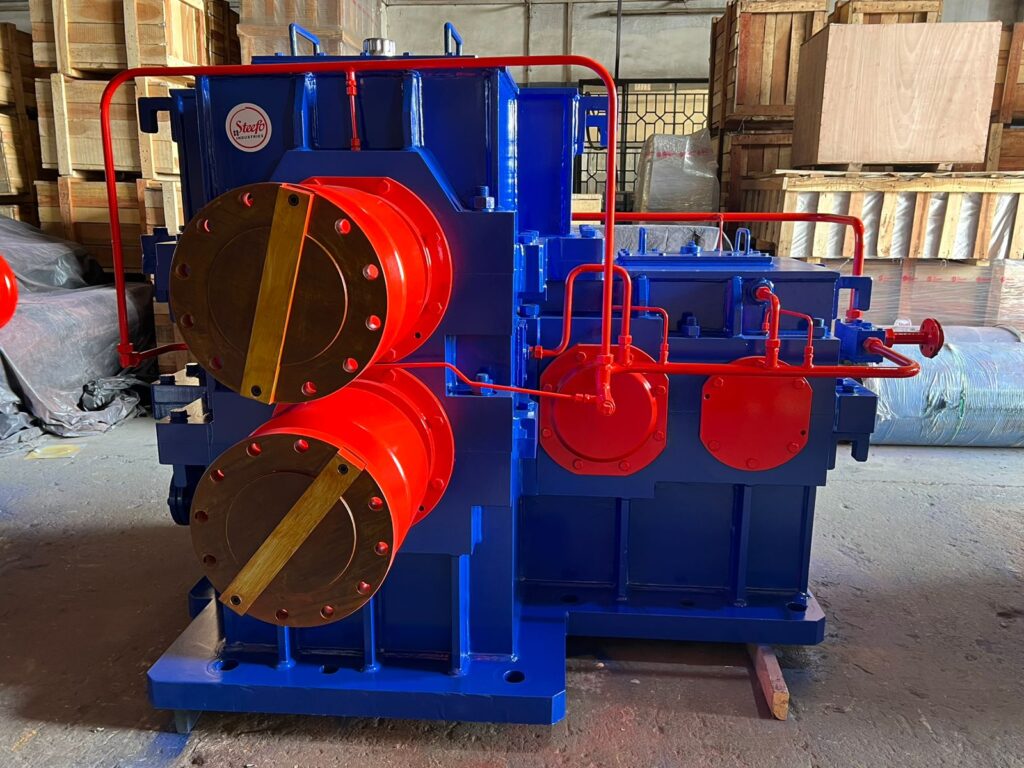
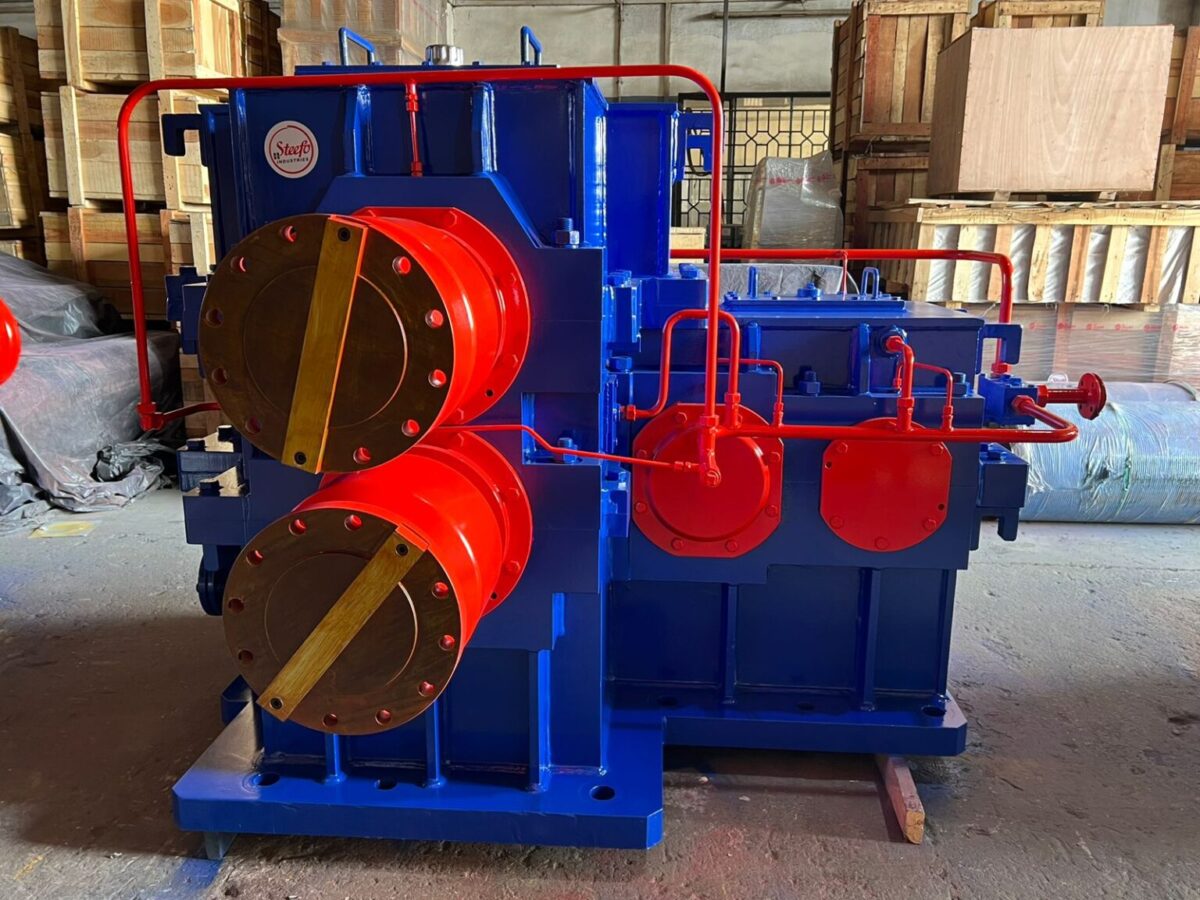
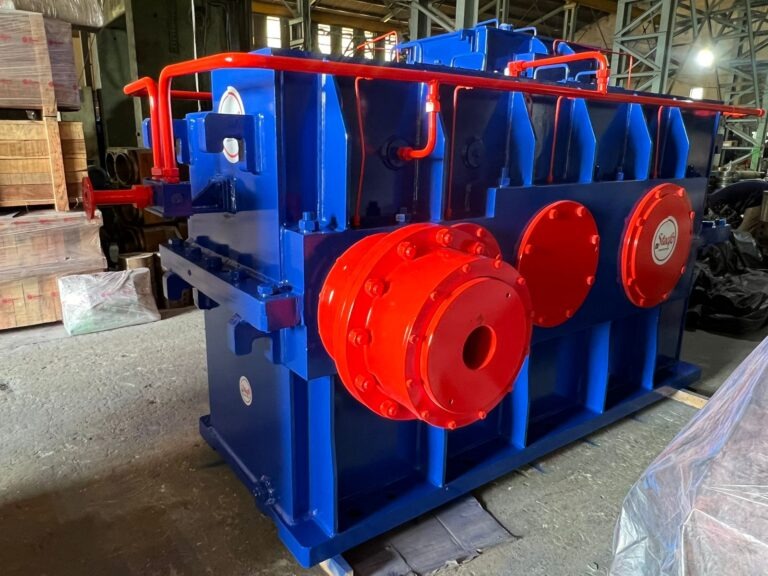
The rolling mill gearbox serves as the heart of your power transmission system. It handles massive torque and heavy shock loads to keep hot rolling operations moving smoothly.

When this critical component fails, the consequences are immediate and severe. Plant owners face unplanned downtime, significant production losses, and extremely costly emergency repairs.

Direct Answer: The three primary warning signs of a failing rolling mill gearbox are abnormal overheating, unusual noises like grinding or knocking, and excessive vibration during operation. Identifying these early symptoms prevents catastrophic breakdowns, reduces unplanned downtime, and saves thousands in repair expenses for hot rolling mills.

This guide will help maintenance managers and production teams identify early warning symptoms. Catching these signs early stops minor component wear from escalating into a total system failure.

Why Rolling Mill Gearboxes Fail in Hot Operations

Hot rolling mills demand extreme performance from every piece of machinery. The environment is harsh, and the mechanical demands are relentless.

1. Heavy Loads and Continuous Operation Put Constant Stress on the Equipment

A rolling mill gearbox operates under severe mechanical loads day in and day out. It must multiply torque while reducing motor speed to drive massive steel billets through the stands.

This continuous operation generates immense friction and stress on internal components. Even the most robust gears and bearings have a finite fatigue life under these extreme operational demands.

Over time, this constant mechanical punishment degrades surface finishes. Metal fatigue sets in, making proactive maintenance essential for operational survival.

2. The Most Common Reasons for Failure

Breakdowns rarely happen without a distinct underlying cause. Poor lubrication is the leading culprit behind most industrial gearbox failures.

When oil loses its viscosity, metal-on-metal contact destroys gear teeth. Misalignment is another major factor that unevenly distributes loads across bearings and shafts.

Contamination from dust, scale, and water easily infiltrates poorly sealed units. Overloading the mill beyond its rated capacity also snaps teeth and destroys bearings prematurely.

3. Why Early Detection Is Critical

Ignoring minor operational changes is the fastest route to a catastrophic breakdown. A slight temperature increase today can lead to a completely fused bearing tomorrow.

Small issues like minor pitting on a gear tooth quickly escalate into internal fractures. When one component fails, it often sends metal debris through the entire lubrication system.

Detecting these anomalies early allows maintenance teams to schedule planned repairs. This approach saves plants from the financial disaster of an unexpected mid-shift breakdown.

Sign 1 — Overheating in the Rolling Mill Gearbox

Heat is a natural byproduct of mechanical power transmission. However, excessive heat is a clear indicator that internal friction is destroying your machinery.

1. What Overheating Looks Like on the Shop Floor

Maintenance teams can often spot thermal issues before checking their instruments. An unusually hot gearbox housing that radiates heat from several feet away is a red flag.

Rising oil temperatures on your monitoring gauges require immediate investigation. You may also notice a distinct burnt smell lingering around the drive train.

Look closely at the housing seals and breathers. Discoloured oil, smoking breathers, or sudden seal leakages are physical proof that the internal temperature has exceeded safe limits.

2. Common Causes of Overheating

Low lubricant levels leave gears turning without a protective fluid film. Conversely, using the incorrect oil grade fails to dissipate heat during high-speed operations.

Contaminated oil acts like liquid sandpaper inside the casing. This creates severe internal friction from wear particles rubbing against precision surfaces.

Overloading the mill pushes the gears beyond their thermal limits. Furthermore, poor ambient cooling or clogged ventilation paths trap generated heat inside the system.

3. Why Is Overheating Dangerous

Excessive temperatures destroy the chemical structure of your industrial lubricants. Once the oil breaks down, lubrication effectiveness drops to zero.

This accelerates wear on gears and bearings at an alarming rate. The intense heat causes metal components to expand, eliminating crucial clearance tolerances.

Eventually, this extreme thermal expansion leads to seal damage. Once the seals blow, oil escapes, resulting in a completely dry and fatal gearbox failure.

4. What to Do When Overheating Is Detected

Never ignore a sudden temperature spike on the shop floor. Check the oil level and inspect the fluid condition for burning or darkening immediately.

Verify that the cooling systems, heat exchangers, and ventilation fans are functioning properly. Review the current load conditions to ensure operators are not pushing the mill too hard.

If the temperature rise is rapid and abnormal, stop the equipment immediately. It is better to halt production for an hour than lose the entire mill for a week.

Sign 2 — Unusual Noise from the Gearbox

A rolling mill is a loud environment, but experienced operators know the baseline hum of healthy machinery. New or changing sounds are urgent cries for help from your equipment.

1. What Abnormal Gearbox Noise Sounds Like

Listen for distinct acoustic changes near the drive train. Grinding noises are the most alarming and usually point to severe internal destruction.

Knocking sounds often follow a rhythmic pattern matching the shaft’s rotational speed. You might also hear a high-pitched whining sound that cuts through the general ambient plant noise.

Rattling sounds often come from the exterior or immediate connections. Pay close attention to a baseline humming that gets progressively louder under a heavy steel load.

2. What Different Sounds May Indicate

A grinding noise almost always means metal is tearing away from metal. This indicates severe gear wear, broken teeth, or heavy particle contamination in the oil.

Knocking points directly to loose internal parts or a broken bearing cage. It can also signify a fractured gear tooth striking its mating gear on every revolution.

Whining usually highlights gear mesh issues or severe lubrication starvation. Rattling often points to external mounting problems, loose foundation bolts, or coupling alignment issues.

3. Main Causes of Gearbox Noise

Gear tooth wear changes the physical profile of the gears. This altered geometry creates rough meshing, which translates directly into loud, audible noise.

Bearing damage is another primary source of acoustic warnings. When bearing rollers become pitted, they create a distinct roaring or rumbling sound.

Poor lubrication removes the dampening effect of the oil film. Loose couplings, unfastened bolts, and shaft misalignment also force components to fight against each other loudly.

4. How to Distinguish Normal Sound From Warning Noise

Every machine has a unique acoustic signature. Maintenance teams must compare current sounds against the baseline machine sound recorded during optimal operation.

Pay close attention to sudden changes in pitch, volume, or rhythm. Gradual noise increases are dangerous, but sudden acoustic shifts require an immediate emergency stop.

Check whether the noise increases with motor speed or material load. A noise that worsens when a billet enters the stand is a classic sign of internal mechanical fatigue.

Sign 3 — Excessive Vibration in the Rolling Mill Gearbox

Vibration is the physical manifestation of unbalanced mechanical forces. While some vibration is expected, excessive shaking tears heavy machinery apart.

1. How Vibration Appears in Real Operations

You do not always need sophisticated sensors to detect a problem. Excessive shaking that vibrates the floor plates is a clear and present danger.

Look for loose movement in the gearbox housing or shifting on the mounting base. You will often see vibration transfer to nearby components like motors and drive shafts.

In severe cases, you will notice noise and heat rise together alongside the shaking. This trio of symptoms indicates a machine that is rapidly tearing itself apart.

2. Common Causes of Vibration

Misalignment between the motor, gearbox, and mill stand is the leading cause of heavy vibration. Even a misalignment of a few thousandths of an inch creates massive, destructive forces.

Imbalance in the rotating shafts or couplings throws the entire system out of rhythm. Bearing failure also introduces erratic movement as the shaft wobbles within its housing.

Gear damage, such as a chipped tooth, creates a sudden jolt on every single rotation. Loose foundation bolts and heavy contamination also contribute to unstable, shaky operations.

3. Why Vibration Should Never Be Ignored

Vibration acts as a multiplier for mechanical fatigue. It dramatically increases the stress on the entire drive system, weakening metal structures over time.

This shaking can easily damage connected components, destroying motor bearings and snapping couplings. It severely reduces gearbox life and compromises overall process stability.

Excessive vibration also impacts the quality of your rolled steel. Uneven power transmission leads to thickness variations and surface defects on the final product.

4. Simple Checks Maintenance Teams Can Perform

Start with a thorough visual inspection of the mounting base and foundation bolts. Look for cracked concrete or rusted shims that indicate movement.

Use handheld vibration pens or data collectors to take quick radial and axial readings. Compare these metrics against ISO 10816 vibration severity standards for heavy machinery.

Perform a simultaneous temperature check across all bearing housings. Finally, execute a strict fastener and coupling inspection to ensure all external connections are locked tight.

Quick Gearbox Failure Diagnosis Checklist

Consistency is the secret to effective preventive maintenance. Standardising your inspection process ensures no early warning signs slip through the cracks.

1. Daily Inspection Points

Your maintenance crew should track external housing temperatures using infrared thermometers daily. Listen carefully to the operating sound and note any new acoustic patterns.

Check the overall vibration levels by observing the unit under a heavy rolling load. Inspect the base and shaft seals closely for any signs of fresh oil leakage.

Check the oil condition through the sight glass. Look for foaming, dark discolouration, or visible water separation in the fluid.

2. Red Flags That Require Immediate Attention

Certain symptoms demand that you halt production instantly. A sudden, unexplained temperature spike means internal friction has reached critical levels.

A new grinding or heavy knocking sound means components are currently breaking apart. Do not wait for the shift to end to investigate these noises.

A sharp increase in vibration levels threatens to snap shafts and destroy foundations. A strong burnt smell or completely blackened oil indicates severe thermal breakdown.

3. Why a Documented Checklist Matters

Relying on memory is a dangerous maintenance strategy. A documented checklist helps teams compare historical trends and spot slow-developing problems.

It supports faster troubleshooting when a failure eventually occurs. By tracking data over time, technicians can pinpoint exactly when the degradation started.

Ultimately, strict documentation reduces the chance of unexpected downtime. It transforms your maintenance strategy from reactive firefighting into proactive asset management.

Warning Sign Possible Cause Recommended Action
Overheating Lubrication issue, overload, poor cooling Inspect oil, cooling, and load
Noise Wear, misalignment, loose parts Check gears, bearings, and couplings
Vibration Imbalance, misalignment, bearing damage Measure vibration and inspect alignment

How to Prevent Rolling Mill Gearbox Failure

Prevention is always cheaper than replacement. Implementing robust maintenance protocols extends the life of your equipment and protects your bottom line. Our guide on rolling mill gearbox care covers these maintenance fundamentals in more depth.

1. Use Proper Lubrication Practices

Lubrication is the lifeblood of your power transmission system. Always use the correct oil grade recommended by the manufacturer for high-load applications.

Execute timely oil changes based on operating hours and oil analysis reports. Never push degraded oil past its safe operational lifespan.

Maintain clean handling and storage practices in your lube room. Using dirty transfer pumps introduces contamination before the oil even reaches the machine.

2. Maintain Alignment and Mounting Accuracy

Precision alignment is non-negotiable for high-torque rolling mills. Schedule regular alignment checks using advanced laser alignment tools during every major shutdown.

Soft foot conditions must be eliminated to prevent housing distortion. A twisted gearbox casing will misalign internal gears and destroy bearings rapidly.

Tighten and inspect couplings and foundations routinely. Ensure all anchor bolts are torqued to the correct specifications to prevent operational shifting.

3. Use Condition Monitoring

Modern technology takes the guesswork out of maintenance. Track temperature continuously using hardwired sensors on bearing caps and oil reservoirs.

Monitor vibration using fixed accelerometers to capture real-time frequency data. This allows you to identify specific gear mesh or bearing defect frequencies early.

Watch for oil contamination by taking monthly samples for laboratory analysis. Wear debris analysis will tell you which internal component is degrading.

4. Train Operators to Report Early Signs

Your mill operators are your first line of defence. They spend every shift alongside the machinery and know its normal behaviour better than anyone.

Encourage quick reporting of any new noise, heat, or vibration changes. Create a culture where halting the mill to check a strange noise is rewarded, not penalised.

When operators and maintenance teams communicate effectively, catastrophic failures drop significantly. Knowledgeable teams protect your machinery and keep production numbers high. For guidance on matching gearbox specifications to your mill’s actual operating demands, see our engineer’s guide to rolling mill gearbox selection.

Conclusion

Overheating, unusual noise, and excessive vibration are not just random machine quirks. They are critical early warning signs of rolling mill gearbox trouble that demand immediate attention.

Ignoring these physical symptoms guarantees unplanned downtime, ruined production schedules, and incredibly expensive replacement parts. Emphasising fast inspection, proper lubrication, and proactive vibration analysis saves your hot rolling plant from massive financial losses.

By treating these three warning signs seriously, you secure the lifespan of your heavy equipment and protect the profitability of your entire operation. Stay alert, trust your baseline machine sounds, and never delay essential maintenance when red flags appear.

Frequently Asked Questions (FAQs)

1. What is the first sign of rolling mill gearbox failure?

The very first sign is usually a subtle change in operating temperature or a slight increase in high-frequency vibration. These micro-changes often occur weeks before audible noise or heavy shaking becomes noticeable on the shop floor.

2. Why does a rolling mill gearbox overheat?

Overheating occurs due to internal friction caused by poor lubrication, degraded oil, or heavy particle contamination. It can also be triggered by severe operational overloading, misaligned shafts, or failing cooling and ventilation systems.

3. Is gearbox noise always a sign of damage?

While some baseline gear mesh noise is normal, any sudden change in pitch, volume, or rhythm indicates a problem. Grinding, knocking, or high-pitched whining are definitive signs of mechanical wear, misalignment, or lubrication starvation.

4. How often should a gearbox be inspected in a hot rolling mill?

Basic visual, auditory, and temperature inspections must be conducted daily by operators. Comprehensive condition monitoring, including vibration analysis and oil sampling, should be performed monthly to track internal wear trends accurately.

5. When should a gearbox be repaired instead of replaced?

A gearbox should be repaired if the casing is intact and the damage is limited to replaceable bearings, seals, or specific gear sets. It must be completely replaced if the housing is cracked, heavily distorted, or if internal destruction is total.

Looking to Improve Gearbox Reliability in Your Rolling Mill?

The Steefo Group provides world-class rolling mill manufacturing, expert maintenance support, and heavy-duty equipment designed to withstand the toughest industrial environments. We understand that a failing gearbox can halt your entire production line, leading to unacceptable delays and heavy revenue loss.

That is why our dedicated engineering team focuses on delivering robust, high-performance machinery built for ultimate endurance, heavy load capacity, and long-term stability. Whether you need a complete hot rolling mill setup, precision-engineered replacement gearboxes, or expert guidance on mechanical upgrades, we deliver proven turnkey solutions for steel plants.

Partner with us to keep your production running smoothly without unexpected mechanical interruptions. Connect with our technical experts at +91 87589 98607 or at marketing@thesteefogroup.com to discuss your specific operational requirements and maintenance goals. Let us help you maximise your daily uptime, enhance your steel output quality, and eliminate frustrating gearbox failures.

Categories
Blogs Rolling Mill

In a hot rolling mill, the gearbox is the silent engine. It works behind the scenes to keep production moving. If it fails, the entire production line grinds to a halt. Your return on investment stops immediately.

TMT and structural steel plants face hard challenges every day. You deal with high shock loads and extreme heat. You also run operations 24 hours a day. These environments destroy standard equipment. That is why choosing the right rolling mill gearbox is the most critical decision for a plant engineer.

This guide provides a technical roadmap for you. It will help you select a gearbox that ensures maximum uptime and energy efficiency. We will look at what makes a gearbox last longer and perform better in a heavy duty setting.

Technical Requirements for TMT and Structural Mills

Every steel plant is different. A plant making TMT bars has different needs than one making heavy structural beams. A universal solution simply does not work in this industry. You need to understand the specific stresses your rolling mill places on the drive system.

Handling High Shock Loads in Rolling

Rolling steel involves violence. When a hot billet enters the mill stand, it creates a massive shock. This is called an impact load. This happens thousands of times a day in a TMT plant.

Standard industrial gearboxes are not built for this. They are built for steady and smooth running. If you use a standard box, the gear teeth will crack under the shock. You need a rolling mill gearbox explicitly designed for high impact. The internal components must absorb this energy without breaking. This protects the rest of your machinery from damage.

Balancing Speed and Torque Requirements

Different parts of your mill need different things. The roughing stands are at the start of the line. They need vast amounts of torque to reduce the thick billet. They run at slower speeds but push very hard.

The finishing stands are at the end. They need high speed to shape the final product. For TMT bars or wire rods, these speeds are breakneck. Your gearbox selection must match these specific zones. A gearbox meant for high torque will overheat if you force it to run at high finishing speeds. You must match the gear ratio and design to the specific stand in the layout.

The Importance of Duty Cycle in Steel Plants

Manufacturing plants often talk about duty cycles. A standard machine might run for eight hours and then rest. A steel plant does not have that luxury. You likely run a continuous duty cycle.

This means the rolling mill gearbox never gets a chance to cool down naturally. It is under constant stress for weeks or months. The design must account for this non-stop operation. The bearings and gears must be rated for infinite life under these loads. If you ignore the duty cycle, you will face premature fatigue failure.

Engineering Checklist for Selecting the Best Rolling Mill Gearbox

You need a strict checklist when evaluating suppliers. Do not just look at the price tag. Look at the engineering inside the box. Here are the key criteria you must evaluate.

Why Gear Geometry and Design Matter

The shape of the gear teeth determines performance. Old mills used spur gears. These have straight teeth. They are noisy and cannot handle smooth load transfers.

Modern high-performance mills use helical gears. The teeth are cut at an angle. This allows more than one tooth to be in contact at a time. It spreads the load out over a larger area. The result is a much quieter operation and higher strength.

You should also look for hardened and ground gears. The manufacturing process matters. We recommend Double Helical or Herringbone gears for heavy loads. They cancel out axial thrust forces. This removes the need for massive thrust bearings and simplifies the design.

The Value of Case Carburising

Surface hardness is non-negotiable. The best gearboxes undergo a process called Case Carburising. This is a heat treatment method. It adds carbon to the surface of the steel gears.

This process creates a tough outer shell. This shell resists wear and pitting from metal-on-metal contact. However, the inside or core of the gear remains tough and slightly softer. This is crucial. If the whole gear were rugged, it would shatter like glass when the billet hits the stand. The soft core allows the gear to flex slightly and absorb shock. This combination gives you long life and durability.

Managing Heat with Thermal Ratings

Heat is the enemy of machinery. A rolling mill gearbox generates its own heat from friction. It also sits in a hot environment near red-hot steel. If the gearbox gets too hot, the oil breaks down. When the oil fails, metal touches metal.

You must check the thermal rating of the unit. The gearbox must be able to dissipate heat effectively. Look for designs with large surface areas on the housing.

For larger units, passive cooling is not enough. You need internal cooling coils. These circulate cool water through the oil sump. You might also need external heat exchangers. These pump the oil out, cool it down, and put it back in. Ensure your supplier calculates the thermal rating based on your specific plant temperature, not a standard lab environment.

Selecting the Right Housing and Rigidity

The outer shell of the rolling mill gearbox is the housing. It holds everything in place. It must be rigid. If the housing flexes under load, the gears inside will misalign. This leads to rapid wear.

There is a shift happening in the industry. Manufacturers are moving from standard cast iron to Graded Cast Iron or Fabricated Steel housings. Fabricated steel is excellent for custom sizes and high strength. It handles shock loads better than brittle cast iron. The housing should also have internal ribs. These ribs add strength and help dampen vibration. Less vibration means a quieter mill and less wear on bearings.

The Steefo Advantage Through Advanced Design Software

Engineering has moved beyond manual calculations. Today, we use advanced software to predict the future. At The Steefo Group, we believe in simulation before fabrication.

Precision Engineering with KISSsoft

We utilise advanced tools like KISSsoft. This is a powerful gear calculation software. It allows engineers to model the entire drive train. We can simulate real-world stresses before a single piece of steel is cut.

This software lets us test different gear profiles. We can see exactly how the contact patch shifts under load. We can adjust the micro-geometry of the teeth to ensure perfect meshing. This eliminates guesswork. When you receive a gearbox designed this way, you know it will perform. It has already passed the test in the digital world.

Optimisation for Energy Efficiency

Energy costs are a considerable part of your operational expenses. An inefficient rolling mill gearbox wastes power. It turns expensive electricity into useless heat.

Software-driven design allows for optimisation. We can reduce the weight of the gears without sacrificing strength. We can optimise the oil flow to reduce churn losses. Churning happens when gears splash through too much oil. This creates drag. By optimising the internal design, we reduce this drag. The result is a gearbox that transfers more power to the rolls and wastes less energy. Over a year, this saves you a significant amount on power bills.

Common Pitfalls to Avoid When Selecting Rolling Mill Gearbox

Even experienced engineers make mistakes. Avoiding these common errors will save you money and frustration.

The High Cost of Under-Sizing Gearboxes

The biggest mistake is under-sizing. This usually happens to save money on the initial purchase. You might choose a smaller box that barely meets the requirements.

This is a false economy. A cheaper, underpowered rolling mill gearbox will fail. It might last six months instead of ten years. When it fails, you lose production. The cost of downtime in a steel plant is enormous. It costs ten times more than the money you saved on the purchase. Always buy the gearbox that meets your peak loads, not just your average loads.

Ignoring the Lubrication System

Lubrication is the lifeblood of the gearbox. Many buyers ignore the lubrication method. There are two main types. These are splash lubrication and forced lubrication.

Splash lubrication works by gears dipping into oil. This is fine for simple, slow applications. It is often risky for high-performance mills. If the speed is too slow, the oil does not splash enough. If it is too fast, the oil foams up.

Forced lubrication is superior for critical stands. A pump forces oil directly into the bearings and gear mesh. It ensures a constant film of oil regardless of speed. It also filters the oil to remove metal particles. Do not compromise on this system.

Neglecting Maintenance Accessibility

Machines need maintenance. Engineers often forget to check how easy the gearbox is to fix. A complex design might look good on paper but be a nightmare to service.

Choose a design with a split housing if possible. This allows you to lift the top off to inspect the gears. Look for large inspection covers. You should be able to check the condition of the gear teeth without dismantling the whole unit. Ensure the oil drain and fill points are easy to reach. If maintenance is hard, your team will skip it. This leads to failure.

Integration and Matching the Motor to the Mill Stand

A rolling mill gearbox does not work alone. It is the middleman. It connects the motor (the prime mover) to the pinion stand.

You must view this as a complete system. The alignment between these three components is critical. Even a slight misalignment creates a huge vibration. This vibration destroys couplings and bearings.

You also need to match the inertia. The motor and gearbox should work in harmony. If the gearbox is too heavy for the motor to accelerate, you will have starting issues. If the motor is too powerful for the gearbox, you risk snapping shafts.

This is the benefit of choosing an integrated solution provider like Steefo. We look at the whole picture. We match the motor torque characteristics to the gearbox capability. We ensure the base plate is rigid enough to hold the alignment. When these components work in perfect harmony, you get a smooth rolling process.

Final Insights

The heart of your TMT or structural steel plant is the rolling mill. The strength of that heart depends on the rolling mill gearbox. It is a complex piece of engineering that demands respect.

You must look beyond the catalogue specs. Consider the shock loads and the heat. Demand high service factors and modern gear geometry. Insist on advanced design verification. By avoiding common pitfalls and focusing on quality integration, you ensure your mill runs efficiently for years.

Investing in the right rolling mill gearbox is an investment in your peace of mind. It ensures that when you push the start button, production flows smoothly.

Optimise Your Rolling Mill’s Performance with The Steefo Group

Your rolling mill is the heartbeat of your business. Every minute of downtime costs you revenue and disrupts your supply chain. You cannot afford to gamble with generic, off-the-shelf drive solutions that fail under pressure. It is time to upgrade to a system designed specifically for the rigorous demands of your plant.

At The Steefo Group, we do not just sell rolling mill gearboxes. We engineer reliability. Whether you are upgrading an existing structural mill or setting up a brand new TMT line, our team uses advanced simulation tools to build drives that handle the heat, shock, and speed of modern production. We ensure your power transmission is seamless and highly efficient.

Stop settling for frequent maintenance breaks and energy wastage. Partner with a turnkey manufacturer that truly understands the science of steel rolling. We provide fully integrated solutions that match your motor, gearbox, and mill stand perfectly for maximum output.

Take the next step toward a more profitable and stable operation. Reach out to our engineering experts today at +91 87589 98607 or write to us at marketing@thesteefogroup.com. Let us assess your current setup and calculate the perfect drive solution to meet your production goals.

Categories
Blogs Rolling Mill


What is a Rolling Mill Gearbox?

Gearboxes are an essential part of the entire rolling mill system. They are multiple open gear sets retained in a housing. The gearbox housing contains numerous bearings, shafts, and lubricants that safeguard all the other elements from its conditions. When it comes to industrial-grade rolling mill gearbox, they are operated with the help of a drive unit. The gearboxes increase and decrease the drive unit’s speed or torque depending on your requirement.  A rolling mill gearbox is created keeping in mind several load capacities and speed ratios, as its primary purpose is the control speed.

1. Maintenance Tips for Your Rolling Mill Gearbox

Rolling mill gearboxes are a crucial part of your entire rolling mill operation, which is why it is essential that you keep up to date on its maintenance. Rolling mill gearboxes have maintenance requirements to guarantee the machine’s longevity. Here are some maintenance tips from the top manufacturers of rolling mill gearboxes and similar machines.

2. Inspect Your Rolling Mill Gearbox on a Regular Basis

A routine inspection of your rolling mill is essential as it helps to figure out and pinpoint even the most minor issues before it becomes a significant problem. The assessment allows you to fix the problem on time, in turn saving valuable time and enhancing efficiency. Here are some of the issues you should keep an eye out on:

  • Oil Leaks, especially on the input and output shafts
  • Check for discolouration of the paint (could be a sign of overheating)
  • Listen to the sound and vibration noises of the gearbox, as they can be a great indicator

3. Check the Temperature Rolling Mill Gearbox

Another place where you need to keep your rolling mill gearboxes in check is its temperature. If gearboxes are not cared for they can often face overheation or in general change in temperature. The temperature has a huge impact on the performance of the rolling mill gearbox, which is why you need to be consistent and maintain the ideal temperature level. To understand if the temperature of your rolling mill gearbox is rising more that ot should you can monitor it easily with the assistance of an infrared gun. Any random changes in temperature will be a cause for concern.

4. Regular Lubrication of Your Rolling Mill Gearbox

Any machine works smoother when it is lubricated on a regular basis, the same is the case with rolling mill gearboxes. A basic part of the entire maintenance procedure is the lubrication of the rolling mill gearbox. Ask your rolling mill gearbox providers regarding which lubricants and additive to use on the gearbox. It is essential that you hydrate your rolling mill gearbox with proper lubrication to ensure consistent and efficient operations.

5. Check for Any Alignment issues in the Rolling Mill Gearbox

If your rolling mill gearbox is not properly aligned it can cause loud sounds and increased vibrations. You should check if your rolling mill gearbox is aligned correctly, as it not only decreased sounds but also improves performance. Ensure that the correct coupling is utilised during the process to ensure that there is interference created amongst the mating and fit parts.

6. Rid Your Rolling Gearbox From Dirt and Dust

Gearboxes are used in several different industries and can often be in the midst of immense dirt and dust when operating. One of the basic tenants of maintenance is to keep the machine clean; therefore, you must ensure that dust and dirt do not accumulate in the machine by cleaning it on a regular basis. It is best if you create a proper schedule to guarantee that your rolling mill gearbox is getting cleaned.

7. Keep an Eye on Rolling Mill Gearbox’s Vibrations

Changes in vibration noises can be an indicator of an internal problem in the rolling mill gearbox. When the gearbox is in operation, do a vibration check and analyse the differences. If the vibration remains consistent, you do not need to worry, but a sudden increase or decrea in the vibrationis cause for concern. Contact the maintenance team of your rolling mill gearbox provider to check the interiors for any damage.

Why Choose Rolling Mill Gearboxes From the Best Rolling Mill Manufacturers

When you choose rolling mill gearboxes from The Steefo group, you are obtaining assured quality products. You also get your hands on the most innovative and advanced rolling mill gearbox that will help you improve your business.

Our rolling mill gearboxes experience strict testing and rigorous quality checks to provide the best-in-class products. Our focus on technology and innovation also provides you with the most up-to-date rolling mill gearboxes for your rolling mill.

To learn more about the Steefo Group and their products and how they can improve your productivity and profits, contact +91 98240 76873 or drop a mail at marketing@thesteefogroup.com.

Categories
Blogs Rolling Mill

When you talk about the best steel rolling mill manufacturer, what is the one name that comes to your mind? The Steefo Group, right? The Steefo Group is acknowledged as one of the most established companies leading the way in steel rolling mill manufacturing since 1976. Steefo Industries has built its credibility and reputation through its superior quality and design and has even been recognised by the government of India as the Star Export House. Our company has earned that title with over 100+ establishments worldwide, turning itself into a domestic and international name. 

In the world of steel rolling mills, Steefo Industries redefines the term quality and calibre because of its ability to execute any project. Including some of the most mind-blowing turnkey projects at record time while maintaining that Steefo quality. 

Well, the reason behind The Steefo Industies’ astronomical success is because of multiple factors. But at our core, our highly trained engineers, advanced machinery and cutting-edge manufacturing facilities create an unshakable foundation. 

How is The Steefo Group Different?

Let us discuss what allows The Steefo Industries to stand apart from the crowd and brand itself as your reliable steel forming partner. 

Quality

Steefo Industries has earned a worldwide reputation for its superior quality. The focus on quality is given the highest priority, and the team takes extra effort to ensure that. To us, our premium quality is the highest value addition to our products. The products are created to meet even the most stringent norms and standards globally. The standard is maintained throughout the manufacturing process, from the concept to commissioning. 

To guarantee that the customer has the highest quality products, the quality assurance team performs regular quality checks and testing at every stage of the manufacturing process. The raw materials are thoroughly examined and undergo metallurgical and other quality tests. 

Research and Development

Steefo Industries takes innovation to the next level. Everyone in the team believes there is always space for improvement and innovation. The research and development team focuses on developing R&D and design capabilities and technical development. Steefo Industries is one of the few manufacturers utilising the most advanced technology to satisfy customers’ demands. 

Innovation

Change is an opportunity. We use that opportunity to innovate and create. Steefo Industries understands that and boosts any chance to innovate. To the company, innovation is more than simply developing new products and technology. The aim is to allow design engineers to use their knowledge and rationale to dig deep and resolve issues that seem uncertain. 

Our team learns how to adapt to new changes in the process, management, business systems, and more to ensure customer satisfaction and growth. 

When you partner with The Steefo Industries, you invest in not only superior grade products but also invest in our workforce that delivers the best results.  

What Are We Known For? 

Turnkey Solutions 

Steefo Industries is known worldwide for the turnkey solution that we provide. The team offers technological responsibility aiding customers during the total project life cycle from concept to commissioning. This includes rolling mills as well as integrated steel plants. 

Steefo Industries provides the required plant equipment and guarantees execution.

The Steefo Group provides turnkey solutions in the areas mentioned below: 

  • Greenfield / Brownfield integrated mini steel plant
  • TMT bar rolling mill
  • Structural rolling mill
  • Wire rod mill
  • Customised solutions

Products 

Steefo Industries also excels in single modular products required to grow your business and allow customers to improve their business performance and productivity. To operate a steel plant, you need various products for efficient functioning as a whole unit. The products provided by Steefo Industries are not only of superior quality but also pass through several quality checks and global standards. These are just some of the products provided by Steefo Industries:

  • Reheating Furnaces 
  • Rolling Mill Gearbox
  • Mill Stands 
  • Shears
  • Pinch Rollers
  • Loopers
  • Quenching System 
  • Automatic Cooling Beds 
  • Packing Beds
  • Roller Tables 

And more 

Why Choose The Steefo Group?

Why choose Steefo Industries? The question should rather be, why not?

The Steefo Group has reached this level of success due to its relentless drive toward excellence and an uncompromising attitude towards quality. We are continuously growing and endeavouring to improve our current products and solutions; therefore, we have transformed into the leading innovation in the world of rolling mills. 

You get high-quality products and constant support from our team of professionals when you work with us. Join the world of success. To learn more, call us at +91 98240 76873 or drop us a mail at marketing@thesteefogroup.com