Choosing machinery is only one part of setting up or expanding a steel plant. The bigger decision is often the project delivery model.
Who will control engineering? Who will coordinate vendors? Who will take responsibility if civil work, electrical systems, automation, or commissioning do not align? These questions directly affect cost certainty, execution speed, risk, and long-term plant performance.
For buyers investing in rolling mills, the choice between EPC, EPCM, and turnkey solutions can decide whether the project moves smoothly from planning to production or gets delayed by unclear responsibilities.
A steel rolling mill project involves plant layout, equipment design, procurement, civil coordination, electrical systems, automation, erection, trial runs, commissioning, operator training, and after-sales support. That is why the delivery model should be evaluated before comparing only equipment prices.
Why the Project Delivery Model Matters in Steel Rolling Mills
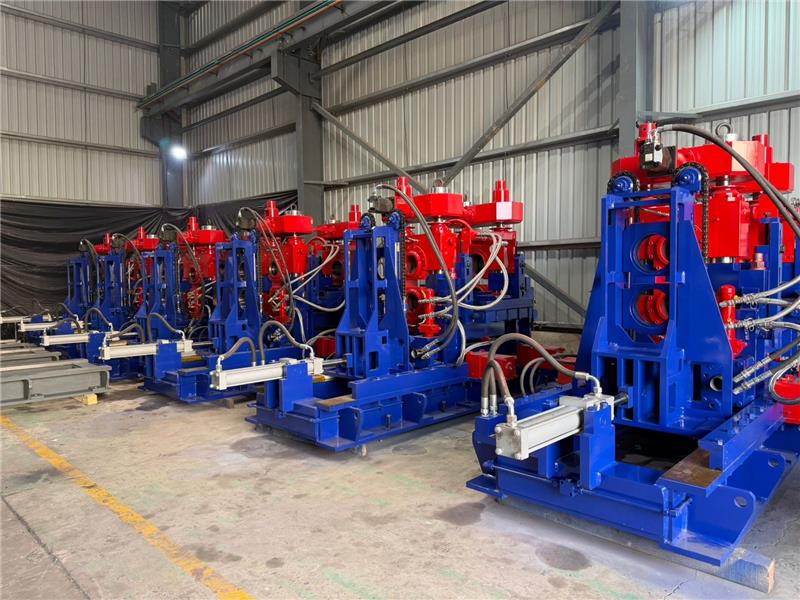
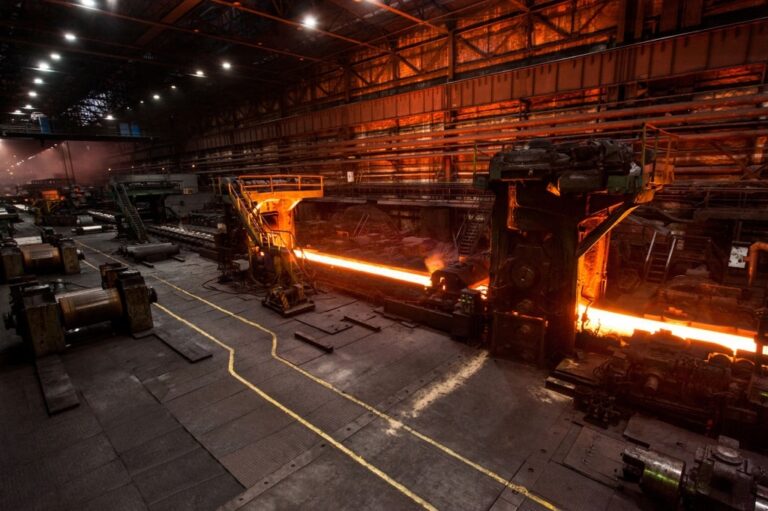
A rolling mill is not a collection of separate machines. It is an integrated production system where reheating furnaces, mill stands, gearboxes, shears, cooling beds, conveyors, drives, automation, and utilities must work together.
If the execution model is weak, problems often appear during installation or trial production. For example, a buyer may purchase quality mill equipment but still face delays if:
- Civil foundations are not ready for machinery installation
- Electrical panels are not aligned with motor and drive requirements
- Automation is not integrated with the actual production flow
- Cooling bed capacity does not match mill output
- Vendor responsibilities are not clearly defined
- Commissioning support is limited or delayed
This is why project delivery is a strategic decision, not just a contractual formality. The right model depends on project size, technical capability, internal team strength, budget flexibility, and timeline pressure.
For a first-time TMT bar mill buyer, more control may sound attractive. But if the owner does not have an experienced project team, that control can quickly become a coordination burden.
What Is an EPC Model in Steel Rolling Mill Projects?
EPC stands for Engineering, Procurement, and Construction. In an EPC model, the contractor is generally responsible for engineering, procuring materials or equipment, and executing construction-related work. EPC contracts are commonly used in large infrastructure and industrial projects where the owner wants stronger delivery responsibility from one contractor.
For rolling mills, EPC may include:
- Basic and detailed engineering
- Equipment selection and procurement
- Vendor coordination
- Construction planning
- Mechanical and electrical integration
- Installation supervision
- Testing and commissioning support
- Performance responsibility, depending on contract terms
When EPC Works Well
EPC is suitable when the buyer wants one accountable contractor, and the project scope is clearly defined. It works best when plant capacity, product sizes, technical specifications, layout requirements, and completion expectations are already fixed.
EPC can give better cost and schedule clarity because the contractor carries more delivery responsibility. However, that clarity depends on how well the scope is prepared before signing.
Limitations of EPC
EPC offers less flexibility after contract finalisation. If the buyer changes capacity, product mix, automation level, layout, or utility expectations later, the cost and timeline may increase.
A weak scope document can also create disputes. For example, if commissioning performance, spare parts, foundation readiness, or automation integration is not clearly mentioned, both parties may interpret responsibility differently.
| EPC Factor |
What It Means for Buyers |
| Best for | Defined projects with a clear scope |
| Owner control | Moderate |
| Contractor responsibility | High |
| Cost certainty | Usually stronger |
| Flexibility | Lower after contract finalisation |
| Main caution | The scope must be very clear before signing |
What Is an EPCM Model in Steel Rolling Mill Projects?
EPCM stands for Engineering, Procurement, and Construction Management. Unlike EPC, the EPCM contractor usually provides design, procurement support, and construction management services, while the owner holds direct contracts with suppliers and contractors. EPCM is often treated as a professional services model rather than a full delivery contract.
In a steel plant project, EPCM may include:
- Engineering and technical design
- Procurement assistance
- Vendor evaluation
- Construction management
- Schedule monitoring
- Quality supervision
- Cost control support
- Coordination between contractors
When EPCM Works Well
EPCM works well when the owner has a strong internal technical team. It gives the buyer more control over vendor selection, procurement decisions, contractor appointments, and changes during execution.
This model may suit an experienced steel manufacturer expanding an existing plant, especially if the owner already has civil contractors, electrical consultants, and site engineers.
Limitations of EPCM
The biggest limitation is risk. Since the owner often holds direct contracts with different vendors, more coordination responsibility remains with the buyer.
If civil work is delayed, automation does not integrate smoothly, or utilities are not ready, responsibility may be harder to assign. EPCM can be flexible, but it demands strong owner-side project management.
What Are Turnkey Solutions for Steel Rolling Mills?
Turnkey solutions refer to a project delivery model where one provider delivers a ready-to-operate plant or production line. In steel rolling mill projects, this can include planning, engineering, equipment manufacturing, supply, erection, commissioning, training, and post-installation support.
The Steefo Group positions its turnkey solutions around concept-to-commissioning expertise for rolling mills and integrated steel plant projects, including equipment supply, erection, commissioning, and achieving desired production capacity.
For rolling mills, turnkey solutions may include:
- Feasibility and project consultation
- Plant layout planning
- Rolling mill design
- Equipment manufacturing
- Reheating furnace coordination
- Reheating furnace coordination
- Mill stands, shears, cooling beds, conveyors, gearboxes, and drives
- Electrical and automation systems
- Installation and erection
- Trial runs and commissioning
- Operator training
- Spares and after-sales support
When Turnkey Solutions Make the Most Sense
Turnkey solutions are often ideal when the buyer wants one partner from planning to commissioning. This is especially useful for greenfield projects, first-time rolling mill investors, major expansions, or projects where internal technical bandwidth is limited.
They also help reduce vendor coordination. Instead of managing multiple suppliers separately, the buyer works with a partner responsible for integrated execution.
Limitations of Turnkey Solutions
The main limitation is scope clarity. Buyers must confirm what is included and excluded. A low-cost proposal may not include erection, utilities, automation, operator training, spare parts, or performance support.
Before choosing turnkey solutions, buyers should review the responsibility matrix, acceptance criteria, commissioning terms, and after-sales support.
EPC vs EPCM vs Turnkey Solutions: Quick Comparison
|
Comparison Point |
EPC | EPCM |
Turnkey Solutions |
| Full form | Engineering, Procurement, Construction | Engineering, Procurement, Construction Management | Complete ready-to-operate project delivery |
| Main responsibility | Contractor delivers the project | Contractor manages; owner carries more responsibility | Provider delivers an operational plant |
| Owner involvement | Medium | High | Low to medium |
| Cost certainty | Usually high | Lower to medium | High if the scope is clear |
| Flexibility | Limited | Higher | Moderate |
| Risk allocation | More contractor-side | More owner-side | More provider-side |
| Best for | Defined large projects | Owners with strong technical teams | Buyers wanting single-window execution |
| Rolling mill fit | Good for structured projects | Good for technically mature owners | Strong for greenfield or integrated mill projects |
Key Difference 1: Who Owns the Risk?
Risk allocation is the most important difference between EPC, EPCM, and turnkey solutions.
In EPC, more delivery risk usually shifts to the contractor. In EPCM, the owner takes more risk because the contractor mainly manages engineering, procurement, and construction coordination. In turnkey solutions, the supplier or project partner carries greater responsibility for integrated delivery.
Before signing, buyers should clarify:
- Who is responsible for the equipment-performance mismatch?
- Who handles civil-mechanical interface errors?
- Who owns delays due to late utility readiness?
- Who manages automation integration issues?
- Who pays for rework during trial production?
- What happens if the plant does not reach the agreed output?
In rolling mills, the most expensive gaps are often not in the equipment list. They are in the interfaces between equipment, civil work, electrical systems, automation, and commissioning.
Key Difference 2: How Much Control Does the Buyer Want?
Some buyers want full control. Others want fewer responsibilities and stronger accountability. Neither approach is automatically better.
Choose more control if:
- You have an experienced in-house project team
- You already work with trusted contractors
- You want direct vendor approval
- You can manage technical coordination
- You want procurement transparency
Choose more accountability if:
- You want fewer vendor interfaces
- You do not want to coordinate multiple contractors
- You need faster commissioning
- You want one party responsible for execution
- You are setting up your first steel plant or rolling mill line
For first-time buyers, control can become a burden if they do not have the engineering, procurement, and site coordination experience to manage daily decisions.
Key Difference 3: How Pricing and Change Orders Work
EPC and turnkey solutions often provide stronger price visibility when the scope is clearly defined. EPCM may appear more flexible, but it can expose the owner to more variations during execution.
Changes in plant capacity, layout, automation, foundation readiness, utility supply, and product mix can affect project cost. That is why buyers should not compare only the headline price.
Consider this simple case.
A buyer selects EPCM to save 5% on the initial project cost. However, weak coordination delays commissioning by 60 days. If the mill is expected to produce 200 tonnes per day and the contribution margin is ₹1,500 per tonne:
| Item | Calculation |
Value |
| Daily contribution potential | 200 × ₹1,500 | ₹3,00,000 |
| 60-day delay impact | ₹3,00,000 × 60 | ₹1,80,00,000 |
The cheapest model is not always the most economical. In rolling mills, delayed production, rework, idle manpower, and missed market demand can cost more than the initial savings.
Which Model Is Best for Different Rolling Mill Project Scenarios?
| Project Scenario | Best-Fit Model | Why |
| First-time TMT bar mill setup | Turnkey solutions | Reduces coordination burden and gives integrated execution |
| Experienced steel plant expanding capacity | EPCM or turnkey | EPCM works if the internal team is strong; turnkey helps reduce shutdown risk |
| Large greenfield rolling mill project | EPC or turnkey | Better accountability and structured delivery |
| Brownfield modernization | EPCM or turnkey | Depends on existing systems and integration complexity |
| Fixed launch deadline | EPC or turnkey | Better schedule accountability |
| The owner wants direct vendor control | EPCM | More procurement visibility |
| The owner lacks a technical project team | Turnkey solutions | Single-window execution is usually safer |
What Buyers Should Check Before Choosing EPC, EPCM, or Turnkey Solutions
Before choosing the model, buyers should ask clear technical, commercial, and execution questions.
Technical Questions
- Is the plant capacity clearly defined?
- Are product sizes and grades finalised?
- Is the layout designed for smooth material flow?
- Are utilities included in the project scope?
- Is automation included?
- Who is responsible for commissioning performance?
Commercial Questions
- Is the price fixed or adjustable?
- What is excluded from the quoted scope?
- How are change orders handled?
- What are the payment milestones?
- Are performance guarantees included?
- What warranty and after-sales terms apply?
Execution Questions
- Who coordinates civil, mechanical, and electrical work?
- Who approves drawings?
- Who manages third-party vendors?
- What is the commissioning timeline?
- What documentation is handed over?
- Is operator training included?
These questions help buyers compare models on real project value, not just proposal price.
Red Flags Buyers Should Watch For
A project proposal may look attractive on paper, but weak scope clarity can create expensive problems later.
Watch for these red flags:
- Vague scope of supply
- No clear responsibility matrix
- No commissioning acceptance criteria
- Missing utility requirements
- Unrealistic delivery timelines
- No mention of automation integration
- Price that excludes erection or commissioning
- Weak after-sales support
- No documented performance guarantees
- No clarity on spares and consumables
For rolling mills, buyers should be especially careful when a proposal lists major equipment but does not explain how the full line will be integrated, tested, commissioned, and supported after start-up.
How to Decide: EPC, EPCM, or Turnkey Solutions?
Use EPC when the scope is defined, the output requirements are clear, and you want stronger contractor accountability. EPC is suitable when the buyer needs cost and schedule certainty with limited changes after contract finalisation.
Use EPCM when you have a capable internal team and want more control over procurement, vendors, and execution decisions. EPCM can work well for experienced plant owners who can manage multiple contracts.
Use turnkey solutions when you want one partner for the complete project lifecycle. This model is often better when the buyer wants concept-to-commissioning support, fewer coordination risks, integrated machinery, installation, commissioning, and after-sales support.
Frequently Asked Questions (FAQs)
1. How do EPC and EPCM differ from each other?
EPC gives the contractor more responsibility for project delivery, while EPCM gives the contractor a management role and leaves more control and risk with the owner.
2. Are EPC and turnkey solutions the same?
They are closely related but not always the same. EPC places the responsibility for project engineering, material sourcing, and construction execution under one delivery model. Turnkey solutions focus on delivering a ready-to-operate project.
3. Which model is better for a first-time rolling mill buyer?
Turnkey solutions are often better for first-time buyers because they reduce vendor coordination and provide integrated support from planning to commissioning.
4. When should a steel plant owner choose EPCM?
A steel plant owner may choose EPCM when they have a strong internal project team and want more control over procurement, contractors, and technical decisions.
5. What should be included in turnkey solutions for rolling mills?
Turnkey solutions for rolling mills may include project consultation, layout planning, equipment manufacturing, electrical systems, automation, erection, commissioning, operator training, and after-sales support.
Build Your Rolling Mill Project with the Right Partner
Every steel rolling mill project has different goals, capacities, site conditions, and production requirements. That is why The Steefo Group offers both complete turnkey solutions and customized rolling mill solutions designed around your business needs. From project planning and equipment manufacturing to erection, commissioning, automation, and after-sales support.
Steefo helps you move from concept to production with confidence. Whether you are setting up a new steel plant, expanding an existing facility, or upgrading critical equipment, our team can support you with practical engineering expertise and reliable execution.
Connect with The Steefo Group to discuss your project requirements today.