Categories
Blogs Rolling Mill

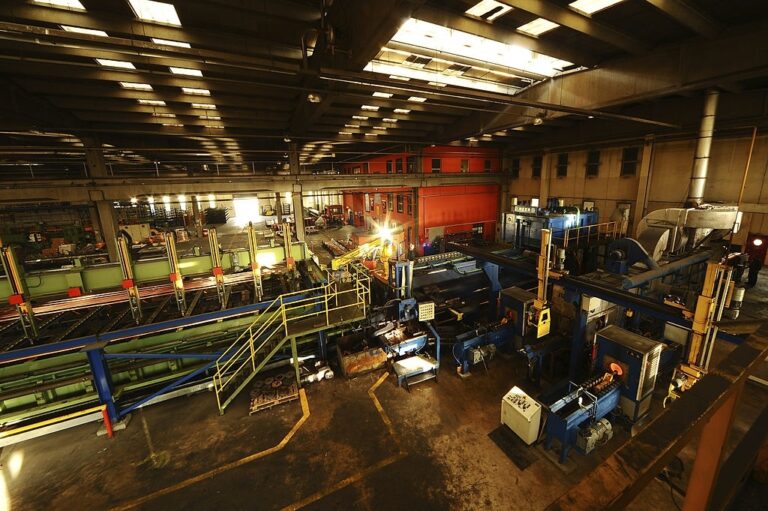
Rolling mills play an indispensable role in industries such as construction, automotive, and infrastructure, producing essential materials like bars, rods, sheets, and coils. Investing in a turnkey rolling mill project is a major decision, and it is crucial to understand the various costs involved to make an informed and strategic choice.

This blog post will explore the cost breakdown of turnkey rolling mill projects, providing in-depth insights into every phase of the project. It will also highlight how turnkey solutions can streamline your project execution, ensuring that you get value for every dollar spent.

What Are Turnkey Solutions for Rolling Mills?

Before diving deep into the cost breakdown, it’s important to understand the concept of a turnkey solution for rolling mills. A turnkey solution refers to a comprehensive service package where the rolling mill manufacturer provides everything from design, procurement, installation, and commissioning to after-sales service. The term “turnkey” signifies that the project is delivered ready for immediate operation without the client needing to manage multiple contractors or suppliers.

For a rolling mill, turnkey solutions offer a hassle-free approach by providing:

  • Design and engineering services to customise the mill to meet specific needs.
  • Procurement of equipment and materials.
  • Installation and commissioning, ensuring everything works as expected.
  • Project management to keep everything on track.
  • After-sales services include maintenance, training, and support.

Now that we understand what turnkey solutions entail, let’s break down the key components of cost in a turnkey rolling mill project.

Design and Engineering Costs

The design and engineering phase is one of the most critical stages of any turnkey rolling mill project. This is where the blueprint of the entire facility is developed. It covers everything from plant layout to equipment specifications, ensuring that the mill will operate efficiently, safely, and within budget.

Factors Affecting Design and Engineering Costs:

  • Complexity and Scale of the Project: The more intricate and large the rolling mill, the higher the design and engineering costs. Projects that require advanced technologies, such as automated control systems or specialised rolling techniques, will require more detailed engineering, thus increasing costs.
  • Customisation Requirements: If the mill needs to be customised to produce specific products, the design phase will take longer and incur higher costs. Custom designs usually require additional engineering hours to ensure the mill meets production targets while maintaining optimal operational efficiency.
  • Environmental and Safety Considerations: Rolling mills must adhere to strict safety and environmental standards. Designing the mill in compliance with these regulations may require more detailed planning and specialised design adjustments, which could further increase costs.

Estimated Cost:

Typically, design and engineering costs account for 5% to 10% of the total project cost. However, if the rolling mill requires significant customisation or additional complexity, these costs may exceed the normal range.

Equipment and Machinery Costs

The equipment and machinery required to operate the rolling mill are the core of the project. This is the most expensive part of the investment, as rolling mills require highly specialised equipment to produce high-quality rolled products.

Key Equipment in a Rolling Mill:

  • Reheating Furnace: Used to heat the raw materials (such as billets) before they are fed into the rolling stands. This equipment is crucial in achieving the desired material properties.
  • Rolling Stands: These are the heart of the rolling mill, where the material is shaped and reduced to the desired thickness. Rolling stands come in different configurations depending on the product being manufactured, such as bar mills, wire rod mills, or section mills.
  • Coiling and Cooling Systems: After the rolling process, materials need to be cooled and coiled to make them more manageable for transportation and storage. These systems ensure that the finished products are handled efficiently.
  • Auxiliary Equipment: This includes the electrical systems, motors, drives, material handling systems, and automation equipment that enable smooth operation.

Factors Influencing Equipment Costs:

  • Type of Rolling Mill: Hot rolling mills typically require more sophisticated equipment due to the high temperatures and more extensive processes involved. Cold rolling mills are generally less expensive but still involve specialised machinery.
  • Automation and Technology: Fully automated mills with sophisticated control systems tend to cost more. The integration of advanced technologies such as artificial intelligence and machine learning for predictive maintenance and process optimisation can significantly raise the equipment costs.
  • Supplier and Brand: The cost of equipment also depends on the brand and quality. Reputed rolling mill manufacturers, like The Steefo Group, offer high-quality, durable equipment that tends to come with a higher price tag, but this investment ensures long-term reliability.

Estimated Cost:

Equipment costs usually make up 40% to 60% of the total cost of a turnkey rolling mill project. The specific percentage depends on the type of equipment, automation level, and scale of the mill.

Installation and Commissioning Costs

Once the equipment is procured, the next step is to install it and ensure it operates efficiently. Installation includes everything from setting up the machinery to connecting electrical systems and integrating automation controls. Commissioning, on the other hand, is the process of testing the equipment to ensure that everything functions as per the design specifications.

Factors Affecting Installation and Commissioning Costs:

  • Site Preparation: If the factory site requires significant modifications (such as reinforcement of structures or new electrical infrastructure), installation costs will rise.
  • Labour and Expertise: Skilled labour is required for the installation of rolling mill equipment, particularly when it comes to sophisticated machinery. Experienced technicians and engineers are essential for ensuring that the installation is done correctly.
  • Testing and Calibration: Once installed, the machinery needs to be tested and calibrated to meet the production standards. This step ensures that the mill produces high-quality products while maintaining efficiency.

Estimated Cost:

Installation and commissioning typically account for 10% to 15% of the total project cost. The exact cost will depend on the complexity and size of the rolling mill.

Procurement Costs

Procurement costs involve the acquisition of all materials, tools, and systems necessary for the mill’s construction. This includes purchasing raw materials like steel, alloys, and electrical components, as well as specialised tools and systems needed for the smooth operation of the rolling mill.

Key Procurement Considerations:

  • Material Quality: The quality of raw materials directly affects the durability and efficiency of the rolling mill. High-quality materials may cost more initially but lead to fewer repairs and downtime in the long run.
  • Supplier Network: Working with reliable and cost-effective suppliers can significantly reduce procurement costs. However, purchasing from multiple suppliers can add complexity and lead to higher logistics costs.
  • Lead Time and Shipping: If materials are sourced globally, shipping costs, customs duties, and lead times can further increase procurement expenses.

Estimated Cost:

Procurement typically accounts for 10% to 20% of the overall project cost, depending on the specific materials required and where they are sourced from.

Project Management and Overhead Costs

Project management is essential for ensuring that a turnkey rolling mill project progresses on schedule and within budget. Project managers coordinate between design, procurement, installation, and commissioning teams to ensure smooth execution.

Key Aspects of Project Management:

  • Scheduling and Coordination: Project managers handle timelines, resources, and task coordination to ensure that all phases of the project align.
  • Quality Control: Ensuring the project meets all quality standards is crucial. Project managers work closely with the installation and engineering teams to guarantee that the equipment and systems are installed according to design specifications.
  • Risk Management: Project managers must be prepared to handle any unforeseen challenges, such as delays, cost overruns, or technical issues.

Estimated Cost:

Project management and overheads generally represent 5% to 10% of the total project cost, depending on the project scale and complexity.

Electrical and Automation Systems Costs

Electrical and automation systems are integral to the operation of modern rolling mills. These systems include power distribution, control panels, PLC systems, SCADA systems, sensors, and drives that enable the mill to operate efficiently.

Key Electrical and Automation Components:

  • Control Systems: PLC and SCADA systems enable real-time monitoring and control of the mill’s operations. These systems ensure that the mill runs smoothly and that any issues are detected early.
  • Automation Equipment: Automated handling systems, such as robot arms, material transfer systems, and roll change equipment, can drastically improve production efficiency.
  • Safety and Monitoring Systems: Ensuring the safety of the mill workers and preventing any potential damage to the equipment is essential. This involves installing safety systems, alarms, and sensors.

Estimated Cost:

Electrical and automation systems typically account for 5% to 15% of the total turnkey rolling mill project cost. The specific percentage depends on the level of automation and the complexity of the electrical systems.

Maintenance and After-Sales Services

Once the rolling mill is operational, ongoing maintenance is essential to ensure it continues to function efficiently. Regular maintenance minimises downtime, prevents costly repairs, and ensures that the mill operates at its full capacity.

Key Considerations for Maintenance Costs:

  • Spare Parts: Rolling mills require various spare parts, including rolls, motors, bearings, and sensors. Ensuring a steady supply of spare parts is essential for minimising downtime.
  • Service Contracts: Many manufacturers offer service contracts for regular maintenance, which may include preventive maintenance, inspections, and equipment overhauls.
  • Long-Term Support: After-sales services, including training, technical support, and troubleshooting, help ensure the long-term success of the mill.

Estimated Cost:

Maintenance and after-sales services can cost 5% to 10% annually, based on the terms of the service contract and the level of support required.

Miscellaneous Costs

There are several other costs associated with a turnkey rolling mill project that may not be immediately apparent but are essential to consider.

Key Miscellaneous Costs:

  • Land and Site Acquisition: If the factory site needs to be purchased, this can significantly increase project costs.
  • Permits and Licensing: Obtaining the necessary permits and licenses for operating the mill can involve additional costs, particularly if there are local regulations to adhere to.
  • Insurance and Contingency: Insurance coverage and contingency funds are necessary to cover unforeseen risks or issues that may arise during the construction and operation phases.

Estimated Cost:

Miscellaneous costs usually account for 5% to 10% of the total project cost.

Conclusion

Setting up a turnkey rolling mill is a substantial investment, but with the proper planning and understanding of the cost breakdown, it can be an immensely profitable venture. From design and engineering to equipment procurement, installation, and after-sales services, each component plays a crucial role in the success of the project.

Working with experienced rolling mill manufacturers like The Steefo Group ensures that the project is managed effectively and that the final product meets your specifications. By carefully considering and managing each cost element, businesses can achieve a turnkey solution that delivers long-term value and ensures efficient mill operation.

Remember that while turnkey solutions come with a higher upfront cost, they save time, reduce project complexity, and minimise risks. This approach allows businesses to focus on production, knowing that their rolling mill is in capable hands.

Frequently Asked Questions

1. What are the benefits of choosing a turnkey rolling mill project over building a mill from scratch?

Choosing a turnkey rolling mill project offers several advantages, including reduced complexity, time savings, and minimised risk. With a turnkey solution, you get a fully integrated system where the manufacturer handles every aspect of the project, from design and procurement to installation and maintenance. This ensures faster commissioning, reduced project delays, and cost-effective operations. Additionally, turnkey providers offer expert consultation, reducing the need for in-house technical expertise.

2. How can I determine if my business needs a hot rolling mill or a cold rolling mill for a turnkey project?

The choice between a hot rolling mill and a cold rolling mill depends on the final product and its intended application. Hot rolling mills are typically used for producing thick products like plates, beams, or bars at high temperatures, while cold rolling mills are used for thinner, high-precision products such as sheet metal, coils, and strips. Understanding the type of material you want to produce, its required thickness, and its application will help you make the right decision for your turnkey rolling mill project.

3. What is the typical timeline for a turnkey rolling mill project to be completed?

The timeline for completing a turnkey rolling mill project varies depending on several factors, such as the project scale, customisation requirements, and the complexity of equipment. On average, a turnkey rolling mill project can take anywhere from 12 to 24 months to complete. This includes the phases of design, procurement, installation, commissioning, and testing. Larger or more specialised mills may require more time to install and fine-tune the equipment to meet production goals.

4. Can I expect warranty coverage for the equipment used in a turnkey rolling mill project?

Yes, most reputable rolling mill manufacturers offer warranty coverage for the equipment supplied in a turnkey rolling mill project. The warranty typically covers any defects in material or workmanship and ensures that the equipment functions as promised. Warranty periods may vary depending on the manufacturer and the type of equipment, but generally range from 1 to 3 years. Additionally, many suppliers offer extended service contracts and after-sales support to ensure long-term maintenance and performance.

5. How does automation in a turnkey rolling mill improve production efficiency?

Automation in a turnkey rolling mill significantly enhances production efficiency by reducing human intervention, minimising errors, and optimising machine performance. Automated systems, such as PLC controls and SCADA systems, allow for real-time monitoring and data-driven adjustments, leading to consistent product quality. Robotic material handling, automatic roll changes, and precision control over the rolling process also reduce downtime and improve throughput. By integrating advanced automation, businesses can lower operational costs while maximising output.

Ready to Invest in a Turnkey Rolling Mill Solution?

If you’re looking to optimise your manufacturing process and ensure long-term success, a turnkey rolling mill solution is the key to achieving efficiency, cost-effectiveness, and seamless production. Whether you’re expanding your operations or starting a new project, partnering with an experienced rolling mill manufacturer guarantees high-quality machinery, expert project management, and support from start to finish.

Don’t let the complexity of setting up a rolling mill overwhelm you. The Steefo Group offers comprehensive turnkey solutions that handle every aspect of your project, from design and procurement to installation and maintenance. With decades of experience and a commitment to excellence, we deliver results that align with your business goals.

Contact us today at +91 87589 98607 or write to us at marketing@thesteefogroup.com to learn how we can bring your rolling mill project to life and set you up for success. Let’s build your future together, with a customised solution tailored to your needs!

Categories
Blogs Rolling Mill

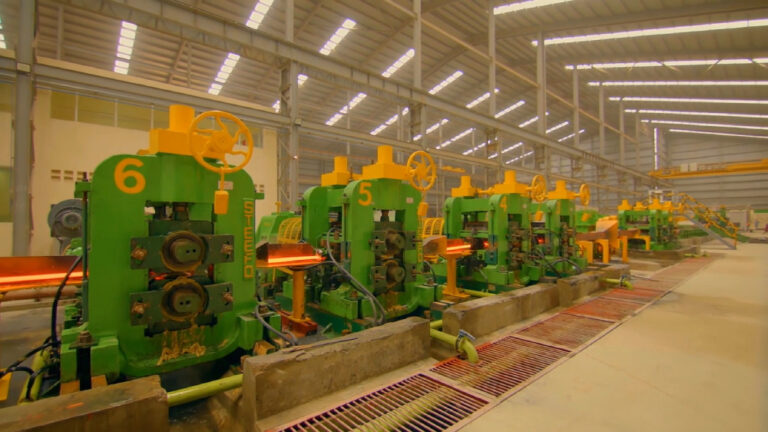
The steel industry is a cornerstone of modern manufacturing, where precision, durability, and efficiency are critical to success. At the heart of this process, rolling mills play a crucial role in shaping and processing steel, with shearing machines ensuring the final products meet the highest standards. These machines are responsible for cutting steel into precise lengths, enabling smooth and efficient production flows.

The Steefo Group, a leading hot rolling mill manufacturer based in India, is renowned for its expertise in designing and manufacturing custom shearing machines. Understanding that every steel production facility has unique operational demands, we go beyond offering off-the-shelf solutions by crafting custom solutions tailored to the specific requirements of specialised rolling mills.

This blog explores the vital role of shearing machines in rolling mills, the challenges posed by off-the-shelf solutions, and how The Steefo Group’s approach to custom designs is transforming the efficiency and quality of steel production.

The Role of a Shearing Machine in a Rolling Mill

A shearing machine serves a crucial function in a rolling mill, where steel products like billets, bars, and plates are shaped and cut to specified lengths. Shearing is the process of applying a high-force cutting action to steel, enabling manufacturers to cut and shape steel into the required dimensions. Without precision and speed, the entire production process could slow down, leading to inefficiencies and a reduction in overall output.

Types of Shearing Machines Used in Rolling Mills

  1. Flying Shear: This type of shearing machine is designed for high-speed operations. As the steel is continuously fed through the rolling mill, the flying shear cuts the material while it is still in motion. This shear is typically used for cutting billets or bars that are moving at high speeds, ensuring that the material is cut to the correct length without interrupting the flow of production. The flying shear’s ability to operate at high speeds makes it ideal for environments where rapid processing is required.
  2. Rotary Shear: Rotary shears use rotating blades to cut steel material. This shear is particularly well-suited for cutting large-diameter products or materials that require precision cutting without the risk of distortion. The rotary shear can be used in high-speed conditions, making it versatile and adaptable to various rolling mill environments.
  3. Cold Shear: Cold shearing is typically used for cutting steel that is not heated during the rolling process. Cold shears offer a high level of precision and are often employed when dealing with non-ferrous or coated steel products. They help ensure that the steel is cut without altering its physical properties, which is essential in industries where product specifications are stringent.

Each of these shearing machines serves a distinct purpose depending on the type of steel, speed, and processing requirements. By ensuring the precision of cuts, these machines directly contribute to production speed and quality control, which are essential in maintaining high standards in the steel industry.

Why Custom Shearing Machines Matter for Specialised Rolling Mills

While standard shearing machines work fine in many cases, specialised rolling mills often require equipment designed for specific operational demands. Off-the-shelf machines may not be up to the task of meeting these unique challenges, and in some cases, they could lead to inefficiencies, inconsistent cuts, or even equipment failure. This is where custom shearing machines from The Steefo Group make all the difference.

Challenges in Non-Standard or High-Performance Rolling Mills

In specialised rolling mills, production volumes, materials, and product types can vary widely. Whether a mill is processing high-strength alloys or continuously producing smaller batches, the machinery must be tailored to meet these demands. Traditional shearing machines may struggle with high-performance operations, often leading to bottlenecks or frequent breakdowns due to their inability to adapt to variable speeds and materials.

For example, a high-speed rolling mill producing small-diameter bars requires a shearing machine that can handle rapid cutting speeds without sacrificing accuracy. Similarly, rolling mills that process high-strength steel grades demand machines capable of cutting through tougher materials without causing defects or excessive wear on the blades.

Why Off-The-Shelf Shearing Machines May Not Deliver Consistent Results

Off-the-shelf shearing machines typically come with predefined cutting speeds, blade geometries, and control systems that work well in standard conditions. However, when a rolling mill operates under more extreme or specific conditions, these standard machines may struggle to maintain performance. Over time, this leads to:

  • Inconsistent Cuts: Precision is key in steel manufacturing, and off-the-shelf shears may produce uneven cuts, resulting in material wastage or inconsistencies in the final product.
  • Increased Wear and Tear: If the machine isn’t designed for the specific material or production speed of the mill, it will experience excessive wear, resulting in higher maintenance costs and downtime.
  • Energy Inefficiency: Generic machines may not be optimised for the rolling mill’s operational parameters, leading to higher energy consumption and increased operational costs.

The Benefits of Custom Designs

The primary advantage of custom shearing machines is their ability to address the unique needs of each client. These machines can be specifically designed for:

Optimised Blade Geometry:

Customised blade designs ensure that the shearing machine provides precise cuts, improving material yield and reducing scrap. By adjusting the angle, shape, and thickness of the blades, the machine is able to cut through a variety of steel grades with exceptional accuracy, reducing wastage and improving overall productivity. This level of customisation not only enhances cutting precision but also extends the lifespan of the blades, ultimately reducing maintenance costs.

Control Systems:

Advanced control systems can be tailored to meet the specific speed, pressure, and other parameters of the rolling mill. These systems ensure real-time monitoring and adjustment of machine operations, optimising cutting performance and reducing the chances of errors or malfunctions. Moreover, they enable seamless integration with the mill’s automation systems, allowing for faster response times and minimal downtime during production.

Energy Efficiency:

Custom solutions allow for the integration of energy-efficient components, which reduce operating costs and improve sustainability. Features such as energy-recovery systems, variable frequency drives (VFDs), and optimised hydraulic circuits can be incorporated, significantly reducing power consumption while maintaining peak performance. These energy-saving innovations not only cut costs but also contribute to a greener, more environmentally responsible production process.

Enhanced Reliability and Performance:

A custom-built machine is designed to meet the specific operational demands of the rolling mill, ensuring long-term performance and reliability. With tailored components designed to handle the exact workload, cutting speeds, and material types, custom shearing machines operate with fewer breakdowns and higher uptime. This results in smoother operations, improved throughput, and a greater return on investment over the machine’s lifetime.

The Steefo Group’s Design Philosophy for Custom Shearing Machines

At The Steefo Group, customisation is not just about altering the appearance of a shearing machine – it’s about tailoring every aspect of the design to optimise performance, durability, and maintenance. This approach is rooted in a design philosophy that values collaboration, innovation, and quality at every stage of the project.

Analysis, Consultation, and Collaboration

The Steefo Group begins each project by engaging with the client to understand the specific requirements of their rolling mill. Through detailed consultations, the team identifies key operational parameters such as material types, production speeds, and required output quality. This collaborative approach ensures that the final product is precisely aligned with the client’s needs.

Use of Advanced CAD and Simulation Tools

Once the requirements are gathered, The Steefo Group leverages cutting-edge CAD (Computer-Aided Design) and simulation technologies to refine the machine design. These tools enable the team to create highly detailed, accurate models of the shearing machine before any physical manufacturing begins. The simulation process helps predict potential issues, identify areas for improvement, and fine-tune the machine’s performance.

Focus on Durability, Precision, and Easy Maintenance

The company places a strong emphasis on creating shearing machines that are durable, precise, and easy to maintain. The Steefo Group understands that downtime is costly in a rolling mill, which is why we design machines with long service lives and minimal maintenance needs. Every component is chosen for its reliability, ensuring the shearing machine will perform consistently under the most demanding conditions.

Integration with Automated Rolling Mill Systems

As the steel industry moves toward greater automation, The Steefo Group ensures that its custom shearing machines are fully compatible with automated rolling mill systems. This integration streamlines operations, allowing for smoother material flow and more efficient production. Automated control systems can optimise the performance of both the rolling mill and the shearing machine, ensuring greater precision and reduced waste.

Key Features That Set Steefo’s Shearing Machines Apart

When it comes to shearing machines, The Steefo Group is recognised for its high standards of design, precision, and performance. Some of the standout features include:

  • High-Speed Cutting Accuracy: Custom-built for a range of materials and processing speeds, Steefo’s shearing machines ensure consistent, high-speed cutting with minimal deviation.
  • Hydraulic and Electronic Synchronisation: The integration of hydraulic systems with electronic controls ensures smooth, synchronous operation, reducing the risk of machine malfunctions and improving overall productivity.
  • Robust Build Quality: Designed for long-term use, Steefo’s shearing machines are built to withstand the rigours of high-performance rolling mills, ensuring longevity and reliability.
  • Customisation Options: Whether it’s blade geometry, cutting speed, or material handling capacity, Steefo’s machines are fully customisable to meet the specific needs of each rolling mill.

Innovation and Sustainability in Steefo’s Manufacturing Process

At The Steefo Group, innovation is a cornerstone of their approach to manufacturing. We are committed to developing sustainable, energy-efficient solutions that not only meet the demands of modern rolling mills but also help reduce the environmental footprint of the steel industry.

Energy-Efficient Systems

Energy consumption is a significant concern in the steel industry, and The Steefo Group addresses this by incorporating energy-efficient technologies in their shearing machines. Custom solutions are optimised to reduce power usage, helping clients lower operational costs and improve sustainability.

Ongoing R&D Efforts

The Steefo Group continues to invest heavily in research and development (R&D) to improve the performance of the shearing machines. From exploring the latest automation technologies to improving material handling systems, the company is always looking for ways to innovate and enhance its products.

Commitment to Global Certifications and Quality Standards

The Steefo Group’s shearing machines are built to meet international quality standards. The company holds several global certifications, assuring clients that every machine meets the highest levels of quality and performance.

FAQs

1. What is the purpose of a shearing machine in a rolling mill?

A shearing machine cuts steel products to precise lengths in rolling mills, playing a crucial role in maintaining the quality and consistency of the final product.

2. How does The Steefo Group design custom shearing machines for specialised rolling mills?

The Steefo Group works closely with clients, using advanced design tools and simulations to create machines that meet specific operational requirements.

3. What types of shearing machines are used in modern rolling mills?

Flying shears, rotary shears, and cold shears are the most common types used, each serving a different purpose based on the material and speed requirements.

4. Why should steel manufacturers choose The Steefo Group for custom shearing solutions?

The Steefo Group offers tailor-made solutions that optimise performance, reduce operational costs, and meet specific production needs, ensuring superior quality and efficiency.

5. How do customised shearing machines improve production efficiency in rolling mills?

Customised machines optimise cutting precision, material handling, and energy consumption, leading to smoother operations, reduced waste, and enhanced productivity.

Get a Custom Shearing Machine Solution from The Steefo Group

When it comes to optimising your steel production line, the right shearing machine can make all the difference. The Steefo Group specialises in creating custom shearing machines that are designed to meet the specific demands of your rolling mill. Whether you’re looking to improve cutting precision, enhance operational speed, or increase overall efficiency, our tailor-made solutions are built to drive success.

By choosing The Steefo Group, you are partnering with an industry leader known for its innovative approach and commitment to excellence. We work closely with you to understand your unique needs, and our team of experts ensures that every machine is crafted to fit seamlessly into your existing production process.

Reach out to us at +91 87589 98607 or send us your queries to marketing@thesteefogroup.com. Let us provide you with a custom shearing machine solution that elevates your production to new heights.

Categories
Blogs Rolling Mill

In the competitive world of steel production, efficiency, quality, and reliability determine long-term success. While equipment is at the heart of any steel plant, the relationship between a plant and its suppliers defines how well that equipment performs throughout its lifecycle. Traditionally, rolling mill manufacturers were viewed simply as suppliers of machinery—delivering equipment, fulfilling warranties, and moving on. But in today’s evolving industry, that perception is shifting rapidly.

Forward-looking manufacturers are no longer just vendors; they are technology partners. They provide expertise, continuous support, and innovative solutions that help steel plants remain competitive, sustainable, and future-ready. This partnership approach transforms rolling mills from just being operational assets into long-term enablers of growth.

The Traditional View of Rolling Mill Manufacturers

For decades, rolling mill manufacturers were often considered only as vendors in the procurement process. Their role was limited to designing and delivering machines that met basic technical requirements. Once installation was complete, responsibility largely shifted to the plant operators.

This transactional relationship came with several challenges:

  • Lack of strategic alignment: The focus was on immediate costs rather than long-term value creation.
  • Operational inefficiencies: Plants often faced unexpected downtimes due to limited after-sales support.
  • Knowledge gaps: Without continued guidance, operators struggled to optimise rolling mills for consistent performance.

When steel plants treat the purchase of machinery as a one-time transaction, they miss opportunities for efficiency, innovation, and cost savings. The result is higher operational risk, unplanned expenditures, and, over time, reduced competitiveness in the market.

Rolling Mill Manufacturers as Technology Partners

Modern rolling mill manufacturers such as The Steefo Group have redefined their role in the steelmaking ecosystem. Instead of being equipment suppliers, they are now long-term collaborators who work alongside steel producers to ensure operational excellence.

This partnership approach involves:

  • Collaboration from design to commissioning: Manufacturers consult with plants during the design phase to customise rolling mills for specific production needs. They provide insights on layout, automation, and material flow to improve efficiency.
  • Risk reduction through expertise: By partnering with experienced manufacturers, plants minimise technical risks such as mismatched designs, incorrect sizing, or underperforming equipment.
  • Ongoing performance assurance: Through monitoring, training, and after-sales services, manufacturers help steel plants achieve consistent quality and productivity.

By viewing rolling mill manufacturers as technology partners, steel plants gain not just equipment but also a roadmap for continuous improvement and innovation.

Lifecycle Support: Why It Matters for Steel Plants

One of the most valuable aspects of partnering with rolling mill manufacturers is lifecycle support. Steel plants operate in demanding environments where downtime can translate into significant financial losses. Continuous support ensures rolling mills remain productive, efficient, and safe throughout their operational life.

Key elements of lifecycle support include:

  • Maintenance schedules and predictive servicing: Manufacturers develop preventive maintenance plans tailored to the specific design of the mill. With predictive technologies, they can anticipate failures before they occur, minimising downtime.
  • Spare parts availability and supply chain assurance: Having a reliable partner ensures that critical spare parts are always accessible, reducing delays in case of breakdowns.
  • Training and skill development: Skilled operators are essential for optimal mill performance. Manufacturers often provide training programs to equip plant personnel with the knowledge to run, maintain, and troubleshoot the equipment effectively.
  • Extending equipment life: Through inspections, refurbishments, and upgrades, manufacturers help plants maximise the lifespan of their rolling mills, delaying the need for costly replacements.

For example, a plant that integrates lifecycle support may achieve 20–30% longer equipment life compared to those relying only on internal maintenance teams. This translates into higher return on investment and more predictable operations.

Upgrades and Plant Modernisation

The steel industry is evolving at a pace never seen before, driven by rising demand, stricter sustainability standards, and rapid digital transformation. In this environment, plant modernisation is not just an option—it’s a necessity.

Rolling mill manufacturers play a central role in this transformation by offering:

  • Automation upgrades: Advanced control systems improve precision, reduce waste, and ensure consistent quality in steel output.
  • Digital controls and IoT integration: Smart technologies enable real-time monitoring, predictive analytics, and data-driven decision-making. This leads to improved efficiency and reduced downtime.
  • Energy efficiency improvements: Manufacturers design modernisation solutions that lower energy consumption, aligning with global sustainability goals and reducing operational costs.

By providing modernisation pathways, rolling mill manufacturers enable steel plants to remain agile and competitive in a market where efficiency and sustainability are crucial differentiators.

The ROI of Long-Term Partnerships with Rolling Mill Manufacturers

When steel producers view manufacturers as long-term partners rather than one-time vendors, the return on investment (ROI) extends far beyond the initial purchase price of the machinery. Partnering with experienced rolling mill manufacturers creates measurable and intangible benefits that directly influence profitability and competitiveness.

  • Cost savings through reduced downtime: Unexpected breakdowns can halt production and cause huge financial losses. With lifecycle support, predictive maintenance, and a strong spare parts network, rolling mills operate with fewer interruptions. Even a single day of avoided downtime can offset months of maintenance costs.
  • Better quality steel output: Quality directly impacts the reputation of a steel producer. Partnering with manufacturers ensures rolling mills are optimised for precision, resulting in consistent product quality. This translates into higher customer satisfaction, fewer rejections, and stronger market competitiveness.
  • Faster response to industry shifts: Steel demand is influenced by global infrastructure projects, construction booms, and technological changes. Rolling mill manufacturers provide upgrades and modernisations, such as automation and IoT integration, that enable plants to adapt quickly to market demands without overhauling the entire setup.
  • Tangible vs. intangible returns: Tangible benefits include extended equipment lifespan, improved productivity, and lower energy consumption. Intangible benefits, while harder to measure, are equally valuable: enhanced trust between partners, smoother collaboration, faster innovation adoption, and a reputation for reliability in the global marketplace.

Together, these outcomes prove that a partnership model with rolling mill manufacturers delivers far greater ROI than transactional vendor relationships.

Key Qualities to Look for in a Rolling Mill Manufacturer Partner

Not all rolling mill manufacturers offer the same level of expertise or commitment. When selecting a partner, steel producers should evaluate qualities that ensure long-term alignment with their business objectives.

  • Proven expertise in different types of rolling mills: A capable partner should have a strong track record across various mill types, hot rolling mills, cold rolling mills, section mills, and bar mills. This ensures they understand diverse operational requirements and can tailor solutions accordingly.
  • Global service network and responsiveness: In today’s interconnected world, steel producers may serve multiple regions. A rolling mill manufacturer with a global service footprint ensures quick support, wherever the plant is located. Responsiveness in emergencies is critical to keeping production uninterrupted.
  • R&D and innovation focus: The steel industry is undergoing digital transformation, with automation, artificial intelligence, and sustainability playing central roles. Manufacturers investing in research and development provide forward-looking solutions that future-proof their clients’ operations.
  • Transparency in after-sales support: Clear communication, documented service agreements, and visible commitment to spare parts availability are markers of a reliable partner. Plants should look for manufacturers who prioritise long-term relationships over short-term sales.

Choosing a rolling mill manufacturer with these qualities lays the foundation for a partnership that can withstand evolving industry challenges.

Why Buyers Should Shift from Vendor to Partner Mindset

For many steel producers, the greatest challenge is not technical—it’s strategic. Viewing manufacturers as transactional vendors may appear cost-effective in the short term, but it often limits growth potential. A partner mindset brings significant long-term benefits:

  • Future-proofing investments in steel production: Steel plants that collaborate with manufacturers gain access to regular upgrades, training, and modernisation solutions. This prevents technology obsolescence and ensures that the rolling mills remain competitive even a decade after installation.
  • Building trust and technical alignment: When manufacturers work closely with plant teams, they gain a deeper understanding of operational challenges. This alignment allows them to recommend customised solutions, streamline processes, and ensure reliability. Over time, mutual trust reduces friction in decision-making and accelerates project execution.
  • Long-term competitive advantage in global steel markets: With globalisation, steel producers must meet international quality standards while controlling costs. A strong partnership with a manufacturer enables plants to deliver consistent, high-quality output while maintaining operational efficiency. This creates a sustainable edge over competitors relying on one-off purchases.

Shifting to a partnership model is not only about equipment, it’s about ensuring resilience and adaptability in an unpredictable global market.

Partner with a Leading Rolling Mill Manufacturer for Long-Term Success

In today’s dynamic steel industry, equipment alone cannot guarantee success. You need a partner who stands with you at every step. The Steefo Group, a trusted name among leading rolling mill manufacturers, goes beyond machinery to deliver expertise, innovation, and end-to-end support that empower your plant for the future. From design consultation and installation to lifecycle maintenance, modernisation, and operator training, Steefo ensures your rolling mills achieve peak performance year after year.

Future-proof your investments with a partner that acts as your true technology ally. With Steefo by your side, you can enhance efficiency, ensure superior steel quality, minimise downtime, and stay ahead of industry shifts.

Ready to elevate your steel plant’s potential? Choose The Steefo Group and unlock long-term competitive advantage. Call us at +91 87589 98607 or send us an email to marketing@thesteefogroup.com for further information about our products and services.