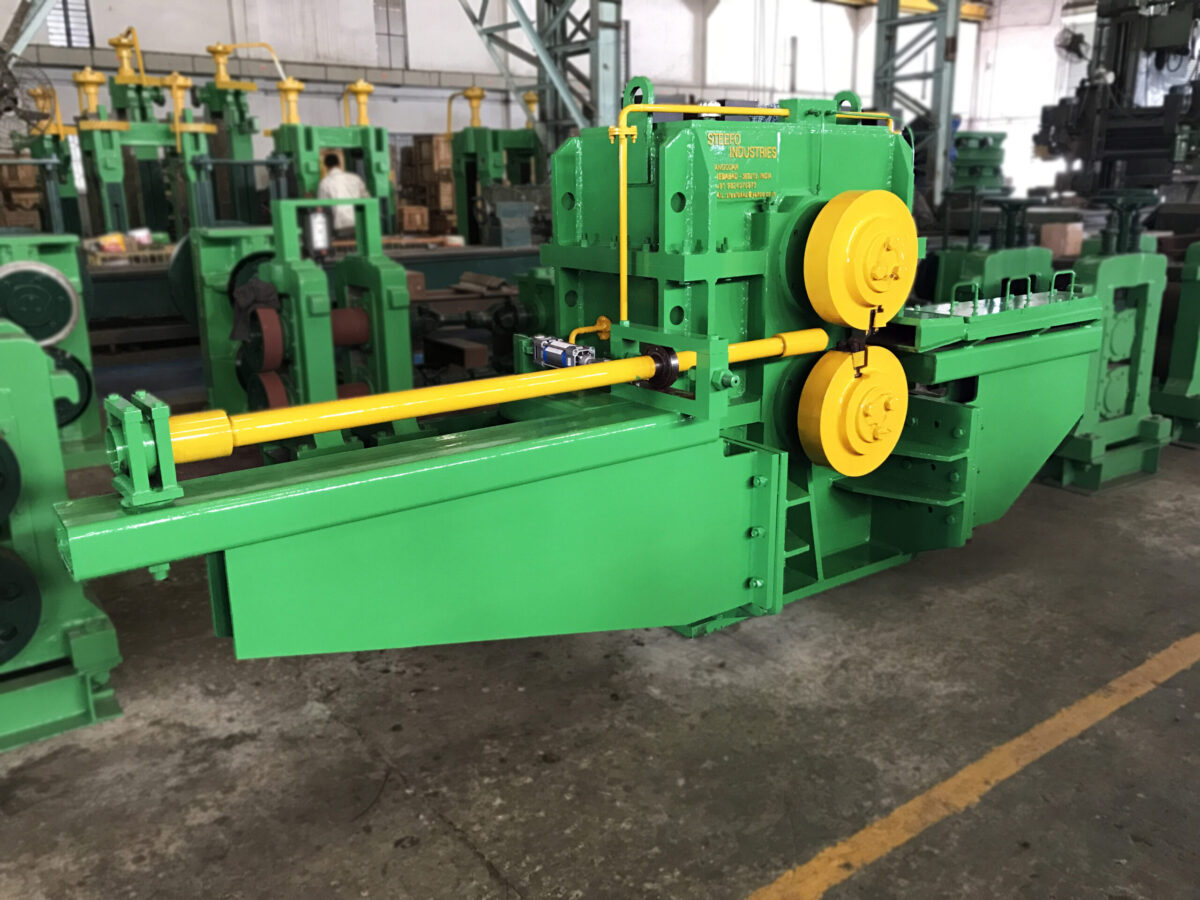
Categories
Blogs Rolling Mill

The environment inside a high-speed hot rolling mill is incredibly fast and demanding. Red-hot steel moves down the production line at blistering speeds. Even a microsecond delay can cause catastrophic material pile-ups.

Seamless material flow is the backbone of plant throughput. The critical transition from the finishing stands to the cooling beds determines your final daily output. Conventional shears simply cannot keep up with today’s high-speed production lines.

What Do Automated Shearing Machines Do?

Automated shearing machines are advanced precision metal cutting systems that use programmable logic controllers and smart sensors to cut moving steel at exact lengths without stopping the production line. These intelligent systems eliminate bottlenecks and transform raw metal into finished products seamlessly.

Let us explore how automation turns these heavy-duty machines into highly predictable profit drivers.

The Evolution of Shearing Machines in Modern Steel Plants

Steel manufacturing has transformed drastically over the last few decades. Upgrading from manual interventions to fully automated setups is now mandatory for survival. You must adopt advanced technologies to remain competitive.

Early steel plants relied heavily on basic mechanical leverage. Today, modern operations connect continuous casting directly to intelligent cutting systems.

Why Manual Mechanical Shears Fall Behind

Manual and semi-automated mechanical shears rely heavily on human intervention. Operators must manually trigger levers to cut the incoming metal.

These slow lever responses inevitably cause severe production bottlenecks. Human reaction times cannot match the speed of a high-capacity rolling mill.

This delay creates inaccurate cuts and inconsistent lengths. These errors often result in structural bar deformities that fail quality control checks. Your rejection rates climb, and your profits shrink.

How Automation Redefines Continuous Mill Operations

Automation introduces true continuous non-stop processing on your factory floor. The metal flows from the furnace to the cooling bed without a single pause.

Automated machinery adapts instantly to sudden changes in rolling mill speed. If the upstream stands speed up, the cutting blades accelerate to match the pace.

This creates a synchronised dance of heavy machinery. It completely removes the guesswork from metal cutting accuracy and ensures optimal plant throughput.

Technical Systems Powering Automated Shearing Machines

The true magic of automation lies inside the hardware and software architecture. Advanced electronics take complete control of the mechanical components.

Understanding these internal systems helps plant engineers optimise their daily cycle time.

1. PLC Integration for Split-Second Blade Synchronisation

Programmable Logic Controllers (PLCs) act as the brain of modern shearing machines. These industrial computers calculate the exact linear speed of the incoming hot steel bar.

PLCs use advanced closed-loop feedback to process data in milliseconds. They ensure perfect synchronisation between the blade movement and the moving metal.

This high-speed blade actuation guarantees a perfectly clean cut every single time. Continuous line speeds remain stable because the cutting mechanism never lags behind.

2. Smart Sensors for Exact Crop Optimisation

Infrared pyrometers and laser sensors monitor the steel continuously. They detect the exact head and tail ends of the hot billets as they approach the crop shears.

This real-time measurement drives aggressive crop optimisation. The sensors tell the blade exactly where to cut to remove only the defective ends.

Precise cutting prevents excessive metal loss during the cropping phase. You retain more usable steel and dramatically improve your overall yield.

3. Intelligent Human-Machine Interface (HMI) for Real-Time Data Display

HMI systems give operators a crystal-clear view of the production floor. These digital touchscreens display real-time metrics about blade health and daily cut counts.

Operators can monitor the entire cutting process from a safe distance. They never have to step near the active hot zone to check machine status.

Intelligent HMIs also display specific diagnostic error codes. This instantly points maintenance teams to the problem and lowers overall troubleshooting time.

Direct Production Benefits for Billet and TMT Manufacturers

Upgrading your plant machinery requires a solid business case. The financial return on investment is the most critical factor for plant owners.

Automated shearing machines deliver massive cost savings and immediate revenue boosts.

1. Higher Material Yield with Minimal End-Crop Waste

Precise automated cuts maximise the total number of sellable TMT bars per billet. Yield optimisation is the fastest way to increase your profit margins.

Let us look at a practical steel industry metric.

Imagine a hot rolling mill producing 500,000 tons of steel annually.

Reducing scrap waste by just 0.5 per cent saves 2,500 tons of steel every single year. This fraction of a per cent translates into millions in recovered revenue.

2. Uninterrupted High-Speed Rolling Mill Performance

Automatic flying shears prevent devastating material blockages on the mill floor. They cut the steel while it is moving and instantly return to their starting positions.

This creates a smooth and predictable cycle time. The continuous flow of cut steel keeps the downstream processing moving without delays.

Consistent performance ensures the entire cooling bed operates at peak capacity. You get more finished products out the door every single shift.

3. Enhanced Dimensional Accuracy Across Every Batch

Automated controls maintain strict compliance with global construction standards. Builders demand exact bar lengths for their engineering projects.

Smart shearing machines deliver unparalleled metal cutting accuracy across every single batch. The finished TMT bars are uniform and ready for market.

This precision eliminates the need for manual secondary trimming processes. You save labour costs and speed up your final delivery timelines.

Manual vs. Automated Shearing Machines: Performance Metrics

Metric

Manual Shearing Machine

Automated Shearing Machine

Cut Accuracy Highly variable Millimeter precision
Scrap Generation High end-crop waste Optimised minimum waste
Mill Synchronisation Poor Instant adaptation
Labor Requirement High manual intervention Minimal remote monitoring

How Predictive Maintenance Protects Heavy-Duty Blade Lifespans

Heavy-duty cutting machinery undergoes immense physical stress daily. Friction and extreme heat constantly degrade the internal components.

Automation introduces predictive maintenance to protect your investment. Plant engineers can fix problems before a breakdown happens.

Vibration and Temperature Sensors for Wear Analysis

Automated systems track the physical stress on shearing machines during heavy operation. Sensors constantly measure bearing vibrations and motor temperatures.

Software compares this data against safe operational thresholds. It sends immediate alerts to maintenance crews if a machine runs too hot or shakes too much.

This proactive approach allows you to schedule repairs during planned downtime. You successfully prevent total blade failure and avoid massive repair bills.

Automated Lubrication Systems That Reduce Human Error

Proper lubrication is essential for high-speed billet shears. Timed mechanical oiling extends the lifespan of internal gears and moving knife holders.

Automated pumps deliver the required amount of grease at specific intervals. The system guarantees that no moving part runs dry.

Contrast this with manual lubrication schedules that often get missed during hectic shifts. Automated oiling removes human error and keeps the machine running smoothly.

Boost Safety and Operational Efficiency on the Mill Floor

A modern rolling mill poses severe hazards to floor workers. Moving metal, extreme heat, and flying debris are constant threats.

Automation drastically improves workforce safety and helps you meet strict regulatory compliance.

Remote Operator Booths Away From Hazardous Zones

Automated controls allow personnel to manage the equipment from enclosed climate-controlled spaces. Operators rely on cameras and HMIs instead of standing next to the machinery.

This distance keeps workers safe from flying sparks and hot scale debris. The risk of accidental burns drops to nearly zero.

Emphasising remote operations leads to a drastic reduction in workplace injuries. Your employees feel safer, and your insurance premiums often decrease.

Instant Shut-Off Triggers During Material Jams

Cobbles and material jams are an unfortunate reality in steel manufacturing. Loop sensors act as the first line of defence when a blockage occurs.

These sensors identify immediate line blockages and halt the shearing machines instantly. The system reacts much faster than any human pressing an emergency stop button.

This automated safety step protects neighbouring hot rolling mill equipment from collateral damage. You save hundreds of thousands of dollars in secondary equipment repairs.

Upgrade Your Existing Production Line With Automation

Plant owners often face a difficult decision when modernising. You must choose between a factory retrofit and a completely new turnkey installation.

Old mechanical shearing machines can often receive powerful PLC retrofits. Engineers can install new servo motors and sensors onto your existing heavy iron frames.

This approach extends your plant capabilities without initial capital expenditure. You gain the benefits of automated crop optimisation and high-speed cutting for a fraction of the cost of new equipment.

However, older frames may eventually limit your maximum production speed. Consult with industry engineers to determine if a retrofit or a new installation offers the best long-term return.

Conclusion

Automation transforms shearing machines from high-risk bottlenecks into predictable profit drivers. Upgrading your cutting systems ensures continuous casting flow, drastic scrap reduction, and guaranteed dimensional accuracy. You protect your workers while maximising your daily plant throughput and total yield.

Stop letting outdated machinery dictate your production limits. Consult with specialised rolling mill engineering experts today to audit your current layout and discover the perfect automation solution for your plant.

Frequently Asked Questions

1. What is the main function of shearing machines in a rolling mill?

Automated shearing machines cut hot steel billets and TMT bars to exact lengths during continuous production. They use smart sensors to optimise cuts, minimise scrap waste, and ensure smooth material flow across the hot rolling mill floor.

2. How does automation improve billet crop shear efficiency?

Automated systems use programmable logic controllers and infrared sensors to detect the precise ends of moving steel. This real-time synchronisation guarantees clean cuts, reduces end-crop waste, and prevents downstream blockages.

3. Can you retrofit older hot rolling mill cutting equipment?

Yes, plant engineers can upgrade older mechanical shearing machines with modern PLC retrofits, servo motors, and automated lubrication systems. This cost-effective solution increases cutting accuracy and plant throughput without requiring a completely new installation.

4. Why is predictive maintenance important for metal cutting blades?

Continuous high-speed cutting creates significant physical stress. Predictive sensors monitor motor temperatures and blade vibrations in real time. This alerts maintenance teams to potential wear early and prevents total machine failure during active shifts.

5. How do automated flying shears increase worker safety?

They allow operators to control heavy machinery from remote, climate-controlled booths. This removes personnel from hazardous active zones and drastically reduces the risk of workplace injuries caused by hot metal, flying scale, and moving parts.

6. How do automated shearing machines impact long-term plant ROI?

By minimising end-crop scrap and eliminating manual secondary trimming, these systems directly maximise material yield. The drastic reduction in unplanned operational downtime and material waste ensures rapid capital recovery for the hot rolling mill.

7. What ensures cutting precision when a rolling mill runs at peak speed?

Advanced PLC integration handles split-second blade synchronisation. High-speed closed-loop feedback systems calculate the exact linear speed of the moving steel bar, ensuring the blade matches the identical pace required for millimetre-perfect cuts.

Transform Your Mill Floor with Steefo Engineering Excellence

In a highly competitive global market, minor equipment delays can quickly drain your daily profits. The Steefo Group designs robust, high-speed shearing machines and integrated hot rolling mill systems built specifically to eliminate production bottlenecks. Our role goes far beyond delivering industrial hardware. Our team delivers customised turnkey engineering solutions that maximise material yield, reduce scrap waste, and lower long-term operational costs.

Our advanced automated components sync seamlessly with your continuous operations to protect your workforce and boost cutting precision. Whether your plant requires a powerful technical retrofit or a completely new turnkey facility design, our decades of engineering expertise ensure your investment drives immediate financial returns.

Contact our specialised engineering consultant at +91 87589 98607 or email us at marketing@thesteefogroup.com to schedule a comprehensive facility audit. Let us build a more profitable, safer, and highly efficient production future together.

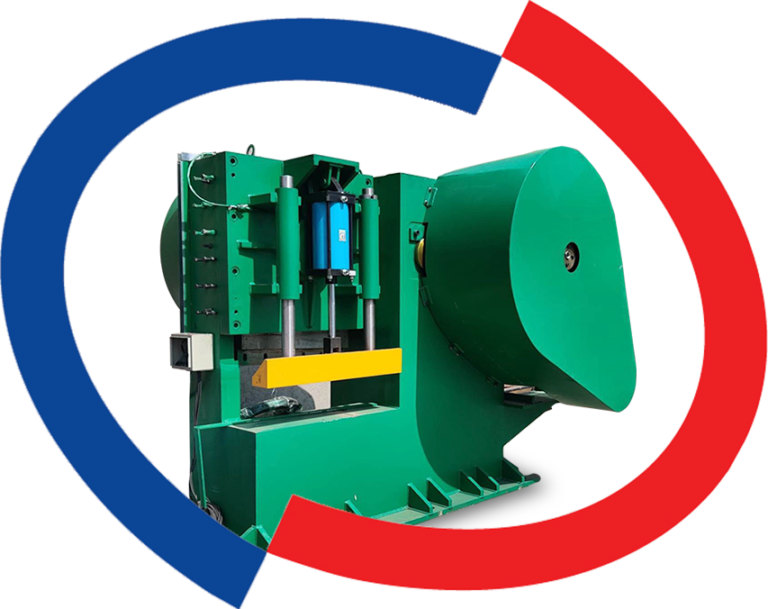
Categories
Blogs Rolling Mill

The steel industry is a cornerstone of modern manufacturing, where precision, durability, and efficiency are critical to success. At the heart of this process, rolling mills play a crucial role in shaping and processing steel, with shearing machines ensuring the final products meet the highest standards. These machines are responsible for cutting steel into precise lengths, enabling smooth and efficient production flows.

The Steefo Group, a leading hot rolling mill manufacturer based in India, is renowned for its expertise in designing and manufacturing custom shearing machines. Understanding that every steel production facility has unique operational demands, we go beyond offering off-the-shelf solutions by crafting custom solutions tailored to the specific requirements of specialised rolling mills.

This blog explores the vital role of shearing machines in rolling mills, the challenges posed by off-the-shelf solutions, and how The Steefo Group’s approach to custom designs is transforming the efficiency and quality of steel production.

The Role of a Shearing Machine in a Rolling Mill

A shearing machine serves a crucial function in a rolling mill, where steel products like billets, bars, and plates are shaped and cut to specified lengths. Shearing is the process of applying a high-force cutting action to steel, enabling manufacturers to cut and shape steel into the required dimensions. Without precision and speed, the entire production process could slow down, leading to inefficiencies and a reduction in overall output.

Types of Shearing Machines Used in Rolling Mills

  1. Flying Shear: This type of shearing machine is designed for high-speed operations. As the steel is continuously fed through the rolling mill, the flying shear cuts the material while it is still in motion. This shear is typically used for cutting billets or bars that are moving at high speeds, ensuring that the material is cut to the correct length without interrupting the flow of production. The flying shear’s ability to operate at high speeds makes it ideal for environments where rapid processing is required.
  2. Rotary Shear: Rotary shears use rotating blades to cut steel material. This shear is particularly well-suited for cutting large-diameter products or materials that require precision cutting without the risk of distortion. The rotary shear can be used in high-speed conditions, making it versatile and adaptable to various rolling mill environments.
  3. Cold Shear: Cold shearing is typically used for cutting steel that is not heated during the rolling process. Cold shears offer a high level of precision and are often employed when dealing with non-ferrous or coated steel products. They help ensure that the steel is cut without altering its physical properties, which is essential in industries where product specifications are stringent.

Each of these shearing machines serves a distinct purpose depending on the type of steel, speed, and processing requirements. By ensuring the precision of cuts, these machines directly contribute to production speed and quality control, which are essential in maintaining high standards in the steel industry.

Why Custom Shearing Machines Matter for Specialised Rolling Mills

While standard shearing machines work fine in many cases, specialised rolling mills often require equipment designed for specific operational demands. Off-the-shelf machines may not be up to the task of meeting these unique challenges, and in some cases, they could lead to inefficiencies, inconsistent cuts, or even equipment failure. This is where custom shearing machines from The Steefo Group make all the difference.

Challenges in Non-Standard or High-Performance Rolling Mills

In specialised rolling mills, production volumes, materials, and product types can vary widely. Whether a mill is processing high-strength alloys or continuously producing smaller batches, the machinery must be tailored to meet these demands. Traditional shearing machines may struggle with high-performance operations, often leading to bottlenecks or frequent breakdowns due to their inability to adapt to variable speeds and materials.

For example, a high-speed rolling mill producing small-diameter bars requires a shearing machine that can handle rapid cutting speeds without sacrificing accuracy. Similarly, rolling mills that process high-strength steel grades demand machines capable of cutting through tougher materials without causing defects or excessive wear on the blades.

Why Off-The-Shelf Shearing Machines May Not Deliver Consistent Results

Off-the-shelf shearing machines typically come with predefined cutting speeds, blade geometries, and control systems that work well in standard conditions. However, when a rolling mill operates under more extreme or specific conditions, these standard machines may struggle to maintain performance. Over time, this leads to:

  • Inconsistent Cuts: Precision is key in steel manufacturing, and off-the-shelf shears may produce uneven cuts, resulting in material wastage or inconsistencies in the final product.
  • Increased Wear and Tear: If the machine isn’t designed for the specific material or production speed of the mill, it will experience excessive wear, resulting in higher maintenance costs and downtime.
  • Energy Inefficiency: Generic machines may not be optimised for the rolling mill’s operational parameters, leading to higher energy consumption and increased operational costs.

The Benefits of Custom Designs

The primary advantage of custom shearing machines is their ability to address the unique needs of each client. These machines can be specifically designed for:

Optimised Blade Geometry:

Customised blade designs ensure that the shearing machine provides precise cuts, improving material yield and reducing scrap. By adjusting the angle, shape, and thickness of the blades, the machine is able to cut through a variety of steel grades with exceptional accuracy, reducing wastage and improving overall productivity. This level of customisation not only enhances cutting precision but also extends the lifespan of the blades, ultimately reducing maintenance costs.

Control Systems:

Advanced control systems can be tailored to meet the specific speed, pressure, and other parameters of the rolling mill. These systems ensure real-time monitoring and adjustment of machine operations, optimising cutting performance and reducing the chances of errors or malfunctions. Moreover, they enable seamless integration with the mill’s automation systems, allowing for faster response times and minimal downtime during production.

Energy Efficiency:

Custom solutions allow for the integration of energy-efficient components, which reduce operating costs and improve sustainability. Features such as energy-recovery systems, variable frequency drives (VFDs), and optimised hydraulic circuits can be incorporated, significantly reducing power consumption while maintaining peak performance. These energy-saving innovations not only cut costs but also contribute to a greener, more environmentally responsible production process.

Enhanced Reliability and Performance:

A custom-built machine is designed to meet the specific operational demands of the rolling mill, ensuring long-term performance and reliability. With tailored components designed to handle the exact workload, cutting speeds, and material types, custom shearing machines operate with fewer breakdowns and higher uptime. This results in smoother operations, improved throughput, and a greater return on investment over the machine’s lifetime.

The Steefo Group’s Design Philosophy for Custom Shearing Machines

At The Steefo Group, customisation is not just about altering the appearance of a shearing machine – it’s about tailoring every aspect of the design to optimise performance, durability, and maintenance. This approach is rooted in a design philosophy that values collaboration, innovation, and quality at every stage of the project.

Analysis, Consultation, and Collaboration

The Steefo Group begins each project by engaging with the client to understand the specific requirements of their rolling mill. Through detailed consultations, the team identifies key operational parameters such as material types, production speeds, and required output quality. This collaborative approach ensures that the final product is precisely aligned with the client’s needs.

Use of Advanced CAD and Simulation Tools

Once the requirements are gathered, The Steefo Group leverages cutting-edge CAD (Computer-Aided Design) and simulation technologies to refine the machine design. These tools enable the team to create highly detailed, accurate models of the shearing machine before any physical manufacturing begins. The simulation process helps predict potential issues, identify areas for improvement, and fine-tune the machine’s performance.

Focus on Durability, Precision, and Easy Maintenance

The company places a strong emphasis on creating shearing machines that are durable, precise, and easy to maintain. The Steefo Group understands that downtime is costly in a rolling mill, which is why we design machines with long service lives and minimal maintenance needs. Every component is chosen for its reliability, ensuring the shearing machine will perform consistently under the most demanding conditions.

Integration with Automated Rolling Mill Systems

As the steel industry moves toward greater automation, The Steefo Group ensures that its custom shearing machines are fully compatible with automated rolling mill systems. This integration streamlines operations, allowing for smoother material flow and more efficient production. Automated control systems can optimise the performance of both the rolling mill and the shearing machine, ensuring greater precision and reduced waste.

Key Features That Set Steefo’s Shearing Machines Apart

When it comes to shearing machines, The Steefo Group is recognised for its high standards of design, precision, and performance. Some of the standout features include:

  • High-Speed Cutting Accuracy: Custom-built for a range of materials and processing speeds, Steefo’s shearing machines ensure consistent, high-speed cutting with minimal deviation.
  • Hydraulic and Electronic Synchronisation: The integration of hydraulic systems with electronic controls ensures smooth, synchronous operation, reducing the risk of machine malfunctions and improving overall productivity.
  • Robust Build Quality: Designed for long-term use, Steefo’s shearing machines are built to withstand the rigours of high-performance rolling mills, ensuring longevity and reliability.
  • Customisation Options: Whether it’s blade geometry, cutting speed, or material handling capacity, Steefo’s machines are fully customisable to meet the specific needs of each rolling mill.

Innovation and Sustainability in Steefo’s Manufacturing Process

At The Steefo Group, innovation is a cornerstone of their approach to manufacturing. We are committed to developing sustainable, energy-efficient solutions that not only meet the demands of modern rolling mills but also help reduce the environmental footprint of the steel industry.

Energy-Efficient Systems

Energy consumption is a significant concern in the steel industry, and The Steefo Group addresses this by incorporating energy-efficient technologies in their shearing machines. Custom solutions are optimised to reduce power usage, helping clients lower operational costs and improve sustainability.

Ongoing R&D Efforts

The Steefo Group continues to invest heavily in research and development (R&D) to improve the performance of the shearing machines. From exploring the latest automation technologies to improving material handling systems, the company is always looking for ways to innovate and enhance its products.

Commitment to Global Certifications and Quality Standards

The Steefo Group’s shearing machines are built to meet international quality standards. The company holds several global certifications, assuring clients that every machine meets the highest levels of quality and performance.

FAQs

1. What is the purpose of a shearing machine in a rolling mill?

A shearing machine cuts steel products to precise lengths in rolling mills, playing a crucial role in maintaining the quality and consistency of the final product.

2. How does The Steefo Group design custom shearing machines for specialised rolling mills?

The Steefo Group works closely with clients, using advanced design tools and simulations to create machines that meet specific operational requirements.

3. What types of shearing machines are used in modern rolling mills?

Flying shears, rotary shears, and cold shears are the most common types used, each serving a different purpose based on the material and speed requirements.

4. Why should steel manufacturers choose The Steefo Group for custom shearing solutions?

The Steefo Group offers tailor-made solutions that optimise performance, reduce operational costs, and meet specific production needs, ensuring superior quality and efficiency.

5. How do customised shearing machines improve production efficiency in rolling mills?

Customised machines optimise cutting precision, material handling, and energy consumption, leading to smoother operations, reduced waste, and enhanced productivity.

Get a Custom Shearing Machine Solution from The Steefo Group

When it comes to optimising your steel production line, the right shearing machine can make all the difference. The Steefo Group specialises in creating custom shearing machines that are designed to meet the specific demands of your rolling mill. Whether you’re looking to improve cutting precision, enhance operational speed, or increase overall efficiency, our tailor-made solutions are built to drive success.

By choosing The Steefo Group, you are partnering with an industry leader known for its innovative approach and commitment to excellence. We work closely with you to understand your unique needs, and our team of experts ensures that every machine is crafted to fit seamlessly into your existing production process.

Reach out to us at +91 87589 98607 or send us your queries to marketing@thesteefogroup.com. Let us provide you with a custom shearing machine solution that elevates your production to new heights.

Categories
Blogs Rolling Mill

In the world of hot rolling mills, shearing machines play a vital role in slicing hot metal strips into precise lengths and shapes. Their accuracy and efficiency directly affect production quality, throughput, and material yield. However, like any high-performance industrial equipment, these machines can develop issues due to wear, misalignment, operational overload, or insufficient maintenance.

When a shearing machine begins to falter—be it through inaccurate cuts, equipment jams, or loud vibrations—the entire mill operation can suffer. Downtime, material wastage, and reduced product quality aren’t just inconveniences; they translate to lost revenue and missed deadlines.

This blog dives into the most common shearing machine issues found in hot rolling mills, along with troubleshooting tips and preventive maintenance practices to help mill operators keep operations smooth and efficient.

Common Shearing Machine Issues and Solutions

1. Inconsistent Cut Lengths

Symptoms: Finished metal pieces vary in length, causing quality control issues or non-compliance with customer specs.

Possible Causes:

  • Blade misalignment or dull edges
  • Incorrect timing or synchronisation of the flying shear
  • Improper material feed speed
  • Servo or encoder errors

Potential Solutions:

  • Recalibrate timing and check encoder signals for accuracy
  • Inspect and replace worn or chipped shear blades
  • Ensure feed rollers and conveyors are aligned and functioning correctly
  • Reprogram or fine-tune the machine’s PLC for better coordination

Maintaining consistent cut lengths is crucial for downstream processing and minimising rework.

2. Increased Material Waste

Symptoms: High scrap rates, frequent edge trimming, or off-spec cut products.

Possible Causes:

  • Incorrect shear settings
  • Poor blade condition
  • Lag in communication between drive systems and shearing control
  • Inaccurate detection of entry position

Potential Solutions:

  • Implement a vision-based or laser detection system for better alignment
  • Conduct blade sharpening or timely replacement
  • Review machine control programs for sync issues
  • Train operators to optimise material feed and shear parameters

Cutting inefficiencies can quietly drain resources. Early detection of waste patterns helps curb material losses.

3. Poor Cutting Quality

Symptoms: Jagged, rough, or angled cuts; burring along the edges.

Possible Causes:

  • Worn, chipped, or improperly aligned blades
  • Incorrect cutting force or clearance
  • Mechanical play or looseness in the shear frame
  • Vibrations during cutting

Potential Solutions:

  • Reset blade clearance and positioning based on material specs
  • Tighten any loose mechanical components
  • Upgrade to high-alloy steel blades for longer life
  • Introduce vibration dampers if required

Good cutting quality enhances downstream processing efficiency, especially when preparing for coiling or stacking.

4. Machine Stalls or Jams

Symptoms: Unexpected stoppage of the shearing machine, feeding halts, or failure to retract/reposition the blades.

Possible Causes:

  • Overload due to incorrect thickness or hardness of metal
  • Hydraulic system failure
  • Motor or drive system issues
  • Software glitches

Potential Solutions:

  • Check hydraulic pressure levels and fluid health
  • Inspect drive belts, gears, and motors for faults
  • Clear material jams manually with safety precautions
  • Perform a PLC system reset or restore backup parameters

Machine jams are often a result of stress accumulation or overlooked maintenance cues.

5. Overheating and Excessive Wear

Symptoms: Machine surfaces too hot to touch, blade dulling, premature part failure.

Possible Causes:

  • Inadequate cooling systems
  • Excessive friction due to lack of lubrication
  • Overworking the machine without scheduled pauses
  • Poor ambient ventilation

Potential Solutions:

  • Implement regular lubrication schedules
  • Upgrade cooling units or use coolant sprays near shear zones
  • Ensure environmental fans and airflow ducts are functioning
  • Invest in temperature sensors to alert operators of high-heat sones

Overheating can escalate quickly into major equipment failure. Prevention is better and far cheaper than cure.

6. Vibration and Noise Issues

Symptoms: Loud screeching, clanking, or abnormal rhythmic vibration during operations.

Possible Causes:

  • Worn bearings or bushings
  • Unbalanced flywheels or misaligned rotating components
  • Loose machine base or anchor bolts
  • Blade or shaft misalignment

Potential Solutions:

  • Tighten and secure all fixtures and anchoring points
  • Balance the flywheel and rotating shafts
  • Replace bearings and conduct routine alignment checks
  • Isolate machine using vibration-dampening mounts or pads

If your shearing machine starts to sound like a rock concert, it’s time to dig deeper.

Safety Considerations During Troubleshooting

When troubleshooting a shearing machine in a hot rolling mill, safety should never be treated as an afterthought. These machines operate at high speeds, under extreme heat, and involve heavy mechanical forces. Diagnosing or repairing issues without proper precautions can lead to serious injuries, equipment damage, or both.

Ensuring Safe Operation During Diagnostics and Repairs

Before initiating any diagnostics, it’s crucial to shut down the machine completely and isolate its power supply. Always use lockout/tagout (LOTO) procedures to prevent accidental startups. Even when a machine seems idle, residual mechanical energy or pressure in the hydraulic system can pose risks.

Operators and technicians must wear personal protective equipment (PPE), including heat-resistant gloves, protective eyewear, steel-toe boots, and flame-retardant clothing. Ensure the area is well-ventilated, particularly when troubleshooting near heated components or hydraulic systems that might emit fumes.

Safety Protocols for Handling High-Temperature Materials and Machinery

Hot shearing machines may retain high temperatures long after shutdown. Use thermal sensors or infrared thermometers to verify surface temperatures before handling components. Also, be cautious of sharp sheared metal edges, which can cause lacerations if not properly managed.

If the troubleshooting involves blade inspection or replacement, verify that the cutting unit is completely stationary and cooled. Install proper guards and signage when working in shared spaces to prevent inadvertent contact by others.

Pro Tip: Maintain a well-documented Standard Operating Procedure (SOP) that includes safety checks specific to shearing machine maintenance. This will streamline safety and efficiency.

When to Seek Professional Support

While routine issues can often be resolved in-house, certain problems demand the insight and precision of a trained expert. Knowing when to call in professional support can save time, reduce downtime, and prevent costly equipment failures.

Identifying Situations That Require Expert Intervention

  • Persistent electrical faults like erratic motor behavior or encoder issues
  • Recurring stalls or blade alignment errors even after manual adjustments
  • Hydraulic malfunctions, especially if pressure fluctuations or leaks occur
  • PLC system failures or software misconfigurations that impact overall timing
  • Chronic overheating despite functional cooling systems
  • Mechanical vibration that worsens over time, indicating possible structural compromise

In these cases, DIY shearing machine fixes might not only be ineffective—they could worsen the issue or void warranty terms.

Benefits of Working with Experienced Technicians

Bringing in a specialist can help you pinpoint the root cause faster using advanced diagnostic tools such as vibration analysers, thermal imagers, or servo drive testers. Experts also ensure compliance with OEM specifications, especially when it comes to blade replacement, motor calibration, or hydraulic balancing.

Many machine manufacturers, including The Steefo Group, offer customised service contracts and emergency troubleshooting support. This gives operators peace of mind, knowing that a highly-trained team is just a call away when problems escalate beyond internal capabilities.

FAQs

1. What should I do if my shearing machine is producing inconsistent cut lengths in a hot rolling mill?

Start by checking the encoder of servo motor synchronisation to ensure accurate timing. Misaligned blades or worn timing belts can also cause discrepancies. Recalibrate the PLC and inspect the feed rollers for slippage. If inconsistencies persist, a service technician can run advanced diagnostics on the control system.

2. How can I reduce material waste caused by inaccurate shearing in my mill?

Focus on precision blade alignment, consistent material feed speed, and timely blade replacements. Using sensor-based systems for material detection and cut positioning can greatly reduce human error. Regular operator training also ensures that best practices are consistently followed.

3. Why is my shearing machine experiencing overheating, and how can I prevent it?

Overheating can stem from insufficient lubrication, blocked cooling vents, or prolonged continuous operation without downtime. Check oil levels, clean cooling fans, and ensure ambient airflow is not obstructed. In high-demand environments, consider installing temperature monitoring sensors that automatically shut down the machine in overheating scenarios.

4. What can I do if my shearing machine is stalling or jamming frequently during operation?

First, inspect for material jams, blade obstructions, or hydraulic leaks. Check the shear’s capacity rating and verify that the material being processed doesn’t exceed load limits. Electrical issues such as motor overloads or poor grounding can also trigger stalls. Consult the OEM or a professional technician if jams are a daily occurrence.

5. How can I identify and fix abnormal vibrations or noise from my shearing machine?

Abnormal vibrations often signal imbalanced rotating components, worn bearings, or structural loosening. Run the machine at a reduced speed and use a vibration analysis tool to isolate the source. Tighten all mounting bolts, replace faulty bearings, and realign the blade shaft. If noise persists, a technician may need to recalibrate or rebuild parts of the assembly.

By addressing the symptoms and underlying causes of common shearing machine problems, businesses can significantly improve uptime, reduce material waste, and enhance product quality.

For optimal results, combine preventive maintenance routines with smart troubleshooting protocols—and don’t hesitate to bring in the pros when things go beyond your team’s expertise.

Get Expert Consultation from The Steefo Group

Facing persistent issues with your shearing machine. Don’t let breakdowns, inconsistent cuts, or material waste disrupt your production any longer. At The Steefo Group, we specialise in tailored shearing solutions and expert support for hot rolling mills in Ahmedabad, across India, and beyond.

Our team of seasoned engineers understands the complex demands of rolling mill operations—and we’re here to help you troubleshoot, upgrade, and optimise with precision. Whether it’s onsite diagnostics, real-time virtual consultation, or preventive maintenance planning, we deliver practical, results-driven advice that keeps your mill running at peak efficiency.

With decades of experience and a deep commitment to innovation, The Steefo Group is more than a manufacturer—we’re your strategic partner in productivity.

Contact us at +91 87589 98607 for a no-obligation consultation or email us at marketing@thesteefogroup.com for product related queries and discover how we can turn your shearing machine challenges into performance wins.