Categories
Blogs Rolling Mill

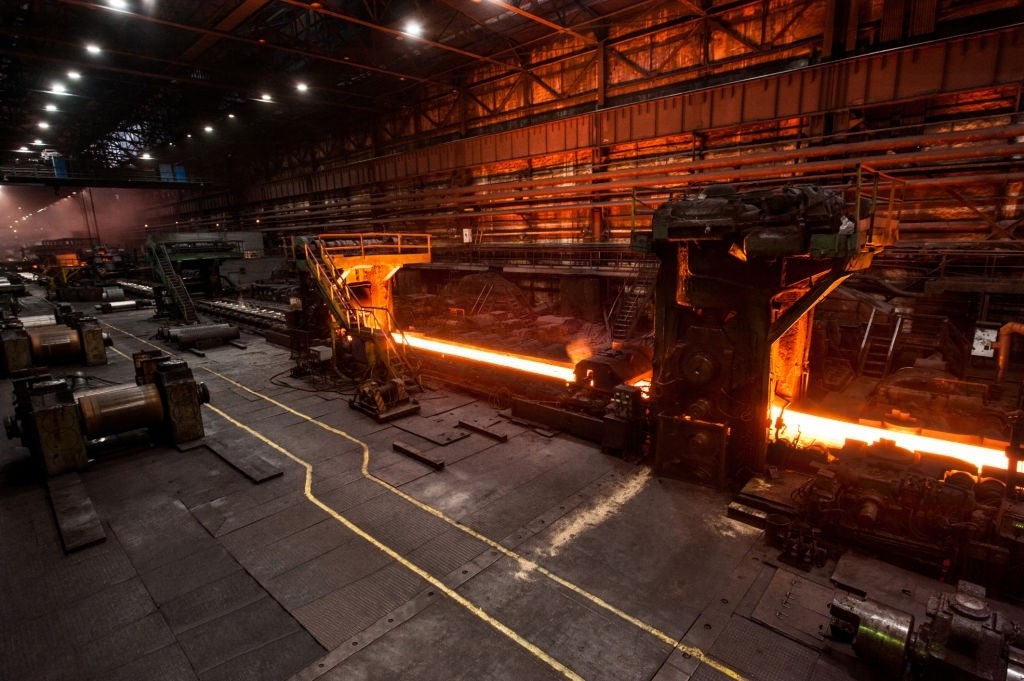
Rolls are fundamental rolling mill machinery of the rolling process, which is integral to the production of various steel products. These rolls, often subjected to extreme conditions, directly influence the quality, throughput, and longevity of the entire rolling mill. They play a critical role in controlling material thickness, shape, and surface finish, making them essential to ensuring that the desired output is achieved. Properly maintained rolls are vital for operational efficiency and product quality.

In a steel rolling mill, rolls endure substantial wear and tear from high pressures, heat fluctuations, and continuous contact with metal surfaces. The constant forces placed on them mean that, without regular maintenance and timely inspections, rolls can experience premature failure, resulting in increased downtime, repair costs, and diminished product quality.

This post provides actionable tips and strategies for maintaining rolling mill rolls, focusing on key aspects such as inspections, lubrication, and predictive maintenance. By following these best practices, you can significantly extend the life of your rolls, reduce operational costs, and ensure smooth and efficient mill operation.

Rolling Mill Rolls: The Heart of the Rolling Process

In any rolling mill, the rolls are critical in shaping and forming steel products. They apply the necessary pressure to flatten or shape materials as they pass between the rollers. Rolling mill rolls help control the material thickness, the surface finish of the metal, and its shape, which are crucial for producing high-quality products. Without proper functioning rolls, the final product will not meet the required standards for tolerance and finish.

While various types of rolls exist depending on the rolling process, the core function remains the same: to apply uniform pressure to the metal, shaping it as it moves through the mill. The rolls need to be precisely designed and built to withstand the immense forces exerted on them during operation.

Challenges Rolls Face During Operation

Rolling mill rolls face numerous challenges throughout their operational life. These challenges arise from high pressure, temperature changes, friction, and repeated loading, all of which contribute to wear and tear on the rolls.

High Pressure

As metal is compressed between the rolls, it endures extreme pressure that can lead to gradual wear. Over time, this constant pressure causes the surface to deteriorate, affecting the roll’s performance. The material becomes harder to shape, and the rolls can start to develop indentations, which impact product quality.

Temperature Fluctuations

During rolling, temperature variations can cause thermal stresses on the rolls. The high heat generated during operations can lead to the expansion of the roll material, while cooling cycles can cause it to contract. These fluctuations can result in cracks, distortion, and a weakened roll structure, reducing its lifespan.

Constant Contact with Metal

The rolls are in continuous contact with the metal being processed, leading to friction and surface wear. This constant interaction accelerates material degradation, causing grooves and pitting on the roll surface. Over time, this friction reduces the effectiveness of this rolling mill machinery, requiring more frequent maintenance.

Stress from Repeated Loading and Unloading

Each cycle of the rolling process adds stress to the rolls. Repeated loading and unloading cause fatigue, which can lead to cracks and other forms of damage. This cyclic stress weakens the roll over time, contributing to premature wear and reduced efficiency in the rolling mill.

Why Rolls Fail Prematurely

Premature roll failure can be costly and disrupt the operations of a rolling mill. Several factors contribute to this, from thermal and mechanical stresses to environmental exposure. Understanding these factors can help mitigate damage and extend the life of the rolls.

Cracking

Cracking is one of the most common causes of premature roll failure. It often occurs due to the combination of thermal and mechanical stresses, which create pressure on the roll’s surface. Uneven cooling after high-temperature operations can exacerbate these stresses, leading to the formation of cracks. These cracks not only compromise the structural integrity of the roll but also affect the consistency and quality of the rolled product, making it essential to detect them early to prevent catastrophic failure.

Corrosion

Exposure to chemicals, moisture, or humidity can lead to corrosion on the surface of the rolls. Corrosion weakens the roll material, leading to pitting, rust, and surface degradation. The corrosive elements can seep into the metal, causing microscopic fractures that eventually lead to more severe damage. In rolling mills, where rolling mill machinery is exposed to high temperatures and various chemicals, preventing corrosion through proper maintenance and material selection is critical to ensure rolls perform efficiently over time.

Abrasion

The constant friction between the rolls and the metal being processed leads to abrasion, which wears down the roll surface. Over time, this abrasion causes grooves, pits, and uneven wear, affecting the roll’s ability to apply consistent pressure. As the roll surface deteriorates, the overall quality of the product also suffers. Regular maintenance, such as resurfacing and lubrication, can help mitigate excessive abrasion and prolong the life of the rolls.

Thermal Fatigue

Thermal fatigue occurs when the rolls experience repeated cycles of high-temperature exposure followed by cooling. These temperature fluctuations cause the roll material to expand and contract, which, over time, leads to internal stress and cracking. This is particularly problematic in high-speed rolling operations where temperature changes are more rapid and frequent. Thermal fatigue weakens the rolls, making them prone to premature failure, especially in the absence of effective cooling and temperature management systems.

Premature roll failure not only increases maintenance costs but can also compromise the quality of the product and cause unplanned downtime. Understanding the challenges and the causes of this part of rolling mill machinery failure is the first step in maintaining the longevity of the rolls.

Best Practices for Extending the Life of Rolling Mill Rolls

Visual Inspections:

Routine visual checks are essential for identifying cracks, pitting, and surface damage before they escalate into more serious issues. Visual inspections should be performed by experienced operators who can spot early signs of wear. Look for signs such as surface cracks, wear patterns, or discolouration that may suggest the onset of fatigue.

Microscopic Inspection:

For early-stage defects like microcracks or stress points that are not visible to the naked eye, microscopic inspection techniques can be highly beneficial. This ensures that small issues are caught before they lead to larger cracks or roll failure.

Non-Destructive Testing (NDT):

Non-destructive testing techniques, such as ultrasonic testing or eddy current testing, are effective tools for detecting internal damage that is invisible on the surface. These methods allow for the identification of issues like cracks beneath the surface or other structural weaknesses without compromising the roll.

Inspection Frequency:

The frequency of inspections should be based on rolling conditions, the material being processed, and the roll material itself. In general, it is advisable to inspect the rolling mill machinery regularly, particularly when running heavy-duty operations or using high temperatures, as these factors increase wear.

Lubrication and Cooling: Preventing Overheating and Reducing Friction

Role of Lubrication:

Proper lubrication reduces friction between the rolls and the material, which prevents excessive wear. The choice of lubricant depends on the roll material and the operating temperature. A high-quality lubricant will form a protective layer on the roll surface, preventing direct contact with the metal and minimising wear.

Lubrication should be checked regularly, as inadequate lubrication can lead to higher friction, heat buildup, and premature roll failure.

Cooling Systems:

Roll cooling is critical for preventing thermal fatigue. By using effective water or oil cooling systems, the rolls are kept at an optimal temperature. Proper cooling ensures that the rolls don’t experience thermal distortion, which can affect the overall quality of the steel products.

Water cooling systems are most commonly used due to their efficiency in maintaining a steady temperature, while oil cooling systems are beneficial for maintaining lubrication in high-temperature areas.

Proper Roll Alignment and Setup: Minimising Stress and Wear

Importance of Roll Alignment:

Misalignment of the rolls can lead to uneven pressure distribution, causing localised wear and increasing the stress on certain areas of the roll. Regular roll alignment checks are vital to ensure the rolls are properly positioned and functioning optimally.

Roll Setup Best Practices:

Ensuring proper roll setup means that force is distributed evenly across the roll’s surface. This helps in reducing localised wear and minimising the potential for uneven damage. Ensuring the right setup during each operation and making necessary adjustments can significantly increase the roll’s lifespan.

Predictive Maintenance: Leveraging Technology for Early Detection

Condition Monitoring Systems:

Condition monitoring systems use sensors to track the health of the rolls in real-time. These systems can monitor factors such as vibration, temperature, and load, providing data that can help operators identify potential issues before they fail. These sensors play a key role in predictive maintenance.

Predictive Analytics:

With advancements in AI and machine learning, predictive analytics can be employed to forecast when the rolling mill machinery is likely to fail. By analysing patterns of wear and operational data, predictive models can estimate the remaining life of the rolls, allowing operators to schedule maintenance or replacement proactively.

Benefits of Predictive Maintenance:

By implementing predictive maintenance, steel mills can experience reduced downtime, better planning for maintenance activities, and lower maintenance costs. With the right data, mills can extend the life of their rolls and improve the overall efficiency of their operations.

Common Mistakes to Avoid in Rolling Mill Machinery Maintenance

1. Neglecting Regular Inspections:

Failing to perform routine inspections can lead to small issues growing into major problems. Identifying and addressing early signs of damage can prevent costly repairs and unplanned downtime.

2. Using Incorrect Lubricants or Coolants:

Using the wrong lubricant or coolant for the specific conditions of the mill can increase wear and cause irreversible damage to the rolls. Always ensure that the chosen lubricants and coolants are compatible with the operating conditions.

3. Ignoring Surface Damage:

Surface damage, even if it seems minor, should never be ignored. Timely repairs can prevent further deterioration and prolong the roll’s life.

4. Inadequate Roll Alignment Checks:

Failure to regularly check and adjust roll alignment can result in uneven wear, leading to increased maintenance costs and more frequent roll replacements.

When to Replace Rolls: Understand the Signs of Irreparable Damage

There are instances when rolls reach a point where repair is no longer a viable option. Signs that it’s time to replace the rolls include:

  • Excessive cracking that affects structural integrity, making the roll unsafe for continued use.
  • Severe wear that compromises the roll’s ability to apply consistent pressure, resulting in poor product quality and operational inefficiencies.
  • Deformation that cannot be corrected by resurfacing, often caused by prolonged stress or thermal fatigue, which leads to permanent changes in shape.

If repairs no longer restore the roll’s original functionality or if the costs of repairs exceed the cost of replacement, it’s more economical to replace the rolls. Waiting too long can lead to significant downtime, further damage to rolling mill machinery, and the production of subpar products, which can all negatively affect your business’s bottom line.

Cost-Benefit Analysis:

Deciding whether to repair or replace rolls requires a thorough cost-benefit analysis. If the cost of repairs is close to or exceeds the cost of replacing the rolls, then replacement may be the more economical option. Keeping track of the rolls’ performance and maintenance history will help in making an informed decision.

Improving ROI with Long-Term Roll Management:

A proactive approach to roll maintenance can help reduce long-term equipment costs. By extending the lifespan of your rolls and reducing downtime, you can improve the overall return on investment (ROI) of your rolling mill. Regular maintenance ensures fewer unexpected failures, lowering the need for expensive repairs and replacements. Additionally, optimised roll performance leads to more consistent product quality, which can result in higher customer satisfaction and retention, further boosting your profitability.

Ensure Peak Performance with The Steefo Group’s Roll Maintenance Solutions

At The Steefo Group, we understand that maintaining the health of your rolling mill rolls is crucial for maximising productivity and minimising costly downtime. Our advanced roll maintenance solutions are designed to optimise the lifespan of your rolls, ensuring they perform at their best throughout their service life. With years of experience in the steel industry, we offer expert guidance on inspection, lubrication, alignment, and cooling systems, all tailored to your unique needs.

By choosing Steefo, you’re not just getting premium products; you’re partnering with a team committed to enhancing your operational efficiency. Our predictive maintenance and condition monitoring services give you the insight you need to prevent issues before they arise, keeping your mill running smoothly.

Contact The Steefo Group at +91 87589 98607 or send us an email to marketing@thesteefogroup.com to discover how our roll maintenance solutions can boost your mill’s performance and reduce operating costs.

Also Read:

The Importance of Regular Maintenance and Upkeep for Rolling Mill Machinery
Categories
Blogs Rolling Mill

When you’re planning or upgrading a steel plant, one of the most strategic decisions you’ll face is whether to go with a greenfield or a brownfield route , particularly when implementing rolling mill machinery and full‐scope turnkey solutions. In this post, we’ll examine how this choice plays out in the context of a hot rolling mill, weighing the pros and cons of each, clarifying what “turnkey solutions” really mean, and helping you decide which approach makes sense for your business.

What Do We Mean By “Turnkey Solutions”?

In the world of steel plant machinery and rolling mills, a turnkey solution refers to a project delivery model in which a provider supplies the entire package from beginning to end — concept, engineering, procurement, construction, commissioning, and handover of the fully operational plant. The owner can “turn the key” and go into production. For example, the Steefo Group offers turnkey solutions in rolling mill projects from concept to commissioning.

Key features of a rolling mill turnkey solution include:

  • Full design of the layout, process flows, utilities and supporting infrastructure for your steel plant machinery.
  • Supply of the major machinery – reheating furnaces, rolling stands, cooling beds, automation and control systems, and material handling.
  • Project management, civil works, erection, testing, commissioning and start‑up services.
  • Integration of the rolling mills with upstream and downstream equipment (eg, billet reheating, finishing, packaging) for an integrated solution, not just stand‐alone machines.
  • Service and support post‑commissioning, spare parts, and operator training.

Managing a project under the turnkey model shifts much of the risk (schedule, integration, quality) to the supplier partner, which is a major advantage in complex heavy equipment landscapes such as steel plants.

For steel plant owners looking to establish or expand rolling capacity, the decision between a greenfield vs a brownfield project under a turnkey contract is a pivotal one. Let’s look at both approaches in depth.

Greenfield and Brownfield in the Context of Rolling Mills

Greenfield

A greenfield rolling mill project means you are starting essentially from scratch. You pick a site (often undeveloped land), build all necessary structures, install brand‑new plant machinery (including utilities, foundations, infrastructure), design your layout without many constraints from legacy systems, and launch a completely new production line or facility.

The greenfield approach gives you full flexibility on technology selection, layout optimisation, future expansion, and (in many cases) better alignment with modern sustainability standards. For example, greenfield projects allow building plants designed around new energy‑efficient or low‑emission technologies.

Brownfield

A brownfield project for a rolling mill entails upgrading, expanding, or re-purposing an existing facility or site. You may have existing rolling equipment, foundations, utilities, structural layout, or infrastructure. The aim is to add new rolling mill lines, upgrade existing stands, increase capacity, or improve efficiency. Because you are working with existing assets or sites, constraints such as space, layout, and downtime become more important. The benefit is potentially lower upfront investment and shorter time to production.

In steel plant terminology, a brownfield upgrade might mean adding a new hot rolling mill line adjacent to an existing one, retrofitting the control system of existing stands, or re‐modelling the layout to accommodate new products or higher speed. The key is “existing assets + upgrade” rather than “all new”.

Why the Choice Matters for Your Rolling Mill Turnkey Solution

When opting for a turnkey solution for your rolling mill, whether you choose greenfield or brownfield will affect many key dimensions of your project, including:

  • Capital expenditure (CAPEX) and operating expenditure (OPEX)
  • Lead time to production
  • Flexibility in design, product mix and future expansion
  • Integration of new technology (automation, smart controls, Industry 4.0)
  • Risk profile (construction, commissioning, downtime)
  • Sustainability and regulatory compliance

Let’s compare greenfield vs brownfield across these dimensions specifically for rolling mills.

1. CAPEX, OPEX and Investment Structure

Greenfield: Starting from scratch typically involves high upfront investment. You’re acquiring land (if needed), building foundations, utilities (power, water, gas, air), roads, logistic links, and installing brand‑new plant machinery. According to industry commentary, greenfield steel plants represent high CAPEX for integrated facilities. However, once set up, you have an optimised layout and fewer constraints from legacy assets, which may reduce long‑term operational costs and improve efficiency.

Brownfield: Since you use some existing infrastructure and assets, the CAPEX is often lower (or at least partially amortised). Time to cash‐flow may be faster because you tap into existing production lines or facilities. But hidden costs may arise , for example, retrofitting old utilities, interruptions to production, removal of old equipment, or aligning old layouts with new rolling mill machinery. Many brownfield projects, therefore, carry the risk of cost overruns if legacy issues are not carefully managed.

For rolling mill turnkey solutions, the supplier must assess not just the new equipment cost but integration cost, disposal/repurposing costs of old equipment, alignment of existing utilities, and potential downtime costs.

2. Lead Time to Market

Greenfield: The timeline from break‐ground to production is typically longer. You must complete site development, infrastructure installation, full civil works, machinery supply and erection. Industry reports indicate greenfield plants can span 5‑7 years in large integrated steel works. For rolling mills specifically, that means longer waiting before you see revenue from that milling line.

Brownfield: Because you are leveraging an existing site, the time can be shorter. Installation, retrofit and commissioning may be done faster if the layout is well understood and downtime is managed. But the challenge is to carry out upgrades while the plant is live (if you keep production running). So careful planning and phasing are required.

If you are focused on rapid capacity expansion for rolling mill lines in a steel plant, a brownfield turnkey solution may make more sense.

3. Design Flexibility & Product Mix

Greenfield: Maximum flexibility. You can design the rolling mill layout, select the newest technology (stands, automation, cooling beds), integrate utilities optimally, plan future expansion paths, incorporate automation from day one, and align with sustainability goals. For example, you can pick the latest hot rolling stand technology, advanced cooling, modern control systems and a layout that supports optimal billet flow to finished bars or sections.

Brownfield: You are constrained by existing building structures, utility capacities, foundations, layout of previous equipment, and possibly limited space. Upgrading means working around or replacing legacy systems. The new rolling mill machinery must integrate with existing upstream and downstream equipment, often limiting full flexibility. Some optimal flows may be compromised. Also, future expansion may be harder if the site footprint is already used or there are space constraints.

4. Technology Integration and Sustainability

Greenfield: You can design a rolling mill line with the latest machinery, with builtin automation and digital controls, advanced cooling systems, energy recovery systems, environmental controls and sustainable utilities (e.g., waste heat recovery, automation that reduces scrap and reheat losses). The freedom to choose the best‑in‑class equipment means your steel plant machinery for rolling mills can be state‑of‑the‑art.

Brownfield: You may face more difficulty integrating cutting‑edge technology without major disruption or cost. Legacy equipment may limit speed, flexibility or energy efficiency. Integrating new automation into older control systems or retrofitting new stands may carry complexity. That said, many turnkey solution providers have experience with brownfield upgrades and manage this well.

5. Risk Profile and Project Execution

Greenfield: Risks include land acquisition issues, long lead time, infrastructure build‑up, regulatory clearances, environmental permits, construction risk, and commissioning delays. The “all-new” nature increases uncertainty. For large steel plants, this risk is substantial.

Brownfield: Risks include disruption to existing production (if you keep it running), unknown condition of existing assets (foundation fatigue, utility wear, hidden constraints), complexity of integration, and managing the interface between new and old systems. But the familiarity of the existing site may reduce some uncertainties.

For a turnkey rolling mill project, selecting an experienced partner is critical: they must manage design, procurement, erection, commissioning, and interface issues (whether new or existing).

6. Scalability and Future Expansion

Greenfield: Because you begin fresh, you can design expansion‑friendly layouts, plan spare infrastructure capacity for future lines, choose large footprints and ancillary utilities sized for growth. If you anticipate growth of your rolling mills (volume increase, new product mix, value‐added sections), a greenfield project gives headroom.

Brownfield: Expansion is often more challenging because you may run out of space, existing utilities may be near their limit, or the layout may not support easy addition. In some cases, you may need to purchase adjacent land or face complex civil/structural modifications.

How to Decide: Is a Greenfield or Brownfield Turnkey Solution Right for You?

Here are key factors to evaluate when choosing between greenfield and brownfield for your rolling mill project:

A. Current Capacity and Market Demand

If your existing steel plant is at or near capacity and demand is growing rapidly for rolling mill output (e.g., TMT bars, merchant bars, sections), then a brownfield expansion may provide faster relief. If you are establishing a new plant or entering a new market, greenfield might make better sense.

B. Site Availability and Infrastructure

Do you already have a site with utilities (power, water, gas/coal, logistics, rail sidings) and existing rolling mill machinery? Then, Brownfield may leverage that. If you don’t have a suitable site or you want to choose ideal land for layout, logistic connectivity, and future growth, then greenfield is attractive. In India, factors like power availability, land acquisition, environmental clearance, water, and rail/road access are crucial.

C. Project Budget and Internal Resources

What CAPEX can you commit? Do you want lower upfront investment and faster pay‑back (favouring brownfield) or are you targeting a high‑end, future‑proof facility with higher CAPEX but lower operational cost (greenfield)? Assess your financing, expected return on investment, OPEX savings, and timeline.

D. Technology Ambition and Product Mix

If your rolling mill project aims to incorporate the newest stands, highest automation, digital controls, varied product mix (bars, wire rods, sections, value-added products), and you plan for future upgrades, greenfield may be better. If you are upgrading an existing line and your product mix is stable, a brownfield upgrade by a turnkey solution provider may suffice.

E. Time‑to‑Market

If you need to increase capacity quickly, a brownfield may offer shorter lead times. If you can afford the longer lead time and want a more customised, flexible setup, greenfield is viable.

F. Operational Continuity and Risk Management

If you cannot afford major downtime (e.g., you must keep production running during expansion), brownfield allows staging and phased installation. Greenfield, by default, avoids interference with existing operations but takes longer. Also consider regulatory, environmental, and logistical risks.

G. Future Expansion and Growth Outlook

If your business expects significant growth and you want a facility that can expand easily, choose a site and design that allows future rolling mill lines, spare utilities, and product diversification. That typically aligns with greenfield.

H. Sustainability, Compliance and Modernisation

If you aim to incorporate the latest environmental standards, energy-efficient machinery, digitalisation and smart manufacturing for your rolling mills, then a greenfield facility gives you fewer constraints. Brownfield can still achieve this, but may carry additional cost or compromise due to legacy layouts/utilities.

Practical Considerations for Rolling Mill Turnkey Solutions in India

Here are some local considerations:

  • Land acquisition in India: Site selection must factor in power, water, connectivity, labour availability, and government incentives. Indian firms looking at greenfield or brownfield sites must pay attention to infrastructure readiness.
  • Compliance and environmental clearances: Rolling mill plants and steel plants are subject to heavy environmental regulatory oversight. Greenfield builds may face more initial permits, but brownfield retrofits may face constraints in upgrading older facilities to new standards.
  • Logistic costs: For rolling mills, moving billets, slabs or ingots, and finished coils/bars require good transport (rail, road). Site choice matters.
  • Technology sourcing: For rolling mills, you’ll need reliable suppliers for stands, cooling beds, automation, drives etc. Ensuring spare parts availability and service is critical.
  • Turnkey solution partner credibility: Selecting a partner with strong project delivery and experience in both greenfield and brownfield rolling mill projects reduces risk.

Specific Rolling Mill Machinery and Turnkey Considerations

When you are implementing rolling mill lines as part of your turnkey project (greenfield or brownfield), there are certain machinery and system considerations you want to review:

Key machinery in a hot rolling mill plant:

  • Reheating furnace (for billets/slabs)
  • Descaler and billet handling equipment
  • Roughing mill stands and finishing mill stands (housing‑less stands, multi‑row bearings)
  • Cooling beds (moving apron type, rotary twin channel, etc.)
  • Finishing equipment (cut‑to‑length, coiling, bundling)
  • Automation and control systems (PLC/SCADA, drives, sensors)
  • Utilities and services (power transformers, air compressors, hydraulic systems, lubrication)
  • Material handling (conveyors, cranes, feeders, skip hoists)
  • Quality‑control systems (non‑destructive testing, dimensional measurement)
  • Environmental systems (dust collection, fume extraction, wastewater, emission control)
  • Integration with other plant lines (e.g., upstream melting/casting, downstream rolling or finishing)

Cost, Time and Risk Trade‑Offs: Summary Table

Factor

Greenfield

Brownfield

Initial CAPEX High, due to full infrastructure build Lower incremental CAPEX, reuses existing assets
Time to production Longer Shorter (if phased well)
Design flexibility Maximum (layout, technology, expansion) Constrained by existing layout/infrastructure
Technology & future‑proofing Easier to implement the latest machinery & controls More difficult, may face legacy constraints
Operational disruption Less disruption to existing operations (since new) Potential disruption during retrofit/upgrade
Scalability & growth Easier to plan for future expansion More challenging, may face space/utility limits
Project risk Higher (land, infrastructure, longer schedule) Risk of hidden legacy issues, integration complexity
Best fit scenario New plant, new product lines, long‑term vision Upgrade, capacity expansion, faster return

Recommendation For Steel Plant Owners: How to Approach Vendor Selection

If you are the owner of a steel plant (or planning one) and considering a rolling mill turnkey solution, here’s a recommended roadmap:

  1. Start with a feasibility study: Define your production capacity, target products (bars, wire rods, sections, etc.), market demand, growth plan, product mix, and budget.
  2. Site assessment: For greenfield — land selection, logistics, utilities, permits. For brownfield — existing assets audit, condition of infrastructure, space constraints, erosion/maintenance risks.
  3. Define the scope of rolling mill turnkey solution: Clearly specify what is included from engineering, procurement, construction, installation, automation, commissioning and hand‑over.
  4. Evaluate turnkey vendors: Choose providers who have proven expertise in both greenfield and brownfield projects, a strong supply chain, a good project track record, and local service/parts capability.
  5. Comparative costing: Request separate quotes for greenfield vs brownfield scenarios (if possible), showing CAPEX, lead time, risks, OPEX savings over lifecycle, and expansion potential.
  6. Risk analysis & schedule: Map out critical path, regulatory/permit risk, site preparation, commissioning schedule, production ramp‑up, potential downtime (especially for brownfield).
  7. Technology evaluation: For rolling mill machinery, check stand capability, speed, automation, energy consumption, cooling bed performance, control systems and spare‑parts ecosystem.
  8. Flexibility & future readiness: Check if the design allows product change, increase in speed, future addition of lines or value‑added finishing.
  9. Contractual clarity: For turnkey projects, make sure the scope, schedule, milestones, penalties for delays, quality guarantees, commissioning criteria, and after‑sales service are clearly defined.
  10. Post‑commissioning support: Ensure that training, spare parts inventory, preventive maintenance setup, and supplier support are all in place.

Choose The Steefo Group for Your Rolling Mill Turnkey Solutions

When it comes to rolling mill turnkey solutions, The Steefo Group leads the way. We provide end-to-end services, from plant design and equipment supply to installation, commissioning, spare parts, and ongoing support. Whether you’re building a new greenfield facility or upgrading an existing brownfield plant, partnering with Steefo means you have one trusted provider handling everything. This simplifies coordination, improves accountability, and ensures smoother project execution.

With our extensive experience in both greenfield and brownfield projects, we understand the complexities of integrating new systems with existing ones. Our proven track record in handling live plant upgrades makes us the ideal choice for any rolling mill project. Ready to simplify your next venture? Contact Steefo +91 87589 98607 or send us an email to marketing@thesteefogroup.com to get started on achieving your production goals! to discuss your turnkey solution needs.

Categories
Blogs

The steel industry faces an ever-changing landscape. To stay competitive and optimise productivity, steel plant operators are consistently looking for ways to improve operational efficiency. One critical decision that every steel plant manager and engineer faces is whether to retrofit an existing rolling mill or to build a completely new one. Both approaches come with their advantages and drawbacks, and making the right choice requires a deep understanding of each option’s implications on cost, downtime, return on investment (ROI), and long-term scalability.

In this blog post, we will dive deep into the decision-making process for a rolling mill retrofit versus a new build. We’ll explore the advantages and limitations of both options, provide a structured decision matrix to guide you through your choice, and explain how to model ROI to ensure you make a financially sound decision. Additionally, we will address the key risks associated with each option and explore how you can mitigate these risks. By the end of this post, you will have a comprehensive understanding of the factors to consider when deciding between a rolling mill retrofit and a new build.

What a Retrofit Means for a Hot Rolling Mill

A rolling mill retrofit involves upgrading or replacing specific components of an existing rolling mill without tearing down the entire system. The goal is to enhance the mill’s performance, increase its capacity, or update its technology while maintaining the overall infrastructure. This means that while certain parts of the mill, like drives, automation systems, and stands, may be modernised, the core structures, such as foundations and layouts, remain essentially unchanged.

The retrofit option is ideal when the plant has limited space for expansion, when costs need to be controlled, or when downtime must be minimised.

Typical Retrofit Components

In a hot rolling mill retrofit, the following components are most often upgraded:

  • Drives and Gearboxes: Upgrading drives and gearboxes ensures more efficient power transmission, reducing energy consumption and improving overall mill productivity.
  • Roll Stands and Guides: Replacing or retrofitting roll stands and guides allows for more precise control over the shape and size of rolled products, leading to higher product quality.
  • Cooling Bed and Pinch Rollers: Replacing or upgrading the cooling bed and pinch rollers enhances the mill’s ability to cool and handle the rolled product efficiently.
  • Automation and HMI Systems: Upgrading automation systems, such as Programmable Logic Controllers (PLCs) and Human-Machine Interface (HMI) systems, improves the mill’s operational efficiency by enabling better control and real-time monitoring.

Benefits of Retrofit

  • Faster Deployment: Since the core infrastructure remains intact, retrofitting a rolling mill is generally faster than building a new one. The majority of the mill remains in operation during the upgrade, meaning the plant doesn’t experience extended shutdowns.
  • Cost Savings: Rolling mill retrofits are significantly less expensive than new builds. You’re essentially upgrading existing systems instead of paying for new foundations, building materials, and a full mill setup.
  • Reduced Downtime: Retrofitting can be done incrementally, meaning sections of the mill are upgraded at different times. This allows the plant to continue operating while specific components are being replaced or modernised.

Limitations of Retrofit

  • Base Structure Age: The age of the existing mill foundation and other structural elements can limit the success of a retrofit. Older mills may not support the advanced machinery or newer technologies that a retrofit might bring.
  • Layout Constraints: The existing layout of the mill may not be optimal for modern machinery, and retrofitting it might be constrained by the current space and flow design.
  • Energy Efficiency Gaps: While retrofits can certainly enhance energy efficiency, older systems may still have inherent inefficiencies compared to new, state-of-the-art equipment, leading to missed opportunities for reducing energy consumption.

When a New Rolling Mill Build Makes More Sense

A new rolling mill build is exactly what it sounds like: the construction of an entirely new rolling mill from scratch. This includes the construction of foundations, the installation of advanced machinery, and the integration of cutting-edge automation and control systems. A new build is often the preferred solution when the current infrastructure cannot meet the steel plant’s growing needs or when significant changes are required to meet future production goals.

Scenarios Favouring New Builds

There are several scenarios where opting for a new build makes more sense than a retrofit:

  • Capacity Expansion Beyond Current Infrastructure: If the current mill is unable to meet the increased demand for production, a new build allows for an expansion of capacity. This can include adding more rolling stands or increasing the mill’s overall production capacity without compromising on quality or speed.
  • Product Mix Changes: In cases where the steel plant wishes to introduce new products, like TMT bars, structural steel sections, or higher-grade materials, a new mill provides the flexibility to design the system around these specific needs.
  • Need for Next-Gen Automation or Higher Speeds: If the plant requires faster speeds, more precise controls, or the latest automation technologies (such as artificial intelligence for predictive maintenance), a new mill is often the best choice. Existing plants may struggle to support these next-gen systems.

Integration of Modern Machinery and Digital Systems

One of the major advantages of a new rolling mill build is that it allows for the seamless integration of state-of-the-art machinery and digital systems. This includes advanced features such as:

  • Industry 4.0 Automation: Real-time data collection and analysis for better decision-making.
  • Predictive Maintenance: Sensors that can predict when equipment will need maintenance, thus reducing unplanned downtime.
  • Energy Optimisation: Modern mills integrate systems to optimise energy use, reducing operating costs and minimising the environmental impact.

The integration of these systems from day one ensures that the mill is operating at the highest levels of productivity and efficiency right from the start.

The Decision Matrix: How to Evaluate Both Options

Deciding between a retrofit and a new build requires careful consideration of several factors. The decision matrix below compares both options across several important parameters:

Evaluation Area

Retrofit

New Build

Initial Investment Lower Higher
Downtime Short Long
ROI Payback 1–3 years 3–6 years
Layout Flexibility Limited Full
Energy Efficiency Improved Best-in-class
Future Scalability Moderate High

How to Weigh Immediate ROI Against Long-Term Scalability

A retrofit provides a faster return on investment (ROI) due to the lower initial investment and reduced downtime. However, new builds offer better long-term scalability. If your plant is anticipating future growth or the need to adapt to new technologies, a new build may provide greater benefits over the long term.

How The Steefo Group Helps

The Steefo Group, with its extensive experience in rolling mill machinery, can assist in this decision-making process by conducting feasibility studies and technical audits. Their experts analyse the mill’s current performance, capacity, and long-term goals to provide a customised solution that delivers both short-term benefits and long-term sustainability.

ROI Modelling: Real Numbers Behind the Decision

ROI modelling helps assess the financial impact of each option. By considering both tangible and hidden costs, you can determine which approach provides the best financial return.

Step 1: Gather Inputs

To model ROI accurately, you need to gather the following data:

  • Current Mill Output: How many tons of steel are produced per month?
  • Target Output: The output you expect after the retrofit or new build.
  • Energy Cost per Ton: The cost of energy required to produce one ton of steel.
  • Expected Yield Improvement: The percentage increase in yield expected after the upgrade or new build.
  • Downtime Cost per Hour: How much the plant loses for each hour of downtime.

Step 2: Compute Payback Period

The payback period is the time it takes for the investment to be recovered. Here’s how you can calculate it:

Payback Period = Investment / Annual Savings from Increased Output and Efficiency

For example, if a rolling mill retrofit costs ₹100 million and the plant expects to increase output by ₹10 million per month, the payback period would be around 10 months.

Step 3: Include Hidden Costs

When calculating ROI, don’t forget about hidden costs like:

  • Civil Modifications: Changes to the mill’s infrastructure that may be necessary to accommodate new equipment.
  • Operator Training: New systems often require employees to be trained, which can add to the costs.
  • Spare Parts and Maintenance: New equipment may have different maintenance requirements.
  • Commissioning Delays: Delays in installation or testing may extend the ROI payback period.

Step 4: ROI Comparison Example

Let’s compare two scenarios:

  • Retrofit: A 400,000 TPA mill retrofit costs ₹100 million, and it increases monthly output by ₹10 million.
  • New Build: A new 600,000 TPA mill costs ₹250 million and increases monthly output by ₹15 million.

Here, the retrofit ROI might be recouped in about 10 months, while the new build would take roughly 17 months to reach ROI.

Technical and Operational Risks and How to Mitigate Them

A. Retrofit Risks

  • Legacy Control Systems Compatibility: The risk of not being able to integrate newer technologies with older control systems fully.
  • Structural Fatigue: The risk that old structures may not be able to support modern machinery.
  • Limited Upgrade Potential: Some aspects of the existing mill may limit how much it can be upgraded.

Mitigation Strategies:

  • Pre-Retrofit Audits: Conducting detailed audits and 3D scanning of the mill layout ensures that all potential challenges are identified early on.
  • OEM-Grade Upgrades: Partnering with reputable manufacturers like The Steefo Group ensures high-quality upgrades that align with the mill’s structure.

B. New Build Risks

  • High Capex: A new build requires significant upfront investment, which can strain finances.
  • Supply Chain Issues: Delays in material procurement or machinery manufacturing can extend the project timeline.
  • Installation Delays: A longer timeline for installation and commissioning.

Mitigation Strategies:

  • Phased Commissioning: The plant can begin production in stages, minimising downtime.
  • Proven Turnkey Suppliers: Working with trusted turnkey suppliers ensures the project is completed on time and within budget.
  • Real-Time Project Monitoring: Monitoring the project in real time helps keep things on track and resolve issues before they become major setbacks.

Sustainability and Energy Efficiency Considerations

Modern rolling mills offer significant improvements in energy efficiency. A new build can provide up to 25% better energy efficiency due to the integration of advanced technologies such as regenerative drives, high-efficiency motors, and optimised cooling systems.

For retrofits, there are still opportunities to improve energy efficiency, such as integrating regenerative drives or upgrading the cooling system, though the improvements may not be as significant as in a new build.

Expert Insight: The Steefo Group’s Approach to Decision Support

The Steefo Group offers expert consultation and technical support in both retrofit and new build scenarios. Their services include detailed technical audits, feasibility analysis, and ROI forecasting, ensuring that each client makes the most informed decision based on their needs. With years of experience in rolling mill machinery and the steel industry, The Steefo Group is a trusted partner for upgrading and building rolling mills.

Conclusion

The decision between a retrofit and a new build for your rolling mill depends on several factors, including your budget, desired outcomes, and the current state of your infrastructure. Both options come with their unique advantages and challenges. By understanding these differences and performing careful ROI modelling, you can make the best decision for your plant.

Plan Your Next Rolling Mill Project with Expert Guidance from The Steefo Group

Ready to take your rolling mill project to the next level? Whether you’re considering a rolling mill retrofit or a new build, the decision requires in-depth expertise and careful planning. At The Steefo Group, we specialise in providing tailored solutions that align with your plant’s unique needs and long-term goals. Our team of experts will guide you through every stage of your project, from feasibility analysis and ROI forecasting to seamless implementation.

We bring years of experience and a proven track record of success in the steel industry, ensuring your investment delivers maximum returns and operational efficiency. Partner with us for expert insights, superior technology, and unparalleled support. Plan your next rolling mill project with confidence and precision, backed by The Steefo Group’s industry-leading expertise. Contact us at +91 87589 98607 or send us an email to marketing@thesteefogroup.com to get started on achieving your production goals!

Categories
Blogs

In high-temperature rolling mill operations, efficiency and durability are critical factors when selecting the right roller conveyor system. These conveyor systems play a vital role in handling heavy loads, ensuring smooth material flow, and withstanding extreme heat conditions without performance degradation. A poorly chosen conveyor system can lead to frequent breakdowns, reduced efficiency, and higher maintenance costs.

For businesses operating rolling mill machinery, selecting a roller conveyor that meets the demands of high-temperature environments is essential. Understanding the impact of heat exposure, material flow dynamics, and common challenges will help in choosing a system that ensures longevity, reliability, and cost-effective operation.

High-Temperature Rolling Mill Environments

Operating Conditions and Material Flow

High-temperature rolling mills operate under extreme conditions where conveyor components are exposed to intense heat, heavy loads, and continuous movement. The following factors affect the efficiency and longevity of roller conveyor systems:

  • Heat Exposure and Thermal Stress: Rolling mills generate extreme temperatures due to continuous metal processing. This heat impacts the conveyor system, causing thermal expansion and potential weakening of components if not properly designed.
  • Heavy Load Handling: Conveyors in rolling mills transport large metal sheets, billets, or slabs that exert significant pressure on rollers, frames, and bearings. The system must be robust enough to manage high loads without deformation or performance loss.
  • Continuous Operation: Unlike standard conveyor systems, roller tables in mills function continuously, requiring components that can sustain prolonged movement without excessive wear or overheating.

Common Issues in High-Temperature Conveyor Systems

Choosing an unsuitable roller conveyor can lead to frequent operational disruptions. Here are some common challenges that businesses face in high-temperature environments:

1. Component Wear and Tear Due to Extreme Heat

  • Prolonged exposure to high temperatures can cause rollers, bearings, and frames to degrade faster than in normal conditions.
  • Heat-induced lubricant breakdown can lead to increased friction, resulting in premature roller failure.
  • Material oxidation at high temperatures can weaken structural integrity, leading to conveyor malfunctions.

Material Expansion and Contraction Affecting Efficiency

  • Metals expand when exposed to heat and contract when cooled, affecting the alignment and movement of the conveyor system.
  • If the roller table is not designed for thermal expansion, misalignment can occur, leading to operational inefficiencies and increased maintenance costs.
  • Inconsistent thermal stress can cause uneven wear on rollers, requiring frequent replacement and reducing production efficiency.

Key Factors to Consider When Selecting a Roller Conveyor System

Choosing the right roller conveyor for high-temperature rolling mill machinery requires careful consideration of various factors to ensure efficiency, durability, and long-term cost savings. The system must be designed to withstand extreme heat, heavy loads, and continuous operation without compromising performance. Below are the key factors to evaluate when selecting a roller conveyor for your rolling mill.

Heat-Resistant Materials and Coatings

Since rolling mills operate at high temperatures, the materials used in the conveyor system must be heat-resistant to prevent warping, degradation, or failure.

1. Stainless Steel, Ceramic, and Heat-Resistant Alloys

  • Stainless steel rollers offer excellent resistance to heat and corrosion, making them a popular choice for high-temperature environments.
  • Ceramic-coated rollers provide superior thermal resistance and reduce heat transfer to the roller components, extending their lifespan.
  • Heat-resistant alloys such as Inconel and tungsten carbide are ideal for extreme conditions where standard metals might fail.

2. High-Temperature Coatings for Enhanced Durability

  • Special coatings, such as ceramic coatings or heat-resistant polymers, can be applied to rollers to improve wear resistance and minimise the effects of thermal expansion.
  • Graphite or molybdenum-based coatings help reduce friction and prevent overheating in roller conveyor components.

Using the right material and protective coatings ensures longevity, reducing maintenance costs and downtime in rolling mill operations.

Roller Type and Design Considerations

The type of rollers used in a roller conveyor system significantly impacts heat dissipation, load handling, and overall efficiency.

1. Solid vs. Hollow Rollers for Heat Dissipation

  • Solid rollers provide superior strength and durability, making them suitable for handling heavy loads in rolling mill environments. However, they retain more heat, which can impact system efficiency.
  • Hollow rollers help with heat dissipation as they allow airflow, reducing the overall temperature buildup within the conveyor system. These are ideal for applications where temperature management is a priority.

2. Bearings and Lubrication Systems Suitable for High-Heat

  • High-temperature-resistant sealed bearings prevent dust and heat damage, improving roller longevity.
  • Graphite-based and dry-film lubricants are preferable in extreme heat conditions, as traditional oil-based lubricants may evaporate or degrade quickly.
  • Self-lubricating bearings reduce maintenance requirements and enhance performance in continuous operation environments.

Load Capacity and Structural Integrity

A well-designed roller conveyor must have the structural integrity to support heavy loads without bending, misalignment, or early failure.

3. Calculating Weight-Bearing Capacity

  • Assess the maximum load per roller and the total weight the system will handle at any given time.
  • Select rollers with a high load-bearing capacity to prevent deflection and maintain smooth material flow.

4. Reinforced Framework for Long-Term Durability

  • The conveyor frame should be made from reinforced steel or heat-resistant alloys to prevent structural damage due to continuous exposure to heat and stress.
  • Support beams and cross-bracing should be incorporated to maintain conveyor alignment under heavy loads.

By ensuring that the roller conveyor is built to handle extreme loads and high temperatures, businesses can reduce maintenance costs and enhance operational efficiency.

Conveyor Speed and Efficiency

The speed of the roller conveyor plays a crucial role in material processing and cooling. Selecting a system with adjustable speed controls ensures optimal performance.

1. Adjustable Speed Control Mechanisms

  • Variable frequency drives (VFDs) or motorised rollers allow operators to adjust conveyor speed based on processing requirements.
  • Faster speeds may be required for efficient material handling, while slower speeds aid in cooling and precision processing.

2. Impact of Speed on Material Cooling and Processing

  • High-speed conveyor systems can accelerate production but may retain more heat in materials, affecting downstream processes.
  • Slower conveyor speeds allow metal components to cool naturally, reducing internal stress and improving material quality.

An optimised conveyor speed ensures that materials are transported efficiently while maintaining proper temperature control for downstream rolling mill operations.

Best Practices for Maintenance and Longevity

A well-designed roller conveyor system is crucial for efficient material handling in rolling mill machinery, but its longevity depends on proper maintenance. High temperatures, heavy loads, and continuous operation can cause wear and tear, leading to breakdowns if not addressed proactively. By implementing regular inspections, heat damage prevention measures, and cooling solutions, businesses can extend the service life of their roller tables and conveyors while minimising downtime.

Routine Inspection and Heat Damage Prevention

Routine maintenance plays a key role in ensuring the longevity and efficiency of a roller conveyor in high-temperature environments.

1. Checking for Roller Warping and Material Fatigue

  • Extreme heat can cause rollers to warp or deform over time, leading to misalignment and inefficient material transport.
  • Regularly inspecting rollers for signs of bending, cracks, or structural weaknesses helps prevent sudden failures.
  • Using infrared thermal imaging can detect uneven heat distribution, allowing early identification of potential issues.

2. Ensuring Proper Lubrication for Smooth Operation

  • High temperatures can cause conventional lubricants to break down, leading to increased friction and wear.
  • Heat-resistant lubricants such as graphite-based or dry-film coatings should be used to maintain smooth movement.
  • Automatic lubrication systems help ensure consistent application, reducing the risk of roller seizure and operational slowdowns.

Cooling and Thermal Management Solutions

Since rolling mill machinery operates in extreme heat, effective cooling and thermal management solutions are essential for preventing excessive wear.

1. Water and Air Cooling Systems for Temperature Regulation

  • Water-cooled rollers help dissipate excess heat, preventing overheating and material expansion.
  • Air cooling systems, such as forced-air circulation, reduce thermal buildup and help maintain a stable operating temperature.
  • Heat shields and insulating barriers can be installed to protect rollers from direct exposure to extreme heat sources.

2. Heat-Resistant Seals and Gaskets for Extended Service Life

  • High-temperature seals and gaskets prevent contaminants from entering roller bearings, reducing wear and tear.
  • Using ceramic-coated seals or silicone-based gaskets enhances heat resistance, prolonging the service life of conveyor components.
  • Regularly replacing worn-out seals ensures continued protection against dust, heat, and debris buildup.

Get a High-Performance Roller Conveyor System Tailored for Your Rolling Mill

Enhance the efficiency and durability of your rolling mill machinery with a high-performance roller conveyor system designed to withstand extreme heat and heavy loads. Whether you need a solution for seamless material handling or improved thermal resistance, investing in the right conveyor system ensures long-term productivity and reduced downtime.

At The Steefo Group, we specialise in manufacturing roller tables and conveyor systems that are built for high-temperature rolling mill environments. Our conveyors are engineered with heat-resistant materials, precision bearings, and advanced cooling mechanisms to ensure smooth and uninterrupted operations. From custom roller designs to reinforced frameworks, we provide tailored solutions that meet your specific production needs.

Don’t let conveyor inefficiencies slow down your rolling mill operations. Upgrade to a roller conveyor system that delivers superior performance, longevity, and cost savings. Contact us at +91 87589 98607 or drop us an email at marketing@thesteefogroup.com to discuss your requirements and get a customised solution that enhances your production efficiency.

Categories
Blogs

Rolling mills are the backbone of the metalworking industry, enabling the production of high-quality steel products for various applications. When setting up or expanding a mill, businesses must choose between turnkey solutions and traditional solutions to meet their project requirements. Each approach has its advantages, challenges, and suitability depending on factors like project scope, budget, and timeline.

This article explores the differences between turnkey and traditional solutions, helping steel plant operators and owners make an informed decision.

What Are Turnkey Solutions?

Core Characteristics

A turnkey solution is a comprehensive approach where a single provider takes responsibility for the entire rolling mill project, from design and engineering to installation and commissioning. The contractor delivers a fully operational facility, ready for immediate use. This model ensures seamless execution, minimising the need for multiple suppliers and contractors.

Components of a Turnkey Steel Rolling Mill Project

A turnkey project for steel plant typically includes:

  • Engineering and Design: Detailed planning, feasibility studies, and process optimisation
  • Equipment Supply: Procurement of rolling mill machinery, automation systems, and auxiliary equipment
  • Construction and Installation: Civil works, structural engineering, and mechanical installations
  • Automation and Control Systems: Integration of digital technologies for efficient monitoring and operation
  • Commissioning and Training: Testing the plant’s performance and training the workforce for smooth operation

Key Benefits of Turnkey Solutions

  1. Faster Implementation: With a single contractor handling the project, coordination is streamlined, reducing project timelines.
  2. Reduced Risk: A turnkey provider assumes responsibility for quality, performance, and compliance, minimising risks for the business.
  3. Single-Point Responsibility: Instead of dealing with multiple vendors, businesses have one contact for all project-related concerns, ensuring accountability.
  4. Cost Predictability: A turnkey approach typically comes with a fixed budget, helping businesses avoid cost overruns.

What Are Traditional Solutions?

Core Characteristics

A traditional solution involves businesses selecting and managing multiple suppliers, contractors, and service providers for different aspects of the rolling mill project. This approach allows for a high degree of customisation, enabling steel plant owners to tailor their steel mill according to specific requirements.

Customisation and Flexibility in Selecting Individual Suppliers and Contractors

With a traditional approach, businesses have the freedom to choose:

  • Equipment suppliers based on price, quality, and technology preferences
  • Construction and engineering firms with specialised expertise
  • Automation and control system providers suited to operational needs

Key Benefits of Traditional Solutions

  1. Greater Control: Businesses can oversee every stage of the project, ensuring it meets their exact requirements.
  2. Adaptability: The flexibility to integrate advanced or specialised technologies from different suppliers.
  3. Cost Distribution: Investments can be spread over time, helping manage cash flow efficiently.
  4. Scalability: Ideal for phased expansions, allowing businesses to grow their steel plant progressively.

Key Factors to Consider When Choosing Between Traditional and Turnkey Solutions

Project Scope and Complexity

Suitability of Turnkey Solutions for Large-Scale, End-to-End Projects:

  • If a company requires a complete rolling mill setup with minimal involvement in the execution process, a turnkey solution is ideal.
  • It ensures all components are designed to work together, reducing integration challenges.

When Traditional Solutions Work Better for Phased Expansions:

  • For businesses planning incremental growth or specific machinery upgrades, a traditional approach provides more flexibility.
  • If an existing steel plant is undergoing modernisation, selecting individual components from different vendors allows better customisation.

Budget and Financial Considerations

Turnkey Solutions: Predictable Costs with Upfront Investment

  • Turnkey projects involve a higher upfront investment as they cover design, procurement, installation, and commissioning under a single contract. This consolidated approach simplifies budgeting and financial planning.
  • With a fixed-price structure, turnkey solutions minimise the risk of cost overruns, ensuring that businesses stay within their planned budget.

Traditional Solutions: Flexible Spending with Potential Risks

  • Traditional solutions allow businesses to spread costs over time by purchasing equipment and services in stages, making them more suitable for companies with limited capital.
  • However, this fragmented approach can lead to higher overall costs due to unforeseen coordination issues, project delays, and discrepancies between multiple suppliers, increasing the risk of budget overruns.

Timeline and Project Delivery Speed

  • Since all aspects are handled by a single contractor, project completion is more streamlined, minimising downtime.
  • Ideal for businesses that need to start operations quickly.

Traditional Solutions Offer More Flexibility But Require Careful Planning:

  • The phased approach in traditional solutions may extend project timelines due to separate procurement, installation, and testing processes.
  • Coordination between multiple suppliers and contractors may lead to unexpected delays.

Quality Assurance and Performance Optimisation

Turnkey Solutions Guarantee Standardised Quality

  • A single vendor ensures that all components of the rolling mill are integrated efficiently, avoiding compatibility issues.
  • Automation and control systems are optimised for performance and reliability.

Traditional Solutions Provide Customisation but Require Rigorous Quality Control

  • Businesses can select specialised equipment for better customisation but must ensure proper compatibility between different components.
  • Requires experienced project managers to maintain consistency and performance.

Vendor Management and Accountability

Turnkey Solutions Simplify Vendor Management

  • One contractor assumes full responsibility, ensuring smooth communication and accountability.
  • Reduces complexity in coordinating multiple contracts.

Traditional Solutions Require Active Vendor Coordination

  • Businesses must manage multiple contracts, ensuring clear communication between suppliers and contractors.
  • Potential risk of misalignment between different service providers.

Frequently Asked Questions

1. How do turnkey solutions improve project timelines compared to traditional approaches?

Turnkey solutions streamline project execution by consolidating all aspects—design, procurement, construction, and commissioning—under a single contractor. This eliminates the inefficiencies caused by multiple vendors, reducing lead times and ensuring a faster setup of a rolling mill. Traditional approaches, on the other hand, often face delays due to staggered procurement, extended approval processes, and coordination challenges among multiple contractors.

2. What are the key cost differences between turnkey and traditional steel rolling mill setups?

Turnkey solutions typically involve a higher initial investment but come with fixed pricing, reducing the risk of budget overruns. Traditional solutions may appear cost-effective at first but can lead to unforeseen expenses due to fragmented project management, contract negotiations, and vendor-related inefficiencies.

3. How does vendor management differ in turnkey vs. traditional steel rolling mill projects?

In a turnkey model, businesses deal with a single contractor responsible for delivering the entire project, simplifying communication and accountability. Traditional solutions require managing multiple suppliers and contracts, increasing the complexity of coordination and risk of inconsistencies.

4. Which approach—turnkey or traditional—is better for upgrading an existing steel rolling mill?

For a full-scale modernisation, turnkey solutions offer a seamless transition with minimal disruptions. However, if a business plans phased upgrades, a traditional approach allows greater flexibility to selectively replace or upgrade components over time.

5. How do turnkey solutions impact the long-term maintenance and operational efficiency of a steel plant?

Turnkey solutions provide integrated automation, optimised workflows, and standardised quality control, ensuring long-term efficiency. They often include post-installation support, training, and maintenance services, helping businesses sustain smooth operations with minimal downtime.

Partner with Us for the Right Steel Rolling Mill Solution

Choosing between a turnkey or traditional approach is a critical decision for your steel plant’s future. With our expertise in providing cutting-edge rolling mill solutions, we ensure seamless execution, high efficiency, and long-term success. Our turnkey solutions offer hassle-free project management, optimised production, and superior quality, while our customised traditional solutions give you full control over your project’s execution.

Let us help you design, build, and optimise a rolling mill that meets your exact needs. Contact us at +91 87589 98607 or email us at marketing@thesteefogroup.com to discuss your project and discover how we can bring value to your steel plant operations!


Categories
Blogs

Steel rolling mills play a crucial role in shaping industrial economies, supplying the backbone materials for infrastructure, construction, automotive, and energy sectors. Their impact extends beyond production, significantly influencing local and global markets through employment generation, industrial growth, and supply chain expansion. India, particularly in regions like Gujarat, has emerged as a key player in the steel rolling industry, driven by cutting-edge rolling mill machinery and advanced manufacturing processes. As demand for high-quality steel products continues to rise, steel rolling mills remain a cornerstone of economic development, fostering both regional progress and international trade.

Local Economic Contributions of Steel Rolling Mills

Job Creation & Workforce Development

One of the most significant contributions of steel rolling mills to local economies is employment generation. The industry supports thousands of jobs in manufacturing, engineering, logistics, and maintenance, providing stable livelihoods for skilled and semi-skilled workers.

  • Manufacturing & Production Jobs: Steel mills employ technicians, machine operators, and quality control specialists to oversee the rolling process and ensure high production efficiency.
  • Logistics & Distribution: Transportation of raw materials and finished steel products creates numerous opportunities in trucking, warehousing, and supply chain management.
  • Engineering & Maintenance: Skilled professionals are required to operate and maintain advanced rolling mill machinery, ensuring smooth and efficient operations.

Beyond direct employment, steel mills also contribute to workforce development through skill enhancement programs and vocational training. Many rolling mills in Gujarat collaborate with technical institutes and government initiatives to provide specialised training, ensuring a steady pipeline of skilled workers for the industry.

Infrastructure Growth & Industrialisation

The expansion of steel rolling mills is closely linked to the growth of key infrastructure sectors, including construction, transportation, and energy. These industries rely heavily on steel for bridges, roads, pipelines, and high-rise buildings, driving demand for rolling mill products.

  • Construction & Real Estate: Steel reinforcement bars, beams, and sheets are fundamental to modern building projects, creating a direct link between steel mills and urban development.
  • Transportation & Automotive: The production of railway tracks, shipbuilding components, and vehicle frames depends on precision-rolled steel, boosting industrial output.
  • Energy Sector: Steel is essential for the manufacturing of power plants, wind turbines, and transmission towers, reinforcing the role of rolling mills in energy infrastructure.

Additionally, steel mills contribute to regional economic clusters, attracting ancillary industries and encouraging industrialisation in their surrounding areas.

Small & Medium Enterprises (SMEs) Growth

The presence of steel rolling mills stimulates the growth of small and medium enterprises (SMEs) by fostering supply chain integration and local vendor development.

  • Raw Material & Component Suppliers: Local businesses supplying scrap metal, lubricants, and machine parts benefit from the growing steel industry.
  • Machining & Welding Services: The demand for fabricated steel components supports allied industries like machining, welding, and precision engineering.
  • Transportation & Logistics: SMEs involved in trucking, shipping, and warehousing thrive as steel production increases transportation needs.

By strengthening SME networks, steel mills contribute to economic diversification and long-term industrial sustainability, making them a pivotal force in regional economic growth.

Global Market Influence of Steel Rolling Mills

Steel Demand & Trade

Steel is a fundamental component in global industries, driving demand for steel rolling mills across international markets. The construction, automotive, and energy sectors rely on high-quality rolled steel products for infrastructure projects, vehicle manufacturing, and power generation. As urbanisation and industrialisation accelerate worldwide, the need for advanced mill machinery continues to grow.

India, particularly hubs like Gujarat, has become a key exporter of rolled steel products, contributing to international trade. The presence of a strong rolling mill industry in Gujarat enhances the country’s competitiveness, allowing businesses to supply steel for global infrastructure development. However, trade policies, tariffs, and international regulations significantly impact export opportunities, requiring manufacturers to stay agile and compliant with evolving standards.

Price Fluctuations & Economic Stability

Steel prices are highly dynamic, influenced by global supply and demand, production costs, and geopolitical factors. Steel rolling mills play a vital role in market stability by adjusting production levels to meet demand fluctuations.

  • Raw Material Availability: The cost and availability of iron ore, coal, and scrap metal directly impact steel prices, affecting the profitability of rolling mills.
  • Geopolitical Factors: Trade restrictions, tariffs, and international conflicts can disrupt supply chains, leading to price volatility in global steel markets.

By investing in advanced rolling mill machinery and efficient production techniques, manufacturers can optimise costs and mitigate market uncertainties, ensuring steady economic contributions.

Technological Advancements & Sustainability

The steel industry is undergoing a transformation with innovations in energy-efficient rolling processes. Modern steel rolling mills are adopting automation, artificial intelligence, and green technologies to enhance productivity and reduce environmental impact.

  • Energy-Efficient Rolling: Advanced machinery reduces energy consumption, lowering production costs while improving sustainability.
  • Sustainable Steel Production: Recycling and waste reduction initiatives support a circular economy, minimising environmental impact while maximising resource efficiency.

As global industries prioritise sustainability, steel mills that embrace green technologies will have a competitive edge and shape the future of the global steel market.

Steel Rolling Mills: Challenges & Opportunities

Supply Chain Disruptions & Market Volatility

The global steel industry is highly sensitive to economic fluctuations, geopolitical tensions, and trade policies, all of which impact steel rolling mills. Supply chain disruptions, caused by economic downturns, tariffs, and trade restrictions, create uncertainty in raw material availability and transportation logistics.

  • Economic Downturns: During recessions, reduced infrastructure and manufacturing activities lead to lower steel demand, affecting mill operations and profitability.
  • Tariffs & Trade Barriers: Import-export restrictions imposed by governments may increase production costs, making it challenging for rolling mills in Gujarat and other regions to remain competitive in global markets.
  • Raw Material Shortages: Dependence on iron ore, coal, and scrap metal imports can disrupt production if global supply chains face bottlenecks.

To mitigate these risks, businesses must adopt flexible procurement strategies, explore alternative supply sources, and leverage digital solutions for improved inventory management.

Green Steel & Carbon Emission Reduction

The steel industry is under increasing pressure to reduce its carbon footprint, pushing steel rolling mills to adopt sustainable practices. Governments and international organisations are introducing stricter environmental regulations, requiring manufacturers to transition toward low-emission steel production.

  • Energy-Efficient Rolling Mill Machinery: Investing in automation and AI-driven rolling processes can significantly reduce energy consumption and waste.
  • Sustainable Raw Materials: The use of recycled steel and alternative energy sources like hydrogen-based production is gaining traction.
  • Regulatory Compliance: Meeting carbon reduction targets will be essential for mills to maintain market access and secure government incentives.

Investment & Expansion Strategies

Despite challenges, steel rolling mills have substantial opportunities for growth, especially in emerging markets where infrastructure development is booming.

  • Expansion in Developing Regions: Countries in Africa, Southeast Asia, and the Middle East present lucrative markets for steel manufacturers.
  • Strategic Partnerships & Mergers: Collaborations with technology providers and steel producers can enhance operational efficiency and market reach.

By adopting innovative strategies, rolling mills across India can strengthen their position in both local and global markets, ensuring long-term success.

Partner with The Steefo Group for Stronger and Sustainable Steel Rolling Mills

In an evolving steel industry, choosing the right partner is key to long-term success. The Steefo Group, a leading name in steel rolling mills, combines cutting-edge rolling mill machinery with sustainable practices to drive efficiency, precision, and growth. Whether you’re looking to optimise production, reduce carbon emissions, or expand into new markets, we provide tailored solutions that give you a competitive edge.

With decades of expertise and a commitment to innovation, The Steefo Group helps businesses navigate industry challenges while embracing future-ready technologies. Our advanced rolling mills in Gujarat are designed to deliver high-quality steel products that meet global standards.

Join us in building a resilient and sustainable steel industry. Partner with The Steefo Group today and take your business to the next level. Contact us at +91 98240 76873 or drop a mail at marketing@thesteefogroup.com to explore customised solutions that align with your vision for excellence.

Categories
Blogs

In the fast-paced world of steel production, efficiency and precision are non-negotiable. One critical component ensuring seamless operations in hot rolling mills is the high-speed pinch roller. Designed to meet the demands of modern rolling mill machinery, these rollers play a pivotal role in improving production rates, maintaining material quality, and optimising energy consumption.

This article explores the key features of high-speed pinch rollers and how they drive efficiency and tension control in rolling mills.

What Are High-Speed Pinch Rollers?

Role in Steel Rolling Mills

High-speed pinch rollers are mechanical devices used in rolling mills to grip and control the movement of hot steel during the rolling process. Positioned strategically between different stages, these rollers ensure consistent material flow and precise tension control. Their primary function is to maintain the desired speed and alignment of the steel strip or bar, preventing slippage and ensuring uniform product quality.

The Mechanics and the Operational Significance

The core mechanism of pinch rollers involves two counter-rotating cylinders that apply controlled pressure to the steel material. These rollers are driven by advanced motor systems, which enable them to match the speed of the rolling mill. The operational significance of the rollers lies in their ability to regulate material tension, minimise energy loss, and reduce wear and tear on other machinery components. Maintaining consistent tension prevents defects such as wrinkles, warping, or uneven thickness in the finished steel products.

Key Features of High-Speed Pinch Rollers

Impact on Tension Control and Product Quality

Precision speed control is one of the most critical features of high-speed pinch rollers. By accurately regulating the speed of the steel material, these rollers ensure optimal tension control throughout the rolling process. Proper tension control minimises the risk of defects, such as cracks or deformities, ensuring a high-quality end product. Additionally, maintaining consistent speed improves the alignment of the material, reducing the likelihood of operational disruptions.

Technologies Enabling Precise Speed Regulation

Advanced speed control technologies, such as variable frequency drives (VFDs) and servo motors, empower pinch rollers to achieve unmatched precision. These technologies allow operators to adjust the rollers’ speed in real time, ensuring seamless synchronisation with other rolling mill machinery components. Sensors and feedback systems further enhance accuracy, enabling dynamic adjustments based on material properties and production requirements.

Durability and Material Strength

Construction Materials for High Performance in Extreme Temperatures

High-speed pinch rollers are designed to withstand the harsh conditions of steel rolling mills, where temperatures can exceed 1,000°C. The rollers are typically constructed from high-grade alloy steels, tungsten carbide, or other heat-resistant materials. These materials are chosen for their exceptional thermal stability, wear resistance, and ability to maintain structural integrity under extreme conditions.

Longevity and Maintenance Considerations

Durability is a key consideration for the machinery, as frequent downtime for maintenance can disrupt production schedules and increase operational costs. High-speed pinch rollers are engineered for longevity, with features such as corrosion-resistant coatings and optimised lubrication systems. Routine maintenance, including inspection and replacement of worn-out components, further extends their lifespan, ensuring reliable performance over time.

Advanced Tension Control

Mechanisms to Maintain Consistent Material Tension

Maintaining consistent tension is vital for achieving uniformity in steel products. It ensures that the material maintains its structural integrity during processing. Any deviation in tension can result in defects or damage to the steel, leading to waste and higher production costs.

High-speed pinch rollers are equipped with advanced tension control mechanisms, such as hydraulic or pneumatic actuators, which apply precise pressure to the material. These mechanisms ensure that the tension remains constant, even when the material thickness or speed varies.

Benefits of Uniform Tension in Steel Rolling Processes

Uniform tension improves product quality by preventing defects such as buckling or uneven thickness. It also enhances the efficiency of downstream processes, such as coiling or cutting, by ensuring the material remains properly aligned. Furthermore, consistent tension reduces wear and tear on other machinery components, contributing to the rolling mill system’s overall durability.

Energy Efficiency

Design Aspects that Reduce Energy Consumption

Energy efficiency is a critical factor in modern steel production, given the high energy demands of rolling mills. High-speed pinch rollers are designed with features that minimise energy consumption, such as optimised motor systems and lightweight construction materials. These design aspects reduce the energy required to drive the rollers, lowering operational costs and carbon footprint.

Contribution to Overall Energy Savings in Rolling Mills

Pinch rollers significantly reduce energy consumption at critical stages of the rolling process, contributing to overall energy savings. Their ability to maintain consistent speed and tension reduces the strain on other machinery components, leading to a more efficient production line. Additionally, energy-efficient rollers align with sustainability goals, helping steel manufacturers meet environmental regulations.

Automatic Adjustment Capabilities

How Pinch Rollers Adjust Automatically to Varying Material Thickness

Modern high-speed pinch rollers feature automatic adjustment capabilities, allowing them to adapt seamlessly to changes in material thickness or width. These adjustments are enabled by advanced control systems, which use sensors to detect material properties in real time. The rollers then modify their pressure and speed accordingly, ensuring optimal performance.

Enhancing Adaptability and Operational Flexibility

Automatic adjustment capabilities enhance pinch rollers’ adaptability, making them suitable for a wide range of steel rolling applications. This flexibility allows rolling mills to process various materials and dimensions without compromising efficiency or product quality. Moreover, automated systems reduce the need for manual intervention, improving operational safety and reducing labour costs.

Driving Efficiency in Steel Rolling Mills

Role of Pinch Rollers in Streamlining the Production Process

Pinch rollers are integral to streamlining production processes in steel rolling mills. By maintaining precise control over the speed and alignment of hot steel, they ensure that the material moves seamlessly between different stages of rolling. This reduces the chances of bottlenecks, ensuring uninterrupted operations and higher productivity.

Enhancing Throughput and Reducing Downtime

The advanced design of high-speed pinch rollers enables them to handle higher throughput without compromising performance. Their durability and reliability reduce the risk of unexpected breakdowns, minimising downtime and maintenance costs. Enhanced operational efficiency directly translates to improved production rates and reduced operational expenses.

Minimising Defects and Maximising Material Yield

One of the significant advantages of high-speed pinch rollers is their ability to minimise defects in steel products. By maintaining consistent tension and alignment, these rollers prevent issues such as warping, uneven thickness, or surface irregularities. Improved product quality leads to higher material yield, maximising the return on investment for steel manufacturers.

Technological Advancements in Pinch Roller Design

Cutting-Edge Innovations in Roller Design and Material Science

Recent advancements in roller design and material science have significantly enhanced the performance of high-speed pinch rollers. Innovations such as composite materials, improved heat resistance, and enhanced wear coatings ensure that the rollers can withstand the extreme conditions of hot steel rolling.

The Integration of Automation and Digital Controls

Automation and digital controls have revolutionised the functionality of pinch rollers. Features like real-time monitoring, predictive maintenance, and automated adjustments ensure optimal performance with minimal manual intervention. These technologies improve efficiency and enhance operational safety

Future Trends and Developments in Pinch Roller Technology

As the steel industry continues to evolve, future developments in pinch roller technology are likely to focus on further enhancing efficiency, durability, and sustainability. Innovations such as AI-driven controls, smarter materials, and energy-efficient designs will shape the next generation of rolling mill machinery.

Helpful FAQs

1. How can high-speed pinch rollers help reduce operational downtime in my mill?

Due to their durable construction, high-speed pinch rollers reduce operational downtime by minimising defects, ensuring consistent tension, and requiring less frequent maintenance.

2. What factors should I consider when selecting pinch rollers for different steel grades or thicknesses?

Consider factors such as material compatibility, temperature resistance, and the roller’s ability to handle varying thicknesses and speeds.

3. How do high-speed pinch rollers contribute to improving product quality and consistency in my mill?

High-speed pinch rollers prevent defects by maintaining precise tension and alignment, ensuring uniform quality and consistency in steel products.

4. What are the typical maintenance requirements for high-speed pinch rollers, and how do they affect long-term cost savings?

Routine maintenance includes inspections, lubrication, and replacing worn-out components. Proper maintenance enhances the rollers’ lifespan and reduces long-term costs.

5. Can high-speed pinch rollers integrate with existing rolling mill systems, or will I need to upgrade other equipment?

High-speed pinch rollers are designed to integrate seamlessly with most existing rolling mill systems. However, compatibility checks and minor upgrades may be required for optimal performance.

Enhance Your Rolling Mill’s Efficiency – Invest in High-Speed Pinch Rollers Today!

High-speed pinch rollers take your rolling mill operations to the next level. At The Steefo Group, our pinch rollers are designed to deliver precision, durability, and energy efficiency. They maintain consistent tension, reduce defects, and streamline production processes while ensuring superior product quality and increased material yield.

Stay ahead of the competition with our innovative pinch roller technology that integrates seamlessly with your existing rolling mill machinery. From automatic adjustments to real-time control systems, our pinch rollers adapt effortlessly to varying production demands, saving you time and operational costs.

Make a smart investment in pinch rollers and transform your production efficiency today. Contact us now at +91 98240 76873 or drop a mail at marketing@thesteefogroup.com
to learn more about our customised solutions tailored to your needs and give your rolling mill the competitive edge it deserves!

Categories
Blogs


In the hot rolling mill industry, efficiency and precision are key to delivering high-quality metal products while minimising waste and energy consumption. Among the advanced technologies driving this progress is the flying dividing shearing machine. This machine plays a crucial role in optimising the hot rolling process, ensuring consistent product quality and operational effectiveness. Flying dividing shearing machines are one of the most important components in modern hot rolling mills. They provide a solution for cutting hot rolled materials accurately and efficiently, even at high speeds.

What Are Flying Dividing Shearing Machines?

A flying dividing shearing machine is a specialised piece of equipment used in hot rolling mills to cut metal products such as steel bars, rods, and strips into precise lengths. Unlike stationary shearing systems, these operate dynamically, allowing them to cut materials while they are in motion. This ensures uninterrupted production and significantly enhances throughput.

Key Components of the Machine

The effectiveness of a flying dividing shearing machine lies in its advanced design and well-coordinated components. Key elements include:

  • Shear Blades: High-durability cutting tools designed to withstand the intense heat and stress of cutting hot metals.
  • Drive Mechanism: An integrated motor system that synchronises with the speed of the rolling mill to execute precise cuts.
  • Guide System: Ensures proper alignment of the metal as it enters the shearing area.
  • Control System: Advanced sensors and control units that monitor and adjust parameters in real time for accuracy and efficiency.

Flying Shear Mechanism

The flying shear mechanism is the heart of the flying dividing shearing machine. This mechanism allows the machine to match the speed of the moving metal product in the rolling mill. Once the desired speed is achieved, the shear blades execute a clean cut without interrupting the flow of material.

Dividing Shearing System

The dividing shearing system splits the hot-rolled product into smaller sections of desired lengths. It works seamlessly with the flying shear mechanism to ensure that the cuts are performed at the right intervals and dimensions. This system is crucial for preparing the product for subsequent processing or shipment.

Types of Flying Dividing Shearing Machines

Flying dividing shearing machines come in various types, tailored to specific applications and production requirements:

  • Rotary Shears: Designed for continuous cutting of long products like rods and bars
  • Pendulum Shears: Ideal for cutting heavy or thick sections of rolled material
  • Drum Shears: Specialised for high-speed operations, particularly in large-scale rolling mills

Working Principle of Flying Dividing Shearing Machines

1. Operation in the Hot Rolling Process

During the hot rolling process, metals are heated to high temperatures and passed through rollers to achieve the desired thickness and shape. The flying dividing shearing machine is strategically positioned along the production line to cut the hot rolled material into specified lengths while maintaining production flow.

2. Coordination with the Mill Roll and Tension Systems

The shearing machine is synchronised with the mill roll and tension systems to ensure a smooth and precise operation. By matching the speed of the rolling mill, the machine eliminates the risk of misalignment or damage to the product.

3. Shearing of Hot Rolled Products

The high temperatures of hot rolled products make them malleable, allowing the flying dividing shearing machine to achieve clean and precise cuts. The advanced control systems continuously monitor the temperature and speed of the product to adjust the cutting process as needed. This ensures consistent results and minimal waste.

These rolling mill machinery have transformed the hot rolling industry by delivering unparalleled efficiency and precision. Understanding their functionality and principles provides valuable insights into their role in improving overall mill performance.

Advantages of Flying Dividing Shearing Machines

1. Increased Cutting Speed

Flying dividing shearing machines are engineered for high-speed operations, enabling them to perform cuts at remarkable speeds without compromising precision. This increased speed directly translates into higher production rates and improved efficiency in the hot rolling process.

2. Improved Precision in Cut Length

One of the standout advantages of these machines is their ability to deliver accurate and consistent cut lengths. Advanced sensors and control systems ensure that every cut meets the exact specifications, reducing errors and enhancing product uniformity.

3. Minimising Material Waste

By executing precise cuts and aligning perfectly with the rolling mill’s speed, flying dividing shearing machines significantly minimise material waste. This not only saves raw materials but also reduces costs and improves sustainability.

4. Energy Efficiency Improvements

Modern flying dividing shearing machines are designed with energy efficiency in mind. Their ability to synchronise seamlessly with the rolling process minimises energy losses and ensures optimal use of power, contributing to lower operational costs.

5. Reduction of Downtime

Efficient operation and quick adaptability to varying production speeds mean reduced downtime. These machines require minimal manual intervention, which helps maintain uninterrupted production flows and maximises output.

Impact on Hot Rolling Mill Efficiency

1. Enhancing Production Rate

The integration of flying dividing shearing machines into hot rolling mills significantly boosts production rates. Their ability to cut materials on the fly eliminates bottlenecks and ensures that the production line operates at maximum capacity.

2. Reducing Scrap and Defects

With their precise cutting capabilities, these machines drastically reduce the incidence of scrap and defective products. This improves overall material utilisation and enhances profitability for manufacturers.

3. Continuous Production Flow

Flying dividing shearing machines facilitate continuous production by performing cuts without halting the rolling process. This uninterrupted flow optimises throughput and ensures timely delivery of products.

4. Improving Overall Product Quality

Consistent and accurate cuts contribute to higher-quality end products. By eliminating irregularities and maintaining precise dimensions, these machines help manufacturers meet stringent quality standards.

5. Minimising Maintenance Costs

The robust design and advanced technology of flying dividing shearing machines lead to reduced wear and tear. With lower maintenance requirements and extended operational lifespans, these machines offer significant cost savings over time.

Technological Advancements in Flying Dividing Shearing Machines

1. Integration with Automation and Control Systems

Modern flying dividing shearing machines are increasingly integrated with advanced automation and control systems. These systems use programmable logic controllers (PLCs) and human-machine interfaces (HMIs) to enable real-time monitoring, diagnostics, and parameter adjustments. Automation enhances operational accuracy and reduces the reliance on manual intervention, making production more efficient.

2. Use of Advanced Sensors and Feedback Systems

State-of-the-art flying dividing shearing machines are equipped with advanced sensors that continuously monitor parameters such as temperature, speed, and material dimensions. Feedback systems analyse this data to make on-the-fly adjustments, ensuring consistent cutting precision and reducing errors. These technologies enhance both performance and product quality.

3. Future Trends and Innovations in Shearing Technology

The future of flying dividing shearing machines lies in innovations such as artificial intelligence (AI) and machine learning (ML). These technologies aim to predict maintenance needs, optimise cutting patterns, and further improve efficiency. Additionally, the adoption of eco-friendly materials and energy-efficient designs is expected to make these machines more sustainable, aligning with global environmental goals.

Helpful FAQs

1. How does a flying dividing shearing machine improve the cutting precision in a hot rolling mill?

Flying dividing shearing machines enhance cutting precision by synchronising their operation with the speed and dimensions of the moving material. Advanced sensors and control systems ensure consistent, accurate cuts, minimising errors and maintaining product quality.

2. What are the key factors to consider when selecting a flying dividing shearing machine for my mill?

Key factors include the type of material to be processed, production speed, required cut lengths, and compatibility with existing mill systems. Additionally, look for machines with advanced control features and energy-efficient designs to maximise performance.

3. How do flying dividing shearing machines reduce downtime in hot rolling mill operations?

These machines are designed for seamless integration into the production line, allowing for continuous operation without halts. Automated controls and quick adaptability to production changes further minimise downtime, ensuring uninterrupted flow.

4. Can a flying dividing shearing machine handle different types of materials in hot rolling mills?

Yes, flying dividing shearing machines are versatile and can handle a range of materials, including steel, aluminium, and alloys. Customisation options are often available to meet specific material requirements.

5. What maintenance is required for a flying dividing shearing machine to ensure optimal performance?

Regular maintenance includes checking and sharpening shear blades, inspecting drive systems, and updating control software. Periodic calibration and cleaning of sensors and feedback systems are also essential to maintain accuracy and efficiency.

Boost Your Mill Efficiency with Advanced Flying Dividing Shearing Machines From The Steefo Group

Boost your mill’s performance with cutting-edge flying dividing shearing machines from The Steefo Group, a leader in innovative hot rolling mill solutions. Designed for unmatched precision and efficiency, The Steefo Group’s machines seamlessly integrate with your production line, reducing material waste, improving cut accuracy, and maximising output. With advanced automation and robust construction, these rolling mill machinery ensure uninterrupted operations and minimal maintenance costs, giving your business a competitive edge.

The Steefo Group’s versatile shearing machines meet diverse production needs. Backed by industry-leading technology and expert support, you can count on us to help you achieve consistent quality and optimal efficiency.

Contact us at +91 87589 98607  or email us at marketing@thesteefogroup.com to learn more about our state-of-the-art shearing machines and how they can revolutionise your rolling mill operations. Experience innovation, reliability, and superior performance with us!

Categories
Blogs

Shearing machines are indispensable in the metalworking industry, including steel rolling mills. These machines are designed to cut metal bars, plates, or sheets with precision, efficiency, and consistency. For businesses operating in this sector, the right shearing machine can significantly enhance productivity and product quality. This guide aims to provide insights into selecting the most suitable option for your rolling mill, ensuring you make a well-informed decision that meets your needs.

Key Factors to Consider When Choosing a Shearing Machine

Choosing the right shearing machine involves evaluating several critical factors. Each factor plays a vital role in ensuring the machine you select aligns perfectly with your operational requirements and business goals. Here’s a detailed look at these key factors:

1. Cutting Capacity

The cutting capacity of a shearing machine refers to the maximum thickness and width of the material it can cut. This is one of the most crucial aspects to consider because it directly affects the types of projects you can undertake. When evaluating cutting capacity, keep in mind the typical dimensions of the materials you work with. For instance, if your rolling mill primarily deals with thick steel bars, you will need a machine that can handle substantial thickness without compromising precision. On the other hand, if you work with thinner bars, a machine with a lower cutting capacity is more cost-effective.

2. Material Compatibility

Different shearing machines are designed to handle various materials, such as steel, aluminum, copper, and more. It’s essential to choose a machine compatible with the materials processed in your rolling mill. Material compatibility ensures not only longevity of the machine but also quality of the cuts. For steel rolling mills, machines specifically designed for cutting steel would be the best choice. These machines are built to withstand the hardness and toughness of steel, providing clean and accurate cuts consistently.

3. Precision Requirements

Precision is paramount in metal-cutting operations. The quality of your final product hinges on how accurately the material is cut. High-precision shearing machines are equipped with advanced features that allow for fine adjustments, ensuring each cut meets the exact specifications. When considering precision requirements, assess the tolerance levels acceptable for your projects. If your rolling mill produces components that require tight tolerances, investing in a high-precision machine is crucial. Conversely, for projects with more lenient tolerances, a standard precision machine might be adequate.

4. Safety Features

Safety should never be compromised in any industrial setting, and shearing machines are no exception. Modern versions come equipped with various safety features designed to protect operators and prevent accidents. Consider the machine’s compliance with industry safety standards and regulations. Ensuring the safety of your workforce protects your employees and also minimizes downtime and potential liabilities.

5. Ease of Operation

The ease of operation is another critical factor to consider. A user-friendly shearing machine can significantly reduce training time and increase overall efficiency. Look for machines with intuitive controls, clear displays, and automated features that simplify the cutting process. Some advanced models offer programmable settings, allowing operators to save and recall specific cutting parameters for repeated tasks. This feature can be particularly beneficial for rolling mills that handle a variety of projects, as it streamlines the workflow and reduces the likelihood of errors.

6. Space and Installation Requirements

The physical space available in your facility and the installation requirements of the shearing machine are practical considerations that can’t be overlooked. Measure the available space in your rolling mill and compare it with the dimensions of the machines you are considering. Ensure there is adequate room for installation, operation, and maintenance activities. Additionally, consider the power supply and other infrastructure requirements of the machine. Some machines may require specific electrical setups or foundations, so it’s essential to account for these needs in your planning.

Cost Considerations

When selecting a shearing machine for your steel rolling mill, the cost is a crucial factor that impacts your investment and operational budget. It’s essential to evaluate not only the initial purchase price but also the long-term financial implications. Here are some key cost considerations:

1. Initial Purchase Price

The upfront cost of a shearing machine varies significantly based on its features, capacity, and brand. High-end models with advanced capabilities and higher cutting capacities tend to be more expensive. While it might be tempting to opt for a cheaper machine, it’s vital to ensure that it meets your specific requirements and offers reliable performance.

2. Operational Costs

Beyond the purchase price, consider the operational costs associated with running the machine. These include energy consumption, labour costs, and the cost of consumables such as blades. Energy-efficient machines might have a higher initial cost but can lead to significant savings in the long run. Additionally, machines that require less manual intervention can reduce labor costs and increase overall productivity.

3. Maintenance Costs

Regular maintenance is necessary to keep the shearing machine in optimal working condition. Evaluate the cost of spare parts, the availability of technical support, and the frequency of required maintenance. Machines from reputable manufacturers often come with warranties and reliable customer support, which can mitigate some maintenance costs.

4. Total Cost of Ownership (TCO)

The total cost of ownership encompasses all costs associated with the shearing machine over its lifecycle, including purchase, operation, maintenance, and disposal. By calculating the TCO, you can gain a comprehensive understanding of the machine’s financial impact on your business. This approach ensures you make a well-informed decision that balances initial costs with long-term benefits.

Maintenance and Durability

The durability and maintenance requirements of a shearing machine are critical factors that affect its performance and longevity. A well-maintained machine ensures consistent operation and also extends its service life, providing a better return on investment. Here’s what you need to know about maintenance and durability:

1. Durability

A durable machine is built to withstand the rigors of daily operation in a rolling mill. Look for options constructed from high-quality materials such as hardened steel, which can resist wear and tear. The design and engineering of the machine also play a role in its durability. Machines with robust frames and components are less likely to suffer from operational failures and downtime.

2. Regular Maintenance

Regular maintenance is essential to keep the shearing machine in peak condition. This includes routine inspections, lubrication of moving parts, and timely replacement of worn-out components. Establishing a maintenance schedule can help prevent unexpected breakdowns and ensure smooth operation. Many modern machines come with maintenance alerts and diagnostics features, making it easier to keep track of their condition.

3. Availability of Spare Parts

The availability of spare parts is a crucial aspect of maintenance. When choosing a shearing machine, consider the ease of obtaining replacement parts. Machines from well-known manufacturers usually have a readily available supply of spare parts. This reduces downtime in case of component failure and ensures that the machine can be quickly repaired and returned to service.

4. Technical Support and Training

Access to technical support and training is vital for the effective maintenance and operation of the machine. Manufacturers that offer comprehensive training programs help your team understand the machine’s functionalities and maintenance requirements. Additionally, reliable technical support can assist in troubleshooting issues and providing solutions, minimizing disruption to your operations.

5. Preventive Maintenance Programs

Implementing a preventive maintenance program can enhance the durability and reliability of your shearing machine. Such programs involve regular checks and proactive maintenance activities aimed at identifying and addressing potential issues before they escalate. Preventive maintenance can significantly extend the lifespan of the machine and improve its overall efficiency.

Frequently Asked Questions

1. What are the key considerations for ensuring precise cuts in different materials?

Ensuring precise cuts in various materials involves several key considerations:

  • Material Type and Thickness: Different materials have different hardness levels, which affects the cutting process. Ensure the shearing machine is compatible with the material you are working with and can handle its thickness without causing deformation or inaccuracies.
  • Blade Quality and Sharpness: High-quality, sharp blades are crucial for achieving clean and precise cuts. Regularly inspect and maintain the blades to ensure they remain in optimal condition.
  • Machine Settings: Adjusting the machine settings to match the specific requirements of the material is essential. This includes settings for blade gap, cutting angle, and pressure.
  • Operator Skill: Skilled operators can significantly influence the precision of cuts. Providing adequate training and ensuring operators understand the machine’s functionalities can improve accuracy.

2. How can safety features in shearing machines enhance workplace safety?

Safety features in shearing machines are designed to protect operators and prevent accidents. Key features include:

  • Emergency Stop Buttons: Allow operators to quickly stop the machine in case of an emergency, preventing potential injuries.
  • Safety Guards: Physical barriers that protect operators from cutting blades and moving parts, reducing the risk of accidental contact.
  • Two-Hand Operation Controls: Require the operator to use both hands to activate the machine, ensuring they are not in a danger zone when the machine is operating.

These features help create a safer working environment, reduce the risk of injuries, and ensure compliance with safety regulations.

3. What maintenance practices are crucial to prolonging the lifespan of a shearing machine?

To prolong the lifespan of a shearing machine, regular maintenance practices are essential:

  • Routine Inspections: Conduct regular inspections to identify wear and tear on components. Early detection of issues can prevent major breakdowns.
  • Lubrication: Ensure all moving parts are adequately lubricated to reduce friction and prevent premature wear.
  • Blade Maintenance: Regularly sharpen and replace blades to maintain cutting efficiency and precision.
  • Cleaning: Keep the machine clean to prevent dust and debris from affecting its performance.
  • Calibration: Periodically calibrate the machine to ensure all settings are accurate and the machine operates as intended.

How can I optimise the total cost of ownership when investing in a shearing machine?

Optimising the total cost of ownership (TCO) involves several strategies:

  • Invest in Quality: Choose a high-quality machine that, although possibly more expensive upfront, will offer better performance and longevity.
  • Energy Efficiency: Select energy-efficient machines to reduce ongoing operational costs.
  • Preventive Maintenance: Implement a preventive maintenance program to minimise downtime and extend the machine’s lifespan.
  • Training: Invest in operator training to ensure the machine is used correctly and efficiently, reducing the likelihood of misuse and damage.
  • Spare Parts Availability: Ensure easy access to spare parts to minimise downtime during repairs.

By considering these factors, you can optimise your investment and ensure the shearing machine remains a valuable asset to your rolling mill operations.

Looking to Invest in Premium Quality Shearing Machines?

Improve your steel rolling mill operations with top-tier shearing machines manufactured by The Steefo Group. With over 45+ years of expertise and experience, we manufacture high-quality rolling mill machinery including shearing equipment in our state-of-the-art facilities.

Invest in precision, efficiency, and reliability with our cutting-edge shearing solutions. Our machines are engineered to meet the highest standards, ensuring exceptional performance and durability. Whether you need to handle thick steel plates or delicate sheets, our shearing machines deliver unparalleled accuracy and speed.

Contact us at +91 98240 76873 or drop a mail at marketing@thesteefogroup.com to learn more about our range of premium shearing machines and how they can transform your rolling mill operations. Reach out now and secure the future of your production line with the best in the industry!

Categories
Blogs


The steel manufacturing industry heavily relies on rolling mills to convert raw materials into finished products in an accurate and efficient manner. In India, where the demand for high-quality steel products is continuously increasing, rolling mill manufacturers need to focus on improving their production efficiency. Hot rolling mill scheduling is a crucial aspect of this optimisation process, as it ensures smooth operations and maximizes output. This process is complex but vital and helps businesses achieve their goals for efficient and high-quality metal production.  

Understanding Hot Rolling Mill Scheduling

Definition and Basics:

Hot rolling mill scheduling involves the systematic planning and organization of various production tasks within a mill facility. It encompasses the coordination of processes such as heating, rolling, and cooling to ensure a continuous flow of materials and efficient utilization of equipment. The scheduling process is essential for meeting production targets, maintaining product quality, and minimizing downtime.

The role of scheduling in managing production processes cannot be overstated. It acts as a bridge between the demand for finished products and the capabilities of the rolling mill. Scheduling involves creating a timeline that optimally sequences tasks, from preparing raw materials to the final product’s dispatch. Key terms and concepts in the scheduling include job sequencing, batch processing, lead times, and setup times. 

Importance of Scheduling in Hot Rolling Mills

Effective scheduling is a cornerstone of overall production efficiency in rolling mills. A well-designed schedule ensures that each stage of the production process operates at its maximum potential, resulting in higher throughput and reduced idle time. Conversely, poor scheduling can lead to downtime, delays, and increased operational costs.

Consider a scenario where the scheduling of heating and rolling processes is not aligned. This misalignment can result in overheating or underheating of materials, leading to defective products and increased scrap rates. Moreover, inadequate scheduling may cause equipment to remain idle, reducing the mill’s overall efficiency and affecting the bottom line.

Challenges 

The challenges associated with scheduling in hot rolling mills are multifaceted. These challenges include the dynamic nature of market demands, the variability in raw material quality, and the need to balance maintenance activities with production requirements. Addressing these challenges requires a strategic approach and a deep understanding of the factors influencing scheduling decisions.

Factors Affecting Hot Rolling Mill Scheduling

1. Raw Material Availability:

Raw materials are the lifeblood of any rolling mill, and their availability in quantity and quality is crucial for efficient scheduling. Schedulers must work closely with procurement teams to ensure a steady supply of raw materials. Additionally, implementing strategies for managing and optimizing raw material inventory, such as just-in-time delivery and effective storage solutions, can contribute to a smoother scheduling process.

2. Equipment Maintenance:

The significance of well-maintained machinery in hot rolling mill scheduling cannot be overstated. Regular preventive maintenance is essential to minimize unexpected breakdowns and downtime. Schedulers must collaborate with maintenance teams to develop maintenance schedules that align with production demands. Proactive measures, such as condition monitoring and predictive maintenance, can help anticipate potential equipment failures and plan maintenance activities accordingly.

3. Production Demand and Market Trends:

Adapting scheduling to meet varying production demands is a dynamic challenge faced by rolling mills. Schedulers must stay informed about market trends, customer orders, and industry forecasts to adjust production schedules accordingly. Flexibility in scheduling is essential to accommodate changes in demand, whether due to seasonal fluctuations or unexpected market shifts. Collaborating closely with sales and marketing teams ensures the production schedule aligns with customer requirements and market demands.

4. Data-Driven Scheduling:

In this digital age, data is an integral aspect of processes. For hot rolling mill scheduling, collecting and analyzing relevant data is a game-changer. Data-driven scheduling involves the systematic gathering of information from various stages of the production process, including raw material procurement, equipment performance, and product quality metrics.

By leveraging data, schedulers gain valuable insights into the historical performance of the rolling mill. This information enables them to identify patterns, predict potential bottlenecks, and make informed decisions to optimize the schedule. For example, analyzing the historical data on equipment downtime can lead to proactive maintenance planning, reducing the risk of unplanned stoppages.

Implementing data-driven decision-making in hot rolling mill scheduling involves the use of key performance indicators (KPIs) and analytics tools. KPIs, such as throughput rates, equipment utilization, and defect rates, provide a quantitative measure of the production process’s efficiency. Analytics tools can process vast amounts of data quickly, offering real-time visibility into the status of the mill and facilitating rapid decision-making.

The shift towards data-driven scheduling empowers rolling mill operators in India to move from reactive to proactive planning, ultimately reducing production costs and improving overall efficiency.

5. Advanced Scheduling Software:

Modern scheduling tools and software have revolutionized the way rolling mills plan and execute their production schedules. These advanced solutions go beyond traditional methods, offering real-time insights, optimisation algorithms, and automation capabilities.

Scheduling software tailored for hot rolling mills provides a centralized platform for managing all scheduling aspects. It allows schedulers to input various parameters, such as production targets, equipment capabilities, and maintenance schedules. The software then uses optimisation algorithms to generate an optimal production schedule that maximizes efficiency and minimizing downtime.    

One of the notable benefits of using advanced scheduling software is the ability to make real-time adjustments. As market demands fluctuate or unexpected disruptions occur, the software can quickly recalculate the schedule, ensuring that the production plan remains aligned with the business objectives. This flexibility is crucial for rolling mill operators in India, where market dynamics can change rapidly.

Additionally, scheduling software enhances collaboration among different departments within the mill. By providing a transparent and accessible platform, it facilitates communication between production, maintenance, and quality control teams. This collaborative approach ensures that everyone is on the same page and can work together to address any challenges that may arise during the production process.

6. Collaboration and Communication:

Effective communication is a linchpin in successful hot rolling mill scheduling. The complex coordination of various tasks, from raw material preparation to the dispatch of finished products, requires seamless communication among different departments and teams.

Schedulers must collaborate closely with procurement teams to ensure a steady and reliable supply of raw materials. By sharing information about inventory levels, lead times, and material specifications, scheduling decisions can be made with a clear understanding of the available resources.

Furthermore, communication with maintenance teams is crucial to align preventive maintenance schedules with production requirements. By sharing insights into equipment performance and maintenance needs, schedulers can avoid unplanned downtime and ensure that machinery is in optimal condition during peak production times.

Commonly Asked Questions 

1. How does data-driven scheduling benefit hot rolling mills?

Data-driven scheduling provides hot rolling mills with valuable insights derived from historical performance data. By analyzing key metrics such as throughput rates and equipment utilization, mills can make informed decisions, predict potential issues, and optimise their production schedules. This approach enables a shift from reactive to proactive planning, reducing downtime and improving overall efficiency.

2. What role do advanced scheduling tools play in optimizing production schedules for rolling mills?

Advanced scheduling tools revolutionize production planning for rolling mills by offering real-time insights, optimisation algorithms, and automation features. These tools enable schedulers to input various parameters and generate optimal production schedules. The real-time adjustment capabilities of these tools are particularly beneficial for adapting to fluctuating market demands, ensuring that mills can maintain flexibility in their production plans. 

3. How can scheduling software enhance collaboration within rolling mill facilities?

Scheduling software facilitates collaboration by providing a centralized platform for managing production schedules. It enables transparent communication between departments, such as production, maintenance, and quality control. This collaborative approach ensures that all teams are aligned, making it easier to address challenges and make coordinated decisions during the production process.

4. Why is effective communication crucial for hot rolling mill scheduling?

Effective communication is vital for the complex coordination of tasks within hot rolling mills. Schedulers must collaborate closely with procurement teams to ensure a reliable supply of raw materials and communicate with maintenance teams to align preventive maintenance schedules with production requirements. Clear communication helps avoid unplanned downtime and ensures that equipment is well-maintained during peak production periods.

5. How can rolling mills adapt their schedules to varying production demands and market trends?

Rolling mills can adapt their schedules by staying informed about market trends, customer orders, and industry forecasts. This knowledge allows schedulers to adjust production schedules accordingly, ensuring that the mill can meet changing demands. Flexibility in scheduling is essential for accommodating seasonal fluctuations or unexpected shifts in the market, helping rolling mills maintain a competitive edge.

Consult Us for Custom Turnkey Solutions for Productive Rolling Mill Operations

Unlock the potential of your rolling mill operations with our tailored turnkey solutions! At The Steefo Group, we specialize in delivering custom solutions designed to enhance the productivity and efficiency of your rolling mill. Our experienced team understands the unique challenges of the industry and is ready to collaborate with you to optimize every aspect of your production process.

Whether you’re seeking to improve scheduling, implement advanced technologies, or streamline communication across departments, our experts are here to guide you. Consult us for personalized insights and strategies that align with your specific goals and challenges. Together, let’s transform your mill into a powerhouse of efficiency. Elevate your operations, reduce costs, and stay ahead in the competitive landscape.    

Contact us at +91 87589 98607 or email us at marketing@thesteefogroup.com for a consultation and take the first step towards achieving excellence in your rolling mill operations.