Steel rolling mills have played a pivotal role in the industrialization of the world. Rolling steel was invented in the late 17th century in England and quickly became the preferred method for shaping and forming metal. The first rolling mills were small and crude, but they laid the foundation for the massive, automated mills we see today.
This article discusses more about the history, evolution, and interesting facts of steel rolling mills.
Early Steel Rolling Mills
The first rolling mills were used for shaping metals like copper, brass, and tin. These mills were powered by water or animal power and were used primarily for making sheets of metal. It wasn’t until the 18th century that steel began to be rolled in a similar fashion. The first steel rolling mill was built in the United States in 1830 and was powered by a steam engine.
Industrial Revolution & Steel Rolling Mills
The invention of the Bessemer process in the mid-19th century revolutionized the steel-making industry. This process allowed for the mass production of steel, which in turn drove the development of larger and more efficient steel rolling mills. As the demand for steel grew, so did the need for faster and more efficient methods of production.
Specialization in Steel Rolling Mills
As the steel industry continued to grow, specialized rolling mills were developed to handle specific types of products. For example, in the late 19th century, the first wire mill was developed to produce wire rods for fencing and other applications. Other mills were developed to produce sheet metal, structural steel, and other products.
Rise of Mass Production & Automation
The 20th century saw the rise of mass production and automation in the steel industry. Rolling mills became larger and more automated, with computer-controlled systems that could produce steel at an unprecedented rate. The development of electric arc furnaces and continuous casting machines made producing steel from scrap metal possible, further increasing efficiency and reducing costs.
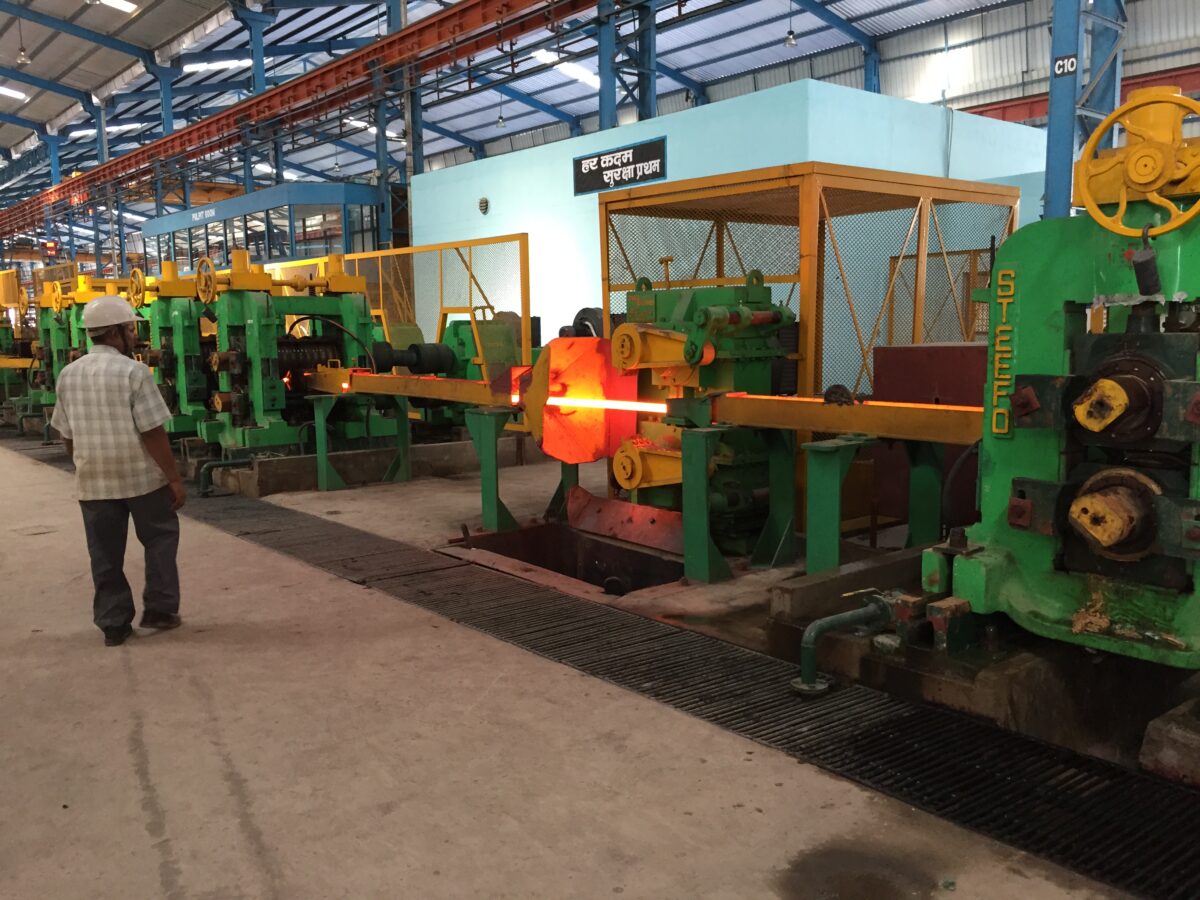
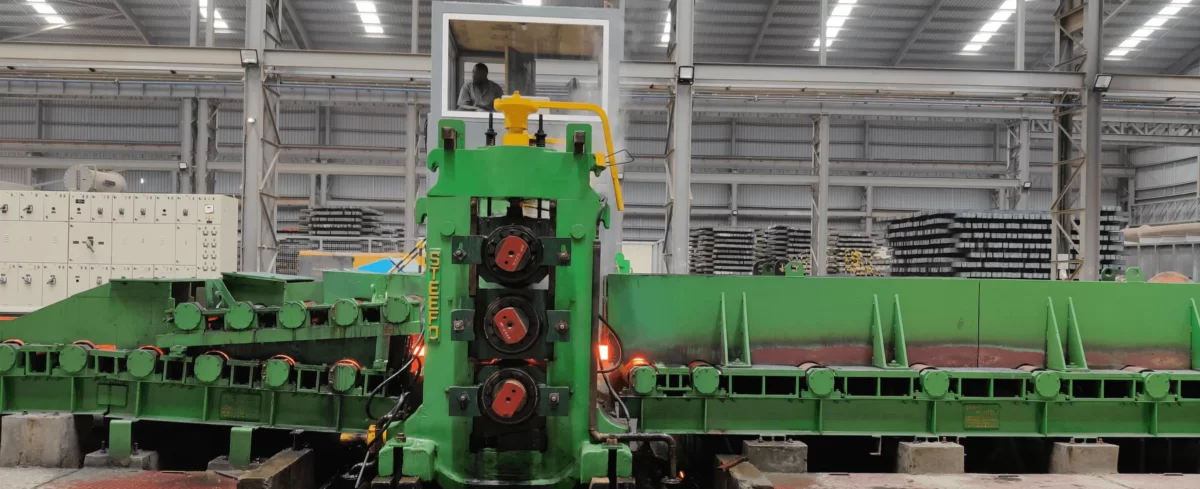
Steel rolling mills are today’s most sophisticated and advanced industrial facilities. They are capable of producing high-quality steel products at incredible speeds and with remarkable precision. Modern rolling mills are equipped with state-of-the-art technologies like laser measurement systems, computer-controlled roll gap adjustment, and automated material handling systems.
Rolling Mill Manufacturers
Many rolling mill manufacturers are operating around the world, each with their own unique history and expertise. These companies, including the Steefo Group, have been at the forefront of technological innovation in the steel industry for decades and continue to push the boundaries of what is possible.
World War II and Steel Rolling Mills
The steel industry played a vital role in the outcome of World War II. Steel was used to build tanks, ships, and planes, and the demand for steel increased dramatically during the war. Steel rolling mills were instrumental in meeting this demand, producing high-quality steel products essential for the war effort.
During the war, many steel rolling mills were converted for military use. Some mills were used to produce munitions, while others were used to manufacture parts for airplanes and ships. The steel industry worked tirelessly to meet the demand for steel during the war, and their efforts played a significant role in securing victory for the Allied powers.
Modern Steel Rolling Mills
Modern steel rolling mills are some of the most advanced and sophisticated industrial facilities in the world. They are home to state-of-the-art technologies that allow them to produce high-quality steel products at incredible speeds and with remarkable precision. Some of the most notable advancements in modern rolling mills include:
Computer-Controlled Systems
Modern rolling mills are equipped with computer-controlled systems that allow operators to monitor and adjust the mill’s performance in real time. These systems can detect and correct any errors in the rolling process, ensuring that the steel products produced are of the highest quality.
Laser Measurement Systems
These help in accurately measuring the thickness and profile of steel products during the rolling process. This allows operators to adjust the rolling to ensure the final product meets the desired specifications.
Automated Material Handling Systems
These move steel products around the rolling mill. These systems can easily transport heavy steel products, reducing the need for manual labor and increasing efficiency.
Roll Gap Adjustment
Modern rolling mills are equipped with computer-controlled systems that adjust the gap between the rolls to ensure the steel product is rolled to the desired thickness and profile.
Laser Measurement Systems
They measure the thickness and width of the steel product as it passes through the rolling mill. These systems provide accurate measurements and help to ensure that the product meets the required specifications.
High-Speed Rolling
Modern rolling mills are capable of producing steel at incredible speeds. Some mills can produce steel at speeds of up to 100 meters per second, allowing for the production of large quantities of steel quickly.
Continuous Casting Machines
They help in producing steel from liquid metal. These machines allow for the production of high-quality steel products with minimal waste.
Environmental Controls
Modern steel rolling mills are designed with environmental controls in mind. These controls help to reduce emissions and ensure that the mill operates in an environmentally friendly way.
Sustainability in Steel Rolling Mills
Sustainability is an important consideration for modern mills. Here are some of the ways that mills are working to reduce their environmental impact:
Energy Efficiency
Steel rolling mills use a lot of energy, so improving energy efficiency is important. Mills are investing in energy-efficient technologies and equipment to reduce energy consumption and costs.
Recycling
Steel is one of the most recyclable materials in the world. Rolling mills are working to increase the amount of recycled steel used in their products, reducing the need for new steel production and minimizing waste.
Emissions Reduction
Steel production can result in the release of greenhouse gases and other pollutants. Rolling mills are investing in emissions control technologies to reduce their environmental impact.
Water Conservation
Rolling mills use a lot of water in their operations. Mills are working to conserve water by reusing and recycling it wherever possible.
Waste Reduction
Rolling mills generate a lot of waste, including scrap metal and other materials. Mills are working to reduce their waste generation and find ways to reuse or recycle the materials that they do generate.
Interesting Facts About Steel Rolling Mills
Steel rolling mills have become an indispensable part of modern industry, producing a wide range of steel products for various applications. Let’s explore some of the interesting facts you probably didn’t know.
Fact 1
Leonardo da Vinci’s sketch of a rolling mill in the 15th century was just the beginning of the evolution of steel rolling mills. Henry Cort further developed the concept, who patented the grooved version for producing bar iron in 1783.
Fact 2
The production of heavy plates requires a roll surface width of more than 2800mm. This means that modern rolling mills need to be capable of producing wide sheets of steel with high accuracy and consistency. The demand for such wide plates has increased in recent years due to the growth of infrastructure projects in various industries.
Fact 3
The maximum width of a rolling mill to date is 5500mm, which is used in megaprojects like the construction of an aircraft carrier. Such wide mills can produce large sheets of steel used in the construction of large-scale projects. These highly automated mills use advanced technology to produce high-quality steel products.
Fact 4
China has the largest HRP rolling mills, wider than 5000mm. HRP rolling mills, or Hot Rolled Plate mills, produce high-quality plates for various industries. China is the world’s largest steel producer and has invested heavily in its steel industry, resulting in the construction of some of the world’s largest and most advanced rolling mills.
Fact 5
Steel rolling mills have evolved over time and have become more advanced in terms of technology and automation. Modern developments use advanced sensors and computer systems to monitor and control the entire production process. This results in improved accuracy, consistency, and efficiency, which ultimately leads to higher-quality steel products.
FAQs
1. What is a rolling mill in the steel industry?
A rolling mill is a facility where metal, especially steel, is passed through a series of rollers to reduce its thickness, make it uniform, and shape it into products like bars, sheets, or coils. It plays a crucial role in metal forming processes across various industries.
2. How did the concept of rolling mills originate?
The earliest rolling mills date back to the 1500s in Europe, where they were used to roll lead and tin. However, it wasn’t until the 18th century, during the Industrial Revolution, that rolling mills for steel production became more widespread and efficient.
3. What are the main types of rolling mills?
There are several types of rolling mills, including two-high, three-high, four-high, cluster mills, and tandem rolling mills. Each type serves specific industrial needs depending on the thickness and material being processed.
4. How has the technology in rolling mills evolved over time?
Rolling mill technology has advanced significantly, moving from manual and steam-powered machines to automated, high-precision mills. Modern rolling mills now include real-time monitoring, computerized control systems, and energy-efficient practices.
5. What is the importance of rolling mills in the steel industry?
Rolling mills are central to the steel manufacturing process. They help shape raw steel into usable forms, such as beams, bars, and sheets, which are then used in construction, automotive, infrastructure, and machinery industries.
6. How do hot rolling and cold rolling differ?
Hot rolling involves rolling steel at high temperatures (above recrystallization), making it easier to shape. Cold rolling occurs at or near room temperature, offering better surface finish, tighter tolerances, and increased strength.
7. What materials are processed in rolling mills apart from steel?
While steel is the most common material, rolling mills are also used to process aluminum, copper, brass, and other metals, depending on the application and industry.
8. Are rolling mills still relevant in today’s automated industry?
Absolutely. Modern rolling mills are highly automated and essential in producing consistent, high-quality steel products. Their efficiency and scalability make them indispensable in today’s global steel supply chain.
9. What are some interesting historical facts about rolling mills?
- The first patented rolling mill was invented in 1783 by Henry Cort in the UK.
- In the early 20th century, rolling mills helped accelerate infrastructure development worldwide.
- Early mills were water-powered before transitioning to steam and later electricity.
10. Where are the major steel rolling mills located globally?
Major steel rolling mills are located in countries like China, India, the United States, Japan, and Germany. India, in particular, is a growing hub due to its expanding infrastructure and industrial base.
We Are a Leading Steel Rolling Mill Manufacturers
Since 1976, The Steefo Group has been playing a pioneering role in domestic and international markets, innovating, developing, and adopting new practices. We provide our clients with the highest quality steel products and services. With years of experience in the industry, we have developed a reputation for excellence, innovation, and reliability.
We take pride in our advanced technology, state-of-the-art facilities, and highly skilled workforce, which enable us to deliver high-quality products and services to our clients. Whether you are in the construction, automotive, or aerospace industry, we have the expertise and resources to meet your specific steel requirements.
If you are looking for a reliable and trustworthy steel rolling mill manufacturer, look no further than us. Contact us today to learn more about our products and services and how we can help you achieve your business goals. We look forward to hearing from you and working with you to achieve mutual success.