Categories
Blogs


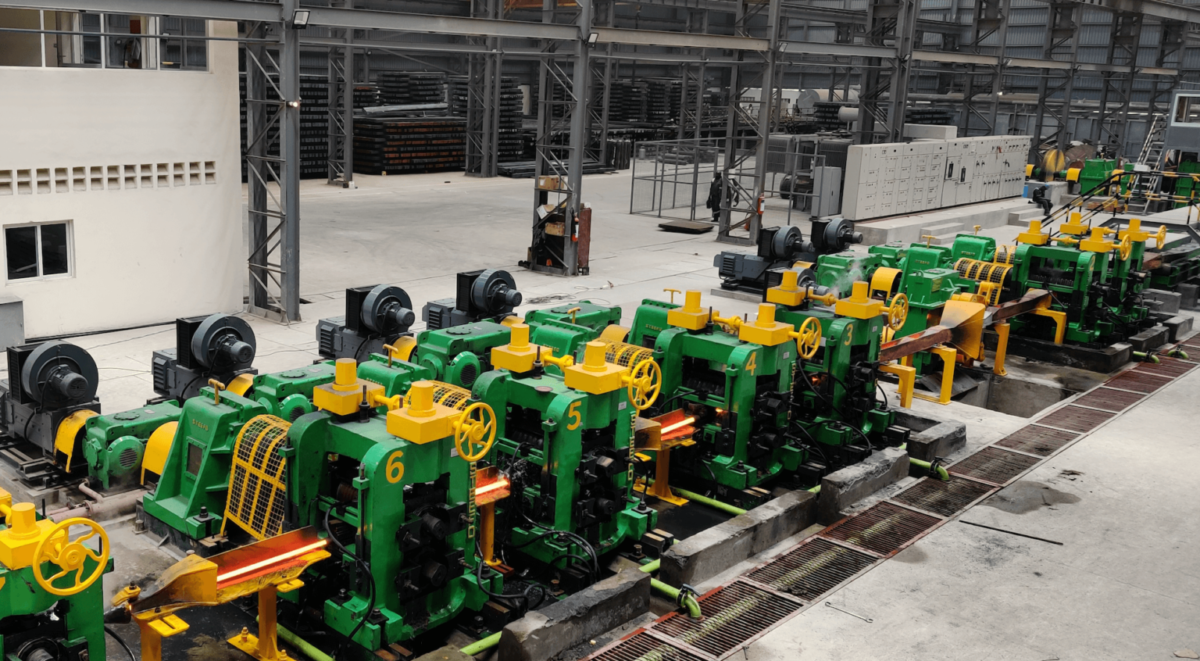
The steel industry plays a pivotal role in developing and growing any nation’s infrastructure. In this context, the steel rolling mill is a critical component that transforms raw steel into various shapes and sizes for construction, automotive, and other industries. To ensure the efficiency, quality, and longevity of the rolling process, one of the crucial aspects to consider is roll cooling. 

This article delves into the general aspects of roll cooling in cold and hot rolling mills, offering valuable insights for businesses operating in the steel plant sector.

Thermal Aspects of Rolling

Rolling, whether hot or cold, generates an enormous amount of heat due to the deformation of steel. If not managed effectively, this heat can lead to several issues, including reduced product quality, roll damage, and even production downtime. To counteract this, roll cooling is employed.

Controlling thermal aspects is paramount in hot steel rolling mills, where temperatures can reach over 1000°C. Roll cooling systems remove excess heat from the rolls, maintaining them at an optimal temperature range. This ensures the quality of the rolled products and prolongs the life of the rolls themselves.

In cold rolling mills, the temperatures are lower, but precise temperature control remains essential. Cold rolling processes demand tight tolerances, making temperature management crucial to achieving the desired thickness and surface finish of the rolled steel.

Coolants for Steel Rolling

Effective roll cooling relies on the choice of coolants. Various coolants are used in rolling mills, each offering distinct advantages. Water is the most commonly used coolant thanks to its excellent heat-absorbing properties. It serves as a spray or directly onto the rolls to dissipate heat rapidly. 

Oil-based coolants are also used, especially in cold rolling mills. These oils provide lubrication, reducing friction between the rolls and the steel. Moreover, they act as a heat transfer medium, aiding in temperature control. 

In recent years, there has been a growing interest in environmentally friendly coolants. Some mills are exploring water-based emulsions and synthetic fluids, which offer effective cooling while minimising environmental impact. The choice of coolant depends on factors like the rolling process, product specifications, and environmental considerations.                  

Functions of Roll Cooling

Roll cooling serves several critical functions in a rolling mill:

1. Temperature Control

The primary role of roll cooling is to manage the temperature of the rolls. This ensures that the steel remains within specified temperature ranges, preventing overheating and maintaining product quality.

2. Roll Protection

Cooling systems help protect the rolls from damage. Excessive heat can lead to rolling wear, surface cracks, and even catastrophic failures. Proper cooling extends the life of rolls, reducing maintenance costs.

3. Consistency

Uniform cooling across the rolls ensures consistent product quality. Variations in temperature can lead to uneven deformation and surface defects in the rolled steel.

4. Energy Efficiency

Efficient roll cooling contributes to energy savings. By preventing overheating, steel plants can reduce energy consumption and enhance their overall sustainability.

Methods of Applying Coolants Onto the Rolls

In steel rolling mills, where precision and efficiency are paramount, applying coolants onto the rolls is a critical aspect of the roll cooling process. Effective coolant application methods ensure that the rolls remain at the optimal temperature, protecting them from damage and ensuring product quality. 

Spray Cooling Advantages 

Spray cooling is one of the most common and effective methods for applying coolants onto the rolls in a hot rolling mill. This technique involves using specially designed nozzles that disperse a fine mist of coolant onto the surface of the rolls. Spray cooling offers several advantages:

1. Uniform Coverage

Spray nozzles ensure even distribution of coolant across the entire surface of the rolls, preventing hot spots and ensuring consistent cooling.

2. Quick Cooling

The fine mist created by spray nozzles has a high surface area, allowing for rapid heat dissipation, which is crucial in hot rolling mills where temperatures can soar.   

3. Adjustability

Spray cooling systems can be adjusted to control the volume and intensity of coolant applied, enabling precise temperature control.

4. Minimised Coolant Usage

Spray systems minimise coolant wastage by delivering only the right amount of coolant, reducing operational costs.

Rolling mills use various spray cooling arrangements, including overhead sprays, side sprays, and combination systems that use both. The choice of arrangement depends on the specific rolling process and product requirements.

Nozzle Types of Roll Cooling

The effectiveness of spray cooling largely depends on the type of nozzles used. Different nozzle types are suited for specific applications in the steel plants:

1. Typical Full Cone Nozzle

Full cone nozzles disperse coolant in a full cone pattern. These nozzles provide uniform coverage over a wide area, making them suitable for applications where comprehensive roll cooling is required. They are often used in the initial stages of hot rolling to rapidly reduce the initial high temperatures.

2. Flat Jet Nozzle

Flat jet nozzles produce a wide, flat spray pattern. They are ideal for applications where precise control of coolant flow and direction is needed. They are often used with full cone nozzles to fine-tune the cooling process and target specific areas on the rolls.

3. Fan Jet Nozzle

Fan jet nozzles create a wide fan-shaped spray pattern. These nozzles are versatile and can be adjusted to cover different roll widths effectively. They are common in continuous hot rolling processes to ensure even cooling across the entire width of the rolls.

The choice of nozzle type depends on factors such as the rolling process, product dimensions, and the desired level of control over coolant distribution.

Explaining Nozzle Arrangements

As we delve deeper into roll cooling in steel rolling mills, it’s imperative to understand the critical role of nozzle arrangements. These are the strategic positioning and configuration of coolant spray nozzles, essential for efficient and uniform roll cooling. For businesses operating steel plants, optimising nozzle arrangements can significantly impact the quality of the rolled steel and the longevity of the rolls. 

The arrangements are designed with precision to ensure that coolant is applied to the rolls effectively. The following are some common nozzle arrangements in the steel rolling industry:

1. Overhead Nozzle Arrangements

Overhead nozzles are in position above the rolls, and spray coolant is directly applied onto their surface. This arrangement provides excellent coverage and is common in hot rolling mills to quickly reduce the initial high temperatures of the rolls. Overhead arrangements are ideal for achieving uniform cooling across the roll width.  

2. Side Nozzle Arrangements

Side nozzles have a strategic position along the sides of the rolls. They provide targeted cooling to specific areas of the rolls, allowing for precise temperature control. Side nozzle arrangements are often used in cold rolling mills, where maintaining tight tolerances is crucial.

3. Combination Nozzle Arrangements

Some steel rolling mills use overhead and side nozzles to achieve uniform cooling and precise control. This approach is versatile and can be adapted to meet the specific requirements of different rolling processes and product dimensions. 

The choice of nozzle arrangement depends on factors such as the rolling process, product specifications, and the desired level of cooling control.   

Salient Features of Cold Roll Steel

Cold-rolled steel is a vital product in the steel industry, serving various industrial applications, including automotive, construction, and appliances. Understanding the key features of cold roll steel is essential for steel plant operators. 

1. Tight Tolerances

Cold-rolled steel is known for its dimensional accuracy and tight tolerances. It is common in applications when precision is critical, such as manufacturing precision parts and components.

2. Strength and Durability

Cold-rolled steel retains its strength and durability while being thinner and lighter than hot-rolled steel. This makes it suitable for applications requiring high strength-to-weight ratios.

3. Consistency

Cold rolling processes ensure consistent thickness and mechanical properties throughout the steel sheet or coil. This consistency is essential for reliable performance in various applications.

Salient Features of Hot Roll Steel

Hot-rolled steel, on the other hand, has distinct characteristics that make it valuable in the steel industry:

1. Cost-Efficiency

Hot rolling is a more economical process than cold rolling, making hot-rolled steel an attractive choice for structural and construction applications.

2. Formability

The higher temperatures in hot rolling make the steel more malleable and easier to shape. This makes it suitable for applications where complex shapes and forms are required.

3. Surface Texture

Hot-rolled steel typically has a rougher surface texture compared to cold-rolled steel. This texture can provide enhanced grip in certain applications.

4. Large Sizes

Hot-rolling mills can produce large-sized steel sections and shapes, making hot-rolled steel suitable for structural components in infrastructure projects.

FAQs

Q1: What is roll cooling in steel rolling mills?

A: Roll cooling refers to the controlled application of coolant—typically water or emulsions—on the working rolls during the steel cold rolling mill process or hot rolling. This helps regulate temperature, prevent thermal damage, and improve surface quality of the rolled steel.

Q2: Why is roll cooling essential in cold steel rolling mills?

A: In a cold steel rolling mill, the rolls are subjected to high pressure and friction, generating significant heat. A roll cooling system helps dissipate this heat, ensuring dimensional accuracy, extended roll life, and enhanced product surface finish.

Q3: How does a roll cooling system work?

A: A roll cooling system uses strategically placed nozzles to spray coolant onto the rolls during the rolling process. The system may be automated and adjustable to control flow rate, temperature, and spray pattern, ensuring optimal cooling during high-speed operations.

Q4: What are the common types of roll cooling equipment?

A: Common roll cooling equipment includes spray headers, precision nozzles, filtration units, recirculation pumps, and temperature control systems. These components work together to maintain consistent roll temperatures in cold and hot rolling mills.

Q5: What issues can arise without proper roll cooling?

A: Without effective roll cooling, rolls can overheat, leading to thermal cracks, roll deformation, reduced surface quality, and downtime. In both hot and steel cold rolling mills, inadequate cooling can compromise product tolerances and shorten roll life.

Q6: How does roll cooling affect product quality in steel rolling?

A: Effective roll cooling ensures stable rolling conditions, minimizes thermal expansion, and maintains uniform pressure distribution. This directly impacts the cold rolling mill products, producing steel with consistent thickness, flatness, and smooth finishes.

Q7: Is roll cooling used differently in hot and cold rolling?

A: Yes. In hot rolling, roll cooling primarily protects the rolls and controls oxidation. In contrast, cold steel rolling mills use cooling more aggressively to manage heat buildup due to the absence of pre-heated material and higher friction.

Q8: What factors influence the design of a roll cooling system?

A: The design of a roll cooling system depends on mill type, rolling speed, material thickness, and coolant type. Other factors include nozzle placement, spray angle, and roll diameter—especially in custom setups by leading cooling roll manufacturers.

Q9: Who are the leading cooling roll manufacturers in India?

A: India is home to several reputable cooling roll manufacturers offering custom solutions for cold rolling mill products. Many specialize in advanced cooling systems for hot and steel cold rolling mill applications, ensuring efficiency and durability.

Q10: How can you maintain and optimize a roll cooling system?

A: Regular inspection, cleaning of spray nozzles, monitoring coolant quality, and calibrating spray parameters are key. Upgrading outdated roll cooling equipment and using real-time monitoring systems can significantly improve cooling efficiency and mill performance.

Discover Excellence in Steel Manufacturing with Us!

As one of the leading hot rolling mill manufacturers in India, The Steefo Group takes immense pride in its commitment to innovation, precision, and quality. Our cutting-edge technology and decades of industry expertise have propelled us to the forefront of steel manufacturing.         

If you’re searching for a partner who understands the nuances of steel production, look no further. Whether it’s delivering top-tier hot-rolled steel, optimising your production processes, or designing efficient roll cooling systems, we’ve got you covered.          

Join hands with us to revolutionise your steel manufacturing journey. Explore our world-class solutions, harness the power of precision, and elevate your steel production capabilities to new heights.

Contact us at +91 87589 98607 or email us at marketing@thesteefogroup.com to consult with our steel rolling mill experts. We will be happy to provide you with the ideal solution. 

Categories
Blogs


Setting up a structural mill is a complex undertaking that requires expert guidance and support from reliable rolling mill manufacturers. Turnkey solutions provide a comprehensive approach, offering a ready-to-use solution that saves time, effort, and resources. 

This article delves into the step-by-step process of consulting a rolling mill manufacturer in India for turnkey solutions. Each stage of the journey, from project assessment to commissioning, plays a crucial role in ensuring a successful and seamless implementation of a structural mill.

Initial Contact and Information Exchange

The first step in consulting a rolling mill manufacturer for a turnkey solution is to establish initial contact and share essential project details. This phase involves reaching out to the manufacturer to express interest in their services and provide comprehensive information about the project. Key project details to provide at this stage include:

Project Goals and Objectives

Clearly define the objectives of your rolling mill project. Specify the desired production capacity, types of products to be manufactured, and any unique requirements. Understanding the project goals allows the manufacturer to tailor the solution accordingly.

Technical Specifications

Share technical specifications, such as the size and weight of the materials to be rolled, rolling speeds, and quality standards required. This information assists the manufacturer in selecting appropriate machinery and equipment.

Project Timelines

Outline the timeline for the project, including milestones and deadlines. A well-defined timeline allows both the manufacturer and the client to plan effectively and stay on track during the implementation process.

Budget Constraints

Indicate budgetary specifications and discuss the manufacturer’s requirements to deliver techno commercial proposals. Transparent communication about budget specification helps in finding cost-effective turnkey solutions without compromising on quality.

Project Assessment and Feasibility Study

After gathering the necessary project details, the rolling mill manufacturer conducts a comprehensive assessment and feasibility study. This evaluation is crucial as it determines the project’s viability and helps identify potential challenges. The project assessment includes the following:

Technical Evaluation

The manufacturer assesses whether their rolling mill machinery and equipment align with the project’s technical requirements. This evaluation ensures that the selected machinery is capable of handling the specified material and production capacity.

Project Challenges

During the feasibility study, the manufacturer should identify any potential challenges that may arise during the project’s execution. Whether it’s related to material specifications, production volume, or automation requirements, addressing these challenges early on is essential for a smooth implementation.

Cost Estimation

Based on the project assessment, the manufacturer provides a detailed cost estimation for the turnkey solution. This includes the cost of rolling mill machinery, installation, automation systems, and other related expenses. As a client, you can then evaluate the financial feasibility of the project and plan accordingly.

Customisation and Design

Once the feasibility study is complete, the focus shifts to customisation and design. A reputable rolling mill manufacturer will collaborate closely with the client to tailor the solution to meet their specific requirements and industry standards. This phase involves the following:

Collaborative Approach

Designing a turnkey solution requires a collaborative approach between the manufacturer and the client. This ensures that the solution aligns with the client’s expectations and allows for valuable input from both parties. The manufacturer’s expertise and the client’s insights combine to create an optimized solution.

Equipment Selection

Selecting appropriate rolling mill machinery and equipment is a critical aspect of the design phase. The manufacturer considers factors such as material compatibility, production capacity, automation capabilities, and cost-effectiveness to ensure the chosen equipment meets the project’s needs.

Integration Planning

Efficient integration of various components within the rolling mill is essential for its smooth operation. During the design phase, the manufacturer plans how different components, such as automation systems, sensors, and other technologies, will be seamlessly integrated into the turnkey solution.         

Proposal Presentation and Agreement

With the design and customisation finalized, the rolling mill manufacturer presents a comprehensive proposal to the client. This proposal outlines the scope of work, project timeline, payment terms, and deliverables. You should carefully review and evaluate the proposal before entering into a formal agreement with the manufacturer. Key elements of the proposal and agreement include:             

Scope of Work

The proposal should provide a detailed breakdown of the scope of work to avoid misunderstandings later on. It should specify the tasks to be completed, the responsibilities of each party, and the expected deliverables.  

Project Timeline

Establishing a clear and achievable project timeline is essential to track progress effectively. The timeline should include milestones and deadlines to help both parties monitor the project’s status.

Payment Terms

Agreeing on transparent payment terms is crucial for a successful collaboration. The proposal should outline the payment schedule based on project milestones, ensuring fair compensation for the manufacturer’s efforts.               

Intellectual Property Rights

Addressing intellectual property rights is crucial, especially if the turnkey solution involves custom designs or proprietary technologies. The agreement should clearly define the ownership and usage rights of any intellectual property resulting from the project.    

Technical Expertise and Experience

Before proceeding with the project, it is vital to assess the rolling mill manufacturer’s technical expertise and experience. This step ensures that the chosen manufacturer has the necessary skills and knowledge to deliver a successful turnkey solution. Key aspects to consider include:

Relevant Experience

The manufacturer should have relevant experience in the design, manufacturing, and commissioning of rolling mill machinery and turnkey solutions. Experience in similar projects demonstrates their understanding of the industry’s specific requirements.

Industry Certifications

Verify if the manufacturer holds industry certifications and accreditations that signify adherence to quality standards and industry best practices. Certifications can provide added assurance of their capabilities.

Testimonials and Client Reviews

Gather feedback from previous clients regarding their experiences with the manufacturer. Testimonials and client reviews provide valuable insights into their professionalism, responsiveness, and commitment to delivering high-quality solutions.

Integration and Commissioning Planning

The integration and commissioning phase is critical for ensuring the success of the turnkey solution. During this stage, the rolling mill manufacturer plans and prepares for the installation and integration of various components. Key considerations include:

Alignment with Project Timeline

The integration and commissioning plan must align with the project timeline to avoid delays and downtime. Adequate planning and coordination between the manufacturer and the client are essential to meet project deadlines.

Quality Assurance

Discuss the manufacturer’s quality assurance processes, testing protocols, and safety measures during the installation and commissioning. A thorough quality assurance approach ensures that the rolling mill functions as intended and meets the specified quality standards.

Training Programs

Inquire about the training programs the manufacturer offers to the client’s team for the operation and maintenance of the hot rolling mill. Proper training is crucial for the client’s personnel to utilise the turnkey solution efficiently and avoid unnecessary downtime due to operational issues.

Project Management and Support

A well-executed turnkey solution requires effective project management and ongoing support. During this step, the manufacturer and the client establish clear communication channels and responsibilities for efficient project execution. Key components of project management and support include:    

Project Coordination

Establish a dedicated team responsible for coordinating all aspects of the project. Effective project coordination ensures that tasks are completed as scheduled, and potential roadblocks are addressed promptly.

Regular Updates

Schedule regular progress updates and meetings to keep all stakeholders informed. Effective communication between the manufacturer and the client fosters a collaborative environment and ensures transparency throughout the project.

After-Sales Support

Discuss the after-sales support and maintenance services offered by the manufacturer. Post-commissioning support is essential for addressing any operational issues that may arise and ensuring the smooth functioning of the hot rolling mill.

Training and Knowledge Transfer

The success of a turnkey solution also depends on the client’s ability to operate and maintain the rolling mill effectively. To facilitate this, the manufacturer should provide comprehensive training to the client’s team. Training and knowledge transfer should include:

Operational Training

Train the client’s operators on the correct usage and operation of the rolling mill machinery and automation systems. Proper training ensures that the personnel can operate the equipment safely and efficiently.

Maintenance Training

Educate maintenance personnel on routine maintenance tasks and troubleshooting techniques. Well-trained maintenance teams can proactively address potential issues, minimising downtime and extending the life of the rolling mill.

Documentation

Provide detailed documentation, manuals, and reference materials for future reference. Comprehensive documentation aids in troubleshooting, regular maintenance, and the implementation of best practices.

Unlock Success with Our Turnkey Solutions for Hot Rolling Mills

Are you ready to unlock the path to unparalleled success in the hot rolling mill industry? Look no further! Embrace our expertise as a leading hot rolling mill manufacturers in India, offering top-notch turnkey solutions tailored to your unique needs. 

Our team of skilled engineers and industry experts will guide you through every step of the process, from initial consultation to commissioning. Witness the seamless integration of cutting-edge rolling mill machinery, automation systems, and unparalleled customer support that empowers your business to achieve exceptional productivity and quality standards. 

Contact us at +91 87589 98607 or email us at marketing@thesteefogroup.com today to learn more about how our turnkey solutions can help you business!

Categories
Blogs

DC motors play a crucial role in the efficient operation of steel plants. These motors are responsible for providing the necessary power and control required to drive various components. Understanding the factors that influence the efficiency of DC motors in rolling mills is essential for businesses looking to invest in high-quality motors and rolling mill components. This article aims to identify and discuss these factors while proposing solutions to address efficiency-related issues.

Overview of DC Motors in Steel Plants

DC motors serve as the prime component in rolling mills, providing the mechanical power required to drive various equipment and machinery. They operate based on the principles of electromagnetic induction, with basic components including the armature, field winding, commutator, and brushes. By converting electrical energy into mechanical energy, these motors enable the rolling process to proceed smoothly and efficiently.

Factors That Impact Efficiency

Electrical Factors

Various electrical factors can influence efficiency in DC motors:

  • Armature resistance: Higher resistance leads to increased power losses and reduced efficiency. Minimising armature resistance through the use of high-quality conductors and appropriate wire gauges improves motor efficiency.
  • Field winding resistance: Higher resistance affects the field current and reduces motor performance. Using low-resistance field windings and optimising winding design helps improve motor efficiency.
  • Brush contact resistance: Poor brush contact increases power losses and diminishes motor efficiency. Regular inspection and maintenance of brushes, along with the use of high-quality brushes, help reduce contact resistance.
  • Commutation: Inefficient commutation causes increased sparking, leading to energy losses. Optimising the commutation system through improved brush design, advanced commutator materials, and precise timing adjustments can enhance motor efficiency.
  • Voltage regulation: Poor voltage regulation affects the motor’s performance and efficiency. Employing voltage regulation techniques, such as voltage stabilisers and regulators, helps maintain a stable power supply and improves motor efficiency.

Mechanical Factors

Various mechanical factors also influence efficiency in DC motors:

  • Friction and bearing losses: High friction and bearing losses increase power consumption and reduce efficiency. Proper lubrication and maintenance of bearings, along with the use of low-friction materials, minimise these losses and enhance motor efficiency.
  • Load characteristics: Uneven or excessive loads impact the motor’s efficiency. Designing the rolling mill system to ensure uniform load distribution and employing load balancing mechanisms optimise motor efficiency.            
  • Belt and pulley efficiency: Inefficient transmission systems introduce power losses. Using high-quality belts and pulleys with low slippage and proper tensioning improves power transmission efficiency.
  • Alignment and coupling losses: Misalignment and coupling issues lead to additional power losses and decreased efficiency. Regular alignment checks, coupling maintenance, and using flexible couplings help minimise these losses and improve motor efficiency. 

Thermal Factors

Thermal factors can significantly affect DC motor efficiency:

  • Temperature rise: Excessive heat can reduce motor efficiency and potentially damage insulation. Implementing efficient cooling mechanisms, such as fan cooling or liquid cooling, and monitoring motor temperature ensure optimal performance and efficiency.
  • Cooling mechanisms: Inadequate cooling systems limit heat dissipation and affect motor performance. Ensuring proper cooling system design, maintenance, and optimising airflow enhance motor efficiency.
  • Insulation Quality: Poor insulation can result in increased heat generation and reduced efficiency. Using high-quality insulation materials and regularly inspecting and replacing damaged insulation prevent energy losses and maintain motor efficiency.

Influence of Power Supply

The power supply quality and stability can impact DC motor efficiency:

  • Voltage Variations and Harmonics: Fluctuations and harmonics in the power supply can impact motor performance and efficiency. Employing voltage stabilisers, harmonic filters, and power conditioning equipment helps mitigate these issues.
  • Power Quality and Stability: Poor power quality and instability affect motor operation and efficiency. Implementing power quality monitoring systems and addressing power supply issues improve motor efficiency.
  • Voltage Drop and Power Losses: Voltage drops in the power supply can lead to decreased motor efficiency. Ensuring proper cable sizing, reducing cable lengths, and addressing voltage drop issues enhance motor performance and efficiency.

Control Systems and Efficiency Optimization

Efficiency can be optimised through advanced control systems and techniques:

  • Speed Control Methods: Implementing efficient speed control mechanisms, such as variable frequency drives (VFDs) or electronic DC drives, ensures optimal motor operation under varying load conditions.
  • Torque Control Methods: Proper torque control helps maintain efficiency and prevents overload. Using closed-loop control systems and torque control algorithms improves motor efficiency.
  • Current and Power Control Techniques: Monitoring and controlling current and power consumption improve motor efficiency. Implementing energy-efficient control algorithms and power management systems optimises motor performance.
  • Efficiency Improvement Techniques: Employing modern motor technologies, such as high-efficiency DC motors and power electronics, and utilising regenerative braking systems improve motor efficiency.      

Maintenance and Operational Considerations

Proper maintenance practices contribute to DC motor efficiency:

  • Regular Inspection and Preventive Maintenance: Routine inspections and preventive maintenance help identify and address potential issues that may impact motor efficiency. Regularly checking motor components, electrical connections, and insulation integrity ensures optimal motor performance.
  • Lubrication and Cooling System Maintenance: Proper lubrication and cooling system maintenance ensure optimal motor performance. Regularly checking and replacing lubricants, cleaning cooling systems, and maintaining proper coolant flow improve motor efficiency.
  • Brush and Commutator Maintenance: Regular inspection and maintenance of brushes and commutators prevent power losses and maintain efficiency. Cleaning, aligning, and replacing brushes and commutators as necessary enhance motor performance.
  • Proper Alignment and Load Distribution: Ensuring proper alignment and load distribution minimises power losses and maximises motor efficiency. Regularly checking alignment, balancing loads, and employing precision alignment techniques contribute to improved motor efficiency.

Following a comprehensive maintenance plan ensures sustained motor efficiency and reliability. Regular inspections, preventive maintenance, and timely repairs minimise efficiency losses and extend motor lifespan.

How Premium Quality DC Motors is the Best Way to Enhance Efficiency

Investing in premium quality DC motors is the most effective approach to enhance the efficiency of operations in steel plants. While it may require a higher upfront investment, the long-term benefits outweigh the initial costs. Here are the reasons why investing in high-quality DC motors is crucial for maximising efficiency:

1. Enhanced Performance and Reliability

Premium quality DC motors are engineered with superior materials, advanced design, and precision manufacturing processes. These motors offer higher power output, improved torque characteristics, and superior performance under varying load conditions. They are designed to withstand the demanding operating conditions of rolling mills, ensuring long-term reliability and minimising downtime.

2. Higher Efficiency and Energy Savings

High-quality DC motors are optimised for efficiency, reducing energy consumption and operating costs. They feature lower internal resistance, reduced power losses, and improved voltage regulation. By minimising the wastage of electrical energy, these motors maximise power utilisation, resulting in significant energy savings over time.

3. Advanced Control Systems

Premium DC motors are often equipped with advanced control systems and technologies. These systems enable precise speed and torque control, ensuring optimal operation and efficient utilisation of power. With features like variable frequency drives (VFDs), closed-loop control, and power management algorithms, these motors provide better control over motor performance and energy efficiency.

4. Robust Construction and Durability

High-quality DC motors are built to withstand the harsh operating conditions of steel plants. They are designed with robust construction, superior insulation, and effective cooling mechanisms. This ensures that the motors can handle high temperatures, heavy loads, and continuous operation without compromising performance or efficiency.

5. Longevity and Reduced Maintenance

Investing in superior-quality DC motors reduces the frequency and intensity of maintenance requirements. These motors are designed for longevity, with high-quality components and durable construction. They undergo rigorous testing and quality control processes to ensure reliable operation and extended lifespan. By reducing maintenance needs, businesses can save on maintenance costs and improve overall operational efficiency.

6. Customisation and Compatibility

Premium DC motors are often customisable to meet the specific requirements of steel plants. Manufacturers offer a wide range of motor sizes, power ratings, and configurations to suit different applications. This ensures compatibility with existing rolling mill systems, seamless integration, and optimal performance.

FAQs

What is the efficiency of a DC motor?

The efficiency of a DC motor refers to the ratio of mechanical power output to the electrical power input, expressed as a percentage. It indicates how effectively the motor converts electrical energy into mechanical work. In ideal conditions, high-efficiency DC motors can reach efficiency levels of 85–95%, depending on the design, load, and operational parameters.

What factors affect the energy efficiency of a DC motor?

Several factors affect the energy efficiency of a DC motor, including load conditions, armature resistance, brush and commutator condition, core material, and operating temperature. Poor lubrication, frequent start-stops, or voltage drops can reduce efficiency. Using high-quality components and maintaining optimal load levels can help enhance motor performance.

What are the common losses in a DC motor?

The losses in a DC motor are broadly classified into copper losses (I²R losses in armature and field windings), iron losses (hysteresis and eddy current losses in the core), mechanical losses (friction and windage), and stray load losses. These reduce the net output and overall efficiency. Identifying and minimizing these losses is key to improving motor efficiency.

How can I improve the efficiency of a DC motor?

To improve the efficiency of a DC motor, ensure regular maintenance of brushes, commutators, and bearings. Operate the motor within its rated load and voltage, avoid excessive starts and stops, and ensure proper alignment and lubrication. Additionally, upgrading to motors with better materials and winding designs can reduce losses and boost efficiency.

What is the typical efficiency of a brushed DC motor?

A brushed DC motor typically offers an efficiency of around 70–85%, depending on the quality of construction and usage conditions. These motors have more mechanical friction due to the brushes and commutator, which results in energy loss and reduced lifespan. Brushless DC motors are often preferred for higher efficiency and lower maintenance.

How do temperature and load affect DC motor efficiency?

Higher temperature increases resistance in windings, leading to more copper losses and reduced efficiency. Similarly, operating under very light or very heavy loads can cause the motor to work inefficiently—either due to idle losses or overheating. The ideal efficiency is usually achieved when the motor runs close to its rated load in a stable environment.

What is the efficiency of a DC machine under no-load condition?

Under no-load condition, a DC machine has very low efficiency because most of the input power is consumed by core losses and mechanical friction rather than doing useful mechanical work. Efficiency improves significantly only when the motor is driving an appropriate load, balancing out the losses with productive output.

Can motor design influence efficiency?

Yes, motor design greatly influences efficiency. Factors like high-quality magnetic materials, optimal winding configurations, precision-machined parts, and aerodynamic cooling systems help reduce losses. Advanced motors may also use permanent magnets or improved brush systems to achieve higher energy conversion rates and longer service life.

What are signs that a DC motor is operating inefficiently?

Signs of inefficient DC motor operation include overheating, unusual noise, poor speed control, excessive vibration, frequent tripping, or reduced torque output. These issues may point to worn-out brushes, poor electrical contact, imbalanced loads, or internal electrical faults. Timely inspection and repair can restore optimal performance.

Why is understanding motor efficiency important in industrial applications?

Understanding motor efficiency is essential in industrial settings where motors run continuously and consume significant energy. High-efficiency DC motors help lower energy bills, reduce downtime, and improve system reliability. Additionally, energy-efficient motors contribute to sustainability goals by reducing carbon emissions and power wastage.

We Provide the Highest Quality DC Motors for Steel Plants

Looking to maximise the efficiency and productivity of your steel plant operations? Look no further than The Steefo Group. We are proud to offer the highest quality DC motors specifically designed for rolling mills.

At The Steefo Group, we understand the critical role that DC motors play in driving the various components of rolling mills. That’s why we have dedicated our expertise to engineering and manufacturing premium quality motors that excel in performance, reliability, and energy efficiency.

By choosing our DC motors, you gain access to cutting-edge technology, advanced control systems, and robust construction that can withstand the demanding conditions of steel plant operations. Our motors are meticulously crafted with precision and attention to detail, ensuring optimal performance, longevity, and reduced maintenance requirements.

Don’t compromise on the efficiency and profitability of your rolling mill. Invest in our DC motors and experience the difference they can make in maximising your operations. Contact us today at +91 98240 76873 or +91 87589 98607 to discuss your specific requirements, and let us provide you with the best solution tailored to your needs. Alternatively, you can email us at marketing@thesteefogroup.com for general queries. We will be happy to assist you. 

Categories
Blogs


Rolling mills play a crucial role in the steel industry, enabling the shaping and processing of metal materials. As businesses consider investing in rolling mill machinery or upgrading their existing infrastructure, it is imperative to prioritize the safety of employees and create a secure working environment. This article presents comprehensive and practical general safety norms for rolling mills, providing valuable insights for businesses of all sizes. By adhering to these safety guidelines, companies can safeguard their workforce and promote a culture of safety within their operations.

Essential Considerations to Ensure Safety and Risk Management

1. Employee Training and Awareness

To establish a safe working environment, comprehensive employee training programs are essential. These programs should focus on familiarizing employees with the potential hazards associated with rolling mills, safety procedures, and emergency response protocols. Regular training sessions should be conducted to keep workers informed and updated on the latest safety guidelines. Additionally, maintaining records of employee training ensures accountability and reinforces a safety-conscious culture throughout the organization.

2. Machinery and Equipment Safety

The safety of rolling mill machinery is critical to prevent accidents and ensure smooth operations. Regular inspections and maintenance routines should be implemented to promptly identify and address potential issues. Installing safety guards, interlocks, and emergency stop buttons on machinery minimizes the risk of accidents by preventing unauthorized access to hazardous areas during operation. Clear instructions and warning signs should be prominently displayed on equipment to guide operators in safe usage and raise awareness of potential hazards.

3. Fire Safety

Rolling mills involve high-temperature processes that can pose fire hazards. Therefore, a comprehensive fire safety plan is paramount. This plan should include the installation of fire detection and suppression systems in compliance with local regulations. Conducting regular fire drills helps familiarize employees with evacuation procedures and trains them to use fire extinguishers properly. Proper storage of flammable materials in designated areas with appropriate safety measures, such as fire-resistant cabinets, further reduces the risk of fire-related incidents.

4. Personal Protective Equipment (PPE)

Providing suitable personal protective equipment is crucial to protect employees from potential hazards in rolling mills. Safety helmets, safety glasses, protective clothing, gloves, and safety shoes are some of the essential PPE items that should be provided. Regular inspection and maintenance of PPE are necessary to ensure its effectiveness. Worn-out equipment should be promptly replaced to maintain worker safety and well-being.

5. Electrical Safety

Electrical safety is a critical aspect of rolling mill operations. Proper grounding and insulation measures should be implemented for electrical equipment to prevent electric shocks and fires. Regular inspections and maintenance of electrical systems, including wiring, circuit breakers, and control panels, are essential to identify and rectify potential electrical hazards. Employees should receive training on electrical safety practices and be encouraged to promptly report any electrical malfunctions or hazards.

6. Material Handling and Storage

Safe material handling and storage practices are vital in rolling mills to prevent injuries and accidents. Establishing clear procedures for material handling, lifting, and storage minimises the risk of incidents. Employees should be trained in safe lifting techniques, and heavy loads must be properly secured during transportation. Storing materials in designated areas and ensuring clear walkways and unobstructed emergency exits enhance overall safety in the workplace.

7. Emergency Preparedness

A well-defined emergency response plan is essential for rolling mills. This plan should include clear evacuation procedures, designated assembly points, and contact information for emergency services. Regular drills and exercises should be conducted to evaluate the effectiveness of the emergency response plan and identify areas for improvement. By ensuring preparedness for emergencies, businesses can mitigate risks and protect the well-being of their employees.

8. Safety Inspections and Audits

Regular safety inspections and audits are crucial to maintaining a safe working environment in rolling mills. These inspections identify potential hazards, assess safety procedures, and ensure compliance with safety regulations. Documenting findings from inspections and audits enables prompt implementation of corrective actions, minimising risks and enhancing overall safety levels. Furthermore, continuous monitoring and improvement of safety practices contribute to the long-term success of rolling mill operations. 

Environmental Sustainability in Rolling Mills: Promoting a Greener Future

Environmental sustainability has become a critical consideration in industries worldwide, including rolling mills. As businesses strive to minimize environmental impact, implementing eco-friendly practices in rolling mill operations is essential. Companies can contribute to a greener future by adopting sustainable strategies while maintaining safe and efficient operations.

1. Energy Efficiency

Optimizing energy consumption is one of the primary aspects of environmental sustainability in rolling mills. By employing energy-efficient technologies and practices, businesses can reduce their carbon footprint. This includes utilizing advanced control systems to optimise energy usage, implementing insulation measures to minimize heat loss, and exploring alternative energy sources such as renewable or waste heat recovery systems.

2. Waste Management

Effective waste management is crucial for environmental sustainability. Rolling mills generate various types of waste, including scrap metal, sludge, and packaging materials. To promote sustainability, businesses can implement recycling programs to reuse or repurpose scrap metal and other recyclable materials. 

3. Water Conservation

Water is an essential resource in rolling mills, particularly for cooling and lubrication purposes. Adopting water conservation measures can significantly reduce water consumption and environmental impact. Implementing closed-loop systems, installing water-efficient equipment, and regularly maintaining and repairing water leaks are effective strategies for conserving water. Furthermore, treating and reusing water where possible can further reduce water consumption and contribute to sustainable operations.

4. Emission Control

Emissions from rolling mills can have adverse effects on air quality and contribute to climate change. Implementing emission control measures is crucial for minimising environmental impact. Installing pollution control technologies, such as particulate filters and gas scrubbers, can help reduce air pollutants. 

5. Environmental Compliance

Compliance with environmental regulations and standards is essential for sustainable rolling mill operations. Businesses should stay up to date with environmental laws, permits, and reporting requirements. Regular monitoring, documentation, and reporting of environmental performance metrics demonstrate a commitment to sustainability and ensure accountability. 

Importance of Turnkey Solutions in Safety and Risk Management

When looking for the best rolling mill manufacturers, it is wise to choose the one that offers reliable turnkey solutions. Turnkey solutions refer to comprehensive, all-in-one packages encompassing design, construction, installation, commissioning, and ongoing maintenance of rolling mills. They play a vital role in ensuring the highest standards of safety and mitigating potential hazards. Here are the key reasons why turnkey solutions are essential: 

1. Expertise in Safety Standards

Turnkey solution providers specializing in rolling mills possess in-depth knowledge and expertise in safety standards and regulations specific to the industry. They stay up to date with the latest safety guidelines and best practices, ensuring compliance with relevant safety standards throughout the project. By leveraging their expertise, businesses can identify potential safety hazards and implement appropriate risk mitigation measures, reducing the likelihood of accidents and injuries.

2. Integrated Safety Planning

Safety considerations are embedded in every aspect of the project, including equipment selection, layout design, automation systems, and emergency response planning. By considering safety at each stage, turnkey solutions provide a comprehensive framework for managing risks effectively and proactively.

3. Streamlined Safety Protocols

Turnkey solution providers develop standardised safety protocols and procedures consistently across their projects. These protocols streamline safety practices and ensure uniformity in safety measures, minimising the chances of oversight or inconsistency. By implementing established safety protocols, they provide a reliable framework that enhances safety, reduces human error, and promotes a safety-oriented culture in the workforce.

4. Preemptive Hazard Identification

With their extensive experience in rolling mill projects, turnkey solution providers can preemptively identify potential hazards and risks associated with the specific equipment, processes, and layout. They can proactively address safety concerns and implement appropriate safeguards through rigorous risk assessments and hazard analyses. By addressing potential risks before they become actual hazards, turnkey solutions help prevent accidents, protect employees, and safeguard the overall operation of your rolling mill.

5. Ongoing Safety Monitoring and Maintenance

Beyond the initial installation, turnkey solution providers also offer ongoing safety monitoring and maintenance services. They conduct regular inspections, perform preventive maintenance, and address any safety issues that arise during the lifecycle of the rolling mill. This proactive approach helps identify and rectify potential safety vulnerabilities before they escalate into significant risks, ensuring continuous safety and minimising disruptions to operations. 

We Provide Turnkey Solutions for Steel Rolling Mills 

Discover the power of comprehensive turnkey solutions with the Steefo Group! As a leading provider of technological excellence, we are committed to assisting our customers throughout the entire project lifecycle. Whether you’re considering a Greenfield or Brownfield integrated mini steel plant, TMT bar rolling mill, structural rolling mill, wire rod mill, or customized solutions, we have the expertise and experience to deliver outstanding results. 

At The Steefo Group, we go beyond supplying plant equipment – we take complete responsibility for the success of your project. Our dedicated team ensures seamless execution, from erection to commissioning, to achieve your desired and optimum production capacity. With a proven track record of successfully commissioning multiple turnkey projects in India and overseas, we possess the know-how and resources to bring your vision to life.

Collaborate with us and take the first step towards an efficient and safe rolling mill operation. Contact us today to discuss your requirements and experience the transformative power of our turnkey solutions. Let us help you build a future of excellence in the steel industry.

Categories
Blogs

DC (direct current) motors have been around for a long time and have been extensively used in various industries. These motors are widely known for their durability, reliability, and versatility, making them a preferred choice for various applications.

Read this article to explore the increasing trend of DC motors in different industries and their applications. 

DC Motors: Trends & Innovations

Direct current (DC) motors have been around for over a century, but in recent years, there has been a significant increase in their usage and innovation. DC motors have many advantages over their AC counterparts, including higher efficiency, faster response times, and more precise control. As a result, they have become a popular choice for a wide range of applications, from small household appliances to large industrial machinery.   

One of the key drivers of the increasing trend in DC motors is the growing demand for energy-efficient solutions. They are highly efficient and can reduce energy consumption significantly compared to AC motors. This is particularly important in applications where the motor runs continuously or for long periods, such as HVAC systems, pumps, and fans.

Another factor driving the innovation of DC motors is the development of new materials and manufacturing processes. New materials such as rare-earth magnets have allowed for smaller and more powerful DC motors, while advancements in manufacturing processes have made them more cost-effective to produce.  

There has also been significant innovation in the control systems for DC motors. Digital control systems allow for more precise and flexible control over motor speed and torque, which has led to the development of more sophisticated and intelligent motors that can adapt to changing conditions in real-time.      

Some of the industries where they are used extensively include:

  1. Automotive Industry
  2. Robotics Industry
  3. Medical Industry
  4. Aerospace Industry
  5. Industrial Manufacturing 
  6. Rolling Mill Industry
  7. Paper Mill Industry
  8. Sugar Mill Industry

Applications of DC Shunt Motors

A DC shunt motor is a type of DC motor that has a parallel connection between the armature and the field windings. The shunt motor is known for its constant speed and high starting torque, making it ideal for various applications, including:

  1. Machine Tools – DC shunt motors are used in various machine tools, including lathes, milling machines, and drill presses. These motors provide high torque at low speeds, making them ideal for metalworking operations.
  2. Elevators and Lifts – They are used in elevators and lifts to provide smooth and controlled motion. These motors can provide high starting torque and maintain a constant speed, making them ideal for lifting heavy loads.
  3. Centrifugal Pumps – These are used in centrifugal pumps for their ability to provide a constant flow rate. These motors can provide high torque at low speeds, making them ideal for pumping liquids and gases.
  4. Fans and Blowers – They are used in fans and blowers to provide a constant flow of air. These motors can provide high torque at low speeds, making them ideal for ventilation systems.

Applications of Permanent Magnet DC Motor

A permanent magnet DC motor (PMDC motor) is a type of DC motor that uses permanent magnets in the rotor instead of wound field coils. They are known for their high efficiency and low maintenance, making them ideal for various applications, including: 

  1. Robotics – PMDC motors are used in various robotic applications due to their high torque and speed control. These motors are ideal for robotic arms, grippers, and other components that require precise motion control.
  2. Consumer Electronics – They are used in various consumer electronics, such as cameras, toys, and gaming consoles. These motors provide high efficiency and low noise levels, making them ideal for portable devices.
  3. HVAC Systems – They are used in various heating, ventilation, and air conditioning (HVAC) systems for their ability to provide precise airflow control. These motors are ideal for controlling the speed of fans and blowers, which are used in HVAC systems.
  4. Electric Vehicles – They are used in electric vehicles for their high efficiency and compact size. These motors are ideal for powering the drivetrain and other components, such as power windows and door locks.

Applications of Compound DC Motors

A compound DC motor is a type of DC motor that combines the features of both shunt and series-wound DC motors. These motors provide high starting torque and constant speed, making them ideal for various applications. Some of these include: 

  1. Elevators and Lifts – Compound DC motors are used in elevators and lifts to provide high starting torque and constant speed. These motors are ideal for lifting heavy loads and providing smooth and controlled motion.
  2. Rolling Mills – They are used in rolling mills to providehigh starting torque and constant speed. These motors are ideal for metalworking operations, requiring consistent and precise speed.
  3. Textile Mills – They are used in textile mills to provide high starting torque and constant speed. These motors are ideal for various textile manufacturing processes, including spinning, weaving, and dyeing.  

Applications of Brushless DC Motors

A brushless DC motor (BLDC motor) employs a permanent magnet rotor and an electronically commutated stator for improved efficiency and control. They are known for their high efficiency, low maintenance, and precise speed control, making them ideal for various applications. Some of these include:         

  1. Automotive Industry – BLDC motors are used in electric vehicles for their high efficiency and precise speed control. These motors are ideal for powering the drivetrain and other components, such as windows and door locks.
  2. HVAC Systems – They are used in HVAC systems to provide precise airflow control. They are well-suited for regulating the speed of fans and blowers commonly found in HVAC systems.
  3. Robotics – They are used in various robotic applications due to their high efficiency and precise speed control. These motors are ideal for robotic arms, grippers, and other components that require precise motion control.
  4. Industrial Automation – They are used in various industrial automation applications, including conveyor systems, pumps, and material handling equipment. These motors provide high efficiency and precise speed control, making them ideal for various manufacturing processes.

Applications of DC Motors in Renewable Energy Systems

Renewable energy systems, such as wind turbines and solar panels, require motors for various applications, including tracking systems and power generation. DC motors are ideal for these applications due to their high efficiency and precise control. Some of the applications of DC motors in renewable energy systems are:

  1. Solar Tracking SystemsDC motors are used in solar tracking systems to provide precise motion control. These motors can adjust the angle of the solar panel to maximise the amount of sunlight it receives.
  2. Wind Turbines – They are used in wind turbines for various applications, including yaw and pitch control. These motors provide precise motion control and high efficiency, making them ideal for wind turbine applications.
  3. Hydroelectric Power Plants – They are used in hydroelectric power plants for various applications, including dam gates, sluice gates, and turbine control. These motors provide precise motion control and high efficiency, making them ideal for hydroelectric power plant applications.  

Additional Factors to Consider When Choosing a DC Motor

When selecting a DC motor for a particular application, it is important to consider several factors that can impact the motor’s performance and efficiency. Here are some factors to consider:  

  1. Load Characteristics – The load characteristics of the application will determine the type of DC motor that is most suitable. For example, a high-inertia load will require a high starting torque, while a low-inertia load may require a motor with high-speed control.
  2. Operating Environment – The operating environment of the motor will impact its durability and reliability. For example, if the motor is exposed to dust, dirt, or moisture, it may require additional protection to prevent damage.
  3. Power Requirements – The application’s power requirements will determine the size and type of motor needed. Selecting a motor that can handle the required power output and voltage is important.
  4. Control Requirements – The control requirements of the application will determine the type of motor control needed. For example, some applications require a motor with simple on/off control, while others require more advanced speed and torque control.
  5. Maintenance Requirements – The maintenance requirements of the motor will impact its operating cost and lifespan. Selecting a motor that is easy to maintain and has a long lifespan is important.

By considering these factors, you can ensure that you select the right DC motor for your specific application. A reputable DC motor manufacturer can provide guidance and support in selecting the best motor for your needs.  

FAQs

What are the main applications of DC motors?

DC motors are widely used in applications requiring speed control, consistent torque, and smooth performance. Common uses include electric vehicles, cranes, elevators, robotics, rolling mills, and machine tools. Their ability to start, stop, and reverse quickly makes them ideal for precise industrial and mechanical tasks.

Why are DC motors commonly used in industrial applications?

DC motors are preferred in many industrial settings due to their high starting torque, excellent speed control, and efficient power delivery. They are commonly used in applications such as steel rolling mills, paper mills, and textile machines, where variable speed and directional control are crucial to operations.

What are some typical uses of DC motors in everyday life?

In daily life, DC motors are found in devices like hairdryers, electric toothbrushes, toys, small appliances, fans, and battery-operated gadgets. Their compact size, simplicity, and reliability make them well-suited for low-power, portable, or battery-powered applications.

What type of DC motor is used in electric vehicles?

Electric vehicles (EVs) often use brushless DC motors (BLDC) or permanent magnet DC motors due to their high efficiency, lower maintenance, and compact size. These motors offer regenerative braking capabilities, high torque at low speeds, and smooth acceleration—ideal characteristics for automotive propulsion systems.

How are DC motors used in robotics?

In robotics, DC motors are crucial for powering actuators, wheels, arms, and joints. Their precise speed and torque control allow robots to perform delicate tasks, maintain accuracy, and respond to changing commands in real time. Micro DC motors are commonly used in robotic toys and hobby kits.

What are the advantages of using DC motors in elevators and hoists?

DC motors are ideal for elevators and hoists because they provide smooth acceleration, controlled deceleration, and high starting torque. Their ability to operate at variable speeds ensures passenger comfort and system safety. Additionally, DC motors can quickly reverse direction, making them suitable for lifting applications.

What is the role of DC motors in rolling mills?

In rolling mills, DC motors are used to drive heavy loads like rollers and conveyors. They are chosen for their ability to deliver consistent torque, adjust speed according to load, and withstand high mechanical stress. Their robustness and reliability are critical in demanding metal-forming environments.

Can DC motors be used in renewable energy systems?

Yes, DC motors are used in renewable energy systems like small wind turbines and solar-powered devices. They work well with DC output from photovoltaic panels or batteries and are ideal for off-grid applications that require efficient and consistent motion control without the need for AC-DC conversion.

What are the differences between industrial and consumer-grade DC motors?

Industrial-grade DC motors are built for durability, high torque, and continuous operation under demanding conditions. They often include cooling mechanisms, protective enclosures, and precise control features. Consumer-grade motors, on the other hand, are smaller, lighter, and intended for intermittent use in appliances or personal electronics.

How is speed control achieved in DC motors?

Speed control in DC motors is achieved by adjusting the voltage supplied to the armature or using pulse-width modulation (PWM) techniques. This allows for fine-tuned performance across a wide speed range, which is especially useful in applications like conveyors, CNC machines, and electric locomotives.

Power Up Your Industrial Equipment with High-Quality DC Motors

Looking for high-quality DC motors for your industrial application? Look no further than The Steefo Group – Revpower Electric.

With years of experience and expertise, we specialise in producing a wide range of DC motors, including shunt, permanent magnet, compound, and brushless DC motors. Our motors are designed and manufactured to meet the highest industry standards and are known for their durability, reliability, and superior performance.

We pride ourselves on providing customised solutions to meet the unique needs of our clients, from selecting the right motor for your application to providing ongoing support and service.

Don’t settle for subpar motors that could compromise the performance and efficiency of your industrial equipment. Contact us today to learn more about our DC motors and how we can help you achieve maximum productivity and profitability for your business.

Categories
Blogs

The Founding of Steefo by Mr Krishnakumar Agrawal

Mr Krishnakumar Agrawal founded Steefo in 1976 with a small machining company. He coined the name STEEFO from Steel Forming and set out to pursue his aspirations of expanding the steel business and doing something noble for our country. He began by manufacturing and delivering machinery and components for steel plants. Driven by Mr Agrawal’s unwavering commitment, it was evident that the company was on the path to achieving its first milestone.

Steefo Industries’ First Rolling Mill Order

We started supplying large parts and soon began accepting turnkey orders. In 1991, we exported our first order to BSRM Steel Limited in Bangladesh. We eventually gained a lot of praise as market trust in our products grew. We completed three turnkey rolling mill orders for Melbourne Metals in Sri Lanka between 1995 and 1997. 

Mr Sandeep Agrawal’s journey

The company’s growth trajectory jumped with the entry of Mr Sandeep Agrawal, the son of Mr Krishnakumar Agrawal, in 1996. With a desire to build and expand Steefo Industries, he elevated the company to new heights in the market. In the same year, he introduced the concept of “joint ventures” and led a successful collaboration with Taiwan’s Grand Noble Engineering. His goal was to deliver exceptional work and earn trust and respect in the steel business. 

Technological Advancements and Client Base Expansion

By 2011, Steefo Industries achieved a major milestone by completing its first turnkey project for a steel plant order involving SMS and RM. Mr Sandeep Agrawal spearheaded the implementation of technological improvements, ensuring superior product outcomes. Steefo Industries also completed a semi-turnkey order for BKV in 2012.  

Diversification and Vertical Integration

Mr Sandeep Agrawal, with his expertise in the industry, also joined hands with BLS Melt Shop and Rolling Mills in Turkey. He expanded into many sectors, such as the motor division (Rev Power Electric), fabrication division (VisionTech Engineering), and TMT bar division (Vibrant TMT). With the establishment of his own rolling mill units, he contemplated that the product could be thoroughly inspected and tested in their facility before it reached the consumer. He had the courage not to rely on others to test a new product in order to create it. 

Continuing the Legacy

The legacy of Steefo Industries continued with the appointment of Ms Aashna Agrawal, daughter of Mr Sandeep Agrawal, as the marketing & business development head. Mr Krishna Kumar, Sandeep Kumar, and Aashna Agrawal exemplified this – THE DAY YOU STOP MANIFESTING OTHER’S LIFE, YOU START CREATING YOURS. Steefo Industries stands as a testament to this philosophy, constantly growing and evolving.

Categories
Blogs

The Key to Progress at The Steefo Group 

At The Steefo Group, we value unity and firmly believe that a team’s cohesive efforts are the only way for a business to succeed. We strive to build a company above and beyond our imaginations together. This is what makes us one of the leading rolling mill manufacturers

We at Steefo Industries are like family. We fully entrust our stakeholders and offer them any assistance they may require. Our employees are our family, and without them, progress is at the edge. At Steefo, we hold a steadfast belief that only a family can truly nurture and empower individuals to thrive. Our employees are the heart and soul of our family, and their invaluable contributions make progress possible.  

Prioritizing Employee Well-Being 

As a testament to our commitment, Steefo provides a meticulously sanitized working environment, ensuring the well-being and comfort of every member of our close-knit community. We treat our employees with utmost care and respect and cultivate an atmosphere of mutual support and growth.  

Celebrating Togetherness

Annual dinners are held for the company’s employees to say “thank you” to them. 

Our company’s chairman, Mr Sandeep Agrawal, along with his family, graces the annual dinners with their presence. These delightful occasions become a time for our employees and their families to connect, forging lasting connections and promoting a harmonious work environment. To make his staff members feel at home, the chairman personally ensures solid relationships with every member of the team. We also celebrate everyone’s birthday within our staff, fostering a culture of celebration and togetherness.  

In addition, a yearly vacation is planned for the workers so they may unwind. It’s our way of encouraging them to relax, rejuvenate, and return with renewed energy to continue achieving greatness together.

Empowering Individuality: Fostering a Culture of Openness 

Every voice matters at Steefo. We wholeheartedly believe that every individual holds significance, and no viewpoint is deemed unimportant. We earnestly value and carefully consider each perspective brought before us. Employees feel comfortable expressing their ideas, concerns and feedback, knowing their voices are heard and valued.

Establishing a positive and meaningful relationship between a company and its employees is essential for fostering a productive and engaged workforce. A company’s success often hinges on the dedication and loyalty of its employees, making it crucial to prioritise their well-being and satisfaction. Employees who feel that their professional growth is supported and their aspirations are valued become more engaged and committed to a company’s success. 

Recognising and rewarding employees is a powerful way to strengthen the company-employee relationship. We here at Steefo acknowledge their hard work, milestones, and contributions, foster a sense of appreciation and motivate them to excel further. At Steefo, we’re not just creating a business; we’re also creating a family.

TOGETHER WE WORK TODAY, TOMORROW WE GROW TOGETHER

Categories
Blogs Rolling Mill


Steel rolling mills have played a pivotal role in the industrialization of the world. Rolling steel was invented in the late 17th century in England and quickly became the preferred method for shaping and forming metal. The first rolling mills were small and crude, but they laid the foundation for the massive, automated mills we see today.

This article discusses more about the history, evolution, and interesting facts of steel rolling mills. 

Early Steel Rolling Mills

The first rolling mills were used for shaping metals like copper, brass, and tin. These mills were powered by water or animal power and were used primarily for making sheets of metal. It wasn’t until the 18th century that steel began to be rolled in a similar fashion. The first steel rolling mill was built in the United States in 1830 and was powered by a steam engine.  

Industrial Revolution & Steel Rolling Mills

The invention of the Bessemer process in the mid-19th century revolutionized the steel-making industry. This process allowed for the mass production of steel, which in turn drove the development of larger and more efficient steel rolling mills. As the demand for steel grew, so did the need for faster and more efficient methods of production.

Specialization in Steel Rolling Mills

As the steel industry continued to grow, specialized rolling mills were developed to handle specific types of products. For example, in the late 19th century, the first wire mill was developed to produce wire rods for fencing and other applications. Other mills were developed to produce sheet metal, structural steel, and other products.

Rise of Mass Production & Automation

The 20th century saw the rise of mass production and automation in the steel industry. Rolling mills became larger and more automated, with computer-controlled systems that could produce steel at an unprecedented rate. The development of electric arc furnaces and continuous casting machines made producing steel from scrap metal possible, further increasing efficiency and reducing costs.

Steel rolling mills are today’s most sophisticated and advanced industrial facilities. They are capable of producing high-quality steel products at incredible speeds and with remarkable precision. Modern rolling mills are equipped with state-of-the-art technologies like laser measurement systems, computer-controlled roll gap adjustment, and automated material handling systems.               

Rolling Mill Manufacturers

Many rolling mill manufacturers are operating around the world, each with their own unique history and expertise. These companies, including the Steefo Group, have been at the forefront of technological innovation in the steel industry for decades and continue to push the boundaries of what is possible.       

World War II and Steel Rolling Mills

The steel industry played a vital role in the outcome of World War II. Steel was used to build tanks, ships, and planes, and the demand for steel increased dramatically during the war. Steel rolling mills were instrumental in meeting this demand, producing high-quality steel products essential for the war effort.              

During the war, many steel rolling mills were converted for military use. Some mills were used to produce munitions, while others were used to manufacture parts for airplanes and ships. The steel industry worked tirelessly to meet the demand for steel during the war, and their efforts played a significant role in securing victory for the Allied powers.              

Modern Steel Rolling Mills

Modern steel rolling mills are some of the most advanced and sophisticated industrial facilities in the world. They are home to state-of-the-art technologies that allow them to produce high-quality steel products at incredible speeds and with remarkable precision. Some of the most notable advancements in modern rolling mills include: 

Computer-Controlled Systems

Modern rolling mills are equipped with computer-controlled systems that allow operators to monitor and adjust the mill’s performance in real time. These systems can detect and correct any errors in the rolling process, ensuring that the steel products produced are of the highest quality.  

Laser Measurement Systems

These help in accurately measuring the thickness and profile of steel products during the rolling process. This allows operators to adjust the rolling to ensure the final product meets the desired specifications.

Automated Material Handling Systems

These move steel products around the rolling mill. These systems can easily transport heavy steel products, reducing the need for manual labor and increasing efficiency.

Roll Gap Adjustment

Modern rolling mills are equipped with computer-controlled systems that adjust the gap between the rolls to ensure the steel product is rolled to the desired thickness and profile.

Laser Measurement Systems

They measure the thickness and width of the steel product as it passes through the rolling mill. These systems provide accurate measurements and help to ensure that the product meets the required specifications.  

High-Speed Rolling

Modern rolling mills are capable of producing steel at incredible speeds. Some mills can produce steel at speeds of up to 100 meters per second, allowing for the production of large quantities of steel quickly.

Continuous Casting Machines

They help in producing steel from liquid metal. These machines allow for the production of high-quality steel products with minimal waste.

Environmental Controls

Modern steel rolling mills are designed with environmental controls in mind. These controls help to reduce emissions and ensure that the mill operates in an environmentally friendly way.

Sustainability in Steel Rolling Mills

Sustainability is an important consideration for modern mills. Here are some of the ways that mills are working to reduce their environmental impact:           

Energy Efficiency

Steel rolling mills use a lot of energy, so improving energy efficiency is important. Mills are investing in energy-efficient technologies and equipment to reduce energy consumption and costs.

Recycling

Steel is one of the most recyclable materials in the world. Rolling mills are working to increase the amount of recycled steel used in their products, reducing the need for new steel production and minimizing waste.

Emissions Reduction

Steel production can result in the release of greenhouse gases and other pollutants. Rolling mills are investing in emissions control technologies to reduce their environmental impact.

Water Conservation

Rolling mills use a lot of water in their operations. Mills are working to conserve water by reusing and recycling it wherever possible.  

Waste Reduction

Rolling mills generate a lot of waste, including scrap metal and other materials. Mills are working to reduce their waste generation and find ways to reuse or recycle the materials that they do generate.  

Interesting Facts About Steel Rolling Mills 

Steel rolling mills have become an indispensable part of modern industry, producing a wide range of steel products for various applications. Let’s explore some of the interesting facts you probably didn’t know.

Fact 1

Leonardo da Vinci’s sketch of a rolling mill in the 15th century was just the beginning of the evolution of steel rolling mills. Henry Cort further developed the concept, who patented the grooved version for producing bar iron in 1783. 

Fact 2

The production of heavy plates requires a roll surface width of more than 2800mm. This means that modern rolling mills need to be capable of producing wide sheets of steel with high accuracy and consistency. The demand for such wide plates has increased in recent years due to the growth of infrastructure projects in various industries.

Fact 3

The maximum width of a rolling mill to date is 5500mm, which is used in megaprojects like the construction of an aircraft carrier. Such wide mills can produce large sheets of steel used in the construction of large-scale projects. These highly automated mills use advanced technology to produce high-quality steel products.

Fact 4

China has the largest HRP rolling mills, wider than 5000mm. HRP rolling mills, or Hot Rolled Plate mills, produce high-quality plates for various industries. China is the world’s largest steel producer and has invested heavily in its steel industry, resulting in the construction of some of the world’s largest and most advanced rolling mills.

Fact 5

Steel rolling mills have evolved over time and have become more advanced in terms of technology and automation. Modern developments use advanced sensors and computer systems to monitor and control the entire production process. This results in improved accuracy, consistency, and efficiency, which ultimately leads to higher-quality steel products.

FAQs

1. What is a rolling mill in the steel industry?

A rolling mill is a facility where metal, especially steel, is passed through a series of rollers to reduce its thickness, make it uniform, and shape it into products like bars, sheets, or coils. It plays a crucial role in metal forming processes across various industries.

2. How did the concept of rolling mills originate?

The earliest rolling mills date back to the 1500s in Europe, where they were used to roll lead and tin. However, it wasn’t until the 18th century, during the Industrial Revolution, that rolling mills for steel production became more widespread and efficient.

3. What are the main types of rolling mills?

There are several types of rolling mills, including two-high, three-high, four-high, cluster mills, and tandem rolling mills. Each type serves specific industrial needs depending on the thickness and material being processed.

4. How has the technology in rolling mills evolved over time?

Rolling mill technology has advanced significantly, moving from manual and steam-powered machines to automated, high-precision mills. Modern rolling mills now include real-time monitoring, computerized control systems, and energy-efficient practices.

5. What is the importance of rolling mills in the steel industry?

Rolling mills are central to the steel manufacturing process. They help shape raw steel into usable forms, such as beams, bars, and sheets, which are then used in construction, automotive, infrastructure, and machinery industries.

6. How do hot rolling and cold rolling differ?

Hot rolling involves rolling steel at high temperatures (above recrystallization), making it easier to shape. Cold rolling occurs at or near room temperature, offering better surface finish, tighter tolerances, and increased strength.

7. What materials are processed in rolling mills apart from steel?

While steel is the most common material, rolling mills are also used to process aluminum, copper, brass, and other metals, depending on the application and industry.

8. Are rolling mills still relevant in today’s automated industry?

Absolutely. Modern rolling mills are highly automated and essential in producing consistent, high-quality steel products. Their efficiency and scalability make them indispensable in today’s global steel supply chain.

9. What are some interesting historical facts about rolling mills?

  • The first patented rolling mill was invented in 1783 by Henry Cort in the UK.
  • In the early 20th century, rolling mills helped accelerate infrastructure development worldwide.
  • Early mills were water-powered before transitioning to steam and later electricity.

10. Where are the major steel rolling mills located globally?

Major steel rolling mills are located in countries like China, India, the United States, Japan, and Germany. India, in particular, is a growing hub due to its expanding infrastructure and industrial base.

We Are a Leading Steel Rolling Mill Manufacturers

Since 1976, The Steefo Group has been playing a pioneering role in domestic and international markets, innovating, developing, and adopting new practices. We provide our clients with the highest quality steel products and services. With years of experience in the industry, we have developed a reputation for excellence, innovation, and reliability.

We take pride in our advanced technology, state-of-the-art facilities, and highly skilled workforce, which enable us to deliver high-quality products and services to our clients. Whether you are in the construction, automotive, or aerospace industry, we have the expertise and resources to meet your specific steel requirements.      

If you are looking for a reliable and trustworthy steel rolling mill manufacturer, look no further than us. Contact us today to learn more about our products and services and how we can help you achieve your business goals. We look forward to hearing from you and working with you to achieve mutual success.  

Categories
Blogs


Introduce the topic of rolling mill machinery and emphasize the importance of regular maintenance and upkeep for keeping the machinery functioning at its best.

Mention The Steefo Group and their commitment to providing high-quality rolling mill equipment.

Rolling mill machinery is a vital component of the steel manufacturing industry, enabling the efficient production of high-quality steel products. However, like any machinery, rolling mills require regular maintenance and upkeep to function at their best. Regular maintenance has been shown to significantly reduce the risk of equipment failures, downtime, and costly repairs and improve safety and overall production efficiency.

In this blog, we will explore the various benefits of regular maintenance and upkeep for rolling mill machines and the vital maintenance procedures necessary to keep the machinery functioning at its best. We will also discuss the factors affecting maintenance frequency, common maintenance mistakes to avoid, and more.

The Benefits of Regular Maintenance and Upkeep of Rolling Mill Machinery 

Regular maintenance and upkeep of rolling mill equipment can benefit steel manufacturing businesses. Here are some of the key benefits that have been observed:

1. Increased Efficiency

Regular maintenance and upkeep can help keep rolling mill machinery operating at peak performance, resulting in increased efficiency. Well-maintained machinery can produce high-quality steel products more quickly and with fewer errors. This, in turn, can lead to increased production output and improved overall efficiency.

2. Improved Safety

Regular maintenance and upkeep of rolling mill machinery can help prevent accidents and injuries in the workplace. By identifying and addressing potential safety hazards during routine maintenance, steel manufacturers can reduce the risk of workplace accidents and improve the safety of their employees.

3. Reduced Downtime

Equipment failures and unplanned downtime can be costly for steel manufacturers in terms of lost production time and repair costs. Regular maintenance and upkeep can help prevent equipment failures and identify potential issues before they become major problems, reducing the risk of unplanned downtime.

4. Cost Savings

Regular maintenance and upkeep can also help steel manufacturers save money by preventing equipment failures and reducing downtime. The cost of routine maintenance is generally much lower than the cost of repairing or replacing damaged equipment. Additionally, increased efficiency and reduced downtime can lead to higher production output and increased revenue.

Key Maintenance Procedures For Rolling Mill Machinery

To keep rolling mill machinery operating at peak performance. Here are some of the key maintenance procedures that are necessary for rolling mill equipment:

1. Cleaning

Regular cleaning of rolling mill machinery can help prevent the buildup of dust, debris, and other contaminants that can interfere with machinery operation. Dust and debris can cause equipment to overheat, resulting in reduced efficiency and potentially costly equipment damage.

2. Lubrication

Proper lubrication of rolling mill machinery is essential to smooth operation and prevent equipment damage. Regular lubrication can reduce friction and wear and extend the life of rolling mill machinery.

3. Inspection

Regular inspection of rolling mill machines is necessary to identify potential issues before they become major problems. Inspection procedures should include a visual inspection of machinery components and non-destructive testing techniques to identify defects or other issues that may be hidden from view.

4. Repair

If issues are identified during inspection or routine maintenance, timely repair is critical to prevent further damage to rolling mill machines. Repairs may range from minor adjustments to major component replacements, depending on the severity of the issue.

Factors That Affect Maintenance Frequency

The frequency of maintenance for rolling mill equipment can vary depending on several factors. Here are some of the factors that can affect how often maintenance should be performed:

Type of Machinery

The type of rolling mill machines can significantly impact maintenance frequency. Different types of machinery may require different maintenance procedures, and some may be more durable and require less frequent maintenance than others.

Operating Conditions

The operating conditions of rolling mill equipment can also affect maintenance frequency. Machines operating in harsh environments, such as high temperatures, humidity, or corrosive materials, may require more frequent maintenance to prevent damage.

Production Volume

The production volume of rolling mill machinery can also affect maintenance frequency. Machinery that operates at high volumes may experience more wear and tear and require more frequent maintenance to prevent breakdowns and prolong the lifespan of the equipment.

Common Maintenance Mistakes to Avoid

Regular maintenance and upkeep of rolling mill machinery are critical to ensure smooth operation and longevity. However, some manufacturers make mistakes that can compromise the efficiency and effectiveness of the machinery. Here are some common mistakes to avoid:

1. Neglecting Regular Maintenance

Skipping regular maintenance schedules or delaying repairs can lead to major breakdowns, downtime, and increased maintenance costs in the long run. Therefore, it is essential to follow the recommended maintenance procedures as outlined by the manufacturer and schedule regular inspections and maintenance services.

2. Using Improper Lubricants

Lubrication reduces friction and wear and tear on rolling mill machines. However, using the wrong lubricant or failing to lubricate the machinery adequately can cause severe damage to the machinery. It is crucial to use the recommended lubricants and follow the lubrication schedules specified by the manufacturer.

3. Failing to Keep the Machinery Clean

Dirt, debris, and other contaminants can accumulate on rolling mill machinery, reducing efficiency and increasing wear and tear. Regular cleaning of the machinery is necessary to prevent these issues. Following the recommended cleaning procedures and using appropriate cleaning agents is crucial.

4. Overlooking Safety Precautions

Safety should always be a top priority when maintaining rolling mill machines. Failing to follow safety precautions can lead to severe accidents and injuries. It is essential to wear appropriate safety gear, follow lockout/tag-out procedures, and receive proper training to avoid accidents.

In conclusion, regular maintenance and upkeep are essential for maximizing the lifespan and performance of rolling mill equipment. The Steefo Group understands the importance of proper maintenance and provides high-quality machinery designed for durability and reliability.

Why Choose The Steefo Group for Your Rolling Mill Machinery Needs? 

If you’re in need of rolling mill equipment, The Steefo Group is your trusted partner. Contact them today to learn more about their products and services and how they can help your business succeed.

You get your hands on the most innovative, advanced, and energy-saving rolling mill machinery that will help you improve your business and reduce manufacturing costs.

Our rolling mill machinery undergoes strict testing and rigorous quality checks to provide the best-in-class products. Our focus on technology and innovation also provides you with the most up-to-date rolling mill machinery for your rolling mill. 

To learn more about the Steefo Group and their products and how they can improve your productivity and profits, contact +91 98240 76873 or drop a mail at marketing@thesteefogroup.com.

Categories
Blogs


A pinch roller is a critical component in the rolling mill process. It is a vital intermediary between the raw material and the finished product. Its primary function is to facilitate the smooth movement of the metal or other materials being processed through the rollers. Doing so ensures consistent thickness and uniformity in the final output.

As such, selecting the right pinch roller is crucial for ensuring a rolling mill’s efficient and effective operation. The wrong choice of pinch roller can result in subpar product quality, increased downtime, and even equipment damage. Therefore, carefully considering the various factors involved in choosing the appropriate pinch roller is essential.

The importance of choosing the right pinch roller cannot be overstated. It is a crucial investment in the success of any rolling mill operation, and careful consideration should be given to all relevant factors to ensure the best possible outcomes.

Factors to Consider

When it comes to choosing the right pinch roller for a rolling mill, there are several key factors to consider. These factors include the material of the pinch roller, its size and diameter, the surface finish, and the heat treatment. Each of these factors plays a crucial role in determining the effectiveness and efficiency of the rolling mill process and can impact the quality of the finished product.

Material Used in a Pinch Roller

One of the most critical factors in selecting the right pinch roller for a rolling mill is the material from which it is made. Several different materials are used in pinch rollers, including SG, D2, H13 etc. Each material has its own unique advantages and disadvantages, and the selection of material depends on the specific requirements of the rolling mill application.

Size of a Pinch Roller

The size and diameter of the pinch roller also play a crucial role. It helps in determining the quality of the finished product. A pinch roller that is too small can result in uneven pressure distribution, creating inconsistencies in the material’s thickness and quality. Conversely, a pinch roller that is too large can cause excessive pressure, which can damage the material being rolled.

To determine the appropriate size and diameter of the pinch roller, manufacturers and operators need to consider the specific requirements of their rolling mill application. This includes the size and thickness of the material being rolled and the desired output.

Surface Finish of a Pinch Roller

The surface finish of the pinch roller can also impact the quality of the finished product. A rough or uneven surface finish can lead to imperfections in the rolled material, such as scratches or marks. A smooth surface finish, on the other hand, can result in a more consistent and uniform product.

Heat Treatment for a Pinch Roller

The heat treatment of pinch rollers can also impact their durability, reliability, and performance. Heat treatment is the process of subjecting the pinch roller to high temperatures to improve its strength and hardness.

Several different heat treatment options are available for pinch rollers, including 

  • Annealing
  • Quenching
  • Tempering

Annealing involves heating the pinch roller to a specific temperature and then slowly cooling it to relieve internal stress and improve its machinability. Quenching involves rapidly cooling the pinch roller to increase its hardness and toughness. Tempering involves reheating the pinch roller to a specific temperature and then cooling it to improve its ductility and toughness.

The selection of heat treatment depends on the specific requirements of the rolling mill application and the desired output. Manufacturers and operators need to carefully consider the benefits and drawbacks of each heat treatment option to determine the best choice for their application.

Additional Considerations

In addition to the factors discussed in the previous section, there are several other considerations to keep in mind when choosing the right pinch roller for your rolling mill. These include maintenance requirements and budget constraints.

Maintenance of the Pinch Roller 

Maintenance is an essential aspect of any piece of equipment, and pinch rollers are no exception. Proper maintenance and care can help extend the service life of the pinch roller, ensuring optimal performance and reducing the likelihood of breakdowns or failures. One of the most important aspects of maintenance is cleaning. Over time, debris, dirt, and other contaminants can build up on the surface of the pinch roller, reducing its effectiveness and potentially damaging the rolling mill. To prevent this, it is important to regularly clean the pinch roller and ensure that it is free from any debris. Lubrication is also an important aspect of maintenance. Proper lubrication can help reduce friction and wear, improving the performance and longevity of the pinch roller. It is important to use the right type of lubricant for the specific pinch roller and to follow the manufacturer’s recommended lubrication schedule.

Budget for a Pinch Roller 

Another consideration when choosing the right pinch roller is budget. The cost of the pinch roller can vary depending on the material, size, and other factors. It is important to balance quality and affordability when choosing the right pinch roller for your rolling mill. While selecting a cheaper pinch roller may be tempting, it is vital to consider the long-term costs and potential drawbacks. A lower-quality pinch roller may be prone to wear and damage, requiring frequent replacement and costing more in the long run. On the other hand, investing in a high-quality pinch roller may cost more upfront but can ultimately save money by reducing the need for frequent replacements and repairs.

Why Rely on The Steefo Group for the Best Pinch Rollers?

When choosing a pinch roller for your rolling mill, it is essential to consider all these factors and work with a reputable manufacturer. The Steefo Group, offers a wide range of pinch rollers designed for use in rolling mills of all sizes and types. Our experienced team can help you choose the right pinch roller, considering the material, size, surface finish, and heat treatment. We also offer comprehensive maintenance and support services to ensure your pinch roller always operates at its best.

Our projects and products undergo rigorous testing and quality checks to supply the best-in-class products. Our focus on technology and innovation also provides you with the most up-to-date products for your rolling mill.

To learn more about the Steefo Group and their products and how they can improve your productivity and profits, contact +91 98240 76873 or drop a mail at marketing@thesteefogroup.com.