Categories
Blogs Rolling Mill


The steel production procedure is a part of a complicated, intricate and highly-specialised industry that demands a plethora of premium quality equipment to manufacture the best steel products.  One key piece of equipment that must be present in the production process to ensure seamless operation is loopers. Let’s take a closer look at loopers and how they impact the steel rolling industry. 

What Are Loopers?

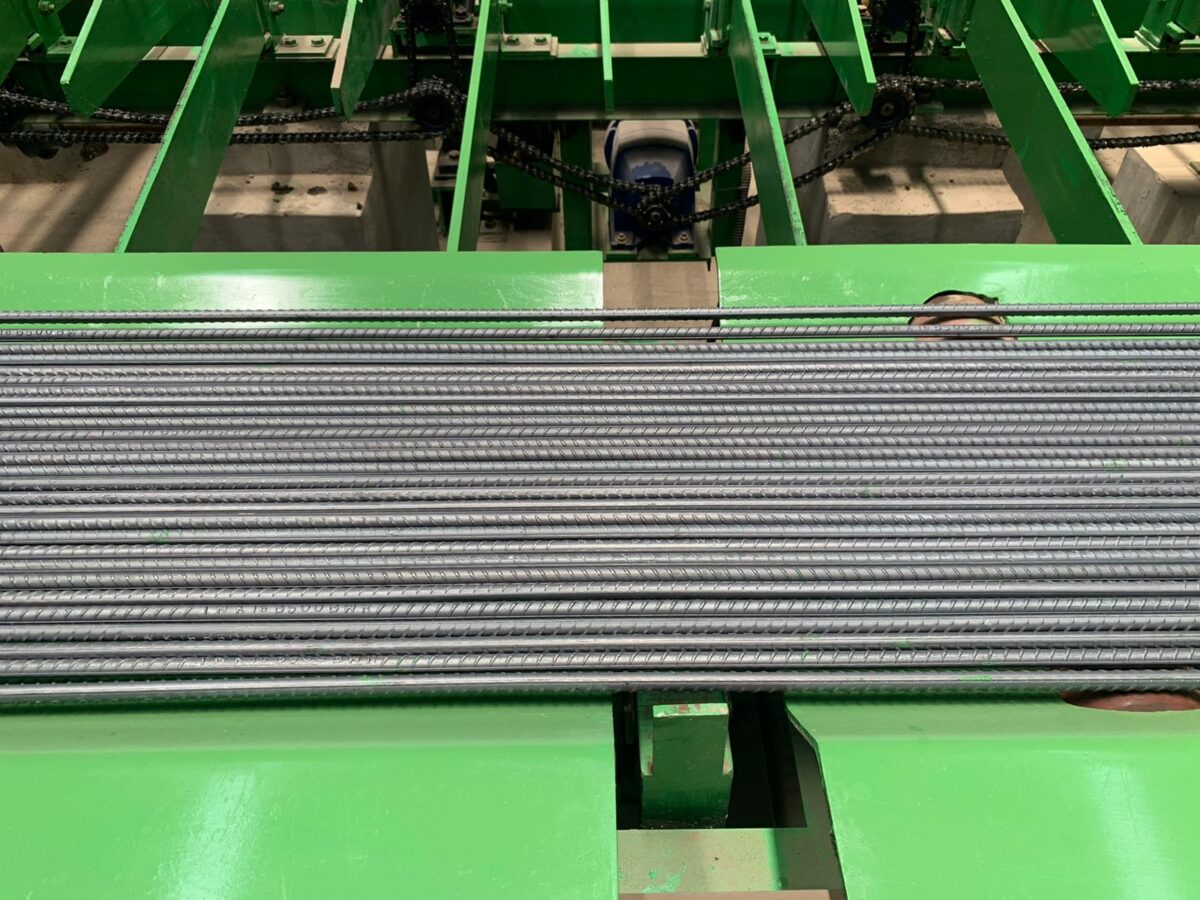
Loopers have a simple purpose in the manufacturing process. This equipment manages the material in steel rolling mills by regulating the movement and processing of hot steel bars. These loopers comprise a set sequence of rollers that assist in moving hot steel bars across the steel rolling mill. The purpose of these loopers is to provide a steady and stable condition for the processing of steel bars. This decreases the risk of product defects and improves the quality of the final steel product.

What is the Role of  Loopers in Steel Rolling Mills?

Loopers are vital in the steel rolling process as they temporarily provide efficient and suitable housing for hot steel bars. During this period, the hot steel bars cool and straighten before starting the rolling process to receive their ultimate shape. Loopers are also responsible for controlling and regulating the tension variation in the steel bars. Doing so reduces the risk of defects and imperfections and enhances the overall quality of the steel bars. 

The looper also enhances the general efficiency and security of the steel rolling mill. Due to the looper, the chances of injury are reduced as it decreases the requirement for manual intervention or handling.

They are also responsible for enhancing the efficiency of the steel rolling mills. It is because hot steel bars travel swiftly during the process, decreasing the time consumed during processing and improving quality. 

What Are the Different Types of Loopers?

When it comes to loopers, there are two primary types that are operated in steel rolling mills:

  • Vertical loopers
  • Horizontal loopers

Vertical Loopers 

As the name suggests, vertical loopers move hot steel bars around the steel rolling mill vertically, generally in an upwards position. The vertical looper is employed to raise the hot steel bars to an elevated position from a lower one. These bars can then cool and straighten to receive their final shaping. 

These types of loopers are perfect for steel mills where hot steel bars need vertical motion, like mills with rolling stands in operation. 

Horizontal Loopers

For horizontal loopers, they transport the hot steel bar from one side to the other of the steel mill horizontally. The horizontal looper is employed, especially when hot steel bars must move through numerous processing stations to get to their temporary storage location.

This kind of looper and its horizontal movement is beneficial when steel bars need to go through continuous rolling mills. 

How to Choose the Right Looper?

The looper type relies on the specific needs of the steel rolling process and the mill’s overall layout. Both vertical and horizontal loopers play an essential role in managing the movement and processing of hot steel bars in a steel rolling mill, and both have their unique advantages.

Why Trust The Steefo Group for the Best Loopers?

If you are searching for the best loopers for your steel rolling mill, look no further than The Steefo Group. We can supply you with everything your rolling mill will require, including loopers.  We have been the most favoured integrated rolling mill manufacturer for nearly four decades.  The Government of India also acknowledges us as the Star Export House, and we adhere to our reputation. With over 100+ establishments, we are a notable name worldwide and in the country. 

Understanding The Steefo Group’s Loopers

When you select loopers from The Steefo group, you are ensured quality. You also get your hands on the most innovative and futuristic products that will allow you to enhance the face of your business.  The Steefo Group specialises in everything,  from turnkey projects to single modular projects, depending on the needs of your business. From TMT bar rolling and wire rod mills to products such as loopers, rolling mill gearboxes and more. 

Our loopers follow rigorous testing procedures and quality checks to supply the best-in-class products. Our focus on technology and innovation also provides you with the most up-to-date loopers for your rolling mill. 

To learn more about the Steefo Group and their products and how they can improve your productivity and profits, contact +91 98240 76873 or drop a mail at marketing@thesteefogroup.com.  

Categories
Blogs Rolling Mill


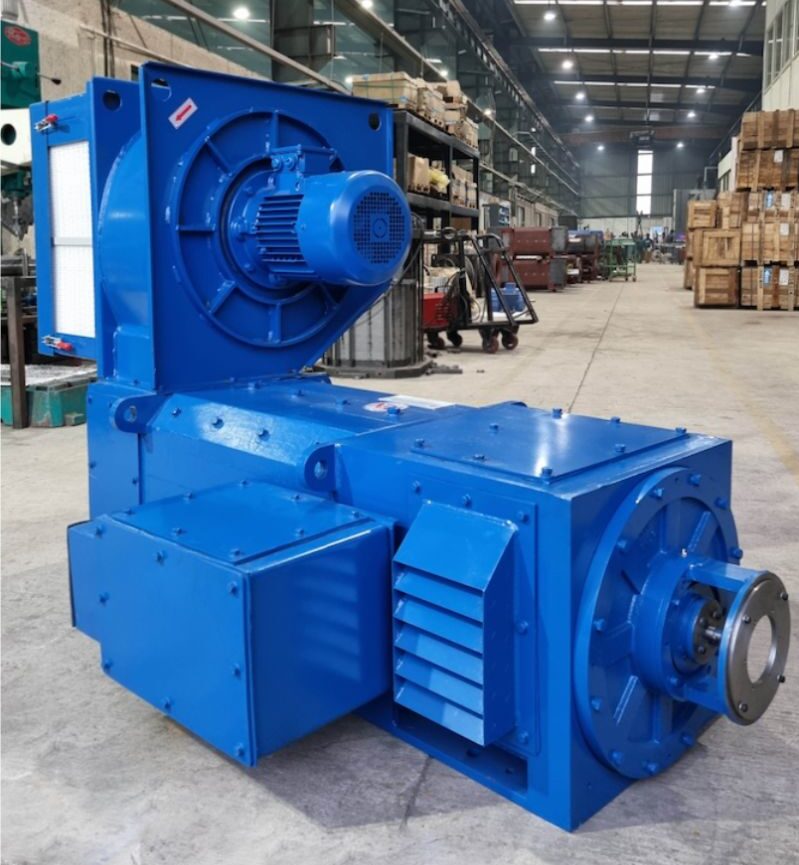
We have heard the term “DC  motors” pop up across several industries but have you ever wondered what it means? DC motors are an important component utilized across numerous industries, from rolling mills to elevators. Today let us take a look at DC motors, what it is, their applications, their overall importance and more.

What is a DC Motor?

DC motors or Direct Current Motors are machines that specialize in transforming electrical energy from a battery into mechanical energy. When the electrical energy or current passes through the power source and directly into the motor, the energy is transformed and recast into mechanical rotation. Mechanical rotation happens because this process allows wheels, blades and propellers to spin along with other elements.

How Does a  DC Motor Operate?

DC motors operate by employing their power source to create electrical energy or current inside the motor’s brush. This process, along with stator magnets, produces magnetic fields. The magnetic field created by the electrically charged brushes is used to generate movement in the rotor. The electrical input and the type of motor also determine the speed of the motor and the amount of torque.

What Are the Parts of a DC Motor?

DC motors or Direct Current Motors have numerous parts, although they might vary based on the type of DC motor. However, the parts mentioned are found in your average DC motor.

  • Axel: Responsible for holding the commutator and the armature.
  • Armature: A collection of electromagnets responsible for electrical current and its movement.
  • Commutator: Permits the discharge of electricity to the armature
  • Stator Magnets: Responsible for creating a rotating magnetic field for the armature.
  • Brushes: Operates along with the commutator to provide proper rotation.

What Are the Different Types of DC Motors?

Direct Current motors, or DC motors, can be classified into four different categories. These categorizations allow you to comprehend how these DC motors operate and their various uses. 

1. Permanent Magnet DC Motor

In Permanent Magnet DC Motors, permanent magnets are employed to create the field flux. Field winding on the stator frame is not present in this type of DC motor. It instead operates on permanent magnets to create a magnetic field allowing the rotor field to interact and generates torque. These DC motors are known for their high initial starting torque and can regulate speed thoroughly.  

2. Series DC Motors

In Series DC motors, the full armature current courses via the field winding. Series DC motors also comprise significantly larger conductors in their windings. This allows the motor to have a minimal resistance, which permits them to obtain and accept a larger amount of power supply. The primary drawback of these DC motors is that heavy loads can majorly impact speed.

3. Shunt DC Motors 

Shunt DC motors are where armature and shunt field windings are parallel to each other but not to the series field winding. Since the shunt field can be operated without the armature windings, it allows for easier control on reversing. Shunt DC motors have incredible speed control and regulation despite the load on the motor. This ability makes shunt DC motors ideal for operations that require accurate speed control. 

4. Compound DC Motors

Compound DC motors contain both series winding and shunt field winding. These DC motors usually provide great starting torque but may have control issues during variable-speed drive usage. The motors in the compound DC motors have the ability to be connected in two methods: differentially and cumulatively.

The cumulative connection type joins the series field to assist the shunt field, equipping it with a higher starting torque but lower speed control. On the other hand, the differential connection type has great speed control and usually functions at a steady speed. 

What Are the Applications of Different DC Motors?

Permanent Magnet DC Motor is employed in several household appliances and day-to-day appliances such as blowers, air conditioners, toys, electric toothbrushes, power tools, heaters, food mixers, and ever objects like windshield wipers and more.

Series DC motors are typically used where high starting torque and speed variations are necessary. This type of DC motor is used in sewing machines, portable electrical appliances, vacuum cleaners, winches, air compressors and more. They can also be seen in traction systems, engine starters, and cranes and are utilized to cowl and control airplane wings.

Shunt DC motors are utilized for items requiring constant speed. The shunt dc motors applications are in centrifugal pumps, weaving machines fans, blowers, conveyor belts, lifts, mixers, spinning machines, etc.

Compound wound motors are operated where you require higher starting torque and constant speed. These DC motors applications include printing presses, shears, cutting machines, conveyors, elevators, steel rolling mills, heavy planners, industrial mixers, etc.

Where to Find the Highest-Quality DC Motors?

Are you looking for best-in-class DC motors? Look no further than The Steefo Group. You get assurance on quality when you select DC motors from The Steefo group. You also get your hands on the most ingenious and futuristic products that will help you convert the face of your business.

Our projects and products, such as DC motors, also undergo strict testing and quality inspections to deliver the best-in-class products. Our focus on technology and innovation also provides you with the most up-to-date products for your rolling mill.

To learn more about the Steefo Group and their products and how they can boost your productivity and profits, contact +91 98240 76873 or drop a mail at marketing@thesteefogroup.com.

Categories
Blogs Rolling Mill

Steel doesn’t leave a rolling mill in the same size or shape it enters as. Somewhere between a red-hot billet coming out of the furnace and a finished bar, beam, or coil ready for dispatch, a hot rolling mill does the actual work of turning raw steel into a usable product. Understanding the hot rolling process – what actually happens at each stage, which equipment does what, and why hot rolling gets chosen over cold rolling for so many products – matters whether you’re specifying a new plant, evaluating a supplier, or simply trying to understand what your own mill is doing. This guide walks through the process end to end, the equipment involved, and where hot rolling fits among the different types of hot rolling mills in use today.

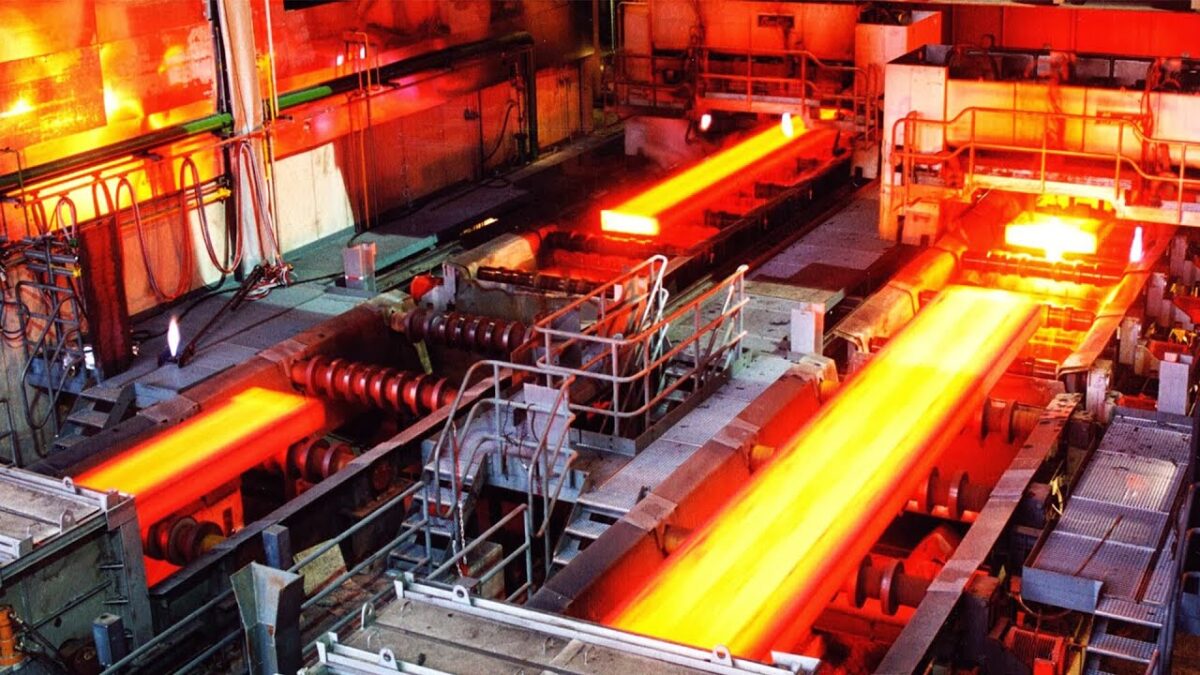
The hot rolling process heats steel billets or blooms above their recrystallization temperature – typically above 1,100°C – then passes the metal through a series of rollers that reduce its cross-section and reshape it into bars, rods, beams, or coils. Because the steel stays soft and workable throughout, hot rolling can reshape large sections without the high forces cold rolling would require.

How Does the Hot Rolling Process Work? (Step-by-Step)

A hot rolling mill doesn’t perform one action on the steel – it moves the material through a sequence of distinct stages, each doing a specific job before the next one starts:

  1. Reheating – billets or blooms are heated in a reheating furnace to above 1,100°C, the point at which steel becomes soft enough to deform without cracking or losing its underlying grain structure.
  2. Descaling – high-pressure water jets strip the oxide scale that forms on the steel’s surface during reheating. Skipping this step embeds scale into the surface during rolling, which shows up as visible defects on the finished product.
  3. Roughing (primary rolling) – the heated billet passes through the first set of mill stands, where the bulk of the cross-section reduction happens. This is where a billet starts looking like a rough version of its final shape.
  4. Intermediate rolling – additional stands continue reducing the cross-section and refining the shape, preparing the material for the tighter tolerances of the finishing stage.
  5. Finishing rolling – the final stands bring the product to its exact target dimensions and profile, whether that’s a TMT bar, structural section, or wire rod.
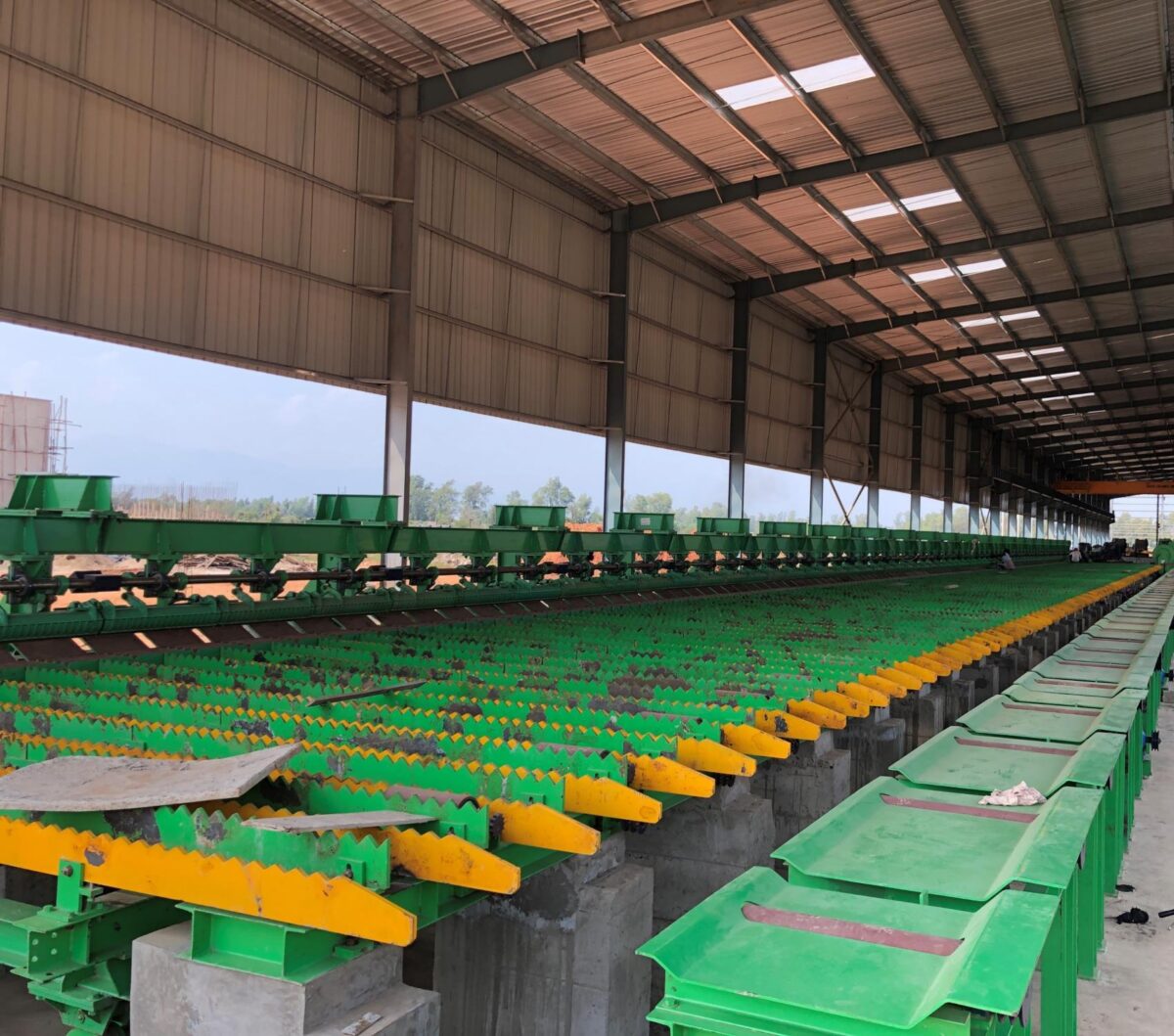
  6. Cooling – the rolled product passes across a cooling bed, where the cooling rate gets controlled deliberately, since cooling too fast or too slow changes the steel’s final grain structure and mechanical properties.

Each of these stages depends on the one before it running correctly. A furnace that doesn’t reach uniform temperature creates rolling problems two or three stages later that have nothing to do with the mill stands themselves – which is exactly why hot rolling mill design treats these stages as one connected system rather than six separate machines.

What Equipment Is Used in a Hot Rolling Mill?

Each stage above runs on specific, purpose-built equipment – understanding what each piece does makes it much easier to evaluate a mill design or diagnose where a bottleneck is actually coming from.

The reheating furnace brings billets up to rolling temperature before anything else can happen; furnace design and fuel efficiency directly affect both product quality and operating cost, since every degree of uneven heating shows up later as inconsistent rolling behavior.

Mill stands – arranged as roughing, intermediate, and finishing stands – house the rolls that actually reduce the steel’s cross-section at each stage. Modern mills increasingly use housingless mill stands for faster roll changes and easier maintenance access compared to older conventional housed designs.

Shears cut the material to length at various points in the process – some cut the leading and trailing ends during rolling (crop and cobble shears), while others divide the finished product to commercial length once rolling is complete.

Pinch rollers and loopers manage tension and material flow between stands, preventing the steel from either dragging back on itself or running ahead faster than the next stand can handle it.

Once rolling and cutting are done, the product moves across automatic cooling beds, where controlled cooling sets the final mechanical properties before the material is tied, bundled, and prepared for dispatch.

None of this equipment works in isolation. A furnace sized correctly for a plant’s target throughput, mill stands matched to the product mix, and shears rated for the line’s finishing speed all have to work as one coordinated system – which is why equipment selection for a new hot rolling mill typically starts with the target product and capacity, then works backward to the specific machinery each stage needs.

Hot Strip Mill vs Other Hot Rolling Mill Types

Not every hot rolling mill produces the same kind of product, and the term “hot rolling mill” covers several genuinely different mill configurations.

A hot strip mill is built specifically to roll flat products – steel slabs get reduced into thin, wide strips or coils, typically for sheet steel used in automotive, appliance, and general fabrication applications. The rolling sequence and stand configuration in a hot strip mill differ meaningfully from a bar or section mill, since the goal is width and thickness control across a flat, wide product rather than a round or profiled cross-section.

TMT bar mills, by contrast, are configured to produce reinforcement bars for construction, with quenching and self-tempering systems added after the finishing stands to achieve the strength and ductility combination TMT bars are known for.

Structural mills roll beams, channels, and angles – shapes that need precisely controlled flange and web dimensions rather than a simple round or flat cross-section.

Wire rod mills run at much higher finishing speeds than bar or structural mills, since wire rod is coiled continuously rather than cut to fixed lengths, which changes the pinch roller, looper, and coiling equipment needed downstream.

The core hot rolling principle – heat, then reduce cross-section through a sequence of stands – stays the same across all of these. What changes is the stand configuration, auxiliary equipment, and finishing process built around that principle for the specific product each mill type is designed to produce.

Why Is Hot Rolling Preferred?

Steel producers default to hot rolling for most primary steel production, and the reason comes down to what happens to steel above its recrystallization temperature. At that temperature, steel deforms plastically without work-hardening, meaning the mill can achieve large shape and size changes in a single pass that would require far more force – and far more expensive equipment – if attempted cold.

The steel that comes out of a hot rolling mill also carries a specific set of properties: it tends to be tougher, more ductile, and better able to absorb shock and vibration without cracking, compared to steel that’s never been through a hot deformation process. Those properties matter directly for structural steel, reinforcement bars, and other products that need to handle real mechanical stress in service, not just meet a dimensional spec on paper.

What Are the Advantages of Hot Rolling?

Beyond the core reason producers choose hot rolling, several specific advantages compound across a full production run:

Mechanical properties improve measurably. Elasticity, elongation percentage, shock resistance, and overall toughness all increase as the steel passes through the hot rolling process, since the heat and pressure actively refine the metal rather than just reshaping it.

The grain structure refines noticeably. Hot rolling breaks down the coarse grain typical of as-cast steel into finer, more uniform grains, which directly improves the steel’s strength and consistency.

Porosity drops out of the equation. Hot rolling closes internal voids left over from the casting process, producing a denser, more uniform final structure.

Impurities end up distributed evenly rather than concentrated in isolated pockets, which would otherwise create localized weak points prone to cracking. Slag and similar impurities spread through the material as it passes through the rolls.

Energy requirements stay comparatively lower. Because steel deforms far more easily above its recrystallization temperature, hot rolling needs less mechanical force per unit of shape change than cold rolling would to achieve the same result, which translates directly into lower energy consumption per tonne processed.

Is Hot Rolling Mill Automation Available?

Modern hot rolling mills run on considerably more automation than mills built even a decade ago. PLC-based control systems now manage furnace temperature profiles, roll gap settings between stands, and shear timing, which reduces the amount of manual adjustment needed to hold consistent dimensional tolerances across a full production run.

Automation matters most at the handoff points between stages – the furnace-to-mill transfer, stand-to-stand tension control through pinch rollers and loopers, and the shear timing that determines cut-to-length accuracy. Manual control at these points depends heavily on individual operator skill and reaction time; automated control holds the same tolerance shift after shift, which is a large part of why automation investment tends to pay back through consistency rather than raw speed alone.

Conclusion

Hot rolling remains the starting point for most steel production because it does something cold rolling simply cannot do as efficiently: reshape large, thick sections while the steel is still workable, without requiring the enormous force cold deformation would demand. Understanding the stages – reheating, descaling, roughing, intermediate rolling, finishing, and cooling – along with the equipment behind each one, makes it much easier to evaluate a mill design, specify new equipment, or diagnose where an existing line is underperforming.

The Steefo Group has been engineering hot rolling mill equipment since 1976, and holds ISO 9001:2015 certification alongside recognition as a Star Export House by the Government of India. With installations across more than 100 locations and rolling mill capacities ranging from 8 TPH to 100 TPH, Steefo’s equipment – reheating furnaces, mill stands, shears, and cooling systems – covers every stage of the hot rolling process described above.

Frequently Asked Questions

What is a hot rolling mill?

A hot rolling mill is an industrial facility that processes steel at high temperatures to reduce its thickness and reshape it into forms like bars, rods, beams, or coils. A series of rollers compresses the heated, malleable metal into the required profile.

What is the hot rolling process?

The hot rolling process involves heating steel above its recrystallization temperature – usually above 1,100°C – then passing it through a sequence of rollers to reduce thickness and change shape, producing a uniform, refined grain structure suitable for construction, automotive, and manufacturing applications.

What is a hot strip mill?

A hot strip mill is a hot rolling mill built specifically for flat products, reducing steel slabs into thin, wide strips or coils used for sheet steel in automotive, appliance, and fabrication applications. Its stand configuration differs from bar or structural mills, which are built around round or profiled cross-sections instead.

What equipment is used in a hot rolling mill?

A hot rolling mill relies on a reheating furnace, mill stands (roughing, intermediate, and finishing), shears for cutting to length, pinch rollers and loopers for tension control, and cooling beds to set the final mechanical properties before dispatch.

What is the difference between hot rolling and cold rolling?

Hot rolling is performed above the steel’s recrystallization temperature, making the metal easier to shape and better suited to large cross-section reductions. Cold rolling is done near room temperature, producing a smoother surface finish and tighter tolerances through strain hardening. A full comparison is available in Steefo’s hot rolling vs cold rolling guide.

What are the advantages of hot rolling steel?

Hot rolling improves mechanical properties, refines grain structure, eliminates porosity, distributes impurities evenly, and requires comparatively lower energy input than cold rolling to achieve the same shape change – making it the preferred method for large structural and reinforcement products.

Why is surface descaling important before hot rolling?

Descaling removes the oxide layer that forms on steel during reheating. Left in place, that scale gets pressed into the surface during rolling, causing visible defects and increasing wear on the mill rolls themselves.

Is a hot rolling mill fully automated?

Modern hot rolling mills use PLC-based automation to control furnace temperature, roll gap settings, and shear timing, which holds tighter, more consistent tolerances than manual operation. Automation is now standard at the handoff points between stages, though the degree of automation varies by mill design and budget.

Looking to Set Up or Upgrade a Hot Rolling Mill?

Whether you’re specifying a new hot strip mill, TMT bar line, or upgrading the equipment inside an existing plant, getting the furnace-to-cooling-bed sequence right from the start avoids problems that are expensive to fix later. The Steefo Group has engineered hot rolling mill equipment and turnkey plants since 1976, across capacities from 8 TPH to 100 TPH. Contact Us to talk through your specific requirement.

Categories
Blogs Rolling Mill


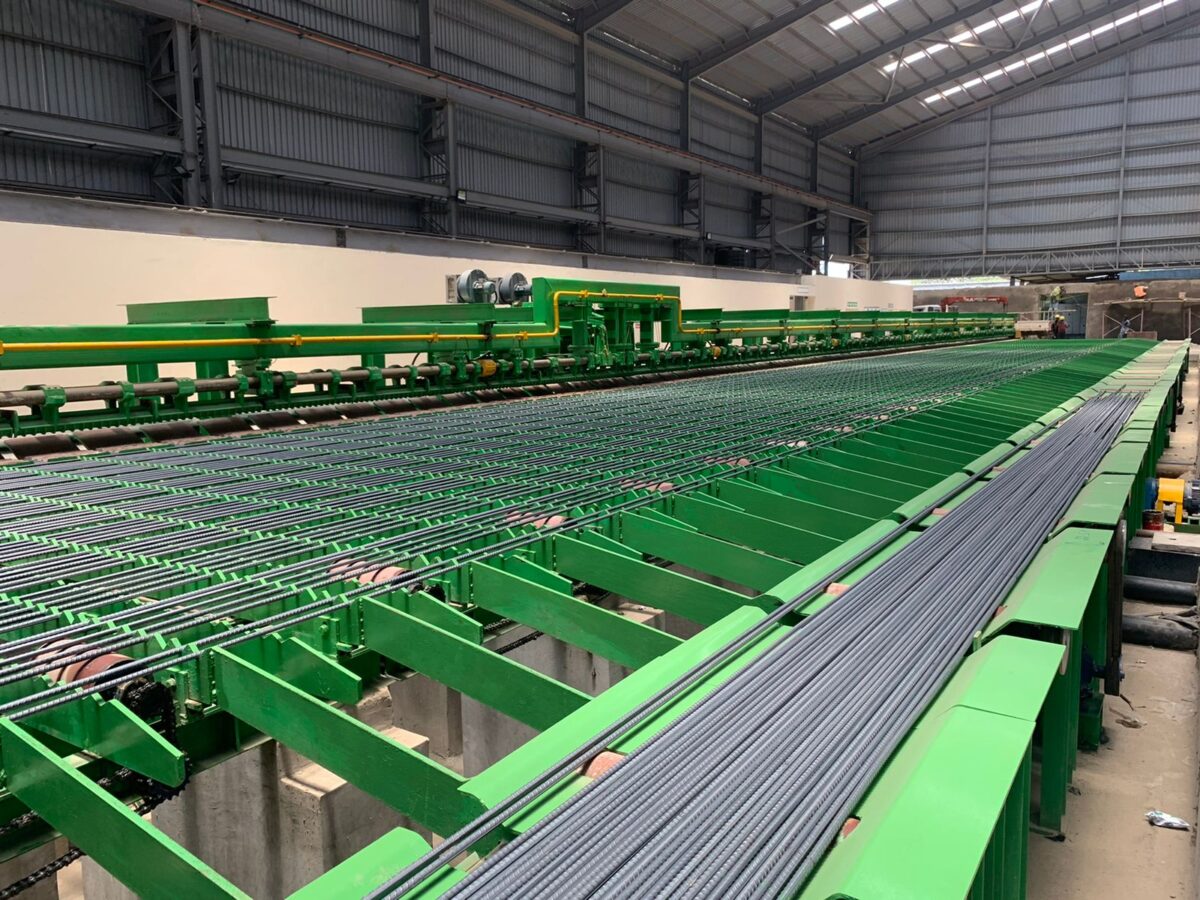
Roller conveyors or roller tables are essential to rolling mill plants and their regular operation. Rolling mills use roller conveyors to carefully move material from point A to point B without human intervention. The entire function of roller tables is to ensure efficient and speedy movements of various materials, which is why they are commonly used in rolling mills.

For a roller conveyor to operate smoothly, there needs to be at least one rigid or almost flat object to touch the rollers and retain steady equilibrium. Some of the most primary materials that roller tables carry are steel billets, slabs, bars, ingots, plates and more.

Several types of roller conveyors and roller tables are available in the market, but all of them fall under either one of these classifications.

  • Unpowered or idle roller conveyor
  • Powered or live roller conveyor

Unpowered Roller Conveyors

Unpowered roller conveyors are rollers that are operated without the assistance of an external power source. The roller table works by rolling over multiple rollers with the help of manual push or a form of push from a chain constantly in motion. These idle or unpowered roller conveyors usually function on a horizontal and flat surface or at a gentle incline to assist the roller tables in functioning correctly. An incline rate of 1.5 to 3 percent allows gravity to do much of the work.

Powered Roller Conveyors

Powered roller conveyors or live roller tables operate when designated, or the entire group of rollers operate with the help of one or more motors depending on the stage of production. The powered rollers are set into motion and move s the load with friction. Powered rollers conveyors also benefit from its inclined installation. The average incline on these roller tables is usually 10 degrees upwards or approximately 17 degrees downwards.

Why Are Roller Conveyor Systems Essential to the Rolling Mill Industry?

Roller conveyors are essential in the rolling mill industry due to their utility in every aspect of production.

1. Decreases Manual Wastage 

Roller conveyor systems are essential to the entire production unit and eradicate a lot of manual labour. Automating these tasks expedites the whole production process and decreases the probability of human error, wastage and potential injury.

2. Enhances Flexibility

Since roller tables and roller conveyors are necessary for every step of production, modular roller tables enhance the rate of flexibility. This ensures that these roller conveyors are used in numerous rolling mill applications.

3. Improved Quality and Standard

Roller Conveyors facilitate automation and speedy production and enhance the product’s quality at every step of the process. Due to the roller table system, it is easier to spot any form of deformity or error in the product, allowing companies to rectify it immediately.

4. Enhanced Efficiency 

Roller tables and conveyors can operate 24 hours a day, and are efficient to run compared to other types of machinery. They also increase efficiency and productivity rates, especially during busier times of the year. The parts of these machines are also easy to find and replace in case of damage, making them reliable during the production process.

Why Rely on The Steefo Group for the Best Roller Conveyor?

Are you searching for proper rolling mill roller tables and conveyors? Look no further, as The Steefo Group can supply you with everything your rolling mill plant will ever need.  We have been the leading and most popular integrated rolling mill manufacturer for almost four decades.  The Government of India also acknowledges us as the Star Export House, and we adhere to our reputation. With over 100+ establishments, we are a prominent name worldwide and in the country.

When you choose a roller table or conveyor from The Steefo group, you are getting assured quality. You also get your hands on the most inventive and futuristic products that will help you change and accelerate the face of your business.  The Steefo Group has expertise in everything,  from turnkey projects to single modular projects, depending on the requirements of your business. From TMT bar rolling mills and wire rod mills to products such as mill stand, rolling mill gearboxes, reheating furnaces and more.

Our projects and products also experience rigorous testing and quality checks to supply the best-in-class products. Our emphasis on technology and innovation also provides you with the most up-to-date products for your rolling mill.

To learn more about the Steefo Group and their products and how they can improve your productivity and profits, contact +91 98240 76873 or drop a mail at marketing@thesteefogroup.com.


Categories
Blogs Rolling Mill


When picking a rolling mill machinery manufacturer, you want to select the best out of all of them — though it helps to start with what a rolling mill actually is before evaluating vendors. The proper rolling mill machinery manufacturer ensures that your needs are met without errors and still upholds your standard. Here are some factors you need to consider when picking your manufacturer. 

1. Condition of Production Facility 

The condition of the production facility says a lot about the quality of products. You want your rolling mill machinery to be the best in class to create high-quality products. Top-quality rolling mill machinery manufacturers like The Steefo Group pay attention to every detail, from the raw material to the equipment used during the process. When you select good quality manufacturers, you are guaranteed to get premium results up to par with your standards. 

2. Variety of Products Offered

An average steel rolling mill manufacturer offers various products for varied industries. Top rolling mill machinery provider, The Steefo Group, has a huge range of products, including reheating furnaces, mill stands, shears, gearboxes, loppers, quenching systems and more. This gives you a better overview of the technology they employ regarding their products. A suitable steel rolling mill manufacturing plant caters to all these requirements by offering superior quality products for different industries.

3. Attention to Quality Control

When searching for the perfect manufacturer, you must understand their commitment and overall quality control process. Manufacturers like The Steefo Group are consistent in quality and therefore have a 100 percent customer and client satisfaction rate. Your manufacturer should guarantee quality and meet your desired standards through stringent norms. Most high-quality rolling mill machinery manufacturers have a dedicated quality assurance team that examines the products and machines being created. They also should ideally perform quality change throughout all the stages. 

4. Valid Certification

All rolling mill machinery manufacturers must maintain a certain standard of quality. The bar complies commonly with ISO and viz. One of the most premium rolling mill machinery manufacturers, The Steefo Group, complies with ISO 9001:2015 certification. Therefore, ensure that the manufacturer you will select and work with has the proper and valid certificate to guarantee that your standards are not compromised. 

5. Innovation, Research and Development:

Any manufacturer should always focus on moving ahead, investing in research and innovation and focusing on development. Its dedicated research and development team indicates a great manufacturing company. This indicates that the company is constantly working to fix any errors and improve the current process and create a more streamlined version. Manufacturers such as The Steefo Group utilizes software such as CAD and Kisssoft to enhance ongoing development that meets the industry standards to become not the only provider of both rolling machinery and solutions. Before selecting, find out if there is an R&D team and if so, get in contact with them to see if their vision of the future aligns with the vision you have for your company.

6. Distribution and Delivery 

When you work with a manufacturer, timing is crucial to the entire operation. The delivery of the products and machinery will determine the time required to finish the task efficiently while maintaining customer satisfaction. Distribution and delivery are also important to get ahead of the competition. Check if the rolling mill machinery manufacturer has a well-connected and reliable distribution and delivery model, as it will ensure a seamless and stress-free delivery process. 

Why Should You Pick The Steefo Group To Be Your Rolling Mill Machinery Manufacturer?

When you select The Steefo group, you are getting guaranteed quality. You get access to the most innovative and futuristic products that will allow you to transform your business. The Steefo Group specializes in everything,  from turnkey projects to products, depending on the demands of your business. From TMT bar rolling mills and wire rod mills to products such as mill stand, rolling mill gearboxes, reheating furnaces and more. 

Our projects and products also undergo thorough testing and strict quality checks to supply you with the best machinery and products. Our focus on technology and innovation also provides you with the most up-to-date products for your rolling mill. 

To learn more about the Steefo Group and their products and how they can improve your productivity and profits, contact +91 98240 76873 or drop a mail at marketing@thesteefogroup.com

Categories
Blogs Rolling Mill


What is a Rolling Mill Gearbox?

Gearboxes are an essential part of the entire rolling mill system. They are multiple open gear sets retained in a housing. The gearbox housing contains numerous bearings, shafts, and lubricants that safeguard all the other elements from its conditions. When it comes to industrial-grade rolling mill gearbox, they are operated with the help of a drive unit. The gearboxes increase and decrease the drive unit’s speed or torque depending on your requirement.  A rolling mill gearbox is created keeping in mind several load capacities and speed ratios, as its primary purpose is the control speed.

1. Maintenance Tips for Your Rolling Mill Gearbox

Rolling mill gearboxes are a crucial part of your entire rolling mill operation, which is why it is essential that you keep up to date on its maintenance. Rolling mill gearboxes have maintenance requirements to guarantee the machine’s longevity. Here are some maintenance tips from the top manufacturers of rolling mill gearboxes and similar machines.

2. Inspect Your Rolling Mill Gearbox on a Regular Basis

A routine inspection of your rolling mill is essential as it helps to figure out and pinpoint even the most minor issues before it becomes a significant problem. The assessment allows you to fix the problem on time, in turn saving valuable time and enhancing efficiency. Here are some of the issues you should keep an eye out on:

  • Oil Leaks, especially on the input and output shafts
  • Check for discolouration of the paint (could be a sign of overheating)
  • Listen to the sound and vibration noises of the gearbox, as they can be a great indicator

3. Check the Temperature Rolling Mill Gearbox

Another place where you need to keep your rolling mill gearboxes in check is its temperature. If gearboxes are not cared for they can often face overheation or in general change in temperature. The temperature has a huge impact on the performance of the rolling mill gearbox, which is why you need to be consistent and maintain the ideal temperature level. To understand if the temperature of your rolling mill gearbox is rising more that ot should you can monitor it easily with the assistance of an infrared gun. Any random changes in temperature will be a cause for concern.

4. Regular Lubrication of Your Rolling Mill Gearbox

Any machine works smoother when it is lubricated on a regular basis, the same is the case with rolling mill gearboxes. A basic part of the entire maintenance procedure is the lubrication of the rolling mill gearbox. Ask your rolling mill gearbox providers regarding which lubricants and additive to use on the gearbox. It is essential that you hydrate your rolling mill gearbox with proper lubrication to ensure consistent and efficient operations.

5. Check for Any Alignment issues in the Rolling Mill Gearbox

If your rolling mill gearbox is not properly aligned it can cause loud sounds and increased vibrations. You should check if your rolling mill gearbox is aligned correctly, as it not only decreased sounds but also improves performance. Ensure that the correct coupling is utilised during the process to ensure that there is interference created amongst the mating and fit parts.

6. Rid Your Rolling Gearbox From Dirt and Dust

Gearboxes are used in several different industries and can often be in the midst of immense dirt and dust when operating. One of the basic tenants of maintenance is to keep the machine clean; therefore, you must ensure that dust and dirt do not accumulate in the machine by cleaning it on a regular basis. It is best if you create a proper schedule to guarantee that your rolling mill gearbox is getting cleaned.

7. Keep an Eye on Rolling Mill Gearbox’s Vibrations

Changes in vibration noises can be an indicator of an internal problem in the rolling mill gearbox. When the gearbox is in operation, do a vibration check and analyse the differences. If the vibration remains consistent, you do not need to worry, but a sudden increase or decrea in the vibrationis cause for concern. Contact the maintenance team of your rolling mill gearbox provider to check the interiors for any damage.

Why Choose Rolling Mill Gearboxes From the Best Rolling Mill Manufacturers

When you choose rolling mill gearboxes from The Steefo group, you are obtaining assured quality products. You also get your hands on the most innovative and advanced rolling mill gearbox that will help you improve your business.

Our rolling mill gearboxes experience strict testing and rigorous quality checks to provide the best-in-class products. Our focus on technology and innovation also provides you with the most up-to-date rolling mill gearboxes for your rolling mill.

To learn more about the Steefo Group and their products and how they can improve your productivity and profits, contact +91 98240 76873 or drop a mail at marketing@thesteefogroup.com.

Categories
Blogs Rolling Mill

What Are Shears? 

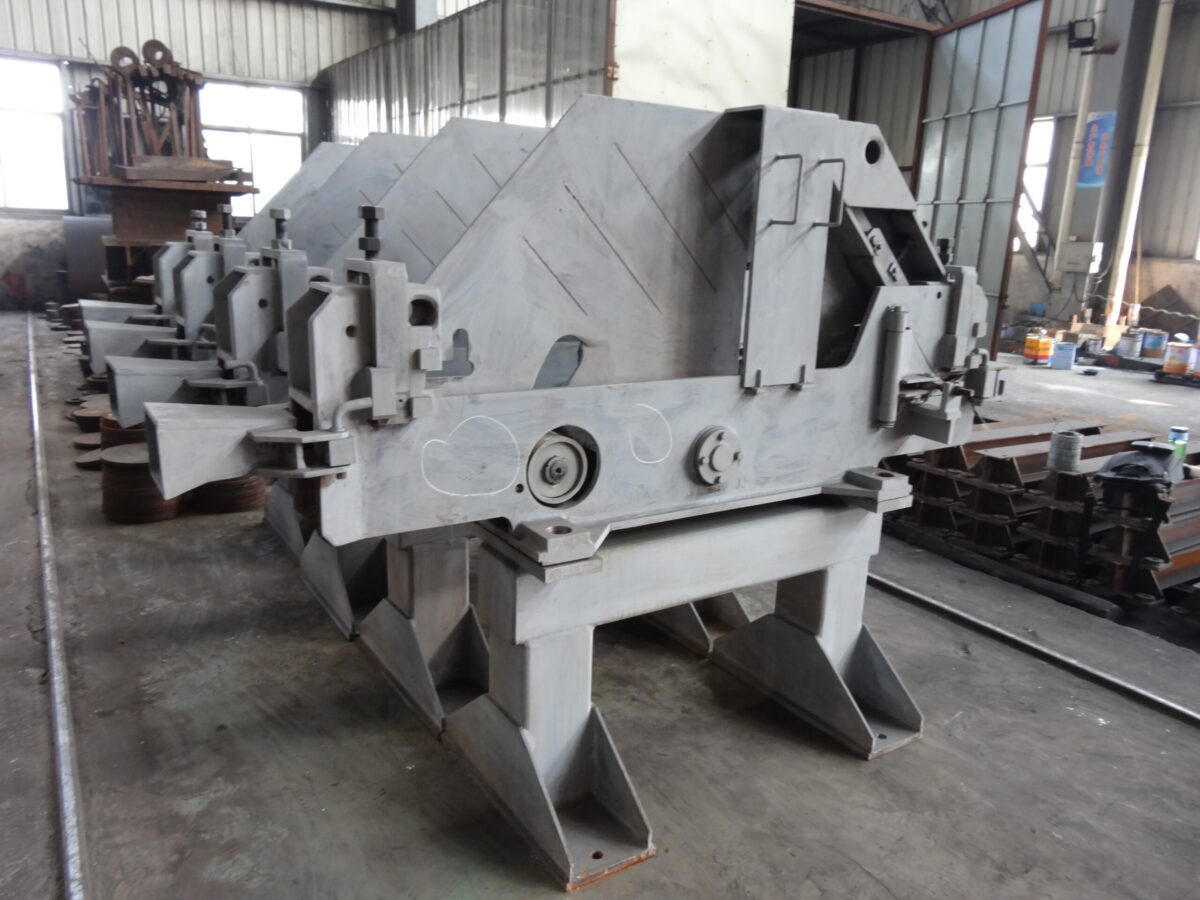
Shears are a crucial part of every steel rolling mill. A shearing machine is used to slice plates, bars, thin metal sheets and beams. These machines cut steel and several other mayoral of various dimensions. We at The Steefo Group are one of India’s biggest manufacturers of industrial-grade shears. Our design focuses on precision and superior quality, which is operated with the assistance of the most advanced technology in the market. With our wide range of shears as well as customisation options, you will be able to see a major improvement in your business. 

Type of Shears 

Flying Shears 

A Flying Shear is a standard industrial instrument known for cutting a constant product at a determined length at line speed. Flying shears do not interrupt the primary production, ensuring maximized productivity. The flying dividing shear created is intended to cut the TMT bar according to the length of the cooling bed. These flying dividing shears have a finishing speed of 20mps.

End Cutting Crop and Cobble Shear

End Cutting Crop and Cobble Shear are utilized to trim the front and tail end. They also come into action for segment-cutting hot rolling eventualities. These shears are managed by a PLC system and provide tight tolerance for cropped or shortened length. End cutting crop and cobble shears are also started/stop type shears operated with the help of a direct dc motor or a mounted Flywheel Pneumatic Clutch/Brake.

Cold Shears

Cold shears are crucial to the rolling mill process due to their placement. These shears are placed right at the end of the cooling bed of the rolling mill. Their incredible high strength capacity performs well when it comes to cutting metal in a wide variety of shapes and sizes. They are also highly customisable and can be designed for your specific requirement. The three most common type of cold shear that are produced are:

  • Pneumatic Clutch Brake Type Cold Shear
  • Hydraulic Cold Shear
  • Electro-Mechanical Cold Shear

Rotary Shear

Rotary shears are a preferred choice by numerous rolling mill manufacturers due to their cost effectiveness and performance. These shears are employed to cut the front and end portions, and discard pre-quenched bars during any contingency. These shears rotate continuously and are usually placed on shortening hot-rolled bars at a low speed.

Hot Saw and Cold Saw

Cropping structural sections are a necessary part of the rolling mill procedure—hot saws cut front and end sections in the required length. 

There are two types of hot saws available – 

  • Horizontal shift type
  • Static type

Cold saw, also provides precise and accurate cutting, where both open and closed types are available. They are utilised with a start and stop the drive, managing structural units and high alloy steels.

Hydraulic Shear 

A hydraulic shear  machine is a type of machine that operates with the assistance of a suitable and reasonable blade gap to utilse cutting force to rolling mill metal plates of various dimensions and thicknesses, employing an upper blade that is in motion and a lower blade fixed onto the surface so that the plates can be split, trimmed and separated according to the necessary size

Why Choose Shears From the Best Rolling Mill Manufacturers

When you pick products such as shears from The Steefo group, you obtain a guaranteed quality product. You also get your hands on the most innovative and futuristic products that will enable you to convert your business’s face.  

Our projects and products also undergo relentless and stringent testing and numerous quality checks to deliver the best-in-class products. Our emphasis on technology and innovation also provides you with the most up-to-date products for your rolling mill. 

To learn more about the Steefo Group and their products and how they can improve your productivity and profits, contact +91 98240 76873 or drop a mail at marketing@thesteefogroup.com.  


Categories
Blogs Rolling Mill


Reheating Furnaces serve the purpose of heating steel blooms, billets or slabs in steel rolling mills. Reheating furnaces takes this steel stock up to approximately 1200 degree Celsius. The steel begins to deform at this temperature, and the steel rolling process can begin. In a reheating furnace, the heat provided to the steel stock is constant. The stock is charged at the entrance, heated up to the assigned temperature in the furnace and discharged at the reheating furnace exit. During the process, the heat gets transferred to the stock in the furnace with the help of radiation and convection. This takes place due to the placement of the burner gasses and furnace walls. 

How Does the Heat Transfer Mechanism Operate in a Reheat Furnace?

A steel stock charging temperature can vary drastically, ranging from ambient to the high temperature of 1200-degree celsius. Depending on the dimensions of the steel stock, speed of rolling, and overall steel composition, the exit temperature of a steel stock might differ. The factor of steel quality also plays a huge role when it comes to temperature as it puts limitations on the surface and gradient temperature. It is to be noted that both gaseous and liquid fuels are used in these reheating furnaces.

What Are the Main Characteristics of a Reheating Furnace?

A Reheating furnace’ size depends on its ability to produce hot steel from the cold steel stock and is calculated in tons per hour. The increased heat content determines a reheating furnace and its energy efficiency. When the steel stock is heated from 10 degrees celsius to approximately 1200-degree celsius and is then divided by fuel energy used, efficiency can then be calculated accurately. The energy efficiency of a furnace also relies upon the design aspects of various reheating furnaces. 

Design Features That Play a Role in the Energy Efficiency of a Reheating Furnace

  • Different styles of burners
  • Dimensions of a Reheating Furnace. 
  • The total number of furnace zones 
  • Different kinds of roof and wall insulation
  • Design of skid 
  • Combustion air and preheating fuel in recuperators

An energy-efficient reheating furnace is developed in a particular method to allow the steel stock to heat up at a uniform temperature without consuming too much labour and fuel. 

Here are some of the important parameters that a reheating furnace must include:

  • The amount of heat that must be imparted to the charge
  • Creation of necessary heat inside the reheating furnace required to heat the stock and curb steel losses
  • The transfer of heat created onto the surface of the stock that needs to be heated
  • Temperature equalisation within the stock 
  • A decrease in heat losses from the reheating furnace to a minimum 

Several operational approaches also play a crucial role in the energy efficiency of a reheating furnace. The ideal case of a reheating furnace is when the furnace is operated at the rated capacity with one kind of steel stock, which has the same dimension and composition. But often, this practice is not followed, which hampers the efficiency of the reheating furnace. 

Factors That Affect Efficiency of a Reheating Furnace

  • Differences in the dimension and composition of steel stock 
  • Delays in rolling can delay or halt the movement of steel stock in the furnace 
  • The composition of the fuel and its availability may differ
  • The conditions of the burners and the internal  state of the reheating furnace might deteriorate 

How Are Reheating Furnaces Classified?

Several types of reheating furnaces are available in an average steel rolling mill, but how are they classified into different categories? Reheating furnaces are usually placed in four categories based on:

  • Heating Method 
  • Charging the reheating furnace method 
  • Steel stock movement inside the reheating furnace
  • Recovery of the heat method

If the reheating furnace is classified based on the heating method, there will be two types of heating.

  • Electrical Heating 
  • Combustion Heating 

Combustion heating reheating furnaces are able to use solid, gaseous and liquid fuels.

When the classification is based upon the steel stock’s movement in the furnace, a continuous furnace can be categorized further.

  • Pusher Furnace 
  • Walking Beam Furnace 
  • Roller Hearth Furnace 
  • Walking Hearth Furnace 
  • Rotary Hearth Furnace 

When the classification depends on heat recovery, there are only two types of reheating furnaces.

  • Regenerative Type 
  • Recuperative Type

The regenerative type of reheating furnace operates on regenerative burners. On the other hand, the recuperative variety of reheating furnaces functions with recuperators. 

FAQs

What is a reheating furnace?

A reheating furnace is an industrial furnace used to raise the temperature of semi-finished steel products like billets, blooms, and slabs before further hot working in processes such as rolling, forging, or extrusion. It ensures that the material reaches a uniform and optimal temperature, typically above 1,100°C, so it can be shaped without cracking or losing strength.

What is the purpose of a reheating furnace in a rolling mill?

In a rolling mill, the reheating furnace plays a critical role by preparing metal for deformation. It heats steel billets or ingots to the appropriate temperature to make them malleable before passing them through rollers. This ensures efficient material flow, better mechanical properties, and improved surface finish in the final rolled product.

What are the main types of reheating furnaces used in steel plants?

The most common types of reheating furnaces include pusher type furnaces, walking beam furnaces, rotary hearth furnaces, and shaft furnaces. Each type is selected based on production volume, fuel efficiency, heating uniformity, and the type of material being processed. Walking beam furnaces are popular in modern rolling mills due to their ability to prevent billet skid marks and ensure uniform heating.

How does the reheating furnace process work?

The reheating furnace process involves feeding metal billets into a furnace chamber, gradually increasing their temperature through zones (preheating, heating, and soaking), and maintaining this temperature for uniformity. Once the billets reach the desired temperature, they are discharged to the rolling mill for further processing. Proper combustion control and temperature monitoring are essential for energy efficiency and metallurgical quality.

What fuels are commonly used in reheating furnaces?

Reheating furnaces can be powered by various fuels including natural gas, furnace oil, diesel, LPG, and even electricity in some advanced setups. Natural gas is considered the most efficient and environmentally friendly option, offering clean combustion and easy temperature regulation. The choice of fuel significantly affects operating costs and emissions.

Why is uniform heating important in reheating furnaces?

Uniform heating in a reheating furnace is crucial to prevent thermal stresses and material defects. If parts of the billet are heated unevenly, it can lead to cracking, poor surface finish, or dimensional inaccuracies during rolling. Consistent temperature distribution also improves metallurgical properties and helps maintain the structural integrity of the final product.

What are the key components of a reheating furnace?

Key components of a reheating furnace include the combustion system (burners, fuel lines), the furnace chamber (lining, insulation), charging and discharging systems, temperature sensors, control panels, and flue gas exhaust systems. In walking beam or pusher type furnaces, billet movement mechanisms are also integral parts of the operation.

What are the advantages of modern reheating furnaces?

Modern reheating furnaces offer several advantages such as improved fuel efficiency, lower emissions, precise temperature control, and higher productivity. Advanced automation systems help optimize combustion and billet movement, reducing energy consumption and minimizing human error. This leads to better process consistency and overall cost savings.

How can reheating furnaces be made more energy efficient?

To increase energy efficiency in reheating furnaces, manufacturers often use regenerative burners, waste heat recovery systems, and advanced insulation materials. Automating the process with temperature control and fuel monitoring systems also helps minimize losses. Regular maintenance and calibration of equipment play a key role in ensuring optimal performance.

What safety measures should be taken during the reheating furnace operation?

Operating a reheating furnace requires strict safety measures including temperature and pressure monitoring, proper ventilation for flue gases, emergency shutdown systems, and the use of personal protective equipment (PPE) by operators. Preventing over-heating, leak detection, and adhering to fire safety protocols are also critical to safe furnace operation.

Why Choose Reheating Furnaces From the Best Rolling Mill Manufacturers

When you select reheating furnaces from The Steefo group, you are guaranteed superior quality. Get your hands on the most innovative and futuristic products that will help you change the face of your business.  

Our projects and products also experience strict testing and quality checks to deliver best-in-class products. Our emphasis on technology and innovation also delivers up-to-date products for your rolling mill. 

To learn more about the Steefo Group and our reheating furnace and how they can improve your productivity and profits, contact +91 98240 76873 or drop a mail at marketing@thesteefogroup.com


Categories
Blogs Rolling Mill


Purchasing a turnkey rolling mill project is always beneficial and effective.  Are you wondering why turnkey solutions are so important? With turnkey solutions, the client saves substantial time and monetary resources, which would otherwise have been used on erecting rolling mills. If you are considering buying steel rolling mills or related products, it is worth looking for the turnkey solutions that the Steefo Group offers.

The Steefo Group is infamous for establishing its presence in the steel rolling industry as one of the most reliable partners in the world of steel rolling and forming. Our projects are executed in unimaginable time frames, including turnkey solutions. Our quality is undisputed, with cutting-edge technology and machinery, professional engineers, and the best manufacturing facilities in India.

Steefo delivers unparalleled technological responsibility helping clients during the entire project term. We create numerous turnkey solutions, which include providing the steel plant equipment and conducting the project. It also includes the erection and commissioning projects to acquire necessary and optimum production capacity.

Greenfield / Brownfield integrated

The Steefo Group provides completely integrated steel rolling plant machinery and equipment. It contains Turnkey solutions and supplies, auxiliary plants, and procedure control automation. There is also a full-service range involving exceptional methodology and emphasis on optimum responsibility for the advancement of our clients.

TMT Bar Rolling Mill

For The Steefo Group, TMT bar rolling mills have become part of our DNA. We have always been the one-stop shop in the steel melting and rolling industry for all your needs. Our advanced and modern design can handle turnkey solutions right from the inception or concept to the completion or commissioning of the project. These projects can be customised according to the client’s requirements, ranging from a production capacity of 10 TPH TO 100 TPH.

The Steefo Group has always uncovered ingenious, integrated automation solutions devised to increase productivity and reduce the workforce, guaranteeing a quicker return on investment.

Structural Rolling Mill

The rolling and roll formation occurs through a rolling mill to curve or distort the workpiece to the preferred shape while retaining a consistent cross-section.

The Steefo Group is amongst the expert front runners who have completed and supplied end-to-end turnkey solutions and services for structural rolling mills. Our structural rolling mill unfailingly provides improved performance and minimal downtimes.

Wire Rod Mill

The Steefo Group has been a reliable name in innovative design, expert engineering, consultancy, and development of Wire rod mills. We have developed, planned, supplied, and commissioned several wire rod mills varying from medium to large capacities for approximately four decades.

The increasing demands on the production quality of the wire rods and the flexibility and cost-effectiveness of the wire rod mills have facilitated the evolution of contemporary and creative technologies and processes. Our modern wire rod mills are high-speed mills capable of rolling smaller sizes. They also have increased production rates while maintaining investments and operating costs at reasonable levels.

Customised Solutions

The evolution and execution of turnkey plants are conducted precisely in line with your necessities at your desired quality.

Our latest creative processes satisfy the necessities of today’s demanding steel industry in terms of increased product quality and output capability, more profitable material yield, and plant efficiency, resulting in significant savings.

Why Choose The Steefo Group?

You get guaranteed quality when you choose turnkey solutions from The Steefo group. You also get your hands on the most innovative and futuristic products that will help you transform the face of your business. The Steefo Group specializes in everything,  from turnkey projects to single modular projects, depending on the needs of your business. From TMT bar rolling and wire rod mills to products such as mill stands, rolling mill gearboxes, and reheating furnaces.

Our projects and products also undergo rigorous testing and quality checks to supply the best-in-class products. Our focus on technology and innovation also provides you with the most up-to-date products for your rolling mill.

To learn more about the Steefo Group and their products and how they can improve your productivity and profits, contact +91 98240 76873 or drop a mail at marketing@thesteefogroup.com.

Categories
Blogs Rolling Mill

Regarding steel bars, flexibility is one of the most critical components that steel rolling mills focus on. With high levels of flexibility, the steel bars can bend effortlessly without breaking. This allows the construction to withstand extra load impact during events such as natural calamities without compromising the structure.

Amongst all the steel bars that are currently in production, TMT bars are one of the flexible steel bars with the best tensile strength. The added benefit of TMT bars being fire and corrosion-resistant makes these bars a preferred choice over any other steel bar. These types of TMT bars are prevalent in countries that experience frequent calamities such as earthquakes, heavy floods and. Some of these countries include Japan, China, Indonesia and more. 

What is the Significance of TMT Bars

Thermo Mechanically Treated(TMT) Bars are commonly known as Reinforcing bars or Rebar. These high-strength reinforcement bars have a tough exterior and soft interior core. Since the creation of TMT bars, they have become highly favoured in construction projects. It has been proven that they are a highly viable option for strengthening concrete structures. It is primarily because of their ability to withstand compressive forces.

The creation of TMT bars is a process where steel bars go through constant heating and cooling to achieve high yield strength. TMT bars have become a staple in all construction projects. Mostly due to their robust build, appearance and strength with which they provide reinforcements to every concrete structure.

TMT bars also positively impacted the construction industry due to their resistance to seismic forces. During calamities like earthquakes, due to their inherent flexibility, they minimise the damage done by seismic activities and prevent property damage and loss of life. TMT bars have also achieved thermal resistance, making them the safest choice. The other properties of TMT steel bars, such as high yield strength, tensile strength, and ductility, are just some of the reasons why they stand apart from regular steel bars.

When the question arises of why TMT bars are significant, it is simply because they transformed the construction industry with their properties. They also facilitated the creation of much more complex yet safer construction projects.

How Are TMT Bars Flexible?

TMT bars have to go through thermal processing in a steel plant. These steps include rolling through heat treatment and water quenching in the steel rolling mills.

When the quenching takes place, the hot rolled bar is cooled in a quenching box within a controlled environment. The water only cools the bar’s surface to ensure that the hot rolled bars’ core retains heat. Then the process of self-tempering begins by adding heat to the surface. The outer layer then hardens and transforms into martensite, resistant to stress and pressure, while the inner core remains soft and austenitic. This process improves tensile strength and ductility and allows elongation to withstand high stress in structures such as flyovers, dams and more.

When the bar passes the final stage, it goes through cooling beds, where the inner layer of the bar converts into a ferrite-pearlite-crystal structure. This microstructure arrangement in the TMT bar ensures that all the properties are incorporated.

Assessing the Flexibility of TMT Bars

Commonly known as the Bending and re-bending Test, this test determines the flexibility of steel bars. In this test, TMT bars are bent to 135 degrees and immersed in boiling water for approximately 30 minutes. After the time elapsed, the bar re-bent to around 158 degrees. The test ensures that the TMT bars can bend to such degrees without any surface cracks along the bends. 

Find the Best TMT Bar Rolling Mill

We at the Steefo group understand the importance of TMT bars and their role in the steel and construction industry; therefore, we are the number one producer of TMT bar rolling mills. These TMT bar rolling mills are a part of Steefo’s DNA. We are the creators of ultra-modern, integrated automation solutions developed to increase productivity and decrease workforce requirements, guaranteeing a faster return on investment. 

For queries related to TMT bar rolling mills, you can reach out to us by calling us at +919824076873 or drop us a mail at marketing@thesteefogroup.com.

You can also check with our consultants to understand TMT rolling mill project costs! We would be happy to help!