Categories
Blogs Rolling Mill

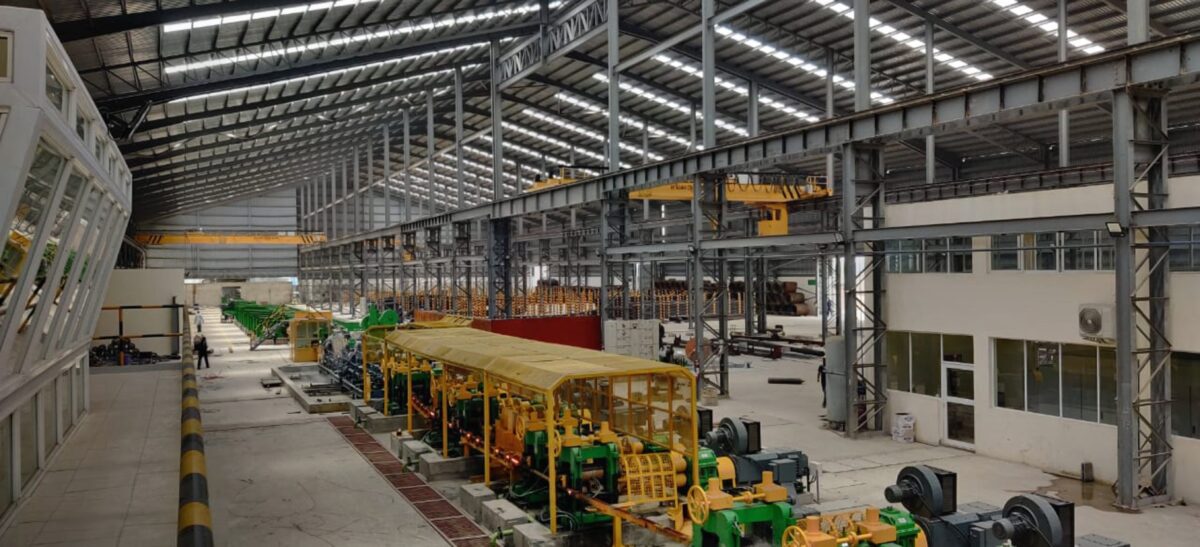
Rolling mills play an indispensable role in industries such as construction, automotive, and infrastructure, producing essential materials like bars, rods, sheets, and coils. Investing in a turnkey rolling mill project is a major decision, and it is crucial to understand the various costs involved to make an informed and strategic choice.

This blog post will explore the cost breakdown of turnkey rolling mill projects, providing in-depth insights into every phase of the project. It will also highlight how turnkey solutions can streamline your project execution, ensuring that you get value for every dollar spent.

What Are Turnkey Solutions for Rolling Mills?

Before diving deep into the cost breakdown, it’s important to understand the concept of a turnkey solution for rolling mills. A turnkey solution refers to a comprehensive service package where the rolling mill manufacturer provides everything from design, procurement, installation, and commissioning to after-sales service. The term “turnkey” signifies that the project is delivered ready for immediate operation without the client needing to manage multiple contractors or suppliers.

For a rolling mill, turnkey solutions offer a hassle-free approach by providing:

  • Design and engineering services to customise the mill to meet specific needs.
  • Procurement of equipment and materials.
  • Installation and commissioning, ensuring everything works as expected.
  • Project management to keep everything on track.
  • After-sales services include maintenance, training, and support.

Now that we understand what turnkey solutions entail, let’s break down the key components of cost in a turnkey rolling mill project.

Design and Engineering Costs

The design and engineering phase is one of the most critical stages of any turnkey rolling mill project. This is where the blueprint of the entire facility is developed. It covers everything from plant layout to equipment specifications, ensuring that the mill will operate efficiently, safely, and within budget.

Factors Affecting Design and Engineering Costs:

  • Complexity and Scale of the Project: The more intricate and large the rolling mill, the higher the design and engineering costs. Projects that require advanced technologies, such as automated control systems or specialised rolling techniques, will require more detailed engineering, thus increasing costs.
  • Customisation Requirements: If the mill needs to be customised to produce specific products, the design phase will take longer and incur higher costs. Custom designs usually require additional engineering hours to ensure the mill meets production targets while maintaining optimal operational efficiency.
  • Environmental and Safety Considerations: Rolling mills must adhere to strict safety and environmental standards. Designing the mill in compliance with these regulations may require more detailed planning and specialised design adjustments, which could further increase costs.

Estimated Cost:

Typically, design and engineering costs account for 5% to 10% of the total project cost. However, if the rolling mill requires significant customisation or additional complexity, these costs may exceed the normal range.

Equipment and Machinery Costs

The equipment and machinery required to operate the rolling mill are the core of the project. This is the most expensive part of the investment, as rolling mills require highly specialised equipment to produce high-quality rolled products.

Key Equipment in a Rolling Mill:

  • Reheating Furnace: Used to heat the raw materials (such as billets) before they are fed into the rolling stands. This equipment is crucial in achieving the desired material properties.
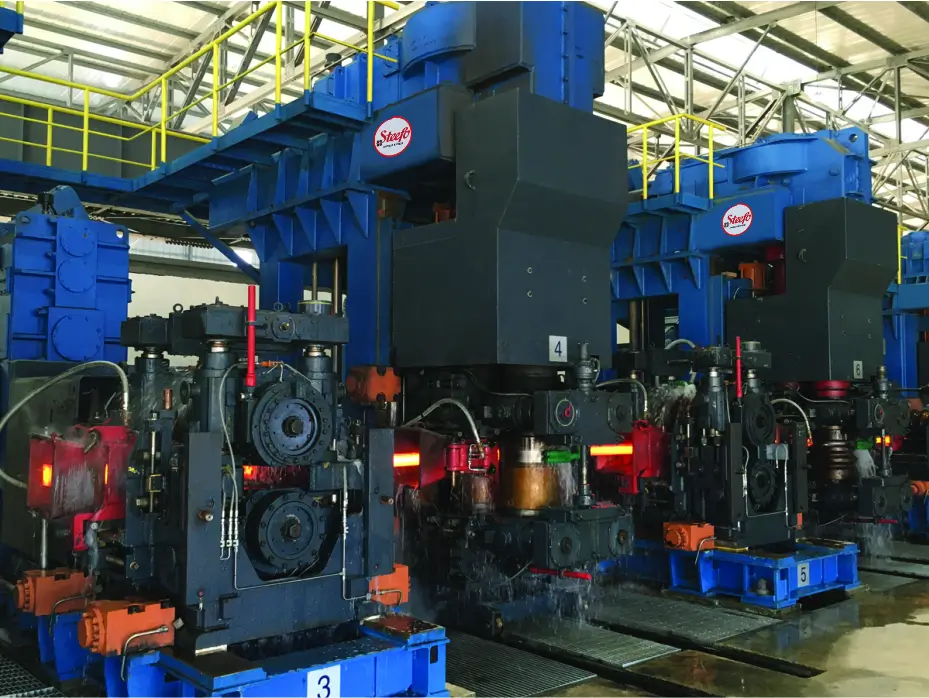
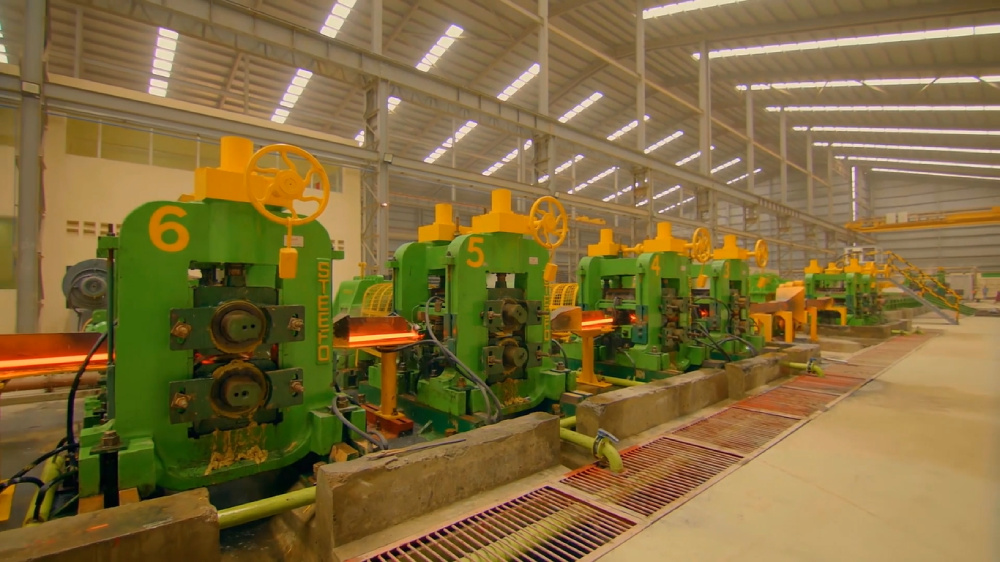
  • Rolling Stands: These are the heart of the rolling mill, where the material is shaped and reduced to the desired thickness. Rolling stands come in different configurations depending on the product being manufactured, such as bar mills, wire rod mills, or section mills.
  • Coiling and Cooling Systems: After the rolling process, materials need to be cooled and coiled to make them more manageable for transportation and storage. These systems ensure that the finished products are handled efficiently.
  • Auxiliary Equipment: This includes the electrical systems, motors, drives, material handling systems, and automation equipment that enable smooth operation.

Factors Influencing Equipment Costs:

  • Type of Rolling Mill: Hot rolling mills typically require more sophisticated equipment due to the high temperatures and more extensive processes involved. Cold rolling mills are generally less expensive but still involve specialised machinery.
  • Automation and Technology: Fully automated mills with sophisticated control systems tend to cost more. The integration of advanced technologies such as artificial intelligence and machine learning for predictive maintenance and process optimisation can significantly raise the equipment costs.
  • Supplier and Brand: The cost of equipment also depends on the brand and quality. Reputed rolling mill manufacturers, like The Steefo Group, offer high-quality, durable equipment that tends to come with a higher price tag, but this investment ensures long-term reliability.

Estimated Cost:

Equipment costs usually make up 40% to 60% of the total cost of a turnkey rolling mill project. The specific percentage depends on the type of equipment, automation level, and scale of the mill.

Installation and Commissioning Costs

Once the equipment is procured, the next step is to install it and ensure it operates efficiently. Installation includes everything from setting up the machinery to connecting electrical systems and integrating automation controls. Commissioning, on the other hand, is the process of testing the equipment to ensure that everything functions as per the design specifications.

Factors Affecting Installation and Commissioning Costs:

  • Site Preparation: If the factory site requires significant modifications (such as reinforcement of structures or new electrical infrastructure), installation costs will rise.
  • Labour and Expertise: Skilled labour is required for the installation of rolling mill equipment, particularly when it comes to sophisticated machinery. Experienced technicians and engineers are essential for ensuring that the installation is done correctly.
  • Testing and Calibration: Once installed, the machinery needs to be tested and calibrated to meet the production standards. This step ensures that the mill produces high-quality products while maintaining efficiency.

Estimated Cost:

Installation and commissioning typically account for 10% to 15% of the total project cost. The exact cost will depend on the complexity and size of the rolling mill.

Procurement Costs

Procurement costs involve the acquisition of all materials, tools, and systems necessary for the mill’s construction. This includes purchasing raw materials like steel, alloys, and electrical components, as well as specialised tools and systems needed for the smooth operation of the rolling mill.

Key Procurement Considerations:

  • Material Quality: The quality of raw materials directly affects the durability and efficiency of the rolling mill. High-quality materials may cost more initially but lead to fewer repairs and downtime in the long run.
  • Supplier Network: Working with reliable and cost-effective suppliers can significantly reduce procurement costs. However, purchasing from multiple suppliers can add complexity and lead to higher logistics costs.
  • Lead Time and Shipping: If materials are sourced globally, shipping costs, customs duties, and lead times can further increase procurement expenses.

Estimated Cost:

Procurement typically accounts for 10% to 20% of the overall project cost, depending on the specific materials required and where they are sourced from.

Project Management and Overhead Costs

Project management is essential for ensuring that a turnkey rolling mill project progresses on schedule and within budget. Project managers coordinate between design, procurement, installation, and commissioning teams to ensure smooth execution.

Key Aspects of Project Management:

  • Scheduling and Coordination: Project managers handle timelines, resources, and task coordination to ensure that all phases of the project align.
  • Quality Control: Ensuring the project meets all quality standards is crucial. Project managers work closely with the installation and engineering teams to guarantee that the equipment and systems are installed according to design specifications.
  • Risk Management: Project managers must be prepared to handle any unforeseen challenges, such as delays, cost overruns, or technical issues.

Estimated Cost:

Project management and overheads generally represent 5% to 10% of the total project cost, depending on the project scale and complexity.

Electrical and Automation Systems Costs

Electrical and automation systems are integral to the operation of modern rolling mills. These systems include power distribution, control panels, PLC systems, SCADA systems, sensors, and drives that enable the mill to operate efficiently.

Key Electrical and Automation Components:

  • Control Systems: PLC and SCADA systems enable real-time monitoring and control of the mill’s operations. These systems ensure that the mill runs smoothly and that any issues are detected early.
  • Automation Equipment: Automated handling systems, such as robot arms, material transfer systems, and roll change equipment, can drastically improve production efficiency.
  • Safety and Monitoring Systems: Ensuring the safety of the mill workers and preventing any potential damage to the equipment is essential. This involves installing safety systems, alarms, and sensors.

Estimated Cost:

Electrical and automation systems typically account for 5% to 15% of the total turnkey rolling mill project cost. The specific percentage depends on the level of automation and the complexity of the electrical systems.

Maintenance and After-Sales Services

Once the rolling mill is operational, ongoing maintenance is essential to ensure it continues to function efficiently. Regular maintenance minimises downtime, prevents costly repairs, and ensures that the mill operates at its full capacity.

Key Considerations for Maintenance Costs:

  • Spare Parts: Rolling mills require various spare parts, including rolls, motors, bearings, and sensors. Ensuring a steady supply of spare parts is essential for minimising downtime.
  • Service Contracts: Many manufacturers offer service contracts for regular maintenance, which may include preventive maintenance, inspections, and equipment overhauls.
  • Long-Term Support: After-sales services, including training, technical support, and troubleshooting, help ensure the long-term success of the mill.

Estimated Cost:

Maintenance and after-sales services can cost 5% to 10% annually, based on the terms of the service contract and the level of support required.

Miscellaneous Costs

There are several other costs associated with a turnkey rolling mill project that may not be immediately apparent but are essential to consider.

Key Miscellaneous Costs:

  • Land and Site Acquisition: If the factory site needs to be purchased, this can significantly increase project costs.
  • Permits and Licensing: Obtaining the necessary permits and licenses for operating the mill can involve additional costs, particularly if there are local regulations to adhere to.
  • Insurance and Contingency: Insurance coverage and contingency funds are necessary to cover unforeseen risks or issues that may arise during the construction and operation phases.

Estimated Cost:

Miscellaneous costs usually account for 5% to 10% of the total project cost.

Conclusion

Setting up a turnkey rolling mill is a substantial investment, but with the proper planning and understanding of the cost breakdown, it can be an immensely profitable venture. From design and engineering to equipment procurement, installation, and after-sales services, each component plays a crucial role in the success of the project.

Working with experienced rolling mill manufacturers like The Steefo Group ensures that the project is managed effectively and that the final product meets your specifications. By carefully considering and managing each cost element, businesses can achieve a turnkey solution that delivers long-term value and ensures efficient mill operation.

Remember that while turnkey solutions come with a higher upfront cost, they save time, reduce project complexity, and minimise risks. This approach allows businesses to focus on production, knowing that their rolling mill is in capable hands.

Frequently Asked Questions

1. What are the benefits of choosing a turnkey rolling mill project over building a mill from scratch?

Choosing a turnkey rolling mill project offers several advantages, including reduced complexity, time savings, and minimised risk. With a turnkey solution, you get a fully integrated system where the manufacturer handles every aspect of the project, from design and procurement to installation and maintenance. This ensures faster commissioning, reduced project delays, and cost-effective operations. Additionally, turnkey providers offer expert consultation, reducing the need for in-house technical expertise.

2. How can I determine if my business needs a hot rolling mill or a cold rolling mill for a turnkey project?

The choice between a hot rolling mill and a cold rolling mill depends on the final product and its intended application. Hot rolling mills are typically used for producing thick products like plates, beams, or bars at high temperatures, while cold rolling mills are used for thinner, high-precision products such as sheet metal, coils, and strips. Understanding the type of material you want to produce, its required thickness, and its application will help you make the right decision for your turnkey rolling mill project.

3. What is the typical timeline for a turnkey rolling mill project to be completed?

The timeline for completing a turnkey rolling mill project varies depending on several factors, such as the project scale, customisation requirements, and the complexity of equipment. On average, a turnkey rolling mill project can take anywhere from 12 to 24 months to complete. This includes the phases of design, procurement, installation, commissioning, and testing. Larger or more specialised mills may require more time to install and fine-tune the equipment to meet production goals.

4. Can I expect warranty coverage for the equipment used in a turnkey rolling mill project?

Yes, most reputable rolling mill manufacturers offer warranty coverage for the equipment supplied in a turnkey rolling mill project. The warranty typically covers any defects in material or workmanship and ensures that the equipment functions as promised. Warranty periods may vary depending on the manufacturer and the type of equipment, but generally range from 1 to 3 years. Additionally, many suppliers offer extended service contracts and after-sales support to ensure long-term maintenance and performance.

5. How does automation in a turnkey rolling mill improve production efficiency?

Automation in a turnkey rolling mill significantly enhances production efficiency by reducing human intervention, minimising errors, and optimising machine performance. Automated systems, such as PLC controls and SCADA systems, allow for real-time monitoring and data-driven adjustments, leading to consistent product quality. Robotic material handling, automatic roll changes, and precision control over the rolling process also reduce downtime and improve throughput. By integrating advanced automation, businesses can lower operational costs while maximising output.

Ready to Invest in a Turnkey Rolling Mill Solution?

If you’re looking to optimise your manufacturing process and ensure long-term success, a turnkey rolling mill solution is the key to achieving efficiency, cost-effectiveness, and seamless production. Whether you’re expanding your operations or starting a new project, partnering with an experienced rolling mill manufacturer guarantees high-quality machinery, expert project management, and support from start to finish.

Don’t let the complexity of setting up a rolling mill overwhelm you. The Steefo Group offers comprehensive turnkey solutions that handle every aspect of your project, from design and procurement to installation and maintenance. With decades of experience and a commitment to excellence, we deliver results that align with your business goals.

Contact us today at +91 87589 98607 or write to us at marketing@thesteefogroup.com to learn how we can bring your rolling mill project to life and set you up for success. Let’s build your future together, with a customised solution tailored to your needs!
Categories
Blogs Rolling Mill

Choosing the right rolling mill for your business is one of the most important decisions you will make in the steel production process. The performance and efficiency of the rolling mill will affect the quality of your products, the speed of your manufacturing process, and ultimately, your business’s bottom line. Whether you are producing plates, bars, rods, or coils, selecting the right mill requires a comprehensive understanding of your production needs, material requirements, and product specifications.

In this blog post, we will guide you through the factors that matter when selecting the right rolling mill, with a particular focus on hot rolling mills. We will also discuss how The Steefo Group, a leader in the hot rolling mill industry, can provide solutions that align with your specific needs.

The Significance of Choosing the Right Hot Rolling Mill

The rolling mill is the heart of steel production in many industries. Hot rolling mills, specifically, are used to process steel at high temperatures, shaping the metal into different forms, such as sheets, plates, coils, and bars. The right mill not only determines the quality of the final product but also influences the efficiency, cost, and overall competitiveness of your business.

When choosing a hot rolling mill, several factors must be considered, ranging from the type of steel you plan to process to the scale of production and the specific product requirements. Making the correct choice ensures that your operations are efficient, cost-effective, and able to meet the needs of your customers, both now and in the future.

Key Factors to Consider When Choosing a Hot Rolling Mill

Steel Grade: Impact on Mill Selection

The first significant factor to consider when selecting a rolling mill is the steel grade you will process. Different grades of steel, such as carbon steel, alloy steel, stainless steel, or high-strength steel, have unique characteristics that will influence the performance of your mill. For example, stainless steel has higher alloy content and is more challenging to process than carbon steel. Therefore, you will need a mill that can handle high temperatures and pressures to produce a finished product of the required quality.

The steel grade will determine the type of equipment and features that your hot rolling mill should have. For instance, high-strength low-alloy (HSLA) steel demands precise temperature control and robust mechanical strength, which could lead you to choose a mill with advanced automation features for better control over temperature and speed.

In the case of The Steefo Group, our hot rolling mills are designed to cater to a variety of steel grades, ensuring that customers can process everything from basic carbon steels to advanced alloys with ease and efficiency. By using high-quality materials and precision engineering, Steefo ensures that each mill is optimally designed for the specific steel grade you work with.

Production Scale: Small vs. Large-Scale Operations

Another key factor in selecting the right rolling mill is your production scale. The type of mill you choose will vary depending on whether you are running a small-scale operation or a large-scale manufacturing facility.

  • Small-Scale Production: If you are running a small business, you may need a compact, lower-capacity mill that can handle smaller batches. These mills are typically more affordable and easier to maintain. Hot rolling mills designed for small-scale operations are ideal for producing specialised products or for businesses that require a high degree of flexibility.
  • Large-Scale Production: For larger facilities, you need a rolling mill that can handle high volumes of steel without compromising quality or efficiency. Hot rolling mills for large-scale production are often designed to run continuously, with a focus on automation, speed, and minimal downtime. These mills are built to withstand high-volume production demands and deliver consistent results over time.

Product Variety: Meeting Diverse Production Needs

The hot rolling mill you choose should be compatible with the types of products you plan to produce. Different products, such as plates, rods, bars, and coils, require specific equipment features. For example:

  • Plates: When producing plates, you need a mill that can handle thick slabs of steel and can provide precise thickness control. The hot rolling mill for plate production should have heavy-duty components to withstand high temperatures and pressures during rolling.
  • Wire Rods: Wire rod mills require a mill that ensures consistency in production while maintaining rigidity. The mill must be capable of running at high speeds without compromising the shape, size, or strength of the wire.
  • Bars and Coils: The production of bars and coils requires precise control over the rolling process to maintain uniformity and meet dimensional requirements. Here, high-speed mills with automated features are often the best option.

When selecting a hot rolling mill, it is crucial to match the mill’s capabilities to your product type. The Steefo Group offers customised solutions for a wide range of products, ensuring that each mill is capable of meeting the specific requirements of your manufacturing needs.

Production Process: Adaptation to Specific Needs

Each hot rolling mill is designed to meet the unique requirements of different production processes. For example, plate rolling may require a multi-pass mill, while bar rolling might need a more continuous process.

The mill’s configuration, such as the number of stands, roll arrangements, and pass design, will vary depending on whether the process involves flat or long products. By thoroughly understanding your production process, you can select the mill that best meets your needs.

Detailed Analysis of Hot Rolling Mill Process Design

Structural Type of Hot Rolling Mill

The structure of the rolling mill plays a vital role in its performance. There are several types of hot rolling mills, each suited for specific applications:

  • 2-High Mills: These are the simplest type of mills and are ideal for smaller-scale operations. They are typically used for rolling thicker products like beams or plates.
  • 4-High Mills: These mills are more versatile and are used for producing thinner products like sheets and foils. They offer better control over thickness and can be used for both ferrous and non-ferrous metals.
  • 6-High Mills: These are ideal for high-precision work and are often used in applications where accuracy is critical, such as the production of high-end alloys or fine sheets.

Each structural type has its advantages, and your choice will depend on the material properties, product thickness, and precision required for your application.

Number of Rolling Mills Required

Large-scale operations may require multiple hot rolling mills to handle various tasks simultaneously. Multiple mills can work in tandem to produce different products or to handle higher volumes of material. For example, a multi-stand mill setup allows for coiled steel to be processed efficiently, while an additional bar mill may handle steel bars.

Determining the number of mills required will depend on your production needs, material types, and the range of products you produce. The Steefo Group offers both single and multi-stand hot rolling mills that can be customised to suit your operational requirements.

Laying Method: Best Practices for Mill Layout

The layout of the hot rolling mill in your facility is crucial to maximising efficiency. A well-designed layout minimises the distance between operations, reduces material handling time, and ensures smooth production flow. Factors such as equipment placement, accessibility for maintenance, and integration with other plant operations should all be considered when designing the layout.

Technical Parameters: Speed, Temperature, and Size

Hot rolling mills are designed to operate within specific technical parameters, including:

  • Rolling Speed: Higher speeds improve productivity but can affect the quality of the finished product if not appropriately controlled.
  • Temperature Range: The ability to maintain the correct temperature during rolling is critical for the material’s quality.
  • Mill Size: The size of the mill should match the production scale and product dimensions.

Choosing a hot rolling mill that offers flexibility in these parameters can help ensure that the final product meets your exact specifications.

Factors Affecting Hot Rolling Mill Performance

Equipment Utilisation & Production Efficiency

Maximising equipment utilisation is key to ensuring the efficient operation of your rolling mill. Downtime due to maintenance, equipment failure, or other issues can significantly reduce productivity and increase operating costs. Therefore, choosing a mill with high efficiency and reliability is critical. Automated systems and predictive maintenance features can also help optimise the mill’s performance.

Product Quality: Maintaining Standards

A hot rolling mill must ensure the product meets industry standards and customer specifications. This involves precise control of temperature, speed, and material thickness. The Steefo Group’s hot rolling mills are designed to maintain strict tolerances and produce high-quality materials that meet both national and international standards.

Automation & Mechanisation: Enhancing Efficiency

Automation in hot rolling mills can improve production speed, reduce human error, and increase safety. Modern mills are equipped with automated systems that adjust process parameters in real-time, improving overall consistency and minimising variations in the final product.

Selecting a Hot Rolling Mill Based on Product Type

Plate Rolling Mills

For plate rolling, precision is paramount. Plates are often used in critical applications, such as in the automotive or construction industries, where strength and accuracy are essential. The hot rolling mill for plates should offer precise control over thickness, width, and surface quality.

Wire Rod Mills

Wire rod mills are designed for the high-speed production of wire rods, which require a mill capable of maintaining consistency and rigidity during rolling. These mills are designed to operate continuously, reducing production costs while maintaining product quality.

Maintenance Considerations for Hot Rolling Mills

Ease of Maintenance & Spare Parts Availability

Maintenance is a critical aspect of ensuring the long-term performance of hot rolling mills. A mill that is easy to maintain and has readily available spare parts can reduce downtime and keep production running smoothly. The Steefo Group’s hot rolling mills are designed for easy maintenance and come with a comprehensive support system for spare parts.

Long-Term Performance

Choosing a high-quality rolling mill ensures long-term performance with minimal breakdowns. Investing in a well-built mill reduces the likelihood of frequent repairs and ensures that your equipment runs at peak efficiency over its lifespan.

Why Choose The Steefo Group for Hot Rolling Mill Equipment?

Experience & Reputation

With over 45 years of experience, The Steefo Group is a trusted name in the hot rolling mill industry. As a Star Export House, Steefo has established itself as a leader in the field, providing cutting-edge technology and high-quality mills to clients worldwide.

Quality & Innovation

The Steefo Group is committed to providing rolling mills that meet the highest standards of quality. Their hot rolling mills are designed using the latest technology, ensuring that your production process remains efficient and reliable.

Customer Success

Steefo’s reputation for excellence is reflected in the success of its customers. From steel manufacturers to automotive suppliers, businesses worldwide trust Steefo for their hot rolling mill needs.

Key Takeaway

Selecting the right rolling mill is a critical decision that directly impacts your steel production process, influencing everything from product quality to production efficiency. The right hot rolling mill ensures that your operation runs smoothly, reduces downtime, and consistently delivers high-quality results. By carefully considering factors like steel grade, production scale, and the specific requirements of your products, you can make an informed decision that supports long-term business success. A well-chosen rolling mill optimises your production flow, enhances profitability, and positions your business for continued growth in a competitive market.

The Steefo Group Can Help You Make an Informed Decision on Choosing the Right Hot Rolling Mill

When it comes to choosing the right hot rolling mill for your business, having the right expertise and guidance is crucial. The Steefo Group is dedicated to helping you make an informed decision, ensuring that your rolling mill meets all your production needs. With over four decades of experience in the industry, Steefo has become a trusted name in providing high-quality hot rolling mills that offer unmatched performance, efficiency, and reliability.

Choosing the right rolling mill is more than just about equipment. It’s about ensuring the mill’s features and performance are tailored to meet your business objectives. Whether you’re producing plates, bars, rods, or coils, Steefo’s team of experts will help you navigate through every decision, from understanding your material requirements to selecting the correct specifications for your production scale.

With The Steefo Group by your side, you gain access to customised solutions tailored to your specific needs, supported by our proven track record of success. Our dedication to customer satisfaction means that we provide not just equipment, but long-term partnerships that ensure your mill operates at peak efficiency for years to come.

Contact The Steefo Group at +91 87589 98607 or write to us at marketing@thesteefogroup.com and take the first step toward optimising your production line.

Categories
Blogs Rolling Mill

In the fast-evolving global steel industry, expansion is no longer just an option. It is a strategic necessity. For Indian manufacturers in particular, rising domestic demand, rapid infrastructure development, and global competitiveness are creating a strong push for scaling up steel production. Among the critical components of any expansion plan, choosing the right rolling mill stands out as one of the most decisive factors for long-term success. Rolling mills are at the heart of steel plants, ensuring that raw steel is transformed into market-ready products efficiently and cost-effectively.

For businesses planning to expand their steel plant, selecting the right rolling mill is not merely about buying machinery. It is about future-proofing the plant, optimising productivity, and ensuring sustainable growth. This guide explores the key aspects of expansion, types of rolling mills available, and the most important considerations when making this high-impact decision.

Basic of the Steel Plant Expansion Process

What Does Steel Plant Expansion Involve?

Expanding a steel plant goes beyond adding more production lines. It usually involves three critical aspects:

  1. Capacity Increase: Boosting output by integrating larger or additional rolling mills to handle higher volumes of steel products.
  2. Technology Upgrades: Incorporating modern automation, advanced hot rolling techniques, and digital monitoring systems for greater efficiency.
  3. Infrastructure Expansion: Enhancing power supply, water systems, storage facilities, and workforce management to support the increased load.

Benefits of Expanding a Steel Plant

  • Higher Production Levels: Expansion allows manufacturers to meet rising domestic and international demand without compromising timelines.
  • Improved Product Quality: Modern rolling mills, especially hot rolling mills, enhance the precision, finish, and uniformity of steel products.
  • Energy Efficiency: New-age mills are designed with eco-friendly technologies, reducing fuel consumption and minimising wastage.
  • Market Competitiveness: Expansion allows steel producers to diversify their product range and cater to varied industries, from construction to automotive.

Key Challenges in Expansion

While expansion offers significant rewards, it also comes with challenges:

  • Space Limitations: Setting up new rolling mills requires optimised plant layout and land planning.
  • Budget Constraints: Balancing high capital investment with expected returns is a major decision point.
  • Skilled Workforce: Training operators to handle advanced machinery is critical for achieving efficiency.
  • Regulatory Compliance: Expansion must align with environmental and safety regulations in India and globally.

Types of Rolling Mills for Expansion

When expanding a steel plant, one of the most important decisions is choosing the right type of rolling mill. Each mill type has unique advantages depending on production goals, product mix, and cost considerations.

Hot Rolling Mills

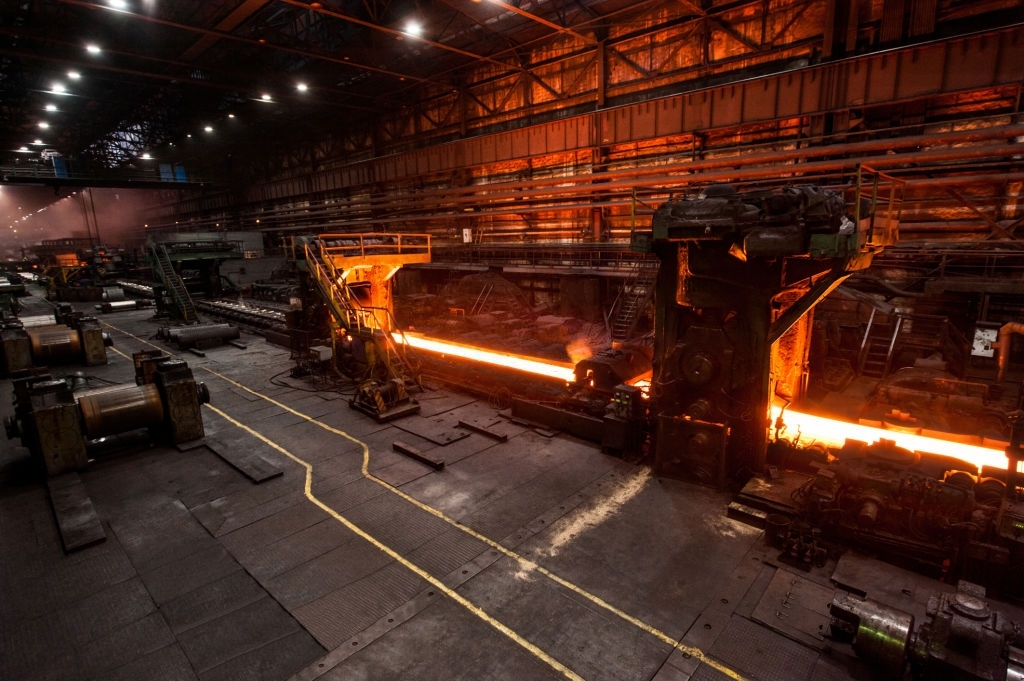
Hot rolling mills are the backbone of steel plant expansion projects. These mills roll steel at high temperatures, above the recrystallisation point, making the material easier to shape and produce in bulk.

Advantages:

  • High production capacity—ideal for large-scale expansion.
  • Ability to process a wide variety of steel grades.
  • Produces steel with excellent mechanical properties.

Ideal Applications:

  • Construction steel, railway tracks, and automotive components.

Universal or Combination Mills

For plants looking to diversify, universal or combination mills offer flexibility in producing different steel products, including beams, channels, and flats, without the need for multiple setups.

Advantages:

  • Versatility to handle multiple product profiles.
  • Reduced downtime with faster product changeovers.
  • Cost-effective for plants catering to varied industries.

Ideal Applications:

  • Plants targeting a broader market mix, including infrastructure, engineering, and export sectors.

Factors to Consider Before Choosing a Rolling Mill

When expanding a steel plant, choosing the right mill requires balancing production needs, costs, and long-term efficiency. Here are the critical factors:

1. Production Capacity

Expansion should directly align with your long-term output goals. If the demand forecast indicates consistent growth, investing in a larger hot rolling mill may provide better scalability.

2. Material Specifications

Your choice depends on the steel rolling requirements, such as product size, thickness, and grade. For plants handling specialised alloys or diverse profiles, universal mills may be more suitable.

3. Energy Efficiency & Sustainability

Modern rolling mills come with eco-friendly technologies such as regenerative burners and energy recovery systems. Energy-efficient machinery not only lowers operational costs but also helps meet global sustainability goals.

4. Cost & ROI Analysis

While advanced mills demand higher upfront investment, they usually offer lower long-term maintenance and higher productivity. A detailed ROI analysis ensures that the expansion remains profitable.

5. Technological Features

Automation, digital monitoring, and predictive maintenance are now essential features. Smart steel rolling systems improve quality control, reduce downtime, and extend equipment life.

Planning and Execution of Steel Plant Expansion

Expanding a steel plant is a high-stakes investment that requires careful planning and flawless execution. A structured approach ensures that the expansion aligns with business objectives while minimising risks and downtime.

Step-by-Step Approach

  1. Feasibility Study: Before investing in new rolling mills, it is crucial to conduct a feasibility analysis. This involves assessing current production levels, forecasting demand, evaluating financial viability, and analysing space and infrastructure availability.
  2. Equipment Selection: Choosing the right hot rolling mill or combination mill is the backbone of the expansion plan. The decision should consider product mix, energy efficiency, and automation features to guarantee long-term adaptability.
  3. Procurement: Partnering with a trusted rolling mill manufacturer ensures reliable machinery, timely delivery, and after-sales support. This stage also includes negotiating cost, warranty, and service agreements.
  4. Installation: Precision in installation is critical. A well-coordinated setup reduces errors, ensures alignment with existing plant systems, and prepares the groundwork for smooth operations.
  5. Commissioning: Once the equipment is installed, trial runs are conducted to test production capacity, product quality, and energy efficiency. This stage validates that the new steel rolling setup is fully functional before scaling up.

Role of Project Management and Expert Consultation

A dedicated project management team plays a vital role in coordinating vendors, engineers, and the workforce during the expansion. Consulting experts from experienced rolling mill manufacturers such as The Steefo Group can also help optimise plant layouts, improve automation strategies, and ensure compliance with regulatory standards.

Minimising Downtime During Expansion

Downtime during expansion directly affects revenue and customer commitments. Staggered implementation, pre-fabricated components, and phased commissioning can help reduce disruptions. Many advanced rolling mills are designed for quick integration, allowing plants to expand without major production halts.

Trends and Innovations in Steel Rolling

The steel industry is undergoing rapid transformation, and expansion projects provide an opportunity to integrate the latest technologies.

Latest Advancements in Rolling Mills

  • High-Speed Rolling: Modern mills achieve higher throughput while maintaining precision, ideal for meeting rising demand.
  • AI-Assisted Monitoring: Artificial intelligence and machine learning detect defects in real time, reducing waste and ensuring consistent product quality.
  • Energy-Efficient Mills: New hot rolling mills use regenerative systems and optimised heating technologies to cut fuel consumption and lower operating costs.

How Innovations Enhance Quality and Efficiency

Upgraded steel rolling systems improve dimensional accuracy, surface finish, and mechanical strength. Automation minimises human error, while predictive maintenance reduces unplanned downtime. The result is not only higher productivity but also greater consistency across large volumes.

Sustainability and Digital Transformation in Steel Plants

Sustainability has become a non-negotiable factor in steel plant expansion. Energy recovery systems, reduced CO₂ emissions, and recycling initiatives are now integral to modern mill designs. Additionally, digital transformation through IoT-enabled sensors, cloud-based analytics, and smart dashboards gives plant operators complete visibility into performance metrics, energy usage, and maintenance schedules.

By embracing these innovations, expanding steel plants can secure long-term competitiveness, meet stringent global standards, and cater to the growing demand for eco-friendly steel products.

Frequently Asked Questions

1. What are the key benefits of expanding a steel plant with modern rolling mills?

Expanding a steel plant with advanced rolling mills increases production capacity, improves product quality, and enhances energy efficiency. Modern hot rolling mills also reduce operational costs through automation and sustainable technologies, helping steel manufacturers stay competitive in growing domestic and global markets.

2. How do I choose the right hot rolling mill for steel plant expansion?

Choosing the right hot rolling mill depends on your plant’s production goals, material specifications, and budget. Consider factors like output capacity, energy efficiency, automation features, and long-term return on investment. Consulting with an experienced rolling mill manufacturer such as The Steefo Group ensures the right fit for your expansion project.

3. What challenges should steel plants consider during expansion?

Common challenges during steel plant expansion include space limitations, high capital investment, regulatory compliance, and workforce training. Minimising downtime is also critical. Careful planning, expert consultation, and phased commissioning of new rolling mills can help overcome these hurdles and ensure smooth, efficient expansion.

4. What new technologies are shaping the future of steel rolling mills?

Modern steel rolling is being transformed by innovations such as AI-assisted monitoring, high-speed rolling, and energy-efficient designs. These technologies improve dimensional accuracy, surface finish, and operational efficiency while reducing energy consumption, making them essential for sustainable steel plant expansion.

5. How can steel plants reduce downtime during expansion projects?

To minimise downtime, steel plants can adopt phased installation, use pre-fabricated components, and schedule expansions during planned maintenance periods. Partnering with expert rolling mill manufacturers also ensures faster commissioning, seamless integration with existing systems, and uninterrupted production during hot rolling mill upgrades.

Expand Your Steel Plant Today with The Steefo Group

Your steel plant expansion deserves a partner who understands not just machinery, but long-term success. At The Steefo Group, we specialise in designing and delivering world-class hot rolling mill solutions tailored to your production goals. Whether you want to increase capacity, enhance product quality, or integrate advanced automation, our expertise ensures your plant is future-ready.

From feasibility studies and mill selection to installation, commissioning, and after-sales support, we provide end-to-end solutions that minimise downtime and maximise return on investment. Backed by decades of industry experience, The Steefo Group empowers you to embrace energy-efficient technology, sustainability, and digital transformation with confidence.

Don’t let expansion challenges slow you down. Partner with India’s trusted rolling mill manufacturer and take your steel plant to the next level.

Contact The Steefo Group today and start building your path to long-term success!

Categories
Blogs

When it comes to producing high-performance, durable, and efficient rolling mills, the margin for error is non-existent. Whether you’re building a cold rolling mill, hot rolling mill, or any custom solution for ferrous or non-ferrous applications, there’s a reason only a few names consistently top the charts of reliability and performance. These premium rolling mills manufacturers don’t just build machines—they set benchmarks.

So, what exactly separates the best from the rest? It’s not just their machines, it’s their mindset.

In this blog, we explore the 10 non-negotiable standards that top-tier rolling mill manufacturers strictly adhere to. These are the foundational pillars that define world-class engineering, ensure longevity, and deliver tangible ROI to customers.

10 Non-Negotiable Standards That Top Rolling Mill Manufacturers Follow

1. Material Quality and Sourcing Standards

The secret to any superior machine begins long before the first part is assembled—it starts with raw materials. The best rolling mills manufacturers insist on premium-grade metals, alloys, and components that are certified for strength, thermal resistance, and fatigue endurance.

High-grade steel, especially variants with chromium or molybdenum content, is a popular choice due to its strength and corrosion resistance. Manufacturers often maintain global sourcing networks to obtain these metals from trusted suppliers in Japan, Germany, and India.

Interestingly, many rolling mill suppliers located in industrial hubs like Ahmedabad are now blending global sourcing practices with indigenous manufacturing strengths to deliver high-performance yet cost-effective solutions. The combination of local agility and international-grade materials is a game-changer.

2. Precision Engineering and Design

What makes a rolling mill glide seamlessly through tons of metal without vibrations, inconsistencies, or breakdowns? Precision engineering.

Top-tier manufacturers use advanced CAD/CAM tools, integrated automation platforms, and simulation software to custom-design rolling mills that match specific client requirements. Every inch, every curve, and every tolerance is accounted for.

Zero-tolerance fitting is a mantra they live by. Because a 0.1 mm deviation in design could mean excessive wear, safety issues, or complete machine failure.

Customisation is another key differentiator. Top-tier rolling mill manufacturers never force one-size-fits-all solutions. Whether it’s mill type, roller diameter, or automation integration, they ensure every design is tailor-made.

3. Compliance with International Standards

In today’s global manufacturing ecosystem, certifications are not just formalities, they’re trust markers.

ISO 9001 ensures quality management. ASTM standards dictate material properties. CE markings signify safety for European markets. BIS certification opens doors to India’s government contracts.

Top rolling mill manufacturers don’t just meet these benchmarks, they exceed them. They ensure that their systems, processes, and final outputs are rigorously audited and traceable.

This isn’t just about paperwork. Buyers especially from sectors like defense, automotive, aerospace, and heavy engineering consider compliance a must-have. Non-compliance means no deal.

That’s why trusted rolling mill suppliers, whether in Ahmedabad or overseas, never skip this step.

4. Skilled Workforce and In-House Expertise

Machines don’t build machines. People do. And in the world of rolling mills, having a skilled workforce can make all the difference.

The top players invest heavily in training programs for their engineers, metallurgists, technicians, and even machine operators. Why? Because building a rolling mill isn’t just about assembling parts, it’s about understanding metallurgy, stress distribution, and thermal expansion.

Ongoing certification programs, international collaborations, and in-house R&D departments ensure that expertise remains cutting-edge.

While some rolling mill suppliers may cut corners by hiring contractual or under-skilled workers, the leaders hire for long-term growth, and it shows in their output.

5. In-House Manufacturing Capabilities

Here’s a hard truth: Over-reliance on outsourced components leads to inconsistency.

Leading rolling mill manufacturers invest in full-stack production capabilities from machining and forging to assembly and performance testing. When everything is done under one roof, it guarantees tighter quality control, faster response times, and unmatched customisation.

Clients love the transparency and predictability this model offers. It allows real-time design tweaks, accelerated lead times, and better after-sales service.

In contrast, suppliers dependent on third-party fabricators often struggle with mismatched specs, delivery delays, and QC nightmares. That’s a price top manufacturers refuse to pay.

6. Testing and Quality Control Protocols

If you want to build trust, prove your mill before it hits the field. That’s exactly what premium rolling mill manufacturers do.

Their testing protocols include:

  • Non-destructive testing (NDT) for internal cracks and faults
  • Hardness and tensile strength tests for core components
  • Load-bearing simulations to ensure operational reliability

Many rolling mill suppliers also conduct batch testing to maintain uniformity across production runs. This isn’t just a technical checkbox, it’s a critical step that reduces breakdown risks, minimises client downtime, and boosts buyer confidence.

In fact, a growing number of rolling mill suppliers in Ahmedabad now offer video documentation of their testing processes, a smart move in today’s transparency-driven market.

7. After-Sales Support and Spare Availability

The real test of a rolling mill manufacturer begins after the mill is commissioned. Downtime in a rolling mill operation can mean massive production losses and delivery delays. That’s why after-sales support isn’t a luxury, it’s a lifeline.

Top-tier manufacturers provide:

  • Dedicated service engineers on standby
  • Pre-packaged spare part kits tailored to the installed configuration
  • Comprehensive Annual Maintenance Contracts (AMCs) with proactive servicing schedules

Some even offer remote diagnostics, predictive maintenance, and guaranteed 24–48 hour response windows.

One area where local rolling mill suppliers, especially those in manufacturing hotspots like Ahmedabad, often shine is turnaround time (TAT). Proximity to industrial clients and access to well-stocked warehouses allow them to fulfill emergency part requests or dispatch service personnel faster than overseas suppliers.

In short, the best manufacturers don’t just build mills, they build long-term reliability.

8. Customisation for Application-Specific Needs

There is no such thing as a one-size-fits-all rolling mill. Every application whether TMT bars, wire rods, section rolling, or structural steel demands precision customisation.

Top rolling mill manufacturers pride themselves on their ability to adapt specifications like:

  • Mill sizing and configuration (2-Hi, 4-Hi, cluster, tandem, etc.)
  • Motor capacity and gearbox ratios based on tonnage
  • Cooling systems and lubrication channels are suitable for specific material types and operating environments
  • Automation compatibility (SCADA, PLC, or IoT integration)

A rolling mill for producing stainless steel wire in Europe will have vastly different requirements compared to a mill churning out mild steel angles in India. Reputable mill suppliers understand this and offer fully customised solutions rather than off-the-shelf machines.

Manufacturers in Ahmedabad, known for their metallurgical expertise and access to skilled labour, are increasingly attracting clients from across Asia, Africa, and the Middle East for their bespoke mill designs.

9. Delivery Timelines and Project Commitment

Timely delivery of a rolling mill system isn’t just about keeping a promise. It’s about ensuring an entire plant setup runs on schedule. Delays in rolling mill delivery can cascade into:

  • Idle workforce costs
  • Delayed raw material procurement
  • Missed contract deadlines

Top manufacturers understand that plant planning is a game of precision. They provide realistic timelines, stick to milestones, and maintain transparent communication from purchase order to dispatch.

On the flip side, beware of rolling mill manufacturers who overpromise and underdeliver. Unrealistically short lead times are a red flag. They often result in compromised quality or rushed installations.

The best manufacturers, even when offering customised solutions, have internal project management systems that allow them to maintain punctuality without cutting corners.

10. Client References and Global Installations

Here’s a universal truth in the manufacturing world: Brochures can lie, but installations don’t.

Top-tier rolling mill manufacturers will always be proud to show off their:

  • Global installation map
  • Testimonials from long-term clients
  • Project case studies across industries

And they’ll never hesitate to connect you with existing clients so you can hear firsthand about product performance, after-sales support, and durability.

When evaluating rolling mill suppliers, especially for large-capex equipment, prioritise those with visible proof over marketing fluff. For example, many rolling mill manufacturers in Ahmedabad have served top Indian and overseas steel plants, and can provide site visit access to their nearby installations.

Bonus Tip: How to Verify These 10 Points Before You Buy

Even if a manufacturer claims to follow all 10 of these standards, buyer diligence is crucial. Here’s a practical checklist to validate their credibility:

✅ Visit the manufacturing facility: Evaluate their in-house capabilities, machining standards, and testing setups
✅ Request inspection certificates: Ask for material test reports, load test records, and ISO documents
✅ Ask for demo videos or virtual walkarounds: Most leading manufacturers now offer virtual tours
✅ Speak to past clients: Preferably in your industry segment
✅ Review spare part policies and AMC packages: Ensure transparency in cost and delivery
✅ Evaluate custom design flexibility: Ask how they’ll tailor your mill to your exact application

This checklist alone can help you filter out middlemen or half-baked suppliers masquerading as manufacturers.

Build with Confidence—Partner with a Trusted Rolling Mill Manufacturer Today

Your rolling mill isn’t just a machine. It’s the beating heart of your production line. So why gamble with subpar suppliers or cookie-cutter solutions? Whether you’re launching a new plant or upgrading an existing setup, partnering with The Steefo Group, one of the most trusted rolling mill manufacturers ensures performance, reliability, and peace of mind from day one.

From custom-engineered designs to precision manufacturing and responsive after-sales support, The Steefo Group helps you scale faster, cut downtime, and meet market demands effortlessly. We bring together global quality with local agility, ensuring every project is delivered on time and beyond expectations.

Contact The Steefo Group today at +91 87589 98607 or send us an email to marketing@thesteefogroup.com and turn your next project into a long-term success story. Your business deserves nothing less.

Categories
Blogs


The Steefo Group is a name that is synonymous with reliable experts in the field of steel forming. The origins of The Steefo Group have excellence and superior quality ingrained in its name, which is why we stand out in national and international markets. 

What Makes The Steefo Group Different?

What sets The Steefo Group apart from the other steel forming manufacturers in the country? Let us find out all the reasons why they have attained this reputation. 

1. The Quality

The Steefo Group, all through the decades, has pledged to never compromise and maintain superior quality since its inception. That is why our name is recognized worldwide today for consistently providing high-quality products. We uphold the strictest standards and norms to guarantee that only the highest-grade products reach our clients. 

We have regular quality checks and rigorous testing, from raw materials to finished products. We also take a quality-based approach to quality commitment.  

2. Commitment to Innovation 

What does innovation truly mean? It is the ability to view change and transformation as an opportunity rather than a challenge. Innovation is not just about creating new products and technologies but digging further to unearth and understand uncertainty and discover new and improved solutions.

The Steefo Group and team constantly work towards creating new and innovative processes, business strategies and systems and management methods. That directly influence the level of productivity of a customer’s business and convert it into profit and growth. 

3. Research and Development

The Steefo Group is recognized worldwide because of our drive toward developing and improving our R&D and design capabilities. We fund and support technology improvements because we know that only development in the field of technology guarantees constant advancement in our manufacturing pace and product quality.

We provide only the most advanced technology that can match the demands of our varied clients. We utilise software such as CAD and Kissoft and more to procure future-ready equipment that complies with industry 4.0. 

Providing Integrated Solutions for Hot Rolling Mills in India

When it comes to providing integrated solutions for hot rolling mills in India, The Steefo Group is at the top of the list.  Unlike other manufacturers, The Steefo Group assists and delivers exceptional technological support during the project cycle. The expertise spans from the concept to commissioning integrated steel plants and rolling mills.

On top of that we have not only supported our clients with several turnkey projects but have also provided them with equipment and assisted in executing the project to reach the optimum production capacity. 

1. TMT Bar Rolling Mill

TMT Rolling Bar mills are integral to the Steefo Group and have become ingrained in our DNA. We have also transformed ourselves into being your one-stop-shop solution for all rolling and melting industry needs. Our engineers have incredible expertise in managing turnkey projects from concept to commissioning with innovative and ultra-modern solutions.

Since we prioritise our clients’ needs, we ensure that our products are customisable depending on the demand. This allows our production capacity to range from 10 TPH TO 100 TPH. We also guarantee higher productivity and faster ROI because of our integrated automation solutions. 

2. Structural Rolling Mill

The Steefo Group is recognised as the front runner in executing and delivering end-to-end solutions for structural rolling mills. Our structural rolling mill provides our clients with the most outstanding performance capacities along with the shortest downtimes.

3. Wire Rod Mill

When it comes to wire rod mills, we at The Steefo Group have over four decades worth of experience in designing, engineering and manufacturing wire rod mills. This has allowed us to become a trusted name in the industry.

Our expert engineers have also addressed the market’s growing demands, starting from the flexibility to the cost-effectiveness of the wire rod mills. Steefo Group’s wire rod mills are high-speed mills that can roll small dimensions at high production rates without increasing operating costs. 

Why Choose The Steefo Group as Your Reliable Steel Forming Partner

When you select products from The Steefo group, you are ensured quality. You also get your hands on the most inventive and futuristic products that will help you change the face of your business. The Steefo Group specialises in everything, from turnkey projects to single modular projects, depending on the requirements of your business. From TMT bar rolling mills and wire rod mills to products such as mill stand, rolling mill gearboxes, reheating furnaces and more.

Our projects and products also undergo strict testing and intensive quality checks to supply the best-in-class products. Our emphasis on technology and innovation provides you with the most state-of-the-art products for your rolling mill.

To learn more about the Steefo Group and their products and how they can improve your productivity and profits, contact +91 98240 76873 or drop a mail at marketing@thesteefogroup.com.

Categories
Blogs


When it comes to metal rolling and deformation, the critical component essential to the operation is the steel rolling machine that determines the level of production and technology. Therefore, it is crucial to select the best rolling mill equipment suitable for all your needs and positively impacts the mill’s functioning.

How to Select Steel Rolling Mill Machines?

Several factors come into play when selecting the perfect rolling mill machine. Some of them are: 

  • The steel grade
  • The production scale 
  • The product variety 
  • The production process and more. 

When it comes to the process design of the rolling mill, we also consider numerous components such as- 

  • The structural type of the rolling mill 
  • Choosing the number of rolling mills 
  • Laying method
  • Technical parameters 

Now that it is time to pick the steel rolling machine, one should always remember that the rolling mill should have a reasonable composition and compact arrangement. It should also have a high equipment utilization and impressive production efficiency. Another important aspect is to guarantee that the product quality is up to the mark, not only for current production but also for new production capabilities. 

Apart from that, a suitable rolling mill should facilitate the scope of automation and mechanization to significantly upgrade the working conditions of the employees and be advanced enough to be easy to operate and maintain. Speaking of maintenance, this includes having an easy availability of spare parts that facilitate long-lasting usage. A green flag to consider is the availability of good economic and technical indicators. 

Rolling products and rolling mills come in an exhaustive assortment. Due to the plethora of products, the characteristics of the products differ significantly during rolling. That is why various products have various requirements for rolling mills. 

For example, what is the number one priority for large-scale blanking machines heavy plate rolling mills and more? Well, apart from the required precision? The most crucial thing is the ample strength that allows the large deformation of rolled products. Similarly, plate steel mills, wire mills, and more require substantial and sufficient rigidity; a degree of strength is needed to operate smoothly. 

Why Rely on The Steefo Group for the Best Rolling Mill Equipment?

So you are looking for suitable rolling mill equipment. Look no further as The Steefo Group can provide you with everything your rolling mill will ever need.  For almost four decades, we have been the ultimate and the most favoured integrated rolling mill manufacturer.  The Government of India also acknowledges us as the Star Export House, and we adhere to our reputation. With over 100+ establishments, we are a prominent name worldwide and in the country. 

Understanding The Steefo Group’s Products

When you choose products from The Steefo group, you are getting guaranteed quality. You also  get your hands on the most innovative and futuristic products that will help you transform the face of your business.  The Steefo Group specializes in everything,  from turnkey projects to single modular projects, depending on the needs of your business. From TMT bar rolling mills and wire rod mills to products such as mill stand, rolling mill gearboxes, reheating furnaces and more. 

Our projects and products also undergo rigorous testing and quality checks to supply the best-in-class products. Our focus on technology and innovation also provides you with the most up-to-date products for your rolling mill.

To learn more about the Steefo Group and their products and how they can improve your productivity and profits, contact +91 98240 76873 or drop a mail at marketing@thesteefogroup.com.

Categories
Blogs

When we talk about reliable experts in steel forming, the only name that comes to the forefront is The Steefo Group. Our reputation stems from the word steel forming. Our origins are rooted in excellence and superior production, both in national and international export markets. 

The Origins of The Steefo Group 

The Steefo Group has humble beginnings; we started our journey four decades ago in 1976.  With Mr K.K Agarwal laying the foundation of the  Steefo Industries in 1976, starting our first order in 1979 to achieving our first export order in 1991, we have always had an upwards trajectory. The only goal that we had in mind was to provide precision in design and manufacturing and produce superior quality products and turnkey solutions that fit our clients’ expectations and standards. 

We aimed to become the one-stop shop for all steel rolling and melting industries. We have expanded our services and products since 1976, and now we have a group of expert engineers catering to numerous sections of this ever-demanding industry.

The Steefo Group Quality

One thing that we have pledged to maintain and have never compromised on is quality. The name of The Steefo Group is recognised worldwide today because we are consistent in provisioning high-quality products. We hold ourselves to the strictest standard and norms possible to ensure that only products of the highest grade products to our clients. 

We have a dedicated quality assurance team that performs quality checks and rigorous testing from raw materials to the finished products. This is done to ensure that we stay true to the promise of being your reliable steel forming partners. We take a quality-based approach to quality commitment.  

Our Commitment to Innovation 

From its very inception, Steefo has been dedicated to growth and innovation.  We believe that innovation can transform change into new beginnings and fruitful opportunities. Innovation is more than just developing new products but rather producing cohesive design and technology that comply with the constant evolution. Our team of dedicated and experienced design engineers have the vision and talent to delve into undiscovered and uncertain aspects of the world of steel forming to discover and develop new processes, systems, and management methods to positively impact the growth, productivity, and profitability of our clients. 

When you partner with us, you invest in premium grade products and are consistently provided with a workforce that offers the skill to produce the best output in the competitive steel forming market. 

Research and Development

The Steefo Group is known worldwide because of our drive toward developing and improving our R&D and design capabilities. We invest our resources in technical improvements because we know that only development in the field of technology guarantees consistent improvement in our manufacturing speed and product quality. Only the most advanced technology can cater to and match the demands of our varied clients. We utilise software such as CAD and Kissoft and more to procure future-ready equipment that complies with industry 4.0. 

How Has The Steefo Group Solutions Transformed the Steel Rolling Industry?

The Steefo Industry has become synonymous with innovative and unique turnkey solutions that transform rolling mill solutions worldwide. From concept to commissioning of rolling mills and integrated steel plant, we have complete expertise in all aspects of the field. Multiple turnkey projects are supplied with plant equipment and execution, including erection and commissioning to obtain the maximum desired production value. 

1. TMT Bar Rolling Mill 

Steefo Group - TMT bar rolling mill

For The Steefo Group, TMT bar rolling mills have been ingrained in our DNA. Being your one-stop-shop for all your rolling mill solutions, we ensure that we provide our clients with innovative and modern designs in our turnkey solutions. Our expert engineers can handle these projects from concept to commissioning. We constantly customize our products according to the demands and needs of our clients and have production capabilities ranging from 80 TPH to 100 TPH. We ensure that productivity is boosted and ensure faster ROI.

2. Structural Rolling Mill 

The production process in the rolling mill

The Steefo Group is a front runner amongst companies known to produce end-to-end solutions for structural rolling mills. We guarantee that our structural rolling mills have the most incredible performance capacity and shortest downtimes.

3. Wire Rod Mill

Wire rod mill solutions

We have mastered wire rod mills over four decades and have become a trusted name in this industry when it comes to the production of wire rod mills. From cost-effectiveness to flexibility, the growing demand for wire rods is being matched by our support in creating impeccable wire rod mills to allow large production capacities. The Steefo Group creates wire rod mills that are not only high speed but are also capable of rolling themselves into the smaller dimension to increase production rates.

The Services of The Steefo Group That Sets Them Apart

For anything related to steel, you can trust The Steefo Group. From process analysis to optimization and up-gradation, our skilled engineers are here to help you from start to finish. Our end goal is to drive our clients towards success and profitability.

1. Product Design and Engineering

As your reliable steel-forming partner, you can trust us as we are equipped with worldwide experience in implementing turnkey solutions. Our technical departments come together to customise the project to your exact requirements. From individual to products to complete solutions, we provide it with all to ensure that our clients do not face any disadvantage in any step of the process.

2. Spares and Consumables 

We have provided superior customer support and client satisfaction throughout the project lifecycle. We understand how demanding the process is, and that is why we are there every step of the way. We are not only involved in turnkey projects; we also offer spare parts and consumable products to our customers to ensure prolonged service and consistent performance and endurance.

3. Technical Support and Repairs

The Steefo Group always ensures that the steel plants are always equipped with advanced technology to maintain and raise the bar in terms of quality and production. Our team of engineers works closely to keep an eye on the project until the output production stage to prevent downtime and cost overruns.

4. Service Agreement Program

Surviving the rapidly evolving steel market is not an easy task. We meet the demands of the evolving market and rapidly proceed to optimise and improve the efficiency and quality of the plant. It includes adopting the best practices and maintaining equipment and machinery pristine and well maintained. Our company provides a complete service program to ensure that your products reach peak performance levels. The entire process involves evaluating equipment and improving them whenever deemed necessary.

Why Work with The Steefo Group?

Today, The Steefo Group has reached this level of success due to its relentless drive toward excellence and an uncompromising attitude towards quality. We are constantly evolving and trying to improve our current products and solutions, and therefore, we have transformed into the leading innovation in the world of rolling mills.

When you work with us, you get high-quality products and receive constant support from our team of professionals. Join the world of success. To learn more, call us at +91 98240 76873 or drop us a mail at marketing@thesteefogroup.com.

Categories
Blogs


In the metalworking industry, rolling is a crucial process. The metal stock passes through a pair of heavy rolls in this process. This gives it the desired shape and thickness and imparts desired geometrical dimensions and mechanical properties. The idea is similar to rolling dough with a rolling pin. 

What is Hot Rolling?

Hot Rolling is a process in metalworking during which the metal is rolled above the recrystallisation temperature. The minimum temperature at which metal is recrystallised is 1700 degrees Fahrenheit. The hot rolling process makes the metal more malleable and easier to shape into desired geometrical dimensions and material properties while maintaining the same volume. 

During this process, as the name suggests, a billet of metal is heated and passed between two rolls to flatten and lengthen it. This process helps the metal obtain uniform thickness and reduces the cross-sectional area.  

What Are the Advantages of Hot Rolling? 

1. Improvement in Mechanical Properties

When metal is heated and rolled above the high temperature of 1700 degrees Fahrenheit, the metal gains a lot of new properties due to the hot rolling process. Some of the changes include toughness, resistance to shock, ductility, elongation percentage, and more. 

2. Elimination of Porosity and Refined Grain Structure

A significant advantage of the hot rolling process is the removal of defects which include welding pores, coarse grains, and more. During the recrystallisation process, the coarse grain converts into refined grains, causing changes in the properties of the metal. 

The pores are also removed during this time, causing a strong and uniform structure.

3. Uniform Distribution of Impurities

During the hot rolling process, any impurities that might be present gets removed from the metal, such as slag and others. The removal of such impurities makes the metal more durable. Had there been impurities, it would have made certain sections weaker. 

4. High Production Rate

When the metal is heated at a high temperature, the raw material’s deformation resistance is lowered, and thermoplasticity increases. This process increases the production rate as the machinery and motor get less worn out due to the malleability of the metal at that given point. 

What Are the Disadvantages of Hot Rolling?

1. High Cost of Equipment

The process of hot rolling might increase the production rate but does raise the cost of production, from expensive tools to trained professionals who need years of experience to operate the machinery properly. 

2. Maintaining Accurate Temperature

The majority of the hot rolling process depends on the correct temperature. Maintaining 1,700 Fahrenheit can be a challenging task. If the right temperature is not maintained, it might cause damage to the metal being produced. 

3. Surface Finish and Texture 

The high temperature causes the surface to have a poor finish as the high temperature increases the oxidation and scaling process. 

What is Cold Rolling?

The alternative to hot rolling is known as the process of cold rolling. Metal passes through the roller below the recrystallisation temperature in the cold rolling process. This process increases the strength and durability of the metal. The metal is less malleable because it remains at room temperature than the recrystallisation temperature, but this labour-intensive process reduces the grain size of the metal. 

What Are the Advantages of Cold Rolling?

1. Surface Finish

Due to the absence of high temperatures, the metal coating of the metal is not damaged. It also has a flat and smooth surface with fewer deformations. 

2. Lower Cost

For cold rolling, there is no requirement for expensive tools and machinery. Since the cold rolling process doesn’t need to maintain a specific temperature, the expertise required is also significantly reduced. 

3. High Yield Point

Due to the cold rolling process, metal can produce large plastic deformation, which increases the yield of the metal.

4. Close Tolerance Point

With the cold rolling process, the tolerance point of the metal can go as close as  0.025 mm.

5. Strength

Since the cold rolling process does not require high temperatures, the metal maintains its structural integrity and doesn’t turn weak. 

What Are the Disadvantages of Cold Rolling?

1. High Cost

The cold rolling process takes longer to produce than the hot-rolling process. The metal is more difficult to manipulate and takes longer to process. That is why the price increases. 

2. No Distribution of Impurities

When the metal is heated for the hot rolling process, impurities get the chance to distribute evenly. In the cold rolling process, impurities don’t get the opportunity to redistribute. 

3. Grain Size

The reduction size of the grain is necessary to obtain strength and durability. During the hot rolling process, metal receives a refined grain structure, but in the cold rolling process, there is no significant reduction in the size of grain due to the lack of high temperature. 

4. Width

The cold rolling process provides minimal leeway to correct things post-production. Width is one of the primary examples of it. In the case of rolled metal, you can shave down unnecessary portions easily. You need to begin with the correct measurement for cold-rolled metal, as customising it might be problematic later. 

Which One is Better: Hot Rolling or Cold Rolling?

The question of which process is better is a question that does not have a definite answer. As we discussed, the hot rolling and the cold rolling process both have their advantages and disadvantages. To obtain the answer of which process is better, you need to know what you intend to manufacture in the first place. 

The metal we get during the hot rolling process is necessary for railroads, construction steel bars, beams, and more. Due to its appearance, the hot-rolled metal is used more for structural works. 

On the other hand, cold-rolled metal would be too brittle for railroads. Instead, due to the close tolerance point, the sheets are thinner. This process creates metal sheets appropriate for furniture, household appliances, cabinets, beverage cans and more. 

FAQs

1. What is hot rolling in metalworking?

Hot rolling is a metal forming process where steel is rolled at a temperature above its recrystallization point, usually over 1700°F (926°C). This makes the metal easier to shape and results in products like sheets, beams, and structural steel with slightly rounded edges and less precise tolerances.

2. What is cold rolling, and how is it different from hot rolling?

Cold rolling is done at or near room temperature and follows hot rolling. It increases the strength and hardness of the metal through strain hardening and produces a smoother, more precise finish. Unlike hot rolling, cold rolling improves dimensional accuracy and surface quality.

3. What are the main differences between hot rolling and cold rolling?

The key differences are:

  • Temperature: Hot rolling occurs above recrystallization temperature; cold rolling is done below.
  • Surface finish: Cold-rolled steel has a smoother, shinier surface.
  • Precision: Cold rolling offers tighter tolerances and better dimensional accuracy.
  • Applications: Hot rolling is used for structural parts; cold rolling for precision components.

4. Which is stronger: hot rolled or cold rolled steel?

Cold rolled steel is generally stronger than hot rolled steel due to the strain hardening process during cold reduction. It also has a higher yield point, making it ideal for applications requiring strength and tighter tolerances.

5. What are the advantages of hot rolling?

Advantages of hot rolling include:

  • Cost-effectiveness for large-scale production
  • Ability to shape large structural components
  • Improved malleability for thick sheets and heavy sections

6. What are the benefits of using cold rolled steel?

Cold rolled steel offers:

  • Enhanced mechanical properties (hardness and strength)
  • Superior surface finish
  • Higher dimensional accuracy
  • Ideal for applications in appliances, automotive panels, and furniture

7. When should you choose hot rolled over cold rolled steel?

Choose hot rolled steel when:

  • Precision is not critical
  • You need large quantities at lower cost
  • The application involves heavy-duty structural parts like I-beams or rails

8. Is hot rolled steel cheaper than cold rolled steel?

Yes, hot rolled steel is typically more affordable than cold rolled steel because it requires fewer processing steps and less energy. However, the trade-off is lower surface quality and precision.

9. Can cold rolled steel be used in outdoor or structural applications?

While cold rolled steel can be used outdoors, it is more prone to corrosion due to its smoother finish. For structural applications, hot rolled steel is often preferred unless surface finish and precision are a priority, in which case protective coatings are necessary.

10. What industries commonly use hot and cold rolling processes?

  • Hot rolling is widely used in construction, infrastructure, and shipbuilding.
  • Cold rolling is used in automotive, appliances, furniture, and precision engineering where surface finish and tight tolerances are crucial.

Why Choose The Steefo Group?

The name of The Steefo Group has become synonymous with premium quality in rolling mill services. With its foundation going back around four decades, we have built our reputation based on our quality. Recognized by the Government of India as the Star Export House and international clientele, we intend to be your reliable partner for all your steel-forming needs. To enquire more about our products and services, contact marketing@thesteefogroup.com or give us a call at +919824076873