Categories
Blogs Rolling Mill

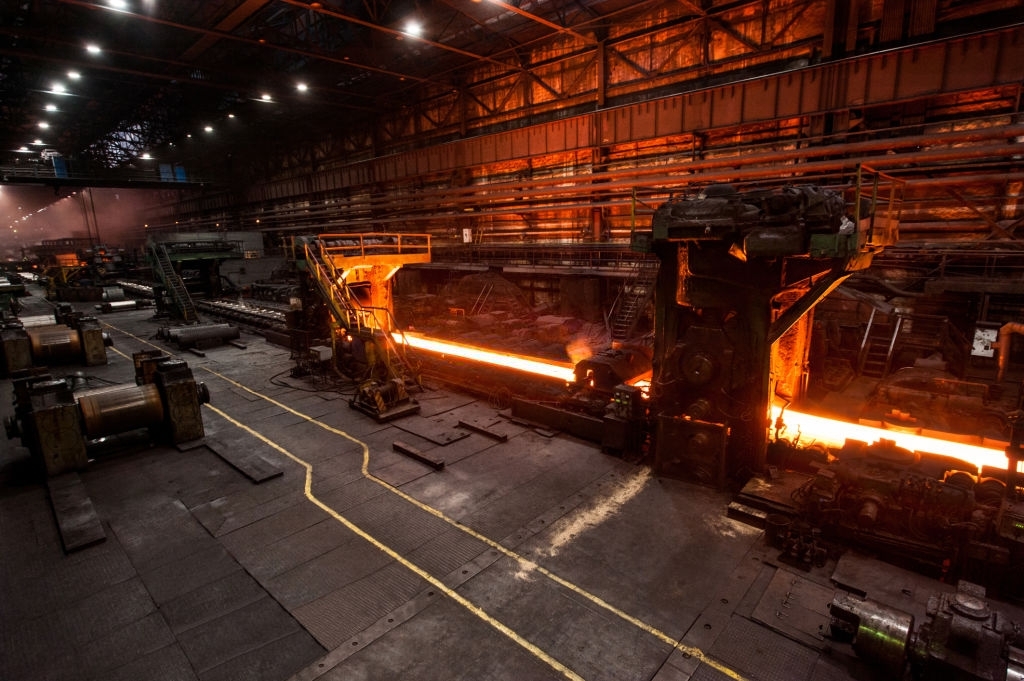
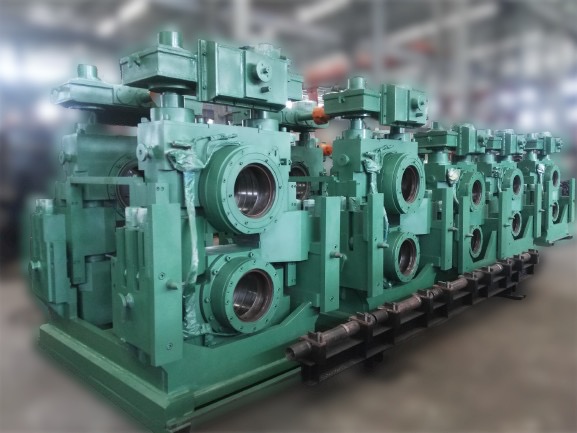
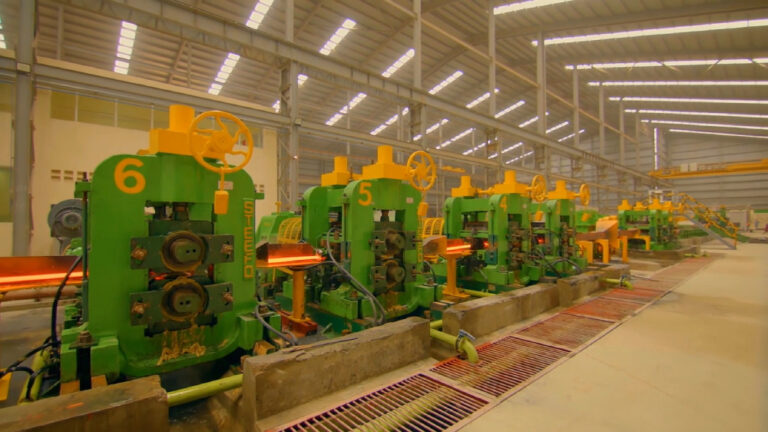
In the fast-evolving global steel industry, expansion is no longer just an option. It is a strategic necessity. For Indian manufacturers in particular, rising domestic demand, rapid infrastructure development, and global competitiveness are creating a strong push for scaling up steel production. Among the critical components of any expansion plan, choosing the right rolling mill stands out as one of the most decisive factors for long-term success. Rolling mills are at the heart of steel plants, ensuring that raw steel is transformed into market-ready products efficiently and cost-effectively.

For businesses planning to expand their steel plant, selecting the right rolling mill is not merely about buying machinery. It is about future-proofing the plant, optimising productivity, and ensuring sustainable growth. This guide explores the key aspects of expansion, types of rolling mills available, and the most important considerations when making this high-impact decision.

Basic of the Steel Plant Expansion Process

What Does Steel Plant Expansion Involve?

Expanding a steel plant goes beyond adding more production lines. It usually involves three critical aspects:

  1. Capacity Increase: Boosting output by integrating larger or additional rolling mills to handle higher volumes of steel products.
  2. Technology Upgrades: Incorporating modern automation, advanced hot rolling techniques, and digital monitoring systems for greater efficiency.
  3. Infrastructure Expansion: Enhancing power supply, water systems, storage facilities, and workforce management to support the increased load.

Benefits of Expanding a Steel Plant

  • Higher Production Levels: Expansion allows manufacturers to meet rising domestic and international demand without compromising timelines.
  • Improved Product Quality: Modern rolling mills, especially hot rolling mills, enhance the precision, finish, and uniformity of steel products.
  • Energy Efficiency: New-age mills are designed with eco-friendly technologies, reducing fuel consumption and minimising wastage.
  • Market Competitiveness: Expansion allows steel producers to diversify their product range and cater to varied industries, from construction to automotive.

Key Challenges in Expansion

While expansion offers significant rewards, it also comes with challenges:

  • Space Limitations: Setting up new rolling mills requires optimised plant layout and land planning.
  • Budget Constraints: Balancing high capital investment with expected returns is a major decision point.
  • Skilled Workforce: Training operators to handle advanced machinery is critical for achieving efficiency.
  • Regulatory Compliance: Expansion must align with environmental and safety regulations in India and globally.

Types of Rolling Mills for Expansion

When expanding a steel plant, one of the most important decisions is choosing the right type of rolling mill. Each mill type has unique advantages depending on production goals, product mix, and cost considerations.

Hot Rolling Mills

Hot rolling mills are the backbone of steel plant expansion projects. These mills roll steel at high temperatures, above the recrystallisation point, making the material easier to shape and produce in bulk.

Advantages:

  • High production capacity—ideal for large-scale expansion.
  • Ability to process a wide variety of steel grades.
  • Produces steel with excellent mechanical properties.

Ideal Applications:

  • Construction steel, railway tracks, and automotive components.

Universal or Combination Mills

For plants looking to diversify, universal or combination mills offer flexibility in producing different steel products, including beams, channels, and flats, without the need for multiple setups.

Advantages:

  • Versatility to handle multiple product profiles.
  • Reduced downtime with faster product changeovers.
  • Cost-effective for plants catering to varied industries.

Ideal Applications:

  • Plants targeting a broader market mix, including infrastructure, engineering, and export sectors.

Factors to Consider Before Choosing a Rolling Mill

When expanding a steel plant, choosing the right mill requires balancing production needs, costs, and long-term efficiency. Here are the critical factors:

1. Production Capacity

Expansion should directly align with your long-term output goals. If the demand forecast indicates consistent growth, investing in a larger hot rolling mill may provide better scalability.

2. Material Specifications

Your choice depends on the steel rolling requirements, such as product size, thickness, and grade. For plants handling specialised alloys or diverse profiles, universal mills may be more suitable.

3. Energy Efficiency & Sustainability

Modern rolling mills come with eco-friendly technologies such as regenerative burners and energy recovery systems. Energy-efficient machinery not only lowers operational costs but also helps meet global sustainability goals.

4. Cost & ROI Analysis

While advanced mills demand higher upfront investment, they usually offer lower long-term maintenance and higher productivity. A detailed ROI analysis ensures that the expansion remains profitable.

5. Technological Features

Automation, digital monitoring, and predictive maintenance are now essential features. Smart steel rolling systems improve quality control, reduce downtime, and extend equipment life.

Planning and Execution of Steel Plant Expansion

Expanding a steel plant is a high-stakes investment that requires careful planning and flawless execution. A structured approach ensures that the expansion aligns with business objectives while minimising risks and downtime.

Step-by-Step Approach

  1. Feasibility Study: Before investing in new rolling mills, it is crucial to conduct a feasibility analysis. This involves assessing current production levels, forecasting demand, evaluating financial viability, and analysing space and infrastructure availability.
  2. Equipment Selection: Choosing the right hot rolling mill or combination mill is the backbone of the expansion plan. The decision should consider product mix, energy efficiency, and automation features to guarantee long-term adaptability.
  3. Procurement: Partnering with a trusted rolling mill manufacturer ensures reliable machinery, timely delivery, and after-sales support. This stage also includes negotiating cost, warranty, and service agreements.
  4. Installation: Precision in installation is critical. A well-coordinated setup reduces errors, ensures alignment with existing plant systems, and prepares the groundwork for smooth operations.
  5. Commissioning: Once the equipment is installed, trial runs are conducted to test production capacity, product quality, and energy efficiency. This stage validates that the new steel rolling setup is fully functional before scaling up.

Role of Project Management and Expert Consultation

A dedicated project management team plays a vital role in coordinating vendors, engineers, and the workforce during the expansion. Consulting experts from experienced rolling mill manufacturers such as The Steefo Group can also help optimise plant layouts, improve automation strategies, and ensure compliance with regulatory standards.

Minimising Downtime During Expansion

Downtime during expansion directly affects revenue and customer commitments. Staggered implementation, pre-fabricated components, and phased commissioning can help reduce disruptions. Many advanced rolling mills are designed for quick integration, allowing plants to expand without major production halts.

Trends and Innovations in Steel Rolling

The steel industry is undergoing rapid transformation, and expansion projects provide an opportunity to integrate the latest technologies.

Latest Advancements in Rolling Mills

  • High-Speed Rolling: Modern mills achieve higher throughput while maintaining precision, ideal for meeting rising demand.
  • AI-Assisted Monitoring: Artificial intelligence and machine learning detect defects in real time, reducing waste and ensuring consistent product quality.
  • Energy-Efficient Mills: New hot rolling mills use regenerative systems and optimised heating technologies to cut fuel consumption and lower operating costs.

How Innovations Enhance Quality and Efficiency

Upgraded steel rolling systems improve dimensional accuracy, surface finish, and mechanical strength. Automation minimises human error, while predictive maintenance reduces unplanned downtime. The result is not only higher productivity but also greater consistency across large volumes.

Sustainability and Digital Transformation in Steel Plants

Sustainability has become a non-negotiable factor in steel plant expansion. Energy recovery systems, reduced CO₂ emissions, and recycling initiatives are now integral to modern mill designs. Additionally, digital transformation through IoT-enabled sensors, cloud-based analytics, and smart dashboards gives plant operators complete visibility into performance metrics, energy usage, and maintenance schedules.

By embracing these innovations, expanding steel plants can secure long-term competitiveness, meet stringent global standards, and cater to the growing demand for eco-friendly steel products.

Frequently Asked Questions

1. What are the key benefits of expanding a steel plant with modern rolling mills?

Expanding a steel plant with advanced rolling mills increases production capacity, improves product quality, and enhances energy efficiency. Modern hot rolling mills also reduce operational costs through automation and sustainable technologies, helping steel manufacturers stay competitive in growing domestic and global markets.

2. How do I choose the right hot rolling mill for steel plant expansion?

Choosing the right hot rolling mill depends on your plant’s production goals, material specifications, and budget. Consider factors like output capacity, energy efficiency, automation features, and long-term return on investment. Consulting with an experienced rolling mill manufacturer such as The Steefo Group ensures the right fit for your expansion project.

3. What challenges should steel plants consider during expansion?

Common challenges during steel plant expansion include space limitations, high capital investment, regulatory compliance, and workforce training. Minimising downtime is also critical. Careful planning, expert consultation, and phased commissioning of new rolling mills can help overcome these hurdles and ensure smooth, efficient expansion.

4. What new technologies are shaping the future of steel rolling mills?

Modern steel rolling is being transformed by innovations such as AI-assisted monitoring, high-speed rolling, and energy-efficient designs. These technologies improve dimensional accuracy, surface finish, and operational efficiency while reducing energy consumption, making them essential for sustainable steel plant expansion.

5. How can steel plants reduce downtime during expansion projects?

To minimise downtime, steel plants can adopt phased installation, use pre-fabricated components, and schedule expansions during planned maintenance periods. Partnering with expert rolling mill manufacturers also ensures faster commissioning, seamless integration with existing systems, and uninterrupted production during hot rolling mill upgrades.

Expand Your Steel Plant Today with The Steefo Group

Your steel plant expansion deserves a partner who understands not just machinery, but long-term success. At The Steefo Group, we specialise in designing and delivering world-class hot rolling mill solutions tailored to your production goals. Whether you want to increase capacity, enhance product quality, or integrate advanced automation, our expertise ensures your plant is future-ready.

From feasibility studies and mill selection to installation, commissioning, and after-sales support, we provide end-to-end solutions that minimise downtime and maximise return on investment. Backed by decades of industry experience, The Steefo Group empowers you to embrace energy-efficient technology, sustainability, and digital transformation with confidence.

Don’t let expansion challenges slow you down. Partner with India’s trusted rolling mill manufacturer and take your steel plant to the next level.

Contact The Steefo Group today and start building your path to long-term success!

Categories
Blogs Rolling Mill

In the competitive world of steel production, efficiency, quality, and reliability determine long-term success. While equipment is at the heart of any steel plant, the relationship between a plant and its suppliers defines how well that equipment performs throughout its lifecycle. Traditionally, rolling mill manufacturers were viewed simply as suppliers of machinery—delivering equipment, fulfilling warranties, and moving on. But in today’s evolving industry, that perception is shifting rapidly.

Forward-looking manufacturers are no longer just vendors; they are technology partners. They provide expertise, continuous support, and innovative solutions that help steel plants remain competitive, sustainable, and future-ready. This partnership approach transforms rolling mills from just being operational assets into long-term enablers of growth.

The Traditional View of Rolling Mill Manufacturers

For decades, rolling mill manufacturers were often considered only as vendors in the procurement process. Their role was limited to designing and delivering machines that met basic technical requirements. Once installation was complete, responsibility largely shifted to the plant operators.

This transactional relationship came with several challenges:

  • Lack of strategic alignment: The focus was on immediate costs rather than long-term value creation.
  • Operational inefficiencies: Plants often faced unexpected downtimes due to limited after-sales support.
  • Knowledge gaps: Without continued guidance, operators struggled to optimise rolling mills for consistent performance.

When steel plants treat the purchase of machinery as a one-time transaction, they miss opportunities for efficiency, innovation, and cost savings. The result is higher operational risk, unplanned expenditures, and, over time, reduced competitiveness in the market.

Rolling Mill Manufacturers as Technology Partners

Modern rolling mill manufacturers such as The Steefo Group have redefined their role in the steelmaking ecosystem. Instead of being equipment suppliers, they are now long-term collaborators who work alongside steel producers to ensure operational excellence.

This partnership approach involves:

  • Collaboration from design to commissioning: Manufacturers consult with plants during the design phase to customise rolling mills for specific production needs. They provide insights on layout, automation, and material flow to improve efficiency.
  • Risk reduction through expertise: By partnering with experienced manufacturers, plants minimise technical risks such as mismatched designs, incorrect sizing, or underperforming equipment.
  • Ongoing performance assurance: Through monitoring, training, and after-sales services, manufacturers help steel plants achieve consistent quality and productivity.

By viewing rolling mill manufacturers as technology partners, steel plants gain not just equipment but also a roadmap for continuous improvement and innovation.

Lifecycle Support: Why It Matters for Steel Plants

One of the most valuable aspects of partnering with rolling mill manufacturers is lifecycle support. Steel plants operate in demanding environments where downtime can translate into significant financial losses. Continuous support ensures rolling mills remain productive, efficient, and safe throughout their operational life.

Key elements of lifecycle support include:

  • Maintenance schedules and predictive servicing: Manufacturers develop preventive maintenance plans tailored to the specific design of the mill. With predictive technologies, they can anticipate failures before they occur, minimising downtime.
  • Spare parts availability and supply chain assurance: Having a reliable partner ensures that critical spare parts are always accessible, reducing delays in case of breakdowns.
  • Training and skill development: Skilled operators are essential for optimal mill performance. Manufacturers often provide training programs to equip plant personnel with the knowledge to run, maintain, and troubleshoot the equipment effectively.
  • Extending equipment life: Through inspections, refurbishments, and upgrades, manufacturers help plants maximise the lifespan of their rolling mills, delaying the need for costly replacements.

For example, a plant that integrates lifecycle support may achieve 20–30% longer equipment life compared to those relying only on internal maintenance teams. This translates into higher return on investment and more predictable operations.

Upgrades and Plant Modernisation

The steel industry is evolving at a pace never seen before, driven by rising demand, stricter sustainability standards, and rapid digital transformation. In this environment, plant modernisation is not just an option—it’s a necessity.

Rolling mill manufacturers play a central role in this transformation by offering:

  • Automation upgrades: Advanced control systems improve precision, reduce waste, and ensure consistent quality in steel output.
  • Digital controls and IoT integration: Smart technologies enable real-time monitoring, predictive analytics, and data-driven decision-making. This leads to improved efficiency and reduced downtime.
  • Energy efficiency improvements: Manufacturers design modernisation solutions that lower energy consumption, aligning with global sustainability goals and reducing operational costs.

By providing modernisation pathways, rolling mill manufacturers enable steel plants to remain agile and competitive in a market where efficiency and sustainability are crucial differentiators.

The ROI of Long-Term Partnerships with Rolling Mill Manufacturers

When steel producers view manufacturers as long-term partners rather than one-time vendors, the return on investment (ROI) extends far beyond the initial purchase price of the machinery. Partnering with experienced rolling mill manufacturers creates measurable and intangible benefits that directly influence profitability and competitiveness.

  • Cost savings through reduced downtime: Unexpected breakdowns can halt production and cause huge financial losses. With lifecycle support, predictive maintenance, and a strong spare parts network, rolling mills operate with fewer interruptions. Even a single day of avoided downtime can offset months of maintenance costs.
  • Better quality steel output: Quality directly impacts the reputation of a steel producer. Partnering with manufacturers ensures rolling mills are optimised for precision, resulting in consistent product quality. This translates into higher customer satisfaction, fewer rejections, and stronger market competitiveness.
  • Faster response to industry shifts: Steel demand is influenced by global infrastructure projects, construction booms, and technological changes. Rolling mill manufacturers provide upgrades and modernisations, such as automation and IoT integration, that enable plants to adapt quickly to market demands without overhauling the entire setup.
  • Tangible vs. intangible returns: Tangible benefits include extended equipment lifespan, improved productivity, and lower energy consumption. Intangible benefits, while harder to measure, are equally valuable: enhanced trust between partners, smoother collaboration, faster innovation adoption, and a reputation for reliability in the global marketplace.

Together, these outcomes prove that a partnership model with rolling mill manufacturers delivers far greater ROI than transactional vendor relationships.

Key Qualities to Look for in a Rolling Mill Manufacturer Partner

Not all rolling mill manufacturers offer the same level of expertise or commitment. When selecting a partner, steel producers should evaluate qualities that ensure long-term alignment with their business objectives.

  • Proven expertise in different types of rolling mills: A capable partner should have a strong track record across various mill types, hot rolling mills, cold rolling mills, section mills, and bar mills. This ensures they understand diverse operational requirements and can tailor solutions accordingly.
  • Global service network and responsiveness: In today’s interconnected world, steel producers may serve multiple regions. A rolling mill manufacturer with a global service footprint ensures quick support, wherever the plant is located. Responsiveness in emergencies is critical to keeping production uninterrupted.
  • R&D and innovation focus: The steel industry is undergoing digital transformation, with automation, artificial intelligence, and sustainability playing central roles. Manufacturers investing in research and development provide forward-looking solutions that future-proof their clients’ operations.
  • Transparency in after-sales support: Clear communication, documented service agreements, and visible commitment to spare parts availability are markers of a reliable partner. Plants should look for manufacturers who prioritise long-term relationships over short-term sales.

Choosing a rolling mill manufacturer with these qualities lays the foundation for a partnership that can withstand evolving industry challenges.

Why Buyers Should Shift from Vendor to Partner Mindset

For many steel producers, the greatest challenge is not technical—it’s strategic. Viewing manufacturers as transactional vendors may appear cost-effective in the short term, but it often limits growth potential. A partner mindset brings significant long-term benefits:

  • Future-proofing investments in steel production: Steel plants that collaborate with manufacturers gain access to regular upgrades, training, and modernisation solutions. This prevents technology obsolescence and ensures that the rolling mills remain competitive even a decade after installation.
  • Building trust and technical alignment: When manufacturers work closely with plant teams, they gain a deeper understanding of operational challenges. This alignment allows them to recommend customised solutions, streamline processes, and ensure reliability. Over time, mutual trust reduces friction in decision-making and accelerates project execution.
  • Long-term competitive advantage in global steel markets: With globalisation, steel producers must meet international quality standards while controlling costs. A strong partnership with a manufacturer enables plants to deliver consistent, high-quality output while maintaining operational efficiency. This creates a sustainable edge over competitors relying on one-off purchases.

Shifting to a partnership model is not only about equipment, it’s about ensuring resilience and adaptability in an unpredictable global market.

Partner with a Leading Rolling Mill Manufacturer for Long-Term Success

In today’s dynamic steel industry, equipment alone cannot guarantee success. You need a partner who stands with you at every step. The Steefo Group, a trusted name among leading rolling mill manufacturers, goes beyond machinery to deliver expertise, innovation, and end-to-end support that empower your plant for the future. From design consultation and installation to lifecycle maintenance, modernisation, and operator training, Steefo ensures your rolling mills achieve peak performance year after year.

Future-proof your investments with a partner that acts as your true technology ally. With Steefo by your side, you can enhance efficiency, ensure superior steel quality, minimise downtime, and stay ahead of industry shifts.

Ready to elevate your steel plant’s potential? Choose The Steefo Group and unlock long-term competitive advantage. Call us at +91 87589 98607 or send us an email to marketing@thesteefogroup.com for further information about our products and services.

Categories
Blogs Rolling Mill


Steel rolling mills have played a pivotal role in the industrialization of the world. Rolling steel was invented in the late 17th century in England and quickly became the preferred method for shaping and forming metal. The first rolling mills were small and crude, but they laid the foundation for the massive, automated mills we see today.

This article discusses more about the history, evolution, and interesting facts of steel rolling mills. 

Early Steel Rolling Mills

The first rolling mills were used for shaping metals like copper, brass, and tin. These mills were powered by water or animal power and were used primarily for making sheets of metal. It wasn’t until the 18th century that steel began to be rolled in a similar fashion. The first steel rolling mill was built in the United States in 1830 and was powered by a steam engine.  

Industrial Revolution & Steel Rolling Mills

The invention of the Bessemer process in the mid-19th century revolutionized the steel-making industry. This process allowed for the mass production of steel, which in turn drove the development of larger and more efficient steel rolling mills. As the demand for steel grew, so did the need for faster and more efficient methods of production.

Specialization in Steel Rolling Mills

As the steel industry continued to grow, specialized rolling mills were developed to handle specific types of products. For example, in the late 19th century, the first wire mill was developed to produce wire rods for fencing and other applications. Other mills were developed to produce sheet metal, structural steel, and other products.

Rise of Mass Production & Automation

The 20th century saw the rise of mass production and automation in the steel industry. Rolling mills became larger and more automated, with computer-controlled systems that could produce steel at an unprecedented rate. The development of electric arc furnaces and continuous casting machines made producing steel from scrap metal possible, further increasing efficiency and reducing costs.

Steel rolling mills are today’s most sophisticated and advanced industrial facilities. They are capable of producing high-quality steel products at incredible speeds and with remarkable precision. Modern rolling mills are equipped with state-of-the-art technologies like laser measurement systems, computer-controlled roll gap adjustment, and automated material handling systems.               

Rolling Mill Manufacturers

Many rolling mill manufacturers are operating around the world, each with their own unique history and expertise. These companies, including the Steefo Group, have been at the forefront of technological innovation in the steel industry for decades and continue to push the boundaries of what is possible.       

World War II and Steel Rolling Mills

The steel industry played a vital role in the outcome of World War II. Steel was used to build tanks, ships, and planes, and the demand for steel increased dramatically during the war. Steel rolling mills were instrumental in meeting this demand, producing high-quality steel products essential for the war effort.              

During the war, many steel rolling mills were converted for military use. Some mills were used to produce munitions, while others were used to manufacture parts for airplanes and ships. The steel industry worked tirelessly to meet the demand for steel during the war, and their efforts played a significant role in securing victory for the Allied powers.              

Modern Steel Rolling Mills

Modern steel rolling mills are some of the most advanced and sophisticated industrial facilities in the world. They are home to state-of-the-art technologies that allow them to produce high-quality steel products at incredible speeds and with remarkable precision. Some of the most notable advancements in modern rolling mills include: 

Computer-Controlled Systems

Modern rolling mills are equipped with computer-controlled systems that allow operators to monitor and adjust the mill’s performance in real time. These systems can detect and correct any errors in the rolling process, ensuring that the steel products produced are of the highest quality.  

Laser Measurement Systems

These help in accurately measuring the thickness and profile of steel products during the rolling process. This allows operators to adjust the rolling to ensure the final product meets the desired specifications.

Automated Material Handling Systems

These move steel products around the rolling mill. These systems can easily transport heavy steel products, reducing the need for manual labor and increasing efficiency.

Roll Gap Adjustment

Modern rolling mills are equipped with computer-controlled systems that adjust the gap between the rolls to ensure the steel product is rolled to the desired thickness and profile.

Laser Measurement Systems

They measure the thickness and width of the steel product as it passes through the rolling mill. These systems provide accurate measurements and help to ensure that the product meets the required specifications.  

High-Speed Rolling

Modern rolling mills are capable of producing steel at incredible speeds. Some mills can produce steel at speeds of up to 100 meters per second, allowing for the production of large quantities of steel quickly.

Continuous Casting Machines

They help in producing steel from liquid metal. These machines allow for the production of high-quality steel products with minimal waste.

Environmental Controls

Modern steel rolling mills are designed with environmental controls in mind. These controls help to reduce emissions and ensure that the mill operates in an environmentally friendly way.

Sustainability in Steel Rolling Mills

Sustainability is an important consideration for modern mills. Here are some of the ways that mills are working to reduce their environmental impact:           

Energy Efficiency

Steel rolling mills use a lot of energy, so improving energy efficiency is important. Mills are investing in energy-efficient technologies and equipment to reduce energy consumption and costs.

Recycling

Steel is one of the most recyclable materials in the world. Rolling mills are working to increase the amount of recycled steel used in their products, reducing the need for new steel production and minimizing waste.

Emissions Reduction

Steel production can result in the release of greenhouse gases and other pollutants. Rolling mills are investing in emissions control technologies to reduce their environmental impact.

Water Conservation

Rolling mills use a lot of water in their operations. Mills are working to conserve water by reusing and recycling it wherever possible.  

Waste Reduction

Rolling mills generate a lot of waste, including scrap metal and other materials. Mills are working to reduce their waste generation and find ways to reuse or recycle the materials that they do generate.  

Interesting Facts About Steel Rolling Mills 

Steel rolling mills have become an indispensable part of modern industry, producing a wide range of steel products for various applications. Let’s explore some of the interesting facts you probably didn’t know.

Fact 1

Leonardo da Vinci’s sketch of a rolling mill in the 15th century was just the beginning of the evolution of steel rolling mills. Henry Cort further developed the concept, who patented the grooved version for producing bar iron in 1783. 

Fact 2

The production of heavy plates requires a roll surface width of more than 2800mm. This means that modern rolling mills need to be capable of producing wide sheets of steel with high accuracy and consistency. The demand for such wide plates has increased in recent years due to the growth of infrastructure projects in various industries.

Fact 3

The maximum width of a rolling mill to date is 5500mm, which is used in megaprojects like the construction of an aircraft carrier. Such wide mills can produce large sheets of steel used in the construction of large-scale projects. These highly automated mills use advanced technology to produce high-quality steel products.

Fact 4

China has the largest HRP rolling mills, wider than 5000mm. HRP rolling mills, or Hot Rolled Plate mills, produce high-quality plates for various industries. China is the world’s largest steel producer and has invested heavily in its steel industry, resulting in the construction of some of the world’s largest and most advanced rolling mills.

Fact 5

Steel rolling mills have evolved over time and have become more advanced in terms of technology and automation. Modern developments use advanced sensors and computer systems to monitor and control the entire production process. This results in improved accuracy, consistency, and efficiency, which ultimately leads to higher-quality steel products.

FAQs

1. What is a rolling mill in the steel industry?

A rolling mill is a facility where metal, especially steel, is passed through a series of rollers to reduce its thickness, make it uniform, and shape it into products like bars, sheets, or coils. It plays a crucial role in metal forming processes across various industries.

2. How did the concept of rolling mills originate?

The earliest rolling mills date back to the 1500s in Europe, where they were used to roll lead and tin. However, it wasn’t until the 18th century, during the Industrial Revolution, that rolling mills for steel production became more widespread and efficient.

3. What are the main types of rolling mills?

There are several types of rolling mills, including two-high, three-high, four-high, cluster mills, and tandem rolling mills. Each type serves specific industrial needs depending on the thickness and material being processed.

4. How has the technology in rolling mills evolved over time?

Rolling mill technology has advanced significantly, moving from manual and steam-powered machines to automated, high-precision mills. Modern rolling mills now include real-time monitoring, computerized control systems, and energy-efficient practices.

5. What is the importance of rolling mills in the steel industry?

Rolling mills are central to the steel manufacturing process. They help shape raw steel into usable forms, such as beams, bars, and sheets, which are then used in construction, automotive, infrastructure, and machinery industries.

6. How do hot rolling and cold rolling differ?

Hot rolling involves rolling steel at high temperatures (above recrystallization), making it easier to shape. Cold rolling occurs at or near room temperature, offering better surface finish, tighter tolerances, and increased strength.

7. What materials are processed in rolling mills apart from steel?

While steel is the most common material, rolling mills are also used to process aluminum, copper, brass, and other metals, depending on the application and industry.

8. Are rolling mills still relevant in today’s automated industry?

Absolutely. Modern rolling mills are highly automated and essential in producing consistent, high-quality steel products. Their efficiency and scalability make them indispensable in today’s global steel supply chain.

9. What are some interesting historical facts about rolling mills?

  • The first patented rolling mill was invented in 1783 by Henry Cort in the UK.
  • In the early 20th century, rolling mills helped accelerate infrastructure development worldwide.
  • Early mills were water-powered before transitioning to steam and later electricity.

10. Where are the major steel rolling mills located globally?

Major steel rolling mills are located in countries like China, India, the United States, Japan, and Germany. India, in particular, is a growing hub due to its expanding infrastructure and industrial base.

We Are a Leading Steel Rolling Mill Manufacturers

Since 1976, The Steefo Group has been playing a pioneering role in domestic and international markets, innovating, developing, and adopting new practices. We provide our clients with the highest quality steel products and services. With years of experience in the industry, we have developed a reputation for excellence, innovation, and reliability.

We take pride in our advanced technology, state-of-the-art facilities, and highly skilled workforce, which enable us to deliver high-quality products and services to our clients. Whether you are in the construction, automotive, or aerospace industry, we have the expertise and resources to meet your specific steel requirements.      

If you are looking for a reliable and trustworthy steel rolling mill manufacturer, look no further than us. Contact us today to learn more about our products and services and how we can help you achieve your business goals. We look forward to hearing from you and working with you to achieve mutual success.  

Categories
Blogs Rolling Mill

Rolling mills are critical products for the manufacturing industry. So if you have been searching the web to find all you can about TMT bar rolling mills, their applications in the manufacturing industry and the benefits they offer, read on. Here we bring to you everything you should know about TMT rolling mills – particularly about how they can help you reduce manufacturing costs.

What is a Rolling Mill and What is it Used For?

In simple words, TMT rolling bars are used in the metal forming process. They are primarily responsible for reducing the thickness of metal and making it uniform across the length and breadth of metal, using a process called rolling. The rolling process also adds strength and durability to the steel. TMT bars that you see around you at construction sites are a product of this rolling process.

Rolling is of two types – Hot Rolling Process and Cold Rolling Process. Both processes are equally rewarding, and they, in their capacities, process more tonnage than any other manufacturing process.

However, there are distinct differences in metals that have been hot rolled or cold rolled. The hot rolling process makes the product more pliable and the surface of the metal, post-treatment, is not shiny. On the other hand, cold rolling yields a harder finished product with a distinct shine on the surface.

What Are the Benefits of Rolling Mills?

The rolling aspect in the TMT manufacturing process offers several benefits – the most critical of them being the reduction in material wastage. Here is a glance at the general benefits of rolling:

  1. Rolling ensures that the metal has uniform thickness across its length and breadth
  2. A rolling mill saves you the cost of purchasing different and separate equipment. The same rollers can be used for the production of a wide range of components
  3. Close tolerance is possible for components in the rolling
  4. Saves time as high-speed production takes place in the rolling

How Can Rolling Reduce Costs?

Now that you have understood the generic benefits of using TMT rolling mills and the rolling process, here is the information you have been looking for all this while. Can rolling reduce costs? How?

Yes, rolling can save you a lot of money and here is how:

One of the most important products that come out of the rolling process is TMT Bars. These TMT bars are a preferred choice for most builders because of the strength, flexibility and durability it offers. So in a way, rolling mills can serve you a great deal by saving loads of money. Here is how:

1. Lesser Quantity: 

TMT bar manufacturing machines lend TMT bars high tensile strength, which means they are stronger than any other ordinary steel. So TMT rolling mills help you by causing a tremendous drop in the amount of steel required for production.

2. Reduced Labour: 

Through the rolling process, high-performance TMT bars are made. These bars are extremely malleable, which means that they are easier in terms of handling by construction labour and easily transportable. This, significantly, reduces labour and construction costs.

3. Maintenance Savings: 

TMT Bars made in TMT rolling mills are corrosion-resistant. As a result, they stay robust longer even in the face of seasonal wear and tear. Hence, they offer greater RoI and require less maintenance and repair.

4. Protection During Earthquakes

One of the major concerns that manufacturers have to address during the production of construction materials is to ensure that they are earthquake resistant. The TMT manufacturing process strengthens TMT bars to ensure that they can withstand earthquakes efficiently.

5. Flexibility/Usage Benefits

TMT bars are extremely strong, offer flexibility and weldability without compromising on the core strength. This allows builders to not only build stronger structures but also experiment with various designs.

6. Transportation Savings

TMT bars are extremely lightweight and flexible, hence their transportation is easy. As a result, there are lesser labour and transportation costs.

If you are looking for the top TMT manufacturers in India to explore products, you can check out the products by the Steefo Group – one of the top 10 TMT steel companies in India.

FAQs

Q1: What is a TMT rolling mill and how does it impact manufacturing efficiency?

A: A TMT rolling mill is a specialized industrial setup used to produce Thermo-Mechanically Treated (TMT) bars. These mills are designed for high-speed production, energy efficiency, and minimal material wastage—helping manufacturers reduce overall costs while maintaining the strength and quality of the bars.

Q2: How does a TMT rolling mill help reduce manufacturing costs?

A: A modern TMT bar rolling mill reduces costs by minimizing energy consumption, improving automation, reducing raw material waste, and optimizing manpower. These factors collectively lower production expenses without compromising the quality of the final product.

Q3: What factors affect the TMT bar manufacturing plant cost?

A: The TMT bar manufacturing plant cost depends on several factors, including production capacity, technology level, equipment quality, plant layout, and automation features. Choosing energy-efficient machinery and optimized process flows can significantly reduce long-term operational expenses.

Q4: How much does a typical TMT rolling mill project cost?

A: The TMT rolling mill project cost varies based on scale and specifications. For small-capacity units, costs may start around a few crores INR, while fully automated high-capacity plants can go significantly higher. It’s essential to work with experienced plant manufacturers to get an accurate estimate based on your requirements.

Q5: What is the process involved in TMT bar manufacturing?

A: The TMT bars manufacturing process involves heating raw steel billets, passing them through rolling stands for shaping, and then subjecting them to controlled quenching and self-tempering. This results in strong outer surfaces and ductile cores, ideal for construction.

Q6: Can a bar rolling mill be customized to meet specific production needs?

A: Yes, a bar rolling mill can be fully customized based on production goals, bar sizes, automation levels, and available space. Leading manufacturers offer modular mill designs that can grow with your business.

Q7: How do automation and technology affect the cost-efficiency of TMT rolling mills?

A: Advanced automation in TMT rolling mills leads to fewer errors, consistent quality, reduced labor dependency, and better material utilization—all of which contribute to lower manufacturing costs over time.

Q8: What is the ROI timeline for setting up a TMT bar manufacturing plant?

A: The return on investment (ROI) depends on production volume, market demand, and operational efficiency. A well-designed TMT bar manufacturing plant typically achieves ROI within 3–5 years, especially if it incorporates cost-saving features like energy recovery systems and automated controls.

Q9: What are the main challenges in setting up a TMT bar rolling mill?

A: Challenges include high initial investment, regulatory compliance, sourcing quality machinery, and skilled manpower. However, these can be mitigated by partnering with experienced manufacturers who offer turnkey solutions for TMT rolling mills.

Q10: How to choose the right partner for your TMT rolling mill project?

A: Look for a partner with proven expertise in TMT bar rolling mill design, engineering, installation, and after-sales support. A reliable provider will help optimize plant layout, reduce TMT rolling mill project cost, and ensure smooth operations.

Reach Out for High-Quality and High-Performance Products

The Steefo Group has been the most trusted name in precision designing, manufacturing and providing top-notch products and solutions in the field of steel rolling for four decades. They are also pioneers in providing consultancy and manufacturing of rolling mill plants

For queries related to TMT bar rolling bars, you can reach out to us by calling us at +919824076873 or write to us at marketing@thesteefogroup.com. You can also check with our consultants to understand TMT rolling mill project costs! We would be happy to help!