Categories
Blogs Rolling Mill

Choosing the right rolling mill for your business is one of the most important decisions you will make in the steel production process. The performance and efficiency of the rolling mill will affect the quality of your products, the speed of your manufacturing process, and ultimately, your business’s bottom line. Whether you are producing plates, bars, rods, or coils, selecting the right mill requires a comprehensive understanding of your production needs, material requirements, and product specifications.

In this blog post, we will guide you through the factors that matter when selecting the right rolling mill, with a particular focus on hot rolling mills. We will also discuss how The Steefo Group, a leader in the hot rolling mill industry, can provide solutions that align with your specific needs.

The Significance of Choosing the Right Hot Rolling Mill

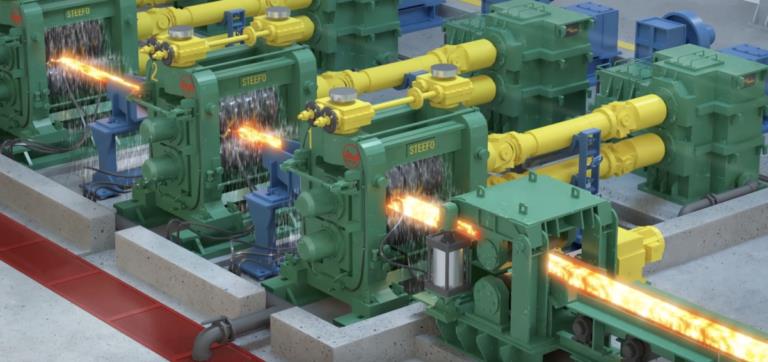
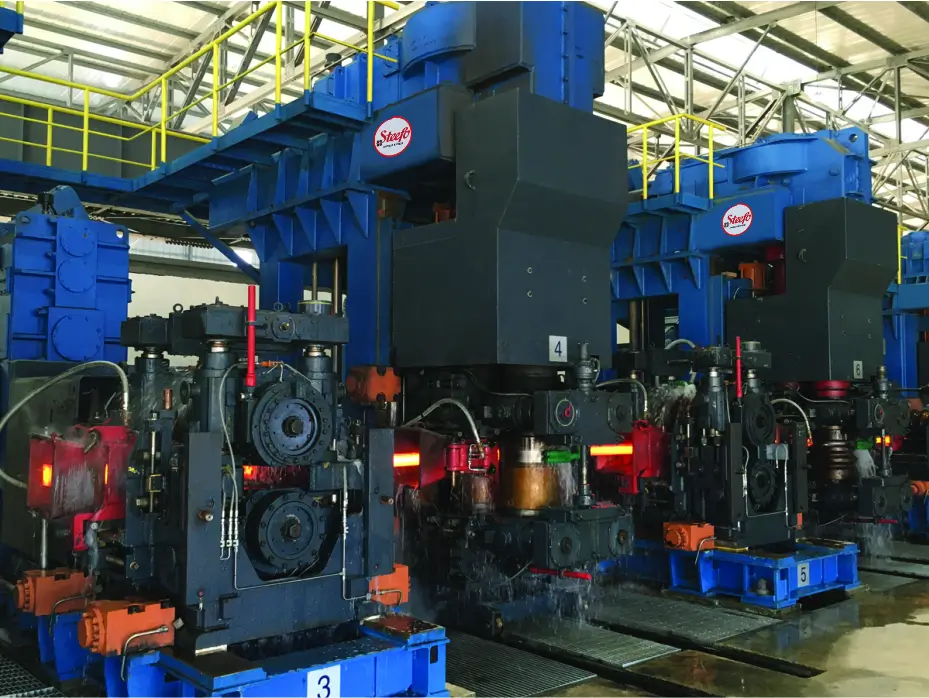
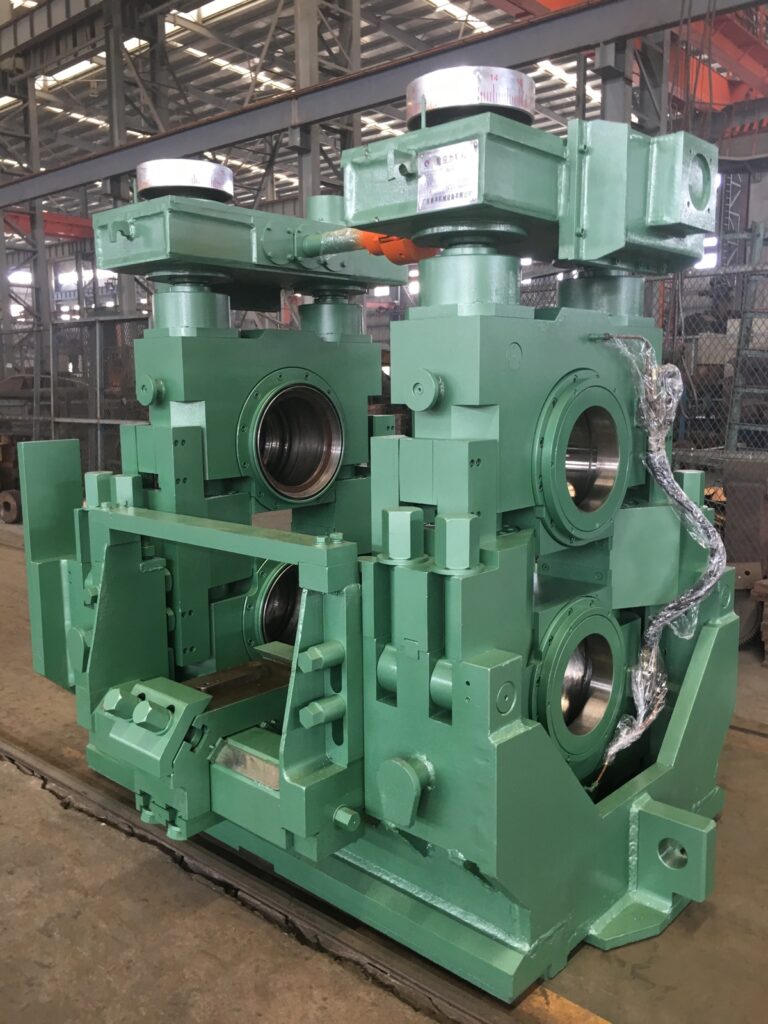
The rolling mill is the heart of steel production in many industries. Hot rolling mills, specifically, are used to process steel at high temperatures, shaping the metal into different forms, such as sheets, plates, coils, and bars. The right mill not only determines the quality of the final product but also influences the efficiency, cost, and overall competitiveness of your business.

When choosing a hot rolling mill, several factors must be considered, ranging from the type of steel you plan to process to the scale of production and the specific product requirements. Making the correct choice ensures that your operations are efficient, cost-effective, and able to meet the needs of your customers, both now and in the future.

Key Factors to Consider When Choosing a Hot Rolling Mill

Steel Grade: Impact on Mill Selection

The first significant factor to consider when selecting a rolling mill is the steel grade you will process. Different grades of steel, such as carbon steel, alloy steel, stainless steel, or high-strength steel, have unique characteristics that will influence the performance of your mill. For example, stainless steel has higher alloy content and is more challenging to process than carbon steel. Therefore, you will need a mill that can handle high temperatures and pressures to produce a finished product of the required quality.

The steel grade will determine the type of equipment and features that your hot rolling mill should have. For instance, high-strength low-alloy (HSLA) steel demands precise temperature control and robust mechanical strength, which could lead you to choose a mill with advanced automation features for better control over temperature and speed.

In the case of The Steefo Group, our hot rolling mills are designed to cater to a variety of steel grades, ensuring that customers can process everything from basic carbon steels to advanced alloys with ease and efficiency. By using high-quality materials and precision engineering, Steefo ensures that each mill is optimally designed for the specific steel grade you work with.

Production Scale: Small vs. Large-Scale Operations

Another key factor in selecting the right rolling mill is your production scale. The type of mill you choose will vary depending on whether you are running a small-scale operation or a large-scale manufacturing facility.

  • Small-Scale Production: If you are running a small business, you may need a compact, lower-capacity mill that can handle smaller batches. These mills are typically more affordable and easier to maintain. Hot rolling mills designed for small-scale operations are ideal for producing specialised products or for businesses that require a high degree of flexibility.
  • Large-Scale Production: For larger facilities, you need a rolling mill that can handle high volumes of steel without compromising quality or efficiency. Hot rolling mills for large-scale production are often designed to run continuously, with a focus on automation, speed, and minimal downtime. These mills are built to withstand high-volume production demands and deliver consistent results over time.

Product Variety: Meeting Diverse Production Needs

The hot rolling mill you choose should be compatible with the types of products you plan to produce. Different products, such as plates, rods, bars, and coils, require specific equipment features. For example:

  • Plates: When producing plates, you need a mill that can handle thick slabs of steel and can provide precise thickness control. The hot rolling mill for plate production should have heavy-duty components to withstand high temperatures and pressures during rolling.
  • Wire Rods: Wire rod mills require a mill that ensures consistency in production while maintaining rigidity. The mill must be capable of running at high speeds without compromising the shape, size, or strength of the wire.
  • Bars and Coils: The production of bars and coils requires precise control over the rolling process to maintain uniformity and meet dimensional requirements. Here, high-speed mills with automated features are often the best option.

When selecting a hot rolling mill, it is crucial to match the mill’s capabilities to your product type. The Steefo Group offers customised solutions for a wide range of products, ensuring that each mill is capable of meeting the specific requirements of your manufacturing needs.

Production Process: Adaptation to Specific Needs

Each hot rolling mill is designed to meet the unique requirements of different production processes. For example, plate rolling may require a multi-pass mill, while bar rolling might need a more continuous process.

The mill’s configuration, such as the number of stands, roll arrangements, and pass design, will vary depending on whether the process involves flat or long products. By thoroughly understanding your production process, you can select the mill that best meets your needs.

Detailed Analysis of Hot Rolling Mill Process Design

Structural Type of Hot Rolling Mill

The structure of the rolling mill plays a vital role in its performance. There are several types of hot rolling mills, each suited for specific applications:

  • 2-High Mills: These are the simplest type of mills and are ideal for smaller-scale operations. They are typically used for rolling thicker products like beams or plates.
  • 4-High Mills: These mills are more versatile and are used for producing thinner products like sheets and foils. They offer better control over thickness and can be used for both ferrous and non-ferrous metals.
  • 6-High Mills: These are ideal for high-precision work and are often used in applications where accuracy is critical, such as the production of high-end alloys or fine sheets.

Each structural type has its advantages, and your choice will depend on the material properties, product thickness, and precision required for your application.

Number of Rolling Mills Required

Large-scale operations may require multiple hot rolling mills to handle various tasks simultaneously. Multiple mills can work in tandem to produce different products or to handle higher volumes of material. For example, a multi-stand mill setup allows for coiled steel to be processed efficiently, while an additional bar mill may handle steel bars.

Determining the number of mills required will depend on your production needs, material types, and the range of products you produce. The Steefo Group offers both single and multi-stand hot rolling mills that can be customised to suit your operational requirements.

Laying Method: Best Practices for Mill Layout

The layout of the hot rolling mill in your facility is crucial to maximising efficiency. A well-designed layout minimises the distance between operations, reduces material handling time, and ensures smooth production flow. Factors such as equipment placement, accessibility for maintenance, and integration with other plant operations should all be considered when designing the layout.

Technical Parameters: Speed, Temperature, and Size

Hot rolling mills are designed to operate within specific technical parameters, including:

  • Rolling Speed: Higher speeds improve productivity but can affect the quality of the finished product if not appropriately controlled.
  • Temperature Range: The ability to maintain the correct temperature during rolling is critical for the material’s quality.
  • Mill Size: The size of the mill should match the production scale and product dimensions.

Choosing a hot rolling mill that offers flexibility in these parameters can help ensure that the final product meets your exact specifications.

Factors Affecting Hot Rolling Mill Performance

Equipment Utilisation & Production Efficiency

Maximising equipment utilisation is key to ensuring the efficient operation of your rolling mill. Downtime due to maintenance, equipment failure, or other issues can significantly reduce productivity and increase operating costs. Therefore, choosing a mill with high efficiency and reliability is critical. Automated systems and predictive maintenance features can also help optimise the mill’s performance.

Product Quality: Maintaining Standards

A hot rolling mill must ensure the product meets industry standards and customer specifications. This involves precise control of temperature, speed, and material thickness. The Steefo Group’s hot rolling mills are designed to maintain strict tolerances and produce high-quality materials that meet both national and international standards.

Automation & Mechanisation: Enhancing Efficiency

Automation in hot rolling mills can improve production speed, reduce human error, and increase safety. Modern mills are equipped with automated systems that adjust process parameters in real-time, improving overall consistency and minimising variations in the final product.

Selecting a Hot Rolling Mill Based on Product Type

Plate Rolling Mills

For plate rolling, precision is paramount. Plates are often used in critical applications, such as in the automotive or construction industries, where strength and accuracy are essential. The hot rolling mill for plates should offer precise control over thickness, width, and surface quality.

Wire Rod Mills

Wire rod mills are designed for the high-speed production of wire rods, which require a mill capable of maintaining consistency and rigidity during rolling. These mills are designed to operate continuously, reducing production costs while maintaining product quality.

Maintenance Considerations for Hot Rolling Mills

Ease of Maintenance & Spare Parts Availability

Maintenance is a critical aspect of ensuring the long-term performance of hot rolling mills. A mill that is easy to maintain and has readily available spare parts can reduce downtime and keep production running smoothly. The Steefo Group’s hot rolling mills are designed for easy maintenance and come with a comprehensive support system for spare parts.

Long-Term Performance

Choosing a high-quality rolling mill ensures long-term performance with minimal breakdowns. Investing in a well-built mill reduces the likelihood of frequent repairs and ensures that your equipment runs at peak efficiency over its lifespan.

Why Choose The Steefo Group for Hot Rolling Mill Equipment?

Experience & Reputation

With over 45 years of experience, The Steefo Group is a trusted name in the hot rolling mill industry. As a Star Export House, Steefo has established itself as a leader in the field, providing cutting-edge technology and high-quality mills to clients worldwide.

Quality & Innovation

The Steefo Group is committed to providing rolling mills that meet the highest standards of quality. Their hot rolling mills are designed using the latest technology, ensuring that your production process remains efficient and reliable.

Customer Success

Steefo’s reputation for excellence is reflected in the success of its customers. From steel manufacturers to automotive suppliers, businesses worldwide trust Steefo for their hot rolling mill needs.

Key Takeaway

Selecting the right rolling mill is a critical decision that directly impacts your steel production process, influencing everything from product quality to production efficiency. The right hot rolling mill ensures that your operation runs smoothly, reduces downtime, and consistently delivers high-quality results. By carefully considering factors like steel grade, production scale, and the specific requirements of your products, you can make an informed decision that supports long-term business success. A well-chosen rolling mill optimises your production flow, enhances profitability, and positions your business for continued growth in a competitive market.

The Steefo Group Can Help You Make an Informed Decision on Choosing the Right Hot Rolling Mill

When it comes to choosing the right hot rolling mill for your business, having the right expertise and guidance is crucial. The Steefo Group is dedicated to helping you make an informed decision, ensuring that your rolling mill meets all your production needs. With over four decades of experience in the industry, Steefo has become a trusted name in providing high-quality hot rolling mills that offer unmatched performance, efficiency, and reliability.

Choosing the right rolling mill is more than just about equipment. It’s about ensuring the mill’s features and performance are tailored to meet your business objectives. Whether you’re producing plates, bars, rods, or coils, Steefo’s team of experts will help you navigate through every decision, from understanding your material requirements to selecting the correct specifications for your production scale.

With The Steefo Group by your side, you gain access to customised solutions tailored to your specific needs, supported by our proven track record of success. Our dedication to customer satisfaction means that we provide not just equipment, but long-term partnerships that ensure your mill operates at peak efficiency for years to come.

Contact The Steefo Group at +91 87589 98607 or write to us at marketing@thesteefogroup.com and take the first step toward optimising your production line.

Categories
Blogs Rolling Mill

The steel industry is a cornerstone of modern manufacturing, where precision, durability, and efficiency are critical to success. At the heart of this process, rolling mills play a crucial role in shaping and processing steel, with shearing machines ensuring the final products meet the highest standards. These machines are responsible for cutting steel into precise lengths, enabling smooth and efficient production flows.

The Steefo Group, a leading hot rolling mill manufacturer based in India, is renowned for its expertise in designing and manufacturing custom shearing machines. Understanding that every steel production facility has unique operational demands, we go beyond offering off-the-shelf solutions by crafting custom solutions tailored to the specific requirements of specialised rolling mills.

This blog explores the vital role of shearing machines in rolling mills, the challenges posed by off-the-shelf solutions, and how The Steefo Group’s approach to custom designs is transforming the efficiency and quality of steel production.

The Role of a Shearing Machine in a Rolling Mill

A shearing machine serves a crucial function in a rolling mill, where steel products like billets, bars, and plates are shaped and cut to specified lengths. Shearing is the process of applying a high-force cutting action to steel, enabling manufacturers to cut and shape steel into the required dimensions. Without precision and speed, the entire production process could slow down, leading to inefficiencies and a reduction in overall output.

Types of Shearing Machines Used in Rolling Mills

  1. Flying Shear: This type of shearing machine is designed for high-speed operations. As the steel is continuously fed through the rolling mill, the flying shear cuts the material while it is still in motion. This shear is typically used for cutting billets or bars that are moving at high speeds, ensuring that the material is cut to the correct length without interrupting the flow of production. The flying shear’s ability to operate at high speeds makes it ideal for environments where rapid processing is required.
  2. Rotary Shear: Rotary shears use rotating blades to cut steel material. This shear is particularly well-suited for cutting large-diameter products or materials that require precision cutting without the risk of distortion. The rotary shear can be used in high-speed conditions, making it versatile and adaptable to various rolling mill environments.
  3. Cold Shear: Cold shearing is typically used for cutting steel that is not heated during the rolling process. Cold shears offer a high level of precision and are often employed when dealing with non-ferrous or coated steel products. They help ensure that the steel is cut without altering its physical properties, which is essential in industries where product specifications are stringent.

Each of these shearing machines serves a distinct purpose depending on the type of steel, speed, and processing requirements. By ensuring the precision of cuts, these machines directly contribute to production speed and quality control, which are essential in maintaining high standards in the steel industry.

Why Custom Shearing Machines Matter for Specialised Rolling Mills

While standard shearing machines work fine in many cases, specialised rolling mills often require equipment designed for specific operational demands. Off-the-shelf machines may not be up to the task of meeting these unique challenges, and in some cases, they could lead to inefficiencies, inconsistent cuts, or even equipment failure. This is where custom shearing machines from The Steefo Group make all the difference.

Challenges in Non-Standard or High-Performance Rolling Mills

In specialised rolling mills, production volumes, materials, and product types can vary widely. Whether a mill is processing high-strength alloys or continuously producing smaller batches, the machinery must be tailored to meet these demands. Traditional shearing machines may struggle with high-performance operations, often leading to bottlenecks or frequent breakdowns due to their inability to adapt to variable speeds and materials.

For example, a high-speed rolling mill producing small-diameter bars requires a shearing machine that can handle rapid cutting speeds without sacrificing accuracy. Similarly, rolling mills that process high-strength steel grades demand machines capable of cutting through tougher materials without causing defects or excessive wear on the blades.

Why Off-The-Shelf Shearing Machines May Not Deliver Consistent Results

Off-the-shelf shearing machines typically come with predefined cutting speeds, blade geometries, and control systems that work well in standard conditions. However, when a rolling mill operates under more extreme or specific conditions, these standard machines may struggle to maintain performance. Over time, this leads to:

  • Inconsistent Cuts: Precision is key in steel manufacturing, and off-the-shelf shears may produce uneven cuts, resulting in material wastage or inconsistencies in the final product.
  • Increased Wear and Tear: If the machine isn’t designed for the specific material or production speed of the mill, it will experience excessive wear, resulting in higher maintenance costs and downtime.
  • Energy Inefficiency: Generic machines may not be optimised for the rolling mill’s operational parameters, leading to higher energy consumption and increased operational costs.

The Benefits of Custom Designs

The primary advantage of custom shearing machines is their ability to address the unique needs of each client. These machines can be specifically designed for:

Optimised Blade Geometry:

Customised blade designs ensure that the shearing machine provides precise cuts, improving material yield and reducing scrap. By adjusting the angle, shape, and thickness of the blades, the machine is able to cut through a variety of steel grades with exceptional accuracy, reducing wastage and improving overall productivity. This level of customisation not only enhances cutting precision but also extends the lifespan of the blades, ultimately reducing maintenance costs.

Control Systems:

Advanced control systems can be tailored to meet the specific speed, pressure, and other parameters of the rolling mill. These systems ensure real-time monitoring and adjustment of machine operations, optimising cutting performance and reducing the chances of errors or malfunctions. Moreover, they enable seamless integration with the mill’s automation systems, allowing for faster response times and minimal downtime during production.

Energy Efficiency:

Custom solutions allow for the integration of energy-efficient components, which reduce operating costs and improve sustainability. Features such as energy-recovery systems, variable frequency drives (VFDs), and optimised hydraulic circuits can be incorporated, significantly reducing power consumption while maintaining peak performance. These energy-saving innovations not only cut costs but also contribute to a greener, more environmentally responsible production process.

Enhanced Reliability and Performance:

A custom-built machine is designed to meet the specific operational demands of the rolling mill, ensuring long-term performance and reliability. With tailored components designed to handle the exact workload, cutting speeds, and material types, custom shearing machines operate with fewer breakdowns and higher uptime. This results in smoother operations, improved throughput, and a greater return on investment over the machine’s lifetime.

The Steefo Group’s Design Philosophy for Custom Shearing Machines

At The Steefo Group, customisation is not just about altering the appearance of a shearing machine – it’s about tailoring every aspect of the design to optimise performance, durability, and maintenance. This approach is rooted in a design philosophy that values collaboration, innovation, and quality at every stage of the project.

Analysis, Consultation, and Collaboration

The Steefo Group begins each project by engaging with the client to understand the specific requirements of their rolling mill. Through detailed consultations, the team identifies key operational parameters such as material types, production speeds, and required output quality. This collaborative approach ensures that the final product is precisely aligned with the client’s needs.

Use of Advanced CAD and Simulation Tools

Once the requirements are gathered, The Steefo Group leverages cutting-edge CAD (Computer-Aided Design) and simulation technologies to refine the machine design. These tools enable the team to create highly detailed, accurate models of the shearing machine before any physical manufacturing begins. The simulation process helps predict potential issues, identify areas for improvement, and fine-tune the machine’s performance.

Focus on Durability, Precision, and Easy Maintenance

The company places a strong emphasis on creating shearing machines that are durable, precise, and easy to maintain. The Steefo Group understands that downtime is costly in a rolling mill, which is why we design machines with long service lives and minimal maintenance needs. Every component is chosen for its reliability, ensuring the shearing machine will perform consistently under the most demanding conditions.

Integration with Automated Rolling Mill Systems

As the steel industry moves toward greater automation, The Steefo Group ensures that its custom shearing machines are fully compatible with automated rolling mill systems. This integration streamlines operations, allowing for smoother material flow and more efficient production. Automated control systems can optimise the performance of both the rolling mill and the shearing machine, ensuring greater precision and reduced waste.

Key Features That Set Steefo’s Shearing Machines Apart

When it comes to shearing machines, The Steefo Group is recognised for its high standards of design, precision, and performance. Some of the standout features include:

  • High-Speed Cutting Accuracy: Custom-built for a range of materials and processing speeds, Steefo’s shearing machines ensure consistent, high-speed cutting with minimal deviation.
  • Hydraulic and Electronic Synchronisation: The integration of hydraulic systems with electronic controls ensures smooth, synchronous operation, reducing the risk of machine malfunctions and improving overall productivity.
  • Robust Build Quality: Designed for long-term use, Steefo’s shearing machines are built to withstand the rigours of high-performance rolling mills, ensuring longevity and reliability.
  • Customisation Options: Whether it’s blade geometry, cutting speed, or material handling capacity, Steefo’s machines are fully customisable to meet the specific needs of each rolling mill.

Innovation and Sustainability in Steefo’s Manufacturing Process

At The Steefo Group, innovation is a cornerstone of their approach to manufacturing. We are committed to developing sustainable, energy-efficient solutions that not only meet the demands of modern rolling mills but also help reduce the environmental footprint of the steel industry.

Energy-Efficient Systems

Energy consumption is a significant concern in the steel industry, and The Steefo Group addresses this by incorporating energy-efficient technologies in their shearing machines. Custom solutions are optimised to reduce power usage, helping clients lower operational costs and improve sustainability.

Ongoing R&D Efforts

The Steefo Group continues to invest heavily in research and development (R&D) to improve the performance of the shearing machines. From exploring the latest automation technologies to improving material handling systems, the company is always looking for ways to innovate and enhance its products.

Commitment to Global Certifications and Quality Standards

The Steefo Group’s shearing machines are built to meet international quality standards. The company holds several global certifications, assuring clients that every machine meets the highest levels of quality and performance.

FAQs

1. What is the purpose of a shearing machine in a rolling mill?

A shearing machine cuts steel products to precise lengths in rolling mills, playing a crucial role in maintaining the quality and consistency of the final product.

2. How does The Steefo Group design custom shearing machines for specialised rolling mills?

The Steefo Group works closely with clients, using advanced design tools and simulations to create machines that meet specific operational requirements.

3. What types of shearing machines are used in modern rolling mills?

Flying shears, rotary shears, and cold shears are the most common types used, each serving a different purpose based on the material and speed requirements.

4. Why should steel manufacturers choose The Steefo Group for custom shearing solutions?

The Steefo Group offers tailor-made solutions that optimise performance, reduce operational costs, and meet specific production needs, ensuring superior quality and efficiency.

5. How do customised shearing machines improve production efficiency in rolling mills?

Customised machines optimise cutting precision, material handling, and energy consumption, leading to smoother operations, reduced waste, and enhanced productivity.

Get a Custom Shearing Machine Solution from The Steefo Group

When it comes to optimising your steel production line, the right shearing machine can make all the difference. The Steefo Group specialises in creating custom shearing machines that are designed to meet the specific demands of your rolling mill. Whether you’re looking to improve cutting precision, enhance operational speed, or increase overall efficiency, our tailor-made solutions are built to drive success.

By choosing The Steefo Group, you are partnering with an industry leader known for its innovative approach and commitment to excellence. We work closely with you to understand your unique needs, and our team of experts ensures that every machine is crafted to fit seamlessly into your existing production process.

Reach out to us at +91 87589 98607 or send us your queries to marketing@thesteefogroup.com. Let us provide you with a custom shearing machine solution that elevates your production to new heights.

Categories
Blogs


India has been growing rapidly when it comes to the steel industry. In comparison to other countries, India rightfully caters to the world’s needs with its high-quality steel solutions. Nowadays, manufacturers have only one goal in mind, which is to provide only superior quality products to their customers.

But how can one achieve that level of quality? It is simply to install state-of-the-art machinery to give attention to detail and produce better quality products. However, what often stops multiple companies from doing so is the cost of operation. Let us find out how we can reduce the operating cost of rolling mills.

What is the main purpose of a rolling mill? It is to form metal. Depending on the client’s demands and the goal they want to achieve, the thickness will vary. Now there are various categories of rolling mills, and they are differentiated based on the temperature. For instance, if the temperature is above the level of recrystallisation, i.e., hot, then it will be considered hot rolling but if it remains below the recrystallisation temperature, then it shall be regarded as cold rolling. 

One of the biggest concerns of manufacturers worldwide is the operating cost. Luckily, with a few alterations to the operating process, the manufacturers can drastically decrease the cost without altering the end product. 

Here are a few steps with which you can reduce rolling mill costs-

1. Energy Consumption 

The first thing that needs to be done is the reduction of energy consumption. On a daily basis, there is a lot of energy waste during operation, and there is no track of it. Our priority is to reduce the energy cost of the unit. How should we do that?

  • There is a dire need for high-quality machinery in daily operation. The main reason is that advanced machinery and its mechanism will reduce rejects. If there is a reduction of rejects from 1.5% to 2%, this small shift can decrease fuel use up to 9%. 
  • The electricity used during the rolling process can also be decreased significantly if motors are used in conjunction. This process is highly efficient and reduces nearly 1%-2% energy consumption. 
  • A decrease in oxygen levels by even 1.5% in the heating furnace effectively reduces the cost. Energy consumption reduces down to 2.4% once the oxygen reduction is implemented. 

2. Process Optimization

Process optimisation is a key way to control and reduce the operating costs of rolling mills. Multiple components work in sync to utilise state of the art rolling mill. There needs to be constant analysis, evaluation, and improvisation for the best output. The most essential is to reduce downtime and accurate interconnection of the production stages. 

This method effectively increases the productivity of the operation. One can also accurately measure the energy used per unit. In general, optimisation reduces the risk of scale loss and heightens efficiency. This is a practice that can be adopted by steel plant consultants and multiple different metal manufacturers.

3. The Right Equipment 

High-quality rolling mill equipment plays a major role in the operating cost and impacts the overall value in many ways. Good quality equipment reduces maintenance costs as you will omit the need for regular maintenance as these are much more reliable.

It also reduces system downtime significantly and improves operation costs. High-quality equipment also has replacement parts readily available, making replacing much smoother. 

4. Leverage Automation

When it comes to reducing the cost of the rolling mill, leveraging automation can be incredibly useful. Making any production process efficient requires advanced mechanical equipment, process technology, and automation functions. These three together can transform the overall cost of operation.

The more suitable software and electrical equipment used will allow more accurate information to be received by mill operators to automate and unify mill setup. This process improves overall operating practices and reduces costs. 

Find the Most Reliable Partner in Steel Forming

The Steefo Group is your reliable partner in steel forming when it comes to steel forming. They provide the most high-quality products and turnkey solutions from concept to commissioning. Advanced machinery, highly skilled engineers, state-of-the-art manufacturing facilities, and undisputed quality make the Steefo Group an eminent steel rolling mill manufacturing company in India. 

To learn how you can reduce your operating costs and improve profits with the products and solutions of The Steefo Group, contact +91 98240 76873 or drop a mail at marketing@thesteefogroup.com.


Categories
Blogs


When it comes to metal rolling and deformation, the critical component essential to the operation is the steel rolling machine that determines the level of production and technology. Therefore, it is crucial to select the best rolling mill equipment suitable for all your needs and positively impacts the mill’s functioning.

How to Select Steel Rolling Mill Machines?

Several factors come into play when selecting the perfect rolling mill machine. Some of them are: 

  • The steel grade
  • The production scale 
  • The product variety 
  • The production process and more. 

When it comes to the process design of the rolling mill, we also consider numerous components such as- 

  • The structural type of the rolling mill 
  • Choosing the number of rolling mills 
  • Laying method
  • Technical parameters 

Now that it is time to pick the steel rolling machine, one should always remember that the rolling mill should have a reasonable composition and compact arrangement. It should also have a high equipment utilization and impressive production efficiency. Another important aspect is to guarantee that the product quality is up to the mark, not only for current production but also for new production capabilities. 

Apart from that, a suitable rolling mill should facilitate the scope of automation and mechanization to significantly upgrade the working conditions of the employees and be advanced enough to be easy to operate and maintain. Speaking of maintenance, this includes having an easy availability of spare parts that facilitate long-lasting usage. A green flag to consider is the availability of good economic and technical indicators. 

Rolling products and rolling mills come in an exhaustive assortment. Due to the plethora of products, the characteristics of the products differ significantly during rolling. That is why various products have various requirements for rolling mills. 

For example, what is the number one priority for large-scale blanking machines heavy plate rolling mills and more? Well, apart from the required precision? The most crucial thing is the ample strength that allows the large deformation of rolled products. Similarly, plate steel mills, wire mills, and more require substantial and sufficient rigidity; a degree of strength is needed to operate smoothly. 

Why Rely on The Steefo Group for the Best Rolling Mill Equipment?

So you are looking for suitable rolling mill equipment. Look no further as The Steefo Group can provide you with everything your rolling mill will ever need.  For almost four decades, we have been the ultimate and the most favoured integrated rolling mill manufacturer.  The Government of India also acknowledges us as the Star Export House, and we adhere to our reputation. With over 100+ establishments, we are a prominent name worldwide and in the country. 

Understanding The Steefo Group’s Products

When you choose products from The Steefo group, you are getting guaranteed quality. You also  get your hands on the most innovative and futuristic products that will help you transform the face of your business.  The Steefo Group specializes in everything,  from turnkey projects to single modular projects, depending on the needs of your business. From TMT bar rolling mills and wire rod mills to products such as mill stand, rolling mill gearboxes, reheating furnaces and more. 

Our projects and products also undergo rigorous testing and quality checks to supply the best-in-class products. Our focus on technology and innovation also provides you with the most up-to-date products for your rolling mill.

To learn more about the Steefo Group and their products and how they can improve your productivity and profits, contact +91 98240 76873 or drop a mail at marketing@thesteefogroup.com.