Categories
Blogs Rolling Mill

Rolling mills play an indispensable role in industries such as construction, automotive, and infrastructure, producing essential materials like bars, rods, sheets, and coils. Investing in a turnkey rolling mill project is a major decision, and it is crucial to understand the various costs involved to make an informed and strategic choice.

This blog post will explore the cost breakdown of turnkey rolling mill projects, providing in-depth insights into every phase of the project. It will also highlight how turnkey solutions can streamline your project execution, ensuring that you get value for every dollar spent.

What Are Turnkey Solutions for Rolling Mills?

Before diving deep into the cost breakdown, it’s important to understand the concept of a turnkey solution for rolling mills. A turnkey solution refers to a comprehensive service package where the rolling mill manufacturer provides everything from design, procurement, installation, and commissioning to after-sales service. The term “turnkey” signifies that the project is delivered ready for immediate operation without the client needing to manage multiple contractors or suppliers.

For a rolling mill, turnkey solutions offer a hassle-free approach by providing:

  • Design and engineering services to customise the mill to meet specific needs.
  • Procurement of equipment and materials.
  • Installation and commissioning, ensuring everything works as expected.
  • Project management to keep everything on track.
  • After-sales services include maintenance, training, and support.

Now that we understand what turnkey solutions entail, let’s break down the key components of cost in a turnkey rolling mill project.

Design and Engineering Costs

The design and engineering phase is one of the most critical stages of any turnkey rolling mill project. This is where the blueprint of the entire facility is developed. It covers everything from plant layout to equipment specifications, ensuring that the mill will operate efficiently, safely, and within budget.

Factors Affecting Design and Engineering Costs:

  • Complexity and Scale of the Project: The more intricate and large the rolling mill, the higher the design and engineering costs. Projects that require advanced technologies, such as automated control systems or specialised rolling techniques, will require more detailed engineering, thus increasing costs.
  • Customisation Requirements: If the mill needs to be customised to produce specific products, the design phase will take longer and incur higher costs. Custom designs usually require additional engineering hours to ensure the mill meets production targets while maintaining optimal operational efficiency.
  • Environmental and Safety Considerations: Rolling mills must adhere to strict safety and environmental standards. Designing the mill in compliance with these regulations may require more detailed planning and specialised design adjustments, which could further increase costs.

Estimated Cost:

Typically, design and engineering costs account for 5% to 10% of the total project cost. However, if the rolling mill requires significant customisation or additional complexity, these costs may exceed the normal range.

Equipment and Machinery Costs

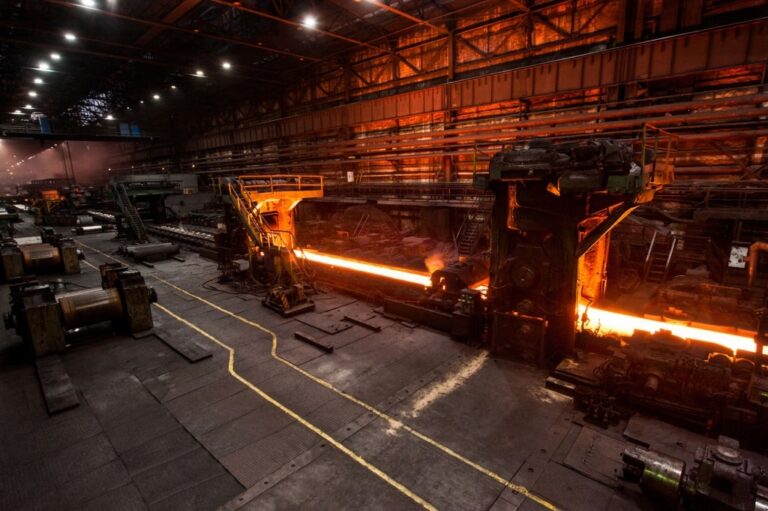
The equipment and machinery required to operate the rolling mill are the core of the project. This is the most expensive part of the investment, as rolling mills require highly specialised equipment to produce high-quality rolled products.

Key Equipment in a Rolling Mill:

  • Reheating Furnace: Used to heat the raw materials (such as billets) before they are fed into the rolling stands. This equipment is crucial in achieving the desired material properties.
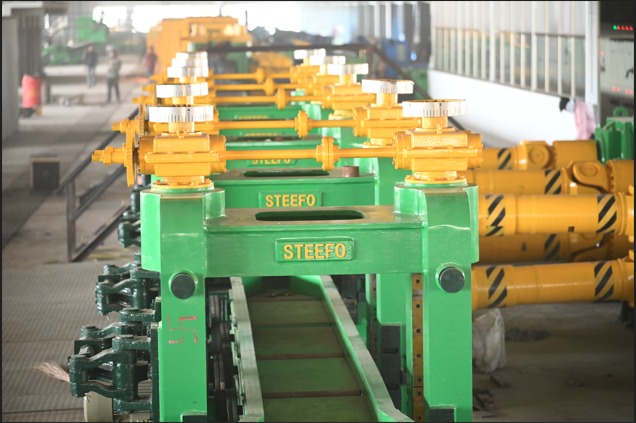
  • Rolling Stands: These are the heart of the rolling mill, where the material is shaped and reduced to the desired thickness. Rolling stands come in different configurations depending on the product being manufactured, such as bar mills, wire rod mills, or section mills.
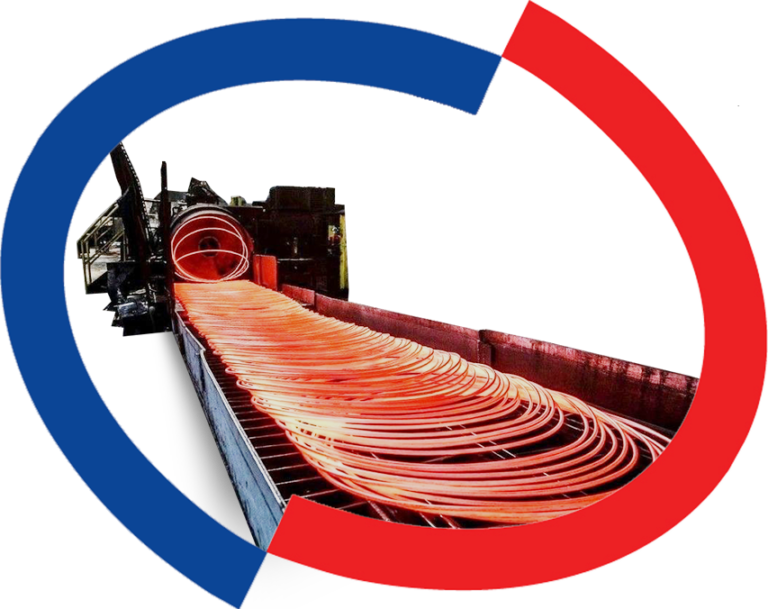
  • Coiling and Cooling Systems: After the rolling process, materials need to be cooled and coiled to make them more manageable for transportation and storage. These systems ensure that the finished products are handled efficiently.
  • Auxiliary Equipment: This includes the electrical systems, motors, drives, material handling systems, and automation equipment that enable smooth operation.

Factors Influencing Equipment Costs:

  • Type of Rolling Mill: Hot rolling mills typically require more sophisticated equipment due to the high temperatures and more extensive processes involved. Cold rolling mills are generally less expensive but still involve specialised machinery.
  • Automation and Technology: Fully automated mills with sophisticated control systems tend to cost more. The integration of advanced technologies such as artificial intelligence and machine learning for predictive maintenance and process optimisation can significantly raise the equipment costs.
  • Supplier and Brand: The cost of equipment also depends on the brand and quality. Reputed rolling mill manufacturers, like The Steefo Group, offer high-quality, durable equipment that tends to come with a higher price tag, but this investment ensures long-term reliability.

Estimated Cost:

Equipment costs usually make up 40% to 60% of the total cost of a turnkey rolling mill project. The specific percentage depends on the type of equipment, automation level, and scale of the mill.

Installation and Commissioning Costs

Once the equipment is procured, the next step is to install it and ensure it operates efficiently. Installation includes everything from setting up the machinery to connecting electrical systems and integrating automation controls. Commissioning, on the other hand, is the process of testing the equipment to ensure that everything functions as per the design specifications.

Factors Affecting Installation and Commissioning Costs:

  • Site Preparation: If the factory site requires significant modifications (such as reinforcement of structures or new electrical infrastructure), installation costs will rise.
  • Labour and Expertise: Skilled labour is required for the installation of rolling mill equipment, particularly when it comes to sophisticated machinery. Experienced technicians and engineers are essential for ensuring that the installation is done correctly.
  • Testing and Calibration: Once installed, the machinery needs to be tested and calibrated to meet the production standards. This step ensures that the mill produces high-quality products while maintaining efficiency.

Estimated Cost:

Installation and commissioning typically account for 10% to 15% of the total project cost. The exact cost will depend on the complexity and size of the rolling mill.

Procurement Costs

Procurement costs involve the acquisition of all materials, tools, and systems necessary for the mill’s construction. This includes purchasing raw materials like steel, alloys, and electrical components, as well as specialised tools and systems needed for the smooth operation of the rolling mill.

Key Procurement Considerations:

  • Material Quality: The quality of raw materials directly affects the durability and efficiency of the rolling mill. High-quality materials may cost more initially but lead to fewer repairs and downtime in the long run.
  • Supplier Network: Working with reliable and cost-effective suppliers can significantly reduce procurement costs. However, purchasing from multiple suppliers can add complexity and lead to higher logistics costs.
  • Lead Time and Shipping: If materials are sourced globally, shipping costs, customs duties, and lead times can further increase procurement expenses.

Estimated Cost:

Procurement typically accounts for 10% to 20% of the overall project cost, depending on the specific materials required and where they are sourced from.

Project Management and Overhead Costs

Project management is essential for ensuring that a turnkey rolling mill project progresses on schedule and within budget. Project managers coordinate between design, procurement, installation, and commissioning teams to ensure smooth execution.

Key Aspects of Project Management:

  • Scheduling and Coordination: Project managers handle timelines, resources, and task coordination to ensure that all phases of the project align.
  • Quality Control: Ensuring the project meets all quality standards is crucial. Project managers work closely with the installation and engineering teams to guarantee that the equipment and systems are installed according to design specifications.
  • Risk Management: Project managers must be prepared to handle any unforeseen challenges, such as delays, cost overruns, or technical issues.

Estimated Cost:

Project management and overheads generally represent 5% to 10% of the total project cost, depending on the project scale and complexity.

Electrical and Automation Systems Costs

Electrical and automation systems are integral to the operation of modern rolling mills. These systems include power distribution, control panels, PLC systems, SCADA systems, sensors, and drives that enable the mill to operate efficiently.

Key Electrical and Automation Components:

  • Control Systems: PLC and SCADA systems enable real-time monitoring and control of the mill’s operations. These systems ensure that the mill runs smoothly and that any issues are detected early.
  • Automation Equipment: Automated handling systems, such as robot arms, material transfer systems, and roll change equipment, can drastically improve production efficiency.
  • Safety and Monitoring Systems: Ensuring the safety of the mill workers and preventing any potential damage to the equipment is essential. This involves installing safety systems, alarms, and sensors.

Estimated Cost:

Electrical and automation systems typically account for 5% to 15% of the total turnkey rolling mill project cost. The specific percentage depends on the level of automation and the complexity of the electrical systems.

Maintenance and After-Sales Services

Once the rolling mill is operational, ongoing maintenance is essential to ensure it continues to function efficiently. Regular maintenance minimises downtime, prevents costly repairs, and ensures that the mill operates at its full capacity.

Key Considerations for Maintenance Costs:

  • Spare Parts: Rolling mills require various spare parts, including rolls, motors, bearings, and sensors. Ensuring a steady supply of spare parts is essential for minimising downtime.
  • Service Contracts: Many manufacturers offer service contracts for regular maintenance, which may include preventive maintenance, inspections, and equipment overhauls.
  • Long-Term Support: After-sales services, including training, technical support, and troubleshooting, help ensure the long-term success of the mill.

Estimated Cost:

Maintenance and after-sales services can cost 5% to 10% annually, based on the terms of the service contract and the level of support required.

Miscellaneous Costs

There are several other costs associated with a turnkey rolling mill project that may not be immediately apparent but are essential to consider.

Key Miscellaneous Costs:

  • Land and Site Acquisition: If the factory site needs to be purchased, this can significantly increase project costs.
  • Permits and Licensing: Obtaining the necessary permits and licenses for operating the mill can involve additional costs, particularly if there are local regulations to adhere to.
  • Insurance and Contingency: Insurance coverage and contingency funds are necessary to cover unforeseen risks or issues that may arise during the construction and operation phases.

Estimated Cost:

Miscellaneous costs usually account for 5% to 10% of the total project cost.

Conclusion

Setting up a turnkey rolling mill is a substantial investment, but with the proper planning and understanding of the cost breakdown, it can be an immensely profitable venture. From design and engineering to equipment procurement, installation, and after-sales services, each component plays a crucial role in the success of the project.

Working with experienced rolling mill manufacturers like The Steefo Group ensures that the project is managed effectively and that the final product meets your specifications. By carefully considering and managing each cost element, businesses can achieve a turnkey solution that delivers long-term value and ensures efficient mill operation.

Remember that while turnkey solutions come with a higher upfront cost, they save time, reduce project complexity, and minimise risks. This approach allows businesses to focus on production, knowing that their rolling mill is in capable hands.

Frequently Asked Questions

1. What are the benefits of choosing a turnkey rolling mill project over building a mill from scratch?

Choosing a turnkey rolling mill project offers several advantages, including reduced complexity, time savings, and minimised risk. With a turnkey solution, you get a fully integrated system where the manufacturer handles every aspect of the project, from design and procurement to installation and maintenance. This ensures faster commissioning, reduced project delays, and cost-effective operations. Additionally, turnkey providers offer expert consultation, reducing the need for in-house technical expertise.

2. How can I determine if my business needs a hot rolling mill or a cold rolling mill for a turnkey project?

The choice between a hot rolling mill and a cold rolling mill depends on the final product and its intended application. Hot rolling mills are typically used for producing thick products like plates, beams, or bars at high temperatures, while cold rolling mills are used for thinner, high-precision products such as sheet metal, coils, and strips. Understanding the type of material you want to produce, its required thickness, and its application will help you make the right decision for your turnkey rolling mill project.

3. What is the typical timeline for a turnkey rolling mill project to be completed?

The timeline for completing a turnkey rolling mill project varies depending on several factors, such as the project scale, customisation requirements, and the complexity of equipment. On average, a turnkey rolling mill project can take anywhere from 12 to 24 months to complete. This includes the phases of design, procurement, installation, commissioning, and testing. Larger or more specialised mills may require more time to install and fine-tune the equipment to meet production goals.

4. Can I expect warranty coverage for the equipment used in a turnkey rolling mill project?

Yes, most reputable rolling mill manufacturers offer warranty coverage for the equipment supplied in a turnkey rolling mill project. The warranty typically covers any defects in material or workmanship and ensures that the equipment functions as promised. Warranty periods may vary depending on the manufacturer and the type of equipment, but generally range from 1 to 3 years. Additionally, many suppliers offer extended service contracts and after-sales support to ensure long-term maintenance and performance.

5. How does automation in a turnkey rolling mill improve production efficiency?

Automation in a turnkey rolling mill significantly enhances production efficiency by reducing human intervention, minimising errors, and optimising machine performance. Automated systems, such as PLC controls and SCADA systems, allow for real-time monitoring and data-driven adjustments, leading to consistent product quality. Robotic material handling, automatic roll changes, and precision control over the rolling process also reduce downtime and improve throughput. By integrating advanced automation, businesses can lower operational costs while maximising output.

Ready to Invest in a Turnkey Rolling Mill Solution?

If you’re looking to optimise your manufacturing process and ensure long-term success, a turnkey rolling mill solution is the key to achieving efficiency, cost-effectiveness, and seamless production. Whether you’re expanding your operations or starting a new project, partnering with an experienced rolling mill manufacturer guarantees high-quality machinery, expert project management, and support from start to finish.

Don’t let the complexity of setting up a rolling mill overwhelm you. The Steefo Group offers comprehensive turnkey solutions that handle every aspect of your project, from design and procurement to installation and maintenance. With decades of experience and a commitment to excellence, we deliver results that align with your business goals.

Contact us today at +91 87589 98607 or write to us at marketing@thesteefogroup.com to learn how we can bring your rolling mill project to life and set you up for success. Let’s build your future together, with a customised solution tailored to your needs!

Categories
Blogs Rolling Mill

When you’re planning or upgrading a steel plant, one of the most strategic decisions you’ll face is whether to go with a greenfield or a brownfield route , particularly when implementing rolling mill machinery and full‐scope turnkey solutions. In this post, we’ll examine how this choice plays out in the context of a hot rolling mill, weighing the pros and cons of each, clarifying what “turnkey solutions” really mean, and helping you decide which approach makes sense for your business.

What Do We Mean By “Turnkey Solutions”?

In the world of steel plant machinery and rolling mills, a turnkey solution refers to a project delivery model in which a provider supplies the entire package from beginning to end — concept, engineering, procurement, construction, commissioning, and handover of the fully operational plant. The owner can “turn the key” and go into production. For example, the Steefo Group offers turnkey solutions in rolling mill projects from concept to commissioning.

Key features of a rolling mill turnkey solution include:

  • Full design of the layout, process flows, utilities and supporting infrastructure for your steel plant machinery.
  • Supply of the major machinery – reheating furnaces, rolling stands, cooling beds, automation and control systems, and material handling.
  • Project management, civil works, erection, testing, commissioning and start‑up services.
  • Integration of the rolling mills with upstream and downstream equipment (eg, billet reheating, finishing, packaging) for an integrated solution, not just stand‐alone machines.
  • Service and support post‑commissioning, spare parts, and operator training.

Managing a project under the turnkey model shifts much of the risk (schedule, integration, quality) to the supplier partner, which is a major advantage in complex heavy equipment landscapes such as steel plants.

For steel plant owners looking to establish or expand rolling capacity, the decision between a greenfield vs a brownfield project under a turnkey contract is a pivotal one. Let’s look at both approaches in depth.

Greenfield and Brownfield in the Context of Rolling Mills

Greenfield

A greenfield rolling mill project means you are starting essentially from scratch. You pick a site (often undeveloped land), build all necessary structures, install brand‑new plant machinery (including utilities, foundations, infrastructure), design your layout without many constraints from legacy systems, and launch a completely new production line or facility.

The greenfield approach gives you full flexibility on technology selection, layout optimisation, future expansion, and (in many cases) better alignment with modern sustainability standards. For example, greenfield projects allow building plants designed around new energy‑efficient or low‑emission technologies.

Brownfield

A brownfield project for a rolling mill entails upgrading, expanding, or re-purposing an existing facility or site. You may have existing rolling equipment, foundations, utilities, structural layout, or infrastructure. The aim is to add new rolling mill lines, upgrade existing stands, increase capacity, or improve efficiency. Because you are working with existing assets or sites, constraints such as space, layout, and downtime become more important. The benefit is potentially lower upfront investment and shorter time to production.

In steel plant terminology, a brownfield upgrade might mean adding a new hot rolling mill line adjacent to an existing one, retrofitting the control system of existing stands, or re‐modelling the layout to accommodate new products or higher speed. The key is “existing assets + upgrade” rather than “all new”.

Why the Choice Matters for Your Rolling Mill Turnkey Solution

When opting for a turnkey solution for your rolling mill, whether you choose greenfield or brownfield will affect many key dimensions of your project, including:

  • Capital expenditure (CAPEX) and operating expenditure (OPEX)
  • Lead time to production
  • Flexibility in design, product mix and future expansion
  • Integration of new technology (automation, smart controls, Industry 4.0)
  • Risk profile (construction, commissioning, downtime)
  • Sustainability and regulatory compliance

Let’s compare greenfield vs brownfield across these dimensions specifically for rolling mills.

1. CAPEX, OPEX and Investment Structure

Greenfield: Starting from scratch typically involves high upfront investment. You’re acquiring land (if needed), building foundations, utilities (power, water, gas, air), roads, logistic links, and installing brand‑new plant machinery. According to industry commentary, greenfield steel plants represent high CAPEX for integrated facilities. However, once set up, you have an optimised layout and fewer constraints from legacy assets, which may reduce long‑term operational costs and improve efficiency.

Brownfield: Since you use some existing infrastructure and assets, the CAPEX is often lower (or at least partially amortised). Time to cash‐flow may be faster because you tap into existing production lines or facilities. But hidden costs may arise , for example, retrofitting old utilities, interruptions to production, removal of old equipment, or aligning old layouts with new rolling mill machinery. Many brownfield projects, therefore, carry the risk of cost overruns if legacy issues are not carefully managed.

For rolling mill turnkey solutions, the supplier must assess not just the new equipment cost but integration cost, disposal/repurposing costs of old equipment, alignment of existing utilities, and potential downtime costs.

2. Lead Time to Market

Greenfield: The timeline from break‐ground to production is typically longer. You must complete site development, infrastructure installation, full civil works, machinery supply and erection. Industry reports indicate greenfield plants can span 5‑7 years in large integrated steel works. For rolling mills specifically, that means longer waiting before you see revenue from that milling line.

Brownfield: Because you are leveraging an existing site, the time can be shorter. Installation, retrofit and commissioning may be done faster if the layout is well understood and downtime is managed. But the challenge is to carry out upgrades while the plant is live (if you keep production running). So careful planning and phasing are required.

If you are focused on rapid capacity expansion for rolling mill lines in a steel plant, a brownfield turnkey solution may make more sense.

3. Design Flexibility & Product Mix

Greenfield: Maximum flexibility. You can design the rolling mill layout, select the newest technology (stands, automation, cooling beds), integrate utilities optimally, plan future expansion paths, incorporate automation from day one, and align with sustainability goals. For example, you can pick the latest hot rolling stand technology, advanced cooling, modern control systems and a layout that supports optimal billet flow to finished bars or sections.

Brownfield: You are constrained by existing building structures, utility capacities, foundations, layout of previous equipment, and possibly limited space. Upgrading means working around or replacing legacy systems. The new rolling mill machinery must integrate with existing upstream and downstream equipment, often limiting full flexibility. Some optimal flows may be compromised. Also, future expansion may be harder if the site footprint is already used or there are space constraints.

4. Technology Integration and Sustainability

Greenfield: You can design a rolling mill line with the latest machinery, with builtin automation and digital controls, advanced cooling systems, energy recovery systems, environmental controls and sustainable utilities (e.g., waste heat recovery, automation that reduces scrap and reheat losses). The freedom to choose the best‑in‑class equipment means your steel plant machinery for rolling mills can be state‑of‑the‑art.

Brownfield: You may face more difficulty integrating cutting‑edge technology without major disruption or cost. Legacy equipment may limit speed, flexibility or energy efficiency. Integrating new automation into older control systems or retrofitting new stands may carry complexity. That said, many turnkey solution providers have experience with brownfield upgrades and manage this well.

5. Risk Profile and Project Execution

Greenfield: Risks include land acquisition issues, long lead time, infrastructure build‑up, regulatory clearances, environmental permits, construction risk, and commissioning delays. The “all-new” nature increases uncertainty. For large steel plants, this risk is substantial.

Brownfield: Risks include disruption to existing production (if you keep it running), unknown condition of existing assets (foundation fatigue, utility wear, hidden constraints), complexity of integration, and managing the interface between new and old systems. But the familiarity of the existing site may reduce some uncertainties.

For a turnkey rolling mill project, selecting an experienced partner is critical: they must manage design, procurement, erection, commissioning, and interface issues (whether new or existing).

6. Scalability and Future Expansion

Greenfield: Because you begin fresh, you can design expansion‑friendly layouts, plan spare infrastructure capacity for future lines, choose large footprints and ancillary utilities sized for growth. If you anticipate growth of your rolling mills (volume increase, new product mix, value‐added sections), a greenfield project gives headroom.

Brownfield: Expansion is often more challenging because you may run out of space, existing utilities may be near their limit, or the layout may not support easy addition. In some cases, you may need to purchase adjacent land or face complex civil/structural modifications.

How to Decide: Is a Greenfield or Brownfield Turnkey Solution Right for You?

Here are key factors to evaluate when choosing between greenfield and brownfield for your rolling mill project:

A. Current Capacity and Market Demand

If your existing steel plant is at or near capacity and demand is growing rapidly for rolling mill output (e.g., TMT bars, merchant bars, sections), then a brownfield expansion may provide faster relief. If you are establishing a new plant or entering a new market, greenfield might make better sense.

B. Site Availability and Infrastructure

Do you already have a site with utilities (power, water, gas/coal, logistics, rail sidings) and existing rolling mill machinery? Then, Brownfield may leverage that. If you don’t have a suitable site or you want to choose ideal land for layout, logistic connectivity, and future growth, then greenfield is attractive. In India, factors like power availability, land acquisition, environmental clearance, water, and rail/road access are crucial.

C. Project Budget and Internal Resources

What CAPEX can you commit? Do you want lower upfront investment and faster pay‑back (favouring brownfield) or are you targeting a high‑end, future‑proof facility with higher CAPEX but lower operational cost (greenfield)? Assess your financing, expected return on investment, OPEX savings, and timeline.

D. Technology Ambition and Product Mix

If your rolling mill project aims to incorporate the newest stands, highest automation, digital controls, varied product mix (bars, wire rods, sections, value-added products), and you plan for future upgrades, greenfield may be better. If you are upgrading an existing line and your product mix is stable, a brownfield upgrade by a turnkey solution provider may suffice.

E. Time‑to‑Market

If you need to increase capacity quickly, a brownfield may offer shorter lead times. If you can afford the longer lead time and want a more customised, flexible setup, greenfield is viable.

F. Operational Continuity and Risk Management

If you cannot afford major downtime (e.g., you must keep production running during expansion), brownfield allows staging and phased installation. Greenfield, by default, avoids interference with existing operations but takes longer. Also consider regulatory, environmental, and logistical risks.

G. Future Expansion and Growth Outlook

If your business expects significant growth and you want a facility that can expand easily, choose a site and design that allows future rolling mill lines, spare utilities, and product diversification. That typically aligns with greenfield.

H. Sustainability, Compliance and Modernisation

If you aim to incorporate the latest environmental standards, energy-efficient machinery, digitalisation and smart manufacturing for your rolling mills, then a greenfield facility gives you fewer constraints. Brownfield can still achieve this, but may carry additional cost or compromise due to legacy layouts/utilities.

Practical Considerations for Rolling Mill Turnkey Solutions in India

Here are some local considerations:

  • Land acquisition in India: Site selection must factor in power, water, connectivity, labour availability, and government incentives. Indian firms looking at greenfield or brownfield sites must pay attention to infrastructure readiness.
  • Compliance and environmental clearances: Rolling mill plants and steel plants are subject to heavy environmental regulatory oversight. Greenfield builds may face more initial permits, but brownfield retrofits may face constraints in upgrading older facilities to new standards.
  • Logistic costs: For rolling mills, moving billets, slabs or ingots, and finished coils/bars require good transport (rail, road). Site choice matters.
  • Technology sourcing: For rolling mills, you’ll need reliable suppliers for stands, cooling beds, automation, drives etc. Ensuring spare parts availability and service is critical.
  • Turnkey solution partner credibility: Selecting a partner with strong project delivery and experience in both greenfield and brownfield rolling mill projects reduces risk.

Specific Rolling Mill Machinery and Turnkey Considerations

When you are implementing rolling mill lines as part of your turnkey project (greenfield or brownfield), there are certain machinery and system considerations you want to review:

Key machinery in a hot rolling mill plant:

  • Reheating furnace (for billets/slabs)
  • Descaler and billet handling equipment
  • Roughing mill stands and finishing mill stands (housing‑less stands, multi‑row bearings)
  • Cooling beds (moving apron type, rotary twin channel, etc.)
  • Finishing equipment (cut‑to‑length, coiling, bundling)
  • Automation and control systems (PLC/SCADA, drives, sensors)
  • Utilities and services (power transformers, air compressors, hydraulic systems, lubrication)
  • Material handling (conveyors, cranes, feeders, skip hoists)
  • Quality‑control systems (non‑destructive testing, dimensional measurement)
  • Environmental systems (dust collection, fume extraction, wastewater, emission control)
  • Integration with other plant lines (e.g., upstream melting/casting, downstream rolling or finishing)

Cost, Time and Risk Trade‑Offs: Summary Table

Factor

Greenfield

Brownfield

Initial CAPEX High, due to full infrastructure build Lower incremental CAPEX, reuses existing assets
Time to production Longer Shorter (if phased well)
Design flexibility Maximum (layout, technology, expansion) Constrained by existing layout/infrastructure
Technology & future‑proofing Easier to implement the latest machinery & controls More difficult, may face legacy constraints
Operational disruption Less disruption to existing operations (since new) Potential disruption during retrofit/upgrade
Scalability & growth Easier to plan for future expansion More challenging, may face space/utility limits
Project risk Higher (land, infrastructure, longer schedule) Risk of hidden legacy issues, integration complexity
Best fit scenario New plant, new product lines, long‑term vision Upgrade, capacity expansion, faster return

Recommendation For Steel Plant Owners: How to Approach Vendor Selection

If you are the owner of a steel plant (or planning one) and considering a rolling mill turnkey solution, here’s a recommended roadmap:

  1. Start with a feasibility study: Define your production capacity, target products (bars, wire rods, sections, etc.), market demand, growth plan, product mix, and budget.
  2. Site assessment: For greenfield — land selection, logistics, utilities, permits. For brownfield — existing assets audit, condition of infrastructure, space constraints, erosion/maintenance risks.
  3. Define the scope of rolling mill turnkey solution: Clearly specify what is included from engineering, procurement, construction, installation, automation, commissioning and hand‑over.
  4. Evaluate turnkey vendors: Choose providers who have proven expertise in both greenfield and brownfield projects, a strong supply chain, a good project track record, and local service/parts capability.
  5. Comparative costing: Request separate quotes for greenfield vs brownfield scenarios (if possible), showing CAPEX, lead time, risks, OPEX savings over lifecycle, and expansion potential.
  6. Risk analysis & schedule: Map out critical path, regulatory/permit risk, site preparation, commissioning schedule, production ramp‑up, potential downtime (especially for brownfield).
  7. Technology evaluation: For rolling mill machinery, check stand capability, speed, automation, energy consumption, cooling bed performance, control systems and spare‑parts ecosystem.
  8. Flexibility & future readiness: Check if the design allows product change, increase in speed, future addition of lines or value‑added finishing.
  9. Contractual clarity: For turnkey projects, make sure the scope, schedule, milestones, penalties for delays, quality guarantees, commissioning criteria, and after‑sales service are clearly defined.
  10. Post‑commissioning support: Ensure that training, spare parts inventory, preventive maintenance setup, and supplier support are all in place.

Choose The Steefo Group for Your Rolling Mill Turnkey Solutions

When it comes to rolling mill turnkey solutions, The Steefo Group leads the way. We provide end-to-end services, from plant design and equipment supply to installation, commissioning, spare parts, and ongoing support. Whether you’re building a new greenfield facility or upgrading an existing brownfield plant, partnering with Steefo means you have one trusted provider handling everything. This simplifies coordination, improves accountability, and ensures smoother project execution.

With our extensive experience in both greenfield and brownfield projects, we understand the complexities of integrating new systems with existing ones. Our proven track record in handling live plant upgrades makes us the ideal choice for any rolling mill project. Ready to simplify your next venture? Contact Steefo +91 87589 98607 or send us an email to marketing@thesteefogroup.com to get started on achieving your production goals! to discuss your turnkey solution needs.

Categories
Blogs Rolling Mill

In today’s competitive steel industry, hot rolling mills are at the heart of every modern steel plant. They play a vital role in transforming raw metal into high-quality steel products used across construction, automotive, and manufacturing sectors. But as global steel demand rises, the challenge lies not just in producing more — it’s in producing more efficiently, consistently, and sustainably.

To achieve this, optimising hot rolling mills for high-volume production has become a key strategic priority for steel manufacturers. By improving operational efficiency, reducing downtime, and integrating turnkey solutions, companies can significantly increase output while maintaining stringent quality standards.

Since 1976, The Steefo Group has been a trusted partner for industries worldwide, addressing the challenges of high-volume production. As one of India’s leading hot rolling mill manufacturers and a recognised Star Export House, we specialise in designing, manufacturing, and commissioning complete rolling mill systems tailored for high-volume, long-term performance.

The Challenges of High-Volume Production

Running a hot rolling mill for large-scale production is no small feat. As the output capacity increases, so does the complexity of maintaining smooth operations. Let’s explore some of the most common challenges faced by modern steel plants.

1. Machine Downtime

Every minute of downtime in a rolling mill translates into significant financial loss. Equipment wear and tear, unplanned maintenance, and mechanical breakdowns can disrupt entire production cycles. Without predictive systems, even minor malfunctions can lead to prolonged shutdowns and production delays.

2. Consistency in Product Quality

Maintaining uniformity in product thickness, surface finish, and microstructure is critical in high-volume steel production. Variations in rolling parameters such as temperature, speed, and pressure can lead to inconsistent results — impacting both quality and profitability.

3. Energy Efficiency

Hot rolling is an energy-intensive process. Inefficient reheating furnaces, excessive fuel usage, and outdated equipment increase operational costs and carbon emissions. Achieving energy optimisation without compromising productivity remains a central challenge for most mills.

4. Material Handling

In high-output environments, material flow must be seamless. Bottlenecks in feeding, transfer, or cooling stages can slow down the entire line. Optimising layout, automation, and synchronisation is crucial for steady and continuous operation.

Key Strategies to Optimise Hot Rolling Mills for High-Volume Production

Optimising a hot rolling mill requires a combination of technology, data-driven decision-making, and strategic planning. The following approaches can dramatically improve performance and production rates.

a. Implementing Predictive Maintenance Systems

Traditional maintenance schedules often result in over-servicing or missing potential failures. Predictive maintenance systems use sensors, IoT devices, and condition-monitoring tools to assess equipment health in real time.

  • Benefits:
    • Detects abnormalities before breakdowns occur
    • Minimises unplanned downtime
    • Reduces maintenance costs and spare part waste

By analysing vibration, temperature, and pressure data, plant operators can predict when components need attention — ensuring that repairs are done only when necessary. The Steefo Group’s advanced monitoring systems integrate predictive maintenance as part of its turnkey mill design, offering clients more innovative and more reliable performance.

b. Advanced Automation and Process Control

Automation lies at the core of high-volume efficiency. Modern rolling mills employ programmable logic controllers (PLCs), human-machine interfaces (HMIs), and advanced control systems to regulate rolling speed, temperature, and tension precisely.

Benefits of automation include:

  • Improved repeatability and product consistency
  • Faster setup and reduced manual intervention
  • Enhanced safety and monitoring capabilities

With The Steefo Group’s expertise in turnkey solutions, automation can be fully integrated into new or existing systems, allowing steel manufacturers to achieve seamless process synchronisation across all rolling stages.

c. Energy-Efficient Practices and Equipment

Energy costs can account for up to 30% of a steel plant’s operating expenses. Optimising energy usage is therefore a key factor in achieving cost-effective high-volume production.

Effective strategies include:

  • Using regenerative burners and waste heat recovery systems
  • Upgrading reheating furnaces with better insulation and combustion control
  • Employing variable frequency drives (VFDs) to reduce power wastage

The Steefo Group provides ISO 9001:2015-certified systems designed to maximise efficiency while minimising energy consumption. Every hot rolling mill setup is engineered to reduce carbon footprint without compromising performance, ensuring our clients of our unwavering commitment to quality and efficiency.

d. Continuous Monitoring and Data Analytics

Real-time data analytics is a powerful tool that empowers operators to make informed decisions. By collecting and analysing parameters such as roll force, temperature profiles, and throughput rates, anomalies can be detected early and process parameters fine-tuned instantly. This proactive approach to quality management instills confidence in our clients.

Benefits:

  • Proactive quality management
  • Reduced wastage and scrap
  • Optimised scheduling and material flow

Steefo integrates innovative data systems and SCADA (Supervisory Control and Data Acquisition) tools in its rolling mills to help steel manufacturers maintain complete process visibility and control from anywhere in the world.

How Turnkey Solutions Can Enhance Hot Rolling Mill Efficiency

One of the most significant advantages of partnering with The Steefo Group is access to end-to-end turnkey solutions. These are not off-the-shelf solutions — they are tailored, integrated systems designed to optimise every aspect of mill performance.

Custom Equipment

Every steel plant has unique production goals and layout requirements. Steefo designs and manufactures customised mill equipment, including reheating furnaces, rolling stands, cooling beds, shears, and automation panels. These are built to deliver optimal results under specific conditions of temperature, load, and speed.

End-to-End Services

Steefo’s turnkey approach covers the entire project lifecycle — from concept design and manufacturing to commissioning and post-installation support. This ensures that clients receive not only equipment but also process expertise and operational guidance for maximum efficiency.

Integration with Existing Systems

For steel plants seeking to modernise existing facilities, Steefo provides smooth system integration. Advanced control systems, automation modules, and monitoring interfaces can be added to legacy setups to enhance output without requiring complete overhauls.

The Role of AI and Machine Learning in High-Volume Production

The digital transformation has revolutionised the steel industry, and at the forefront of this change are AI and machine learning (ML) technologies. These tools are now critical for optimising complex operations within hot rolling mills, ensuring that we are always at the cutting edge of technological advancement.

AI for Demand Forecasting

By analysing market data, production history, and seasonal trends, AI can predict demand fluctuations. This allows steel manufacturers to align production schedules with actual market needs, reducing overproduction and improving inventory management.

Machine Learning for Parameter Optimisation

ML algorithms can automatically learn from process data to determine the ideal parameters for rolling speed, temperature, and pressure. Continuous learning leads to precision-based adjustments that enhance both quality and output over time.

AI-Based Quality Control Systems

AI-powered cameras and sensors can detect defects such as surface cracks or dimensional inconsistencies in real time. These systems ensure immediate corrective actions — saving time, resources, and ensuring that only premium-grade steel leaves the mill.

Investing in Worker Training for Optimal Hot Rolling Mill Operations

Even the most advanced technologies rely on skilled human operators. Ensuring that your workforce is well-trained is essential to maintaining consistent, high-volume production, highlighting the importance of the human element in the operation of advanced technologies.

Importance of Skilled Operators

Experienced technicians understand the nuances of rolling behaviour, material flow, and heat management. They can detect subtle anomalies that automated systems might overlook, ensuring smooth operations and timely interventions.

Training Programs for Advanced Systems

The Steefo Group emphasises on-site and off-site training programs as part of its turnkey solutions. These programs familiarise operators with automation systems, maintenance routines, and safety protocols — empowering them to extract maximum performance from every component of the mill.

Conclusion

Optimising hot rolling mills for high-volume production is not about increasing speed alone — it’s about achieving harmony between machinery, technology, and human expertise.
By adopting predictive maintenance, leveraging automation, improving energy efficiency, integrating turnkey solutions, and training skilled operators, steel manufacturers can achieve unprecedented productivity with minimal downtime and waste.

The Steefo Group continues to lead this transformation with state-of-the-art engineering, robust design standards, and a commitment to excellence that has defined our legacy since 1976.

Frequently Asked Questions

1. How can hot rolling mills achieve higher production rates without compromising quality?

By using advanced automation, predictive maintenance, and energy-efficient designs, hot rolling mills can achieve consistent, high-quality production even at high volumes. Partnering with experts like The Steefo Group ensures these systems work in harmony.

2. What role do turnkey solutions play in hot rolling mill optimisation?

Turnkey solutions provide a complete package, from custom equipment to system integration, ensuring seamless coordination between all mill components. This leads to greater efficiency, reduced downtime, and faster commissioning.

3. Why is energy efficiency crucial for modern steel plants?

Energy efficiency reduces operational costs, lowers carbon emissions, and enhances sustainability. Modern steel plants that adopt energy-efficient hot rolling mills gain a competitive advantage in both performance and compliance.

4. How does The Steefo Group ensure quality and reliability in its hot rolling mills?

The Steefo Group adheres to ISO 9001:2015 standards, using only the highest-grade materials and precision engineering. Every mill is rigorously tested to ensure reliability, safety, and long-term performance.

5. Can AI really improve hot rolling mill performance?

Yes. AI and machine learning systems can analyse vast process data in real-time, helping operators fine-tune rolling parameters, predict maintenance needs, and detect defects early, leading to improved efficiency and product consistency.

6. What services does The Steefo Group offer for existing steel plants?

The Steefo Group provides modernisation, automation upgrades, equipment replacement, and performance optimisation for existing steel plants. Their expert consulting ensures that older facilities achieve modern efficiency standards.

Contact Us Today to Optimise Your Hot Rolling Mill for High-Volume Production

At The Steefo Group, we don’t just build rolling mills — we build high-performance ecosystems for the steel industry. Our turnkey solutions combine engineering precision, advanced automation, and sustainability to help you produce more steel, more efficiently.
Whether you’re planning a new steel plant, upgrading an existing one, or aiming to achieve greater output with less energy, our experts are here to guide you. From conceptual design to commissioning and ongoing support, we ensure complete operational excellence and long-term reliability.

Enhance your production capacity with India’s leading hot rolling mill manufacturer — The Steefo Group.

Visit us at The Steefo Group to get started today.

Categories
Blogs

In the competitive world of rolling mills, success is often defined by speed, efficiency, and the seamless orchestration of many moving parts. Whether you’re upgrading an existing facility or building a new TMT bar rolling mill from the ground up, choosing the right project execution model can make all the difference.

Turnkey solutions offer a compelling approach by providing a single point of responsibility, from concept to commissioning. Instead of juggling multiple contractors, vendors, and timelines, rolling mill operators can rely on an expert partner to handle everything under one roof. In this blog post, we explore the top 10 reasons why turnkey solutions are redefining project execution in the steel and metal forming industry.

10 Key Reasons to Choose Turnkey Solutions for Rolling Mills

1. End-to-End Project Ownership

Perhaps the most significant advantage of a turnkey solution is the luxury of one partner, one responsibility. From the initial layout design to the final commissioning of your rolling mill, everything is handled by a single, experienced provider.

This drastically simplifies communication and coordination—no more chasing different suppliers, trying to sync civil work with mechanical installations, or getting stuck in vendor blame games. Turnkey providers like The Steefo Group take full accountability for the project, ensuring there’s no ambiguity or finger-pointing when something doesn’t go as planned.

This single-window approach also helps minimise scope creep, a common pitfall in large industrial projects. When one partner owns the entire process, they’re better equipped to anticipate dependencies, mitigate risks early, and keep your rolling mill project on track.

2. Faster Time-to-Market

Time is money, especially in steel production. Delays in project execution can translate into lost market opportunities, idle resources, and mounting capital costs. With turnkey solutions, your project benefits from a streamlined execution model that significantly shortens the go-live timeline.

One of the biggest causes of delays in conventional project setups is poor coordination between multiple vendors. For instance, the mechanical installation may be complete, but electrical work could be stuck waiting for documentation or site readiness. With a turnkey partner, all these phases are pre-scheduled in a synchronised manner, meaning fewer gaps, faster transitions, and more predictable delivery.

The Steefo Group has perfected this coordination over decades, offering optimised delivery models tailored for rolling mills. Their well-oiled project management system ensures that site development, machinery supply, erection, and commissioning are all aligned to your production deadlines, without compromising quality.

3. Cost Optimisation Across the Board

Cost overruns are a frequent nightmare in rolling mill projects. But turnkey solutions can dramatically lower the risk. By bundling all services—engineering, procurement, manufacturing, installation, and training—under one umbrella, you get the benefit of economies of scale.

Your turnkey partner has stronger vendor relationships and greater bulk procurement leverage, translating to better material costs. More importantly, their in-house experience allows them to design for cost-efficiency, choosing the right layouts, optimal power consumption systems, and future-proof automation.

With everything pre-planned and coordinated, there’s also a significant drop in expensive rework, last-minute changes, or surprises during commissioning. This leads to more transparent budgeting, making it easier for businesses to plan ROI and manage financing more effectively.

4. Quality Control at Every Stage

A rolling mill is only as reliable as its weakest component, and when different contractors supply different systems, maintaining consistent quality becomes a challenge. Turnkey solutions solve this by ensuring uniform quality benchmarks are maintained across all project phases—mechanical, electrical, civil, and automation.

From design validation to manufacturing precision, from control panel wiring to PLC programming, each stage is aligned with predefined quality standards. Components are not just designed to fit but to work seamlessly with one another.

The best turnkey providers factory-test equipment before dispatch, dramatically reducing the chance of field failures. For example, The Steefo Group’s integrated testing protocols ensure that motors, gearboxes, and automation systems are calibrated and compatible before reaching your site.

5. Seamless Integration of Components

In high-speed TMT bar rolling mills, integration isn’t just a technical detail, it’s the backbone of production reliability. Mechanical components, drive systems, control software, and auxiliary infrastructure must work in perfect harmony to meet tight tolerances and ensure product quality.

Turnkey providers achieve this integration through cohesive design, engineering, and commissioning. They plan for interoperability right from the drawing board, using compatible systems that speak the same language—whether it’s for load-sharing motors, temperature control systems, or HMI interfaces.

This reduces post-installation troubleshooting, cuts down on unplanned downtime, and ensures your TMT bar rolling mill starts producing quality output from day one.

6. Customisation to Your Needs

Let’s bust a myth right now: Turnkey doesn’t mean off-the-shelf. The best turnkey providers understand that every rolling mill is unique—be it product output, space availability, regional material standards, or operational constraints.

Whether you need a high-speed TMT bar rolling mill to produce different grades of reinforcement bars or a setup tailored for niche profiles, turnkey partners can customise every aspect of the project. This includes:

  • Mill layout and equipment sizing
  • Material flow and process design
  • Integration of advanced automation systems

Smart control panels, SCADA integration, and IoT-ready sensors can also be embedded during the design phase. This gives you a future-ready rolling mill that can adapt to evolving production demands and monitoring trends.

7. Lower Project Risk

Every steel plant owner knows the silent threats that lurk behind major projects: regulatory delays, engineering miscommunications, or last-minute design mismatches. With turnkey solutions, all these risks are consolidated under a single contract, reducing the potential for surprises.

Because one entity is responsible for design, engineering, supply, civil works, installation, and compliance, you eliminate the risk of fragmented accountability. That means:

  • Fewer coordination errors between contractors
  • Holistic approach to safety regulations and statutory approvals
  • Reduced liabilities related to technical integration

The Steefo Group, for instance, employs strict risk assessment protocols during the planning and execution phases to ensure that nothing is left to chance, protecting your investment at every step.

8. Single Point of Contact

You don’t need five vendors updating you on five timelines. You need one project manager who knows everything, runs the show, and gives you precise, consolidated updates.

Turnkey execution gives you just that—a dedicated team and project lead who ensures that everything from machine procurement to on-site safety training stays in sync. This clarity in communication offers:

  • Streamlined reporting and approvals
  • Faster decision-making
  • Quicker issue resolution if (or when) adjustments are needed

In high-capital ventures like rolling mills, faster course corrections can be the difference between success and missed deadlines.

9. Faster Commissioning & Training

Getting your rolling mill up and running isn’t just about turning the switch—it’s about making sure the equipment, people, and processes are ready to perform in harmony. That’s where turnkey providers truly shine.

Since the machinery is often pre-aligned, pre-wired, and tested before dispatch, installation time on-site is significantly reduced. What’s more, your workforce isn’t left figuring things out post-commissioning.

A complete turnkey solution includes:

  • Operator and maintenance staff training
  • Standard operating procedures (SOPs)
  • Troubleshooting documentation and after-sales technical support

This means your TMT bar rolling mill can begin production sooner, with fewer hiccups and a higher confidence level in your plant’s performance from day one.

10. Future-Ready Setup for Scalability

Great turnkey solutions don’t just meet today’s needs, they plan for tomorrow’s growth. Scalability is designed into the system architecture from the beginning, allowing your business to add more product lines, new mill stands, or advanced digital monitoring without starting from scratch.

This includes:

  • Modular mill designs
  • Infrastructure capable of handling increased loads
  • Plug-and-play automation components

With partners like The Steefo Group, this long-term vision becomes a reality. Their engineering blueprints are created with upgrades and expansions in mind, ensuring you won’t hit a technical ceiling when you want to scale up production.

Bonus Insight: Turnkey Solutions Aren’t Just for Greenfield Projects

Think turnkey is only for brand-new plants? Think again. The same model is now increasingly being used for brownfield upgrades—a critical need in regions where older rolling mills are underperforming or struggling with outdated technology.

Whether it’s a TMT bar mill in need of new stands or an obsolete rolling line requiring modern automation, turnkey retrofits offer:

  • Minimal production disruption
  • Compatibility with existing infrastructure
  • Modernisation without massive demolition costs

The Steefo Group has completed numerous successful brownfield turnkey projects along with greenfield projects, proving that innovation doesn’t always mean starting over.

Conclusion

In a world where efficiency, agility, and performance are everything, turnkey solutions offer a smarter, safer, and more scalable way to execute rolling mill projects. From reducing costs and risks to ensuring faster commissioning and future-readiness, the turnkey model is tailor-made for businesses that want peace of mind and long-term ROI.

As one of the industry’s most trusted partners, The Steefo Group delivers comprehensive turnkey solutions for both greenfield and brownfield rolling mill projects. Whether you’re building a next-gen TMT bar rolling mill or upgrading an older facility, Steefo ensures your path to production is smooth, strategic, and scalable.

Looking to Build or Upgrade a Rolling Mill? Invest in Turnkey Solutions with The Steefo Group

Don’t let complexity stall your vision. Whether you’re setting up a new TMT bar rolling mill or breathing life into an outdated facility, The Steefo Group delivers complete turnkey solutions tailored to your goals. From design to commissioning, we handle every detail so you can focus on output, not obstacles.

With decades of global experience, Steefo brings engineering precision, fast-track execution, and future-ready automation under one roof. No finger-pointing. No fragmented workflows. Just one trusted partner transforming your concept into a fully functional, high-performance rolling mill.

Let’s build smarter, faster, and stronger—together.

Get in touch at +91 87589 98607 or at marketing@thesteefogroup.com to explore our turnkey expertise and discover how Steefo can streamline your next rolling mill project.

Categories
Blogs

In an industry as competitive and capital-intensive as steel manufacturing, operational efficiency, quality, and speed are crucial for success. This is especially true for companies operating TMT bar rolling mills, where production output and plant reliability directly affect market position. For these businesses, investing in turnkey solutions has emerged as a game-changing approach.

At the forefront of this transformation is The Steefo Group, a trusted rolling mill manufacturer in India. With a proven track record of delivering end-to-end turnkey projects, Steefo enables steel manufacturers to optimise operations, reduce lead times, and achieve consistent product quality—from concept to commissioning and beyond.

What Are Turnkey Solutions in the Steel Industry?

Turnkey solutions refer to comprehensive services provided by a single vendor, covering every aspect of a project’s life cycle—design, engineering, manufacturing, installation, and commissioning. In the steel industry, this approach eliminates the need for multiple contractors, streamlines project timelines, and enhances overall coordination.

For manufacturers looking to scale operations or modernise our rolling mills, turnkey services provide a seamless path to transformation. From reducing procurement complexity to ensuring smoother plant integration, the benefits are substantial. Businesses can focus on core functions while our technology partner manages the heavy lifting with a clearly defined scope, timeline, and performance outcomes.

Turnkey solutions are particularly impactful in TMT bar rolling mills setups. These systems require intricate alignment of mechanical components, temperature control, and automation. A turnkey provider ensures that each element—from reheating furnaces to quenching systems and finishing lines—is designed and delivered with precision, reducing the risk of delays and inefficiencies.

Steefo’s Turnkey Expertise: A Complete Overview

The Steefo Group brings decades of experience in delivering high-performance rolling mills and supporting steel plants with cutting-edge solutions. Our turnkey services are structured to offer single-point accountability, ensuring a cohesive execution across every phase of the project.

Here’s what’s included in Steefo’s turnkey offerings:

  • Project feasibility analysis and consulting
  • Plant layout and civil engineering support
  • Custom machinery design and manufacturing
  • Installation, commissioning, and trial runs
  • Training and technical handover
  • Post-installation support and service

By managing the entire project under one roof, Steefo maintains tight control over quality standards, safety protocols, and delivery schedules. Businesses benefit from reduced downtime, improved coordination, and a smoother path from blueprint to full-scale production.

Design & Engineering – Building Efficiency from the Ground Up

At the heart of every successful rolling mill project lies a meticulously crafted design. Steefo’s in-house engineering team leverages advanced 3D simulation, CAD modelling, and flow analysis to create plant layouts optimised for efficiency and scalability.

Every TMT bar rolling mill is engineered to meet the unique production goals and space constraints of the client. Whether it’s a greenfield project or a plant upgrade, Steefo customises the solution for maximum throughput, energy savings, and ease of maintenance.

Incorporating the latest in automation and energy-efficient technologies, Steefo ensures that its turnkey solutions are not just functional but future-ready, delivering sustainable, high-performance steel mills tailored to modern industry demands.

Manufacturing Excellence – Precision Meets Performance

A key pillar of Steefo Group’s turnkey solutions is its world-class in-house manufacturing capability. Every component that powers a modern TMT bar rolling mills—from the roughing stands to the shears and cooling beds—is designed and produced with exceptional attention to detail. This vertical integration ensures stringent quality control and allows Steefo to deliver tailor-made machinery aligned with the client’s production objectives.

The company’s manufacturing facilities are equipped with advanced CNC machines, heat treatment systems, and precision assembly lines. These state-of-the-art tools are instrumental in creating robust, high-performance machinery capable of withstanding the demanding environment of steel rolling mills. Whether it’s the rolling stands, gearboxes, or loopers, each part is engineered for durability, energy efficiency, and operational continuity.

Steefo’s machinery is particularly acclaimed for optimising throughput in TMT bar mill operations. The design focuses on consistent product quality, lower maintenance requirements, and enhanced thermal and mechanical efficiency. This ensures a faster return on investment for mill owners and also lower lifetime operational costs—an essential consideration in today’s competitive steel market.

Installation & Commissioning – Timely Execution, Seamless Startups

A standout advantage of partnering with The Steefo Group for turnkey solutions is the efficiency and expertise it brings to the installation and commissioning phases. Once manufacturing is complete, the company’s expert teams take over the on-site execution with meticulous planning and precision.

From mechanical erection to electrical integration, every installation is supervised by seasoned engineers and technicians. Steefo’s approach is systematic, ensuring each part of the mill is correctly aligned, connected, and configured for maximum performance. This reduces the scope for errors and accelerates the transition from construction to production.

The commissioning process is swift, structured, and focused on minimising downtime. Steefo follows a robust testing protocol that includes load testing, safety checks, and full-system validation before handing over the mill for commercial operation. Compliance with safety regulations and industry standards is a top priority throughout the process, ensuring both reliability and peace of mind for mill operators.

Beyond Installation – Training, Support & AMC

Steefo’s commitment doesn’t end at commissioning. As part of its turnkey solutions, the company offers comprehensive post-installation support that empowers clients to operate and maintain their mills with confidence.

Operator training is a standard part of every project handover. Experienced trainers work directly with on-ground staff to ensure complete knowledge transfer on machine operation, troubleshooting, and routine maintenance procedures. This reduces dependence on external support and boosts overall plant efficiency.

For long-term reliability, Steefo offers Annual Maintenance Contracts (AMC) and performance monitoring services. These programs include periodic inspections, preventive maintenance, and performance audits, keeping the TMT bar rolling mills in optimal condition throughout its lifecycle.

In addition, Steefo continues to support its clients with software updates, mechanical upgrades, and access to technical expertise. This ongoing partnership ensures that businesses not only launch successfully but also continue to thrive in a competitive landscape.

Why Choose The Steefo Group for Turnkey Solutions?

  • Proven Global Experience: Steefo has successfully executed turnkey projects for TMT bar mills and other steel plants across India, Africa, the Middle East, and Southeast Asia, showcasing its global competence and reliability.
  • Single-Point Accountability: From design and manufacturing to installation and after-sales service, Steefo ensures complete responsibility throughout the project lifecycle, minimising risks and ensuring streamlined execution.
  • Client Satisfaction & Long-Term Relationships: Repeat business and client testimonials highlight Steefo’s ability to deliver high-quality steel mills with consistent performance and unmatched technical support.
  • Customised, Performance-Driven Solutions: Each project is tailored to specific production goals, site conditions, and business needs—maximising output, efficiency, and return on investment.
  • In-House Manufacturing & R&D Strength: Steefo’s integrated manufacturing units and dedicated R&D team ensure control over quality, innovation, and timely delivery—key advantages in turnkey solutions.
  • Fast Commissioning & Technical Expertise: The company’s skilled on-site teams enable quicker commissioning and smoother startups, reducing downtime and accelerating plant profitability.
  • Cost-Efficient & Scalable Execution: Whether setting up a greenfield plant or upgrading an existing one, Steefo offers scalable, cost-effective solutions with clear long-term benefits.

Future-Ready Solutions for TMT Bar Rolling Mills

As the steel industry evolves, Steefo is leading the charge toward Industry 4.0 with intelligent automation, real-time monitoring systems, and smart process control integration. These advancements enhance plant efficiency and also improve decision-making through data-driven insights.

Steefo’s turnkey solutions also emphasise sustainability, incorporating energy-efficient motors, water recycling systems, and low-emission technologies. Backed by an active R&D division, the company continually innovates to meet emerging market demands and regulatory standards.

With a clear focus on the future, The Steefo Group ensures that every TMT bar rolling mill it delivers is not just functional for today but built to adapt to tomorrow’s challenges, making it a true partner in long-term growth and technological transformation.

Partner with The Steefo Group for Trusted Turnkey Solutions

When it comes to building or upgrading a TMT bar rolling mills, choosing the right partner can make all the difference. The Steefo Group offers more than just machinery—it delivers complete turnkey solutions backed by decades of engineering expertise, global experience, and a commitment to excellence. From design and manufacturing to installation, training, and long-term support, Steefo ensures your project is executed with precision, efficiency, and accountability.

Our approach is simple: streamline your project by managing every phase under one roof. This minimises delays and errors and enhances overall performance and cost-effectiveness. With a sharp focus on Industry 4.0, sustainability, and future-ready technologies, we don’t just build rolling mills—we build smart, scalable production systems that stand the test of time.

Whether you’re launching a greenfield project or modernising an existing facility, Steefo is ready to support your goals with innovative, reliable, and custom-engineered solutions. Join the many steel manufacturers around the world who trust Steefo to power our growth.

Let’s build your next rolling mill the right way—on time, on budget, and beyond expectations. Contact The Steefo Group today at +91 87589 98607 or email us at marketing@thesteefogroup.com to get started.

Categories
Blogs

Rolling mills are the backbone of the metalworking industry, enabling the production of high-quality steel products for various applications. When setting up or expanding a mill, businesses must choose between turnkey solutions and traditional solutions to meet their project requirements. Each approach has its advantages, challenges, and suitability depending on factors like project scope, budget, and timeline.

This article explores the differences between turnkey and traditional solutions, helping steel plant operators and owners make an informed decision.

What Are Turnkey Solutions?

Core Characteristics

A turnkey solution is a comprehensive approach where a single provider takes responsibility for the entire rolling mill project, from design and engineering to installation and commissioning. The contractor delivers a fully operational facility, ready for immediate use. This model ensures seamless execution, minimising the need for multiple suppliers and contractors.

Components of a Turnkey Steel Rolling Mill Project

A turnkey project for steel plant typically includes:

  • Engineering and Design: Detailed planning, feasibility studies, and process optimisation
  • Equipment Supply: Procurement of rolling mill machinery, automation systems, and auxiliary equipment
  • Construction and Installation: Civil works, structural engineering, and mechanical installations
  • Automation and Control Systems: Integration of digital technologies for efficient monitoring and operation
  • Commissioning and Training: Testing the plant’s performance and training the workforce for smooth operation

Key Benefits of Turnkey Solutions

  1. Faster Implementation: With a single contractor handling the project, coordination is streamlined, reducing project timelines.
  2. Reduced Risk: A turnkey provider assumes responsibility for quality, performance, and compliance, minimising risks for the business.
  3. Single-Point Responsibility: Instead of dealing with multiple vendors, businesses have one contact for all project-related concerns, ensuring accountability.
  4. Cost Predictability: A turnkey approach typically comes with a fixed budget, helping businesses avoid cost overruns.

What Are Traditional Solutions?

Core Characteristics

A traditional solution involves businesses selecting and managing multiple suppliers, contractors, and service providers for different aspects of the rolling mill project. This approach allows for a high degree of customisation, enabling steel plant owners to tailor their steel mill according to specific requirements.

Customisation and Flexibility in Selecting Individual Suppliers and Contractors

With a traditional approach, businesses have the freedom to choose:

  • Equipment suppliers based on price, quality, and technology preferences
  • Construction and engineering firms with specialised expertise
  • Automation and control system providers suited to operational needs

Key Benefits of Traditional Solutions

  1. Greater Control: Businesses can oversee every stage of the project, ensuring it meets their exact requirements.
  2. Adaptability: The flexibility to integrate advanced or specialised technologies from different suppliers.
  3. Cost Distribution: Investments can be spread over time, helping manage cash flow efficiently.
  4. Scalability: Ideal for phased expansions, allowing businesses to grow their steel plant progressively.

Key Factors to Consider When Choosing Between Traditional and Turnkey Solutions

Project Scope and Complexity

Suitability of Turnkey Solutions for Large-Scale, End-to-End Projects:

  • If a company requires a complete rolling mill setup with minimal involvement in the execution process, a turnkey solution is ideal.
  • It ensures all components are designed to work together, reducing integration challenges.

When Traditional Solutions Work Better for Phased Expansions:

  • For businesses planning incremental growth or specific machinery upgrades, a traditional approach provides more flexibility.
  • If an existing steel plant is undergoing modernisation, selecting individual components from different vendors allows better customisation.

Budget and Financial Considerations

Turnkey Solutions: Predictable Costs with Upfront Investment

  • Turnkey projects involve a higher upfront investment as they cover design, procurement, installation, and commissioning under a single contract. This consolidated approach simplifies budgeting and financial planning.
  • With a fixed-price structure, turnkey solutions minimise the risk of cost overruns, ensuring that businesses stay within their planned budget.

Traditional Solutions: Flexible Spending with Potential Risks

  • Traditional solutions allow businesses to spread costs over time by purchasing equipment and services in stages, making them more suitable for companies with limited capital.
  • However, this fragmented approach can lead to higher overall costs due to unforeseen coordination issues, project delays, and discrepancies between multiple suppliers, increasing the risk of budget overruns.

Timeline and Project Delivery Speed

  • Since all aspects are handled by a single contractor, project completion is more streamlined, minimising downtime.
  • Ideal for businesses that need to start operations quickly.

Traditional Solutions Offer More Flexibility But Require Careful Planning:

  • The phased approach in traditional solutions may extend project timelines due to separate procurement, installation, and testing processes.
  • Coordination between multiple suppliers and contractors may lead to unexpected delays.

Quality Assurance and Performance Optimisation

Turnkey Solutions Guarantee Standardised Quality

  • A single vendor ensures that all components of the rolling mill are integrated efficiently, avoiding compatibility issues.
  • Automation and control systems are optimised for performance and reliability.

Traditional Solutions Provide Customisation but Require Rigorous Quality Control

  • Businesses can select specialised equipment for better customisation but must ensure proper compatibility between different components.
  • Requires experienced project managers to maintain consistency and performance.

Vendor Management and Accountability

Turnkey Solutions Simplify Vendor Management

  • One contractor assumes full responsibility, ensuring smooth communication and accountability.
  • Reduces complexity in coordinating multiple contracts.

Traditional Solutions Require Active Vendor Coordination

  • Businesses must manage multiple contracts, ensuring clear communication between suppliers and contractors.
  • Potential risk of misalignment between different service providers.

Frequently Asked Questions

1. How do turnkey solutions improve project timelines compared to traditional approaches?

Turnkey solutions streamline project execution by consolidating all aspects—design, procurement, construction, and commissioning—under a single contractor. This eliminates the inefficiencies caused by multiple vendors, reducing lead times and ensuring a faster setup of a rolling mill. Traditional approaches, on the other hand, often face delays due to staggered procurement, extended approval processes, and coordination challenges among multiple contractors.

2. What are the key cost differences between turnkey and traditional steel rolling mill setups?

Turnkey solutions typically involve a higher initial investment but come with fixed pricing, reducing the risk of budget overruns. Traditional solutions may appear cost-effective at first but can lead to unforeseen expenses due to fragmented project management, contract negotiations, and vendor-related inefficiencies.

3. How does vendor management differ in turnkey vs. traditional steel rolling mill projects?

In a turnkey model, businesses deal with a single contractor responsible for delivering the entire project, simplifying communication and accountability. Traditional solutions require managing multiple suppliers and contracts, increasing the complexity of coordination and risk of inconsistencies.

4. Which approach—turnkey or traditional—is better for upgrading an existing steel rolling mill?

For a full-scale modernisation, turnkey solutions offer a seamless transition with minimal disruptions. However, if a business plans phased upgrades, a traditional approach allows greater flexibility to selectively replace or upgrade components over time.

5. How do turnkey solutions impact the long-term maintenance and operational efficiency of a steel plant?

Turnkey solutions provide integrated automation, optimised workflows, and standardised quality control, ensuring long-term efficiency. They often include post-installation support, training, and maintenance services, helping businesses sustain smooth operations with minimal downtime.

Partner with Us for the Right Steel Rolling Mill Solution

Choosing between a turnkey or traditional approach is a critical decision for your steel plant’s future. With our expertise in providing cutting-edge rolling mill solutions, we ensure seamless execution, high efficiency, and long-term success. Our turnkey solutions offer hassle-free project management, optimised production, and superior quality, while our customised traditional solutions give you full control over your project’s execution.

Let us help you design, build, and optimise a rolling mill that meets your exact needs. Contact us at +91 87589 98607 or email us at marketing@thesteefogroup.com to discuss your project and discover how we can bring value to your steel plant operations!


Categories
Blogs


In the fast-paced world of TMT (Thermo-Mechanically Treated) bar rolling mills, success hinges on more than just quality production. Flexibility and scalability are essential for staying competitive as market demands change and technology advances. Turnkey solutions provide a comprehensive approach to setting up and upgrading rolling mills, enabling businesses to adapt swiftly to shifting conditions while optimising efficiency. By covering everything from design to installation and automation, turnkey solutions streamline operations, enhancing flexibility and scalability in a dynamic environment.

Key Components of Turnkey Solutions in TMT Bar Rolling Mills

Turnkey solutions are tailored to meet the specific needs of each client, ensuring the mill operates at peak efficiency from day one. Some of the key components include:

1. Custom Design and Engineering:

Turnkey solutions start with a thorough assessment of the client’s needs and goals. Based on this assessment, a custom design is created that optimises the layout and workflow of the rolling mill. This includes selecting the right equipment, designing the plant layout, and ensuring all systems are integrated seamlessly.

2. Equipment Supply and Installation:

A major advantage is the provision of high-quality equipment sourced from reputable manufacturers. This equipment is reliable and designed to integrate with the entire system seamlessly. The installation process is managed by experienced professionals, ensuring the equipment is set up correctly and is ready to operate.

3. Automation and Control Systems:

In today’s competitive market, automation is key to maintaining efficiency and quality in TMT bar rolling mills. Turnkey solutions include the integration of advanced automation and control systems that monitor and manage the entire production process. These systems help reduce human error, increase production speed, and ensure consistent product quality.

4. Training and Support:

The success of a rolling mill depends not only on the quality of its equipment but also on the proficiency of its operators. The solutions often include comprehensive training programs for staff, ensuring they are well-versed in operating the new equipment and systems. Additionally, ongoing support is provided to address any issues that may arise during operation.

5. Project Management:

One of the most significant benefits of turnkey solutions is the provision of dedicated project management. A single point of contact oversees the entire project, ensuring everything is completed on time and within budget. This reduces the risk of delays and cost overruns, providing peace of mind to the client.

The Role of Flexibility in TMT Bar Rolling Mills

Flexibility is a crucial aspect of modern TMT bar rolling mills. The ability to adapt to changing market conditions, customer demands, and technological advancements is essential for long-term success. However, maintaining flexibility in a mill environment presents several challenges.

Challenges Faced by TMT Bar Rolling Mills in Maintaining Flexibility

1. Market Demand Fluctuations: The demand for TMT bars can vary significantly based on economic conditions, construction activities, and market trends. Rolling mills must be able to adjust production volumes quickly to match these fluctuations without compromising efficiency.
2. Customisation of Products: As customers increasingly seek specialised TMT bars with specific properties, mills need to offer customised products. This requires the ability to switch between different product specifications swiftly, which can be challenging with traditional setups.
3. Technology Upgrades: The rapid pace of technological advancements means that mills must continuously upgrade their equipment and processes to stay competitive. However, integrating new technologies into existing systems can be complex and costly.

How Turnkey Solutions Address These Challenges

  1. Modular Design: Turnkey solutions often feature a modular design that allows for easy expansion and customisation of the rolling mill. This flexibility enables businesses to adapt to changing market demands without the need for extensive modifications to the existing setup.
  2. Quick Adaptation to Changing Demands: With the solutions, mills can quickly adjust production lines to meet new specifications or increase capacity. The integration of advanced control systems and automation facilitates this rapid adaptation, ensuring the plant remains efficient even as requirements change.
  3. Integration of Advanced Technologies: Turnkey solutions incorporate the latest technologies into the rolling mill’s design and operation. This ensures the mill can easily adopt innovations, enhancing its flexibility and keeping it competitive in the market.

Scalability in TMT Bar Rolling Mills: Why It Matters

Scalability is a critical factor for the long-term success and growth of TMT bar rolling mills. Efficiently scaling operations is crucial for success in the construction industry. Fluctuating demand for materials and emerging market opportunities make this especially important. Scalability allows steel plants to increase production capacity, enter new markets, and adapt to evolving customer needs without compromising quality or efficiency.

Importance of Scalability for Growth and Competitiveness

In the rapidly changing landscape of the construction and infrastructure sectors, the demand for TMT bars can surge unexpectedly. To capitalise on these opportunities, TMT bar rolling mills must have the capacity to scale up production quickly and efficiently. Scalability also enables mills to diversify their product offerings, catering to a broader range of customers with varying requirements. This flexibility enhances competitiveness and positions the mill as a reliable supplier capable of meeting large-scale project demands.

Moreover, as new markets open up, particularly in developing regions, scalable operations allow steel mills to expand their reach and establish a strong presence in these areas. This adaptability is essential for capturing market share and driving growth. Without the ability to scale, mills risk being outpaced by competitors who can meet rising demand more effectively.

Challenges in Achieving Scalability in TMT Bar Rolling Mills

  1. Capital Expenditure: Scaling up production capacity requires significant capital investment in new equipment, infrastructure, and technology. For many businesses, securing the necessary funding can be a major hurdle. Additionally, the risk of over-investment in underutilised capacity can be a deterrent, particularly in markets with unpredictable demand.
  2. Operational Complexities: As production scales, managing the complexities of larger operations becomes increasingly challenging. This includes coordinating multiple production lines, maintaining consistent quality across higher volumes, and ensuring all systems are optimised for increased output. The potential for bottlenecks, inefficiencies, and quality control issues grows as operations expand.
  3. Workforce Management: Scaling operations also impacts workforce management. Hiring and training additional staff, managing large teams, and maintaining high levels of productivity and safety become more demanding as the scale of operations increases. Ensuring the workforce can adapt to new processes and technologies is crucial for successful scaling.

Turnkey Solutions as a Catalyst for Scalability

  1. Phased Implementation Approach: One of the key advantages of turnkey solutions is the ability to implement scalability in phases. This approach allows rolling mills to gradually increase capacity in line with market demand, reducing the risk of over-investment and ensuring each phase is optimised before moving to the next. This phased approach also provides the flexibility to pause or adjust expansion plans as market conditions change.
  2. Future-Proofing Through Technology: Turnkey systems incorporate the latest technological advancements into the design and operation of TMT bar mills. By integrating advanced automation, control systems, and data analytics, turnkey providers ensure plants are equipped to scale efficiently as demand grows. This future-proofing minimises the need for costly retrofits or upgrades as the mill expands, allowing for smooth and continuous scaling.
  3. Cost-Effective Scaling: Turnkey solutions are designed to optimise every aspect of the scaling process, from equipment procurement to workforce training. By leveraging economies of scale and industry expertise, turnkey providers can offer cost-effective solutions that reduce the financial burden of scaling operations. Additionally, the holistic nature of these solutions ensures all aspects of the mill’s operations are aligned, reducing inefficiencies and maximising return on investment.

The Economic Impact of Turnkey Solutions in TMT Bar Rolling Mills

Cost-Benefit Analysis of Turnkey Solutions

The cost-benefit analysis of turnkey solutions in TMT bar rolling mills involves comparing the upfront costs with the potential savings and revenue generated over time. One of the primary advantages is the reduction in operational inefficiencies. By providing a fully integrated system, these solutions minimise downtime, reduce maintenance costs, and enhance overall productivity. This leads to significant cost savings that can offset the initial investment.

A turnkey solution often includes the latest technology and automation, which can further reduce labour costs and improve product quality. Ensuring all components of the mill are optimised and aligned, helps in achieving higher output with lower operational costs, leading to improved profit margins.

Short-Term vs. Long-Term Financial Impacts

Implementing a turnkey solution in the short term may lead to high capital expenditure and a temporary disruption in operations as new systems are installed. However, these short-term costs are typically outweighed by the long-term financial benefits.

Over time, the enhanced efficiency, reduced operational costs, and increased production capacity the solutions provide can lead to significant revenue growth. The ability to quickly adapt to market changes and scale operations as needed also contributes to long-term financial stability. By focusing on immediate needs and future growth, turnkey solutions offer a balanced approach to financial planning in TMT bar rolling mills.

Return on Investment (ROI) Considerations

When assessing the ROI of turnkey solutions, it’s vital to consider tangible and intangible benefits. Tangible benefits include cost savings from reduced labour and maintenance, increased production output, and lower energy consumption. Intangible benefits, such as improved product quality, faster time-to-market, and enhanced customer satisfaction, also play a crucial role in determining the overall ROI.

A well-implemented solution can offer a high ROI by streamlining operations, reducing waste, and enabling the rolling mill to meet customer demands more effectively. The long-term financial gains, coupled with the ability to scale operations efficiently, make turnkey solutions a sound investment for mills.

How Turnkey Solutions Contribute to Overall Profitability

Turnkey solutions contribute to the overall profitability of TMT bar rolling mills by optimising every aspect of the production process. By providing a comprehensive, integrated system, these solutions reduce the complexity and costs associated with managing multiple vendors and contractors. This leads to smoother operations, fewer disruptions, and a more predictable cost structure.

Furthermore, the increased flexibility and scalability that turnkey solutions offer allow steel mills to respond quickly to market changes, seize new opportunities, and increase their market share. This adaptability, combined with cost savings and efficiency gains, directly contributes to improved profitability.

Challenges and Considerations in Implementing Turnkey Solutions

Common Challenges in Adopting Turnkey Solutions

  1. Initial Cost and Investment: One of the primary challenges in adopting turnkey solutions is the initial cost. The investment required for a comprehensive solution can be substantial, and this can be a deterrent for businesses, particularly those with limited capital resources.
  2. Resistance to Change: Implementing a turnkey system often requires significant changes to existing processes, workflows, and technologies. This can lead to resistance from employees and management, particularly if they are accustomed to the current way of doing things.
  3. Finding the Right Turnkey Provider: Not all providers offer the same level of expertise and quality. Finding a reliable partner who understands the specific needs of TMT bar rolling mills and can deliver a solution that meets those needs is critical. The wrong choice of provider can lead to suboptimal results and increased costs.

Strategies to Overcome These Challenges

  1. Selecting a Reliable Partner: To mitigate the risks associated with implementing turnkey solutions, it is essential to choose a provider with a proven track record and expertise in the industry. Conducting thorough research, seeking referrals, and evaluating past projects can help in selecting the right partner.
  2. Ensuring Proper Training and Support: Resistance to change can be minimised by providing comprehensive training and support to employees. By ensuring staff are well-versed in the new systems and processes, businesses can facilitate a smoother transition and increase the chances of successful implementation.
  3. Continuous Monitoring and Improvement: After the turnkey solution is implemented, continuous monitoring and improvement are necessary to ensure the system operates at peak efficiency. Regular reviews, performance assessments, and updates can help identify areas for improvement. It also ensures the solution continues to deliver value over time.

Empower Your TMT Bar Rolling Mill with Turnkey Solutions from The Steefo Group

Transform your TMT bar rolling mill into a powerhouse of efficiency, flexibility, and scalability with our industry-leading turnkey solutions. At The Steefo Group, we understand the unique challenges you face in a competitive market. That’s why we offer comprehensive, end-to-end services designed to optimise every aspect of your production process.

From initial design to full-scale implementation, our turnkey solutions ensure seamless integration, minimising downtime and maximising productivity. Our expertise in cutting-edge technology and modular design allows your mill to adapt quickly to changing market demands, giving you a competitive edge.

Partner with us to unlock the full potential of your TMT bar rolling mill. Contact us today at +91 87589 98607 or drop us an email at marketing@thesteefogroup.com to learn how our turnkey solutions can drive your business forward, enhance profitability, and secure your position as a leader in the industry.

Categories
Blogs


The quest for efficiency, quality, and sustainability has become paramount in the ever-evolving landscape of steel production. As rolling mill manufacturers endeavor to meet these demands, adopting turnkey solutions has emerged as a cornerstone strategy. 

This comprehensive guide delves into the complexities of implementing turnkey solutions for rolling mill operations. It will help explore the significance, components, and challenges accompanying the integration.

Understanding Turnkey Solutions for Steel Plants

In rolling mill operations, turnkey solutions stand as a beacon of efficiency and modernisation. These solutions offer a comprehensive approach to upgrading processes and optimizing operations. They encompass components such as automation systems, software integration, and equipment procurement. 

Automation lies at the heart of turnkey solutions for rolling mills, revolutionizing traditional manufacturing processes. Businesses can significantly enhance efficiency, minimize downtime, and ensure consistent product quality by automating repetitive tasks and introducing advanced control systems. From material handling to product finishing, automation streamlines operations and empowers personnel to focus on value-added tasks, boosting overall productivity.

Software integration is another critical aspect of turnkey solutions, facilitating seamless communication and data exchange across different systems. Through the integration of ERP (Enterprise Resource Planning), MES (Manufacturing Execution System), and SCADA (Supervisory Control and Data Acquisition) platforms, manufacturers gain real-time visibility into production processes, enabling better decision-making and proactive maintenance. Advanced analytics tools leverage this data to identify trends, optimize workflows, and drive continuous improvement initiatives.         

Equipment procurement forms the foundation of turnkey solutions, encompassing cutting-edge machinery and technologies’ sourcing, installation, and commissioning. From rolling mills and furnaces to cutting-edge sensors and actuators, every component is carefully selected to meet the unique requirements of the facility. By partnering with reputable suppliers and leveraging economies of scale, businesses can ensure the reliability, performance, and longevity of their equipment. This lays the groundwork for sustainable growth and operational excellence.

Identifying Key Challenges

1. Lack of Standardisation

The absence of standardized processes and equipment poses a significant challenge for rolling mill operators seeking to implement turnkey solutions. With each facility operating unique configurations and workflows, achieving interoperability and seamless integration becomes increasingly complex. Customisation is required to bridge the gap between disparate systems, necessitating meticulous planning, testing, and ongoing support to ensure smooth operations.      

2. Legacy Systems and Infrastructure

Many rolling mills rely on legacy systems and infrastructure that have evolved over decades. Integrating new technologies with existing setups presents a formidable challenge as compatibility issues, interoperability concerns, and legacy dependencies come to the fore. Retrofitting outdated equipment, updating software platforms, and modernizing infrastructure require careful coordination and investment to minimize disruptions and maximize the benefits of the transition.

3. Skills Gap

Implementing turnkey solutions demands a skilled workforce with the knowledge and expertise to operate and maintain advanced technologies. However, the shortage of specialized talent poses a significant barrier for businesses. Addressing this skills gap requires a multifaceted approach, including training programs, upskilling initiatives, and strategic partnerships with industry associations. Steel plant operators can cultivate a skilled workforce capable of leveraging these solutions to their fullest potential by investing in human capital development.

4. Cost and ROI Concerns

The most pressing challenge is the substantial upfront investment required to implement turnkey solutions. While the long-term benefits of efficiency gains, cost savings, and quality improvements are undeniable, achieving a positive ROI remains a key consideration. Businesses must carefully evaluate the financial implications, assess risk factors, and develop comprehensive strategies to mitigate costs and maximize ROI over the project lifecycle. From securing financing to optimizing resource allocation, prudent financial management is essential to ensure the success and sustainability of initiatives.

Strategies for Overcoming Challenges

In the journey toward implementing turnkey solutions for rolling mill operations, businesses encounter many challenges. However, with strategic planning and proactive measures, these obstacles can be surmounted. This paves the way for successful integration and operational excellence.

1. Standardization Efforts

Advocating for industry-wide standardization initiatives is crucial to overcoming integration challenges. Businesses can streamline the integration process and promote interoperability across diverse rolling mills by establishing common protocols, specifications, and interfaces. Collaborative efforts among industry stakeholders, including equipment suppliers, software developers, and regulatory bodies, are essential to define and enforce standardized practices This ultimately reduces complexity, minimizes costs, and accelerates the adoption of turnkey solutions.

2. Retrofitting and Upgradation

Retrofitting existing equipment and upgrading infrastructure is essential to aligning rolling mill facilities with modern solutions. By leveraging retrofitting technologies and advanced automation solutions, operators can enhance the functionality, reliability, and performance of legacy systems. Upgrading infrastructure, such as power distribution networks, communication systems, and facility layout, ensures compatibility with new technologies and optimized resource utilization. Through systematic evaluation, prioritization, and implementation of retrofitting and upgradation initiatives, businesses can modernize their operations while minimizing disruptions and maximizing return on investment.

3. Training and Development

Investing in employee training programs is paramount to bridging the skills gap and ensuring the proficient operation of new technologies. Comprehensive training curricula, tailored to the specific needs of steel plant operations equip personnel with the knowledge, skills, and competencies required to effectively utilise turnkey solutions. Hands-on training sessions, simulation exercises, and certification programs empower employees to confidently navigate complex systems, troubleshoot issues, and optimise performance. Businesses cultivate a highly skilled workforce capable of maximising the benefits of the solutions. Fostering a culture of continuous learning and skill development also drives sustainable growth.  

4. Total Cost of Ownership (TCO) Analysis

Conducting a comprehensive TCO analysis is instrumental in evaluating the long-term benefits and justifying the initial investment in turnkey solutions. Beyond upfront costs, TCO analysis considers various factors, including maintenance expenses, energy consumption, downtime reduction, and quality improvements, over the entire lifecycle of the solution. By quantifying tangible and intangible benefits, businesses gain insights into the cost-effectiveness of implementing these solutions. With this information, decision-makers can make informed investment decisions, allocate resources effectively, and prioritise initiatives that deliver the greatest value and return on investment.

Best Practices

In addition to overcoming challenges, embracing best practices is essential to successfully implement turnkey solutions for rolling mill operations. Drawing upon industry insights and proven methodologies, companies can optimise project management, foster collaboration with technology providers, and drive continuous improvement initiatives.

1. Effective Project Management Methodologies

Adopting effective project management methodologies is critical to ensuring the timely and successful implementation of turnkey solutions. From project initiation to execution and closure, clear communication, meticulous planning, and diligent risk management are essential elements of successful project delivery. By establishing project milestones, tracking progress, and addressing issues proactively, businesses can minimise delays, mitigate risks, and deliver projects on time and within budget.    

2. Collaboration with Technology Providers

Collaboration with technology providers is key to harnessing the full potential of turnkey solutions. By partnering with experienced manufacturers, businesses gain access to expertise, innovation, and best-in-class technologies. Close collaboration facilitates the customisation, integration, and optimisation of the solutions to meet the specific needs and challenges of rolling mill operations. Operators and technology providers can forge partnerships that drive continuous improvement and innovation through open communication, knowledge sharing, and mutual trust.

3. Continuous Improvement Initiatives

Embracing a culture of continuous improvement is essential for sustaining the benefits of turnkey solutions over the long term. By regularly evaluating performance metrics, soliciting feedback from stakeholders, and implementing process enhancements, businesses can drive gains in efficiency, quality, and competitiveness. Continuous improvement initiatives encompass a wide range of activities, including Kaizen events, Six Sigma methodologies, and Lean manufacturing principles. These practices are aimed at eliminating waste, optimising workflows, and enhancing overall operational effectiveness.    

By implementing these strategies and embracing best practices, steel plant businesses can navigate the complexities of implementing turnkey solutions with confidence and achieve sustainable success in a rapidly evolving industry landscape.

Get Tailored Turnkey Solution From Experts: Schedule a Consultation!

Are you looking to unlock the full potential of your rolling mill operations? Do you want to maximise your efficiency, productivity, and profitability? Look no further! At The Steefo Group, we help you achieve your goals with the guidance and expertise of industry-leading professionals.

Our team of experts specialises in providing turnkey solutions tailored to your unique needs and challenges. We leverage cutting-edge technologies and best practices to optimise your processes, streamline workflows, upgrade equipment, and bridge skills gaps. We believe that every rolling mill operation is unique. So we take a personalised approach to help you achieve your desired outcomes.

During your consultation, we’ll conduct a comprehensive assessment of your current operations to identify areas for improvement. Our experienced consultants will work with you to tailor a strategic roadmap that maximises your return on investment. We understand that every business has different needs. So, we’ll help you comprehend the options available to make the best decisions for your operations.

Our ultimate goal is to help you overcome challenges, drive innovation, and propel your operations to new heights of excellence. We are committed to providing you with the support and guidance you need to ensure your success. So, don’t let challenges stand in the way of your success. Take the first step towards unlocking your steel plant‘s full potential by scheduling a consultation today. Contact us now at +91 87589 98607 or email us at marketing@thesteefogroup.com to book your consultation and unlock a brighter future for your business.      

Categories
Blogs


Setting up a structural mill is a complex undertaking that requires expert guidance and support from reliable rolling mill manufacturers. Turnkey solutions provide a comprehensive approach, offering a ready-to-use solution that saves time, effort, and resources. 

This article delves into the step-by-step process of consulting a rolling mill manufacturer in India for turnkey solutions. Each stage of the journey, from project assessment to commissioning, plays a crucial role in ensuring a successful and seamless implementation of a structural mill.

Initial Contact and Information Exchange

The first step in consulting a rolling mill manufacturer for a turnkey solution is to establish initial contact and share essential project details. This phase involves reaching out to the manufacturer to express interest in their services and provide comprehensive information about the project. Key project details to provide at this stage include:

Project Goals and Objectives

Clearly define the objectives of your rolling mill project. Specify the desired production capacity, types of products to be manufactured, and any unique requirements. Understanding the project goals allows the manufacturer to tailor the solution accordingly.

Technical Specifications

Share technical specifications, such as the size and weight of the materials to be rolled, rolling speeds, and quality standards required. This information assists the manufacturer in selecting appropriate machinery and equipment.

Project Timelines

Outline the timeline for the project, including milestones and deadlines. A well-defined timeline allows both the manufacturer and the client to plan effectively and stay on track during the implementation process.

Budget Constraints

Indicate budgetary specifications and discuss the manufacturer’s requirements to deliver techno commercial proposals. Transparent communication about budget specification helps in finding cost-effective turnkey solutions without compromising on quality.

Project Assessment and Feasibility Study

After gathering the necessary project details, the rolling mill manufacturer conducts a comprehensive assessment and feasibility study. This evaluation is crucial as it determines the project’s viability and helps identify potential challenges. The project assessment includes the following:

Technical Evaluation

The manufacturer assesses whether their rolling mill machinery and equipment align with the project’s technical requirements. This evaluation ensures that the selected machinery is capable of handling the specified material and production capacity.

Project Challenges

During the feasibility study, the manufacturer should identify any potential challenges that may arise during the project’s execution. Whether it’s related to material specifications, production volume, or automation requirements, addressing these challenges early on is essential for a smooth implementation.

Cost Estimation

Based on the project assessment, the manufacturer provides a detailed cost estimation for the turnkey solution. This includes the cost of rolling mill machinery, installation, automation systems, and other related expenses. As a client, you can then evaluate the financial feasibility of the project and plan accordingly.

Customisation and Design

Once the feasibility study is complete, the focus shifts to customisation and design. A reputable rolling mill manufacturer will collaborate closely with the client to tailor the solution to meet their specific requirements and industry standards. This phase involves the following:

Collaborative Approach

Designing a turnkey solution requires a collaborative approach between the manufacturer and the client. This ensures that the solution aligns with the client’s expectations and allows for valuable input from both parties. The manufacturer’s expertise and the client’s insights combine to create an optimized solution.

Equipment Selection

Selecting appropriate rolling mill machinery and equipment is a critical aspect of the design phase. The manufacturer considers factors such as material compatibility, production capacity, automation capabilities, and cost-effectiveness to ensure the chosen equipment meets the project’s needs.

Integration Planning

Efficient integration of various components within the rolling mill is essential for its smooth operation. During the design phase, the manufacturer plans how different components, such as automation systems, sensors, and other technologies, will be seamlessly integrated into the turnkey solution.         

Proposal Presentation and Agreement

With the design and customisation finalized, the rolling mill manufacturer presents a comprehensive proposal to the client. This proposal outlines the scope of work, project timeline, payment terms, and deliverables. You should carefully review and evaluate the proposal before entering into a formal agreement with the manufacturer. Key elements of the proposal and agreement include:             

Scope of Work

The proposal should provide a detailed breakdown of the scope of work to avoid misunderstandings later on. It should specify the tasks to be completed, the responsibilities of each party, and the expected deliverables.  

Project Timeline

Establishing a clear and achievable project timeline is essential to track progress effectively. The timeline should include milestones and deadlines to help both parties monitor the project’s status.

Payment Terms

Agreeing on transparent payment terms is crucial for a successful collaboration. The proposal should outline the payment schedule based on project milestones, ensuring fair compensation for the manufacturer’s efforts.               

Intellectual Property Rights

Addressing intellectual property rights is crucial, especially if the turnkey solution involves custom designs or proprietary technologies. The agreement should clearly define the ownership and usage rights of any intellectual property resulting from the project.    

Technical Expertise and Experience

Before proceeding with the project, it is vital to assess the rolling mill manufacturer’s technical expertise and experience. This step ensures that the chosen manufacturer has the necessary skills and knowledge to deliver a successful turnkey solution. Key aspects to consider include:

Relevant Experience

The manufacturer should have relevant experience in the design, manufacturing, and commissioning of rolling mill machinery and turnkey solutions. Experience in similar projects demonstrates their understanding of the industry’s specific requirements.

Industry Certifications

Verify if the manufacturer holds industry certifications and accreditations that signify adherence to quality standards and industry best practices. Certifications can provide added assurance of their capabilities.

Testimonials and Client Reviews

Gather feedback from previous clients regarding their experiences with the manufacturer. Testimonials and client reviews provide valuable insights into their professionalism, responsiveness, and commitment to delivering high-quality solutions.

Integration and Commissioning Planning

The integration and commissioning phase is critical for ensuring the success of the turnkey solution. During this stage, the rolling mill manufacturer plans and prepares for the installation and integration of various components. Key considerations include:

Alignment with Project Timeline

The integration and commissioning plan must align with the project timeline to avoid delays and downtime. Adequate planning and coordination between the manufacturer and the client are essential to meet project deadlines.

Quality Assurance

Discuss the manufacturer’s quality assurance processes, testing protocols, and safety measures during the installation and commissioning. A thorough quality assurance approach ensures that the rolling mill functions as intended and meets the specified quality standards.

Training Programs

Inquire about the training programs the manufacturer offers to the client’s team for the operation and maintenance of the hot rolling mill. Proper training is crucial for the client’s personnel to utilise the turnkey solution efficiently and avoid unnecessary downtime due to operational issues.

Project Management and Support

A well-executed turnkey solution requires effective project management and ongoing support. During this step, the manufacturer and the client establish clear communication channels and responsibilities for efficient project execution. Key components of project management and support include:    

Project Coordination

Establish a dedicated team responsible for coordinating all aspects of the project. Effective project coordination ensures that tasks are completed as scheduled, and potential roadblocks are addressed promptly.

Regular Updates

Schedule regular progress updates and meetings to keep all stakeholders informed. Effective communication between the manufacturer and the client fosters a collaborative environment and ensures transparency throughout the project.

After-Sales Support

Discuss the after-sales support and maintenance services offered by the manufacturer. Post-commissioning support is essential for addressing any operational issues that may arise and ensuring the smooth functioning of the hot rolling mill.

Training and Knowledge Transfer

The success of a turnkey solution also depends on the client’s ability to operate and maintain the rolling mill effectively. To facilitate this, the manufacturer should provide comprehensive training to the client’s team. Training and knowledge transfer should include:

Operational Training

Train the client’s operators on the correct usage and operation of the rolling mill machinery and automation systems. Proper training ensures that the personnel can operate the equipment safely and efficiently.

Maintenance Training

Educate maintenance personnel on routine maintenance tasks and troubleshooting techniques. Well-trained maintenance teams can proactively address potential issues, minimising downtime and extending the life of the rolling mill.

Documentation

Provide detailed documentation, manuals, and reference materials for future reference. Comprehensive documentation aids in troubleshooting, regular maintenance, and the implementation of best practices.

Unlock Success with Our Turnkey Solutions for Hot Rolling Mills

Are you ready to unlock the path to unparalleled success in the hot rolling mill industry? Look no further! Embrace our expertise as a leading hot rolling mill manufacturers in India, offering top-notch turnkey solutions tailored to your unique needs. 

Our team of skilled engineers and industry experts will guide you through every step of the process, from initial consultation to commissioning. Witness the seamless integration of cutting-edge rolling mill machinery, automation systems, and unparalleled customer support that empowers your business to achieve exceptional productivity and quality standards. 

Contact us at +91 87589 98607 or email us at marketing@thesteefogroup.com today to learn more about how our turnkey solutions can help you business!

Categories
Blogs


Steel is a critical material employed in numerous industries, from automotive and aerospace to construction and manufacturing. However, creating superior-quality steel requires a complex procedure involving various stages involving rolling, melting, casting, and more. The rolling process is the most vital step in deciding the final shape and proportions of steel products. Structural mills specialize in this process stage, and they can benefit from turnkey solutions to enhance their output and efficiency while lowering costs.

What Are Turnkey Solutions for Structural Mills?

A turnkey solution is a complete system that supplies everything required to install and utilize a steel rolling mill, starting from concept planning, design, engineering, and its conception to installation, commissioning, execution, and training. Turnkey solutions benefits everyone, who needs more assistance and experience or basic technical and industry-specific know-how in the steel industry.

A turnkey provider for structural mills generally shows a spectrum of services, which includes site inspection, task management, gear selection, operation optimization, mechanization, and upkeep. By selecting turnkey solutions, customers can profit from an efficient method that reduces hazards, expenses, and delays. Turnkey solutions also allow the customer to concentrate on their core business while leaving the technical elements of the steel rolling mill to the specialists.

How Can Turnkey Solutions Enhance Efficiency and Output in Structural Mills?

Structural mills are facilities that are created specifically to deliver a wide variety of structural steel products, like channels, beams, rails, and angles. The output and overall efficiency of a structural mill rely on various elements:

  • Raw materials quality.
  • Equipment operation and design. 
  • Skills of the workforce.

Turnkey solutions for structural mills can enhance efficiency and output in various ways. A turnkey solution provider like The Steefo Group can comprehensively examine the customer’s demands and necessities and develop a custom-made solution that improves the whole operation, from material management to product packaging. This can assist in decreasing waste, lowering downtime, and boosting throughput.

Further, turnkey solutions can assist in enhancing the steel products’ quality created by the structural mill. Providers like The Steefo Group also combine state-of-the-art technologies and automation procedures that improve the rolling process’s accuracy and consistency. This can assist in creating steel products that satisfy or surpass the mandated specifications, improving their value.

How Can Turnkey Solutions Lower Prices in Structural Mills?

Lowering expenses is vital for any business, and rolling mills are no exception. Turnkey solutions can support decreased expenditures in numerous ways, like:

1. Optimal Equipment Selection

The Steefo Group helps in choosing the ideal equipment for the consumers’ requirements and funding, considering aspects such as maintenance necessities, energy efficiency, and implementation.

2. Process Optimization

 Providers can also support in optimizing the total process, from material management to finished packaging, to decrease waste and labor prices.

3. Automation

They can also integrate progressive automation systems that downsize the need for manual engagement, lowering labor costs and enhancing productivity.

4. Maintenance

Providers also offer complete maintenance assistance to ensure the equipment is in optimal shape, decreasing the chances of downtime and breakdown.

Advantages of Turnkey Solutions for Structural Mills

The advantages of turnkey solutions for structural mills are considerable, including:

1. Streamlined and Efficient Process

Turnkey solutions allow the consumer to concentrate on their primary business actions while leaving the technological elements of the steel rolling mill to the specialists. This can end in an efficient procedure that decreases the risks, delays, and costs.

2. Customized Solutions

Providers also give customized solutions to the consumers’ precise needs and necessities regarding budget, materials, volume, and demand.

3. Improved Quality and Consistency

Turnkey solutions combine technologies and automation that improve the rolling process’s accuracy and consistency. It also helps create good-quality products that satisfy or outmatch the standards, increasing marketability.

4. Reduced Costs

Turnkey solutions can help reduce costs by optimizing the entire process, selecting the most suitable equipment, incorporating advanced automation systems, and providing comprehensive maintenance services.

5. Faster Time-to-market

Turnkey solutions can accelerate the time-to-market of the client’s steel products by minimizing delays, improving efficiency, and ensuring high-quality standards.

Understanding The Steefo Group’s Products 

The Steefo Group specializes in everything, from turnkey projects to modular projects, relying on the demands of your business. From TMT bar rolling mills, structural mills, and wire rod mills to products such as mill stands, rolling mill gearboxes, reheating furnaces, and more.

Our turnkey projects experience stringent testing and quality checks to provide the best-in-class products. Our focus on technology and innovation also provides you with the most up-to-date products for your rolling mill.

To learn more about the Steefo Group and their products and how they can improve your productivity and profits, contact +91 98240 76873 or drop a mail at marketing@thesteefogroup.com.