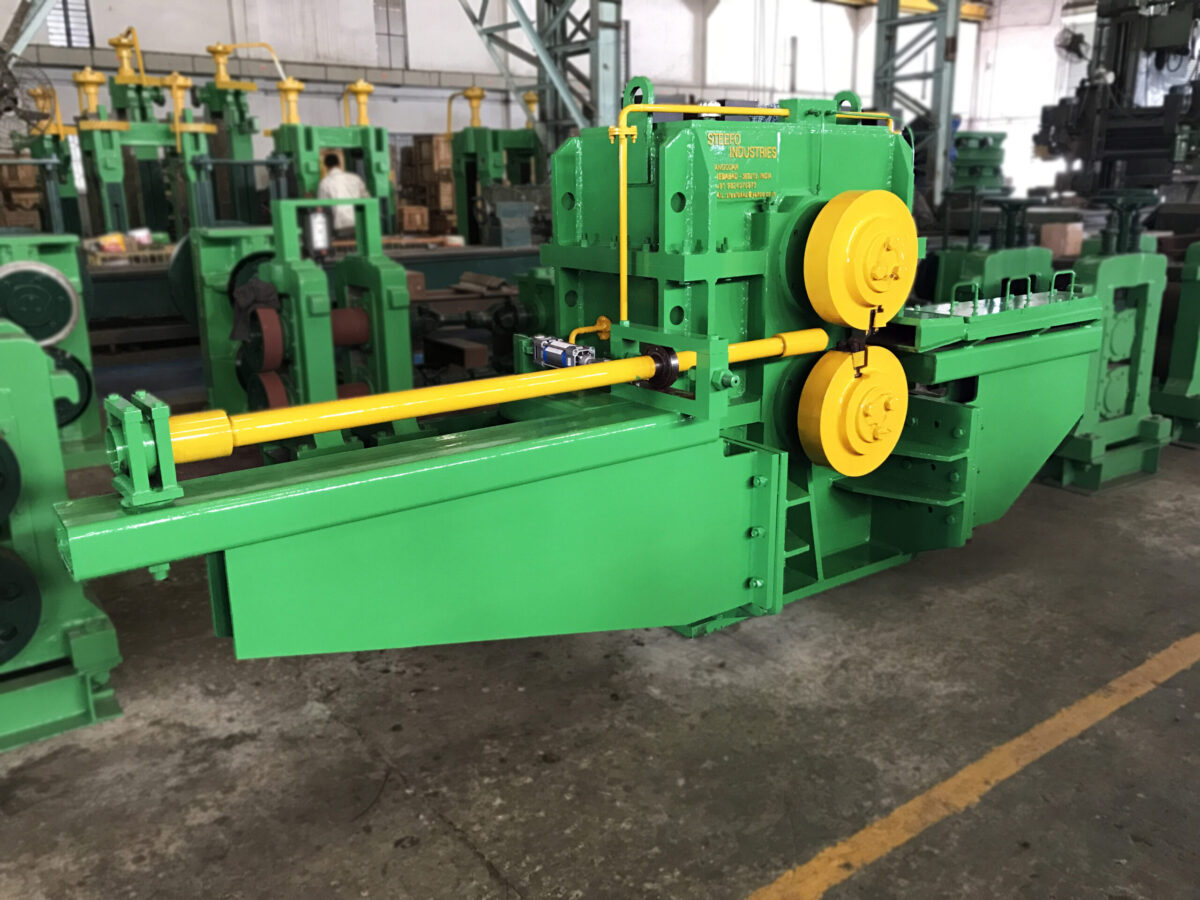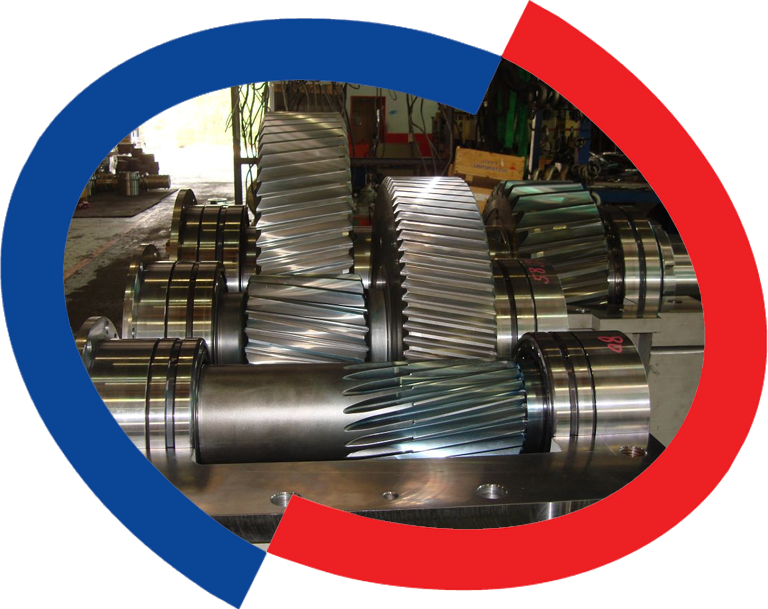
The efficiency of modern metal production relies heavily on hidden heroes behind the scenes. High-quality materials and chemical additives dictate the success of every major manufacturing cycle. A slight deviation in these raw materials can ruin an entire batch of molten metal.
Plant managers know that controlling operational costs starts with intelligent procurement. The materials used daily directly influence your end product, energy consumption, and maintenance schedules.
This comprehensive guide will help you navigate the complex world of material selection. You will discover the different categories of essential materials, their specific applications, and a clear framework for making better purchasing decisions.
What Are Steel Plant Consumables?
Steel Plant Consumables are expendable materials, chemicals, and specialised components that are regularly depleted and replaced during the steelmaking process. They include ferroalloys, refractory materials, lubricants, and casting components. These materials are essential for maintaining chemical balance, protecting heavy equipment from extreme temperatures, and ensuring smooth daily production in a steel plant.
What Are Steel Plant Consumables
To truly optimise a facility, operators must first classify their inventory accurately. These materials form the backbone of everyday metallurgical processes.
1. Core Definition and Purpose
Steel plant consumables refer to materials exhausted through normal production cycles. They do not form the permanent machinery but are critical to the chemical and physical processes.
Their primary purpose is to facilitate melting, refining, casting, and shaping. Without a steady supply of these items, a steel rolling mill simply cannot operate. They act as the catalyst and protector for heavy machinery.
2. The Difference Between Consumables and Spares
People often confuse consumable items with spare parts. This is a crucial distinction for inventory management.
Spares are permanent machine components replaced only upon failure or heavy wear. Examples include gears, motors, and conveyor belts.
Consumables are expected to be used up rapidly. They are purchased in bulk and factor directly into the per-ton cost of the final product.
3. The Critical Role in Daily Operations
Production continuity depends entirely on reliable material availability. A sudden shortage of ramming mass or ferroalloys will immediately halt furnace operations.
Product quality is also deeply tied to these materials. The chemical properties of the final output rely on pure, high-grade additives.
Process efficiency improves when operators use top-tier materials. Good materials reduce the required melting time and lower overall energy consumption.
Major Types of Steel Plant Consumables
A typical manufacturing facility requires a vast array of specialised items. We can group these into four distinct categories based on their application.
1. Essential Ferroalloys in Steelmaking
Ferroalloys are metal alloys containing iron and a high proportion of one or more other elements. Plant workers blend these alloys into the hot iron to lock in the chemical balance required.
- Ferro Silicon: This acts as a powerful deoxidiser. It removes oxygen from the molten metal to prevent blowholes in the final product.
- Silico Manganese: This adds toughness and strength. It is highly favoured in structural material production because it cleans the liquid bath efficiently.
- Ferro Manganese: This counters the negative effects of sulfur. It acts as a desulfurizer and greatly improves the tensile strength of the metal.
These alloys dictate the absolute quality and grade of the output.
2. High-Temperature Refractory Materials
Extreme temperatures require formidable containment strategies. Refractory materials line the furnaces and ladles to protect the outer steel shells.
- Silica Ramming Mass: This is a crucial lining material for induction furnaces. It withstands intense thermal shocks and prevents molten metal from breaching the coil.
- Refractory Bricks: These line the walls of blast furnaces and ladles. They must resist extreme heat and chemical corrosion from acidic slag.
- Castables: Operators use these unshaped materials to patch up worn linings quickly.
Proper refractory selection prevents catastrophic equipment failure.
3. Casting and Material Handling Gear
Once the metal reaches its chemical composition, it must be safely shaped and transported.
- Copper Mould Tubes: These play a critical role in continuous casting by shaping molten steel into the desired form as it begins to solidify. They must offer excellent thermal conductivity, dimensional accuracy, and resistance to wear under extreme heat.
- Tundish Tips and Nozzles: These components control the flow of molten steel from the tundish to the mould. They help regulate casting speed, improve stream stability, and reduce the risk of contamination or turbulence during the process.
- Slag Pots: These massive containers transport waste byproducts away from the furnace area. They must be highly durable to withstand the aggressive nature of liquid slag.
High-quality casting and material handling gear directly reduces surface defects and supports better consistency in the final product.
4. Maintenance and Operational Essentials
Heavy machinery in a steel rolling mill operates under immense pressure and friction. Daily maintenance items keep these machines running smoothly.
- Industrial Lubricants: Specialised greases and oils prevent metal-on-metal friction in high-temperature zones.
- Wear Components: Items like shear blades and guide rollers wear down fast and need frequent replacement.
- Testing Probes: Expendable temperature probes and samplers ensure precise quality control during the melt.
Neglecting these routine items leads to sudden and expensive machinery breakdowns.
How These Consumables Impact Steel Plant Performance
Every raw material introduced into the system has a ripple effect. The choices made by procurement teams directly influence the plant’s bottom line.
1. Direct Effect on Final Steel Quality
Chemical consistency is the hallmark of a premium manufacturer. High-grade steel plant consumables ensure that every batch meets metallurgical standards.
Cheap ferroalloys often contain unwanted impurities like excessive phosphorus. This leads to brittle products and rejected batches.
High-grade casting molds actively minimize exterior flaws by preventing severe cracks and scale formation on the final product. This ensures a clean surface finish, which is critical for high-end applications.
2. Boost to Production Efficiency
A well-supplied plant experiences significantly reduced downtime. When refractory materials hold up longer, furnaces require fewer cooling and relining cycles.
Better furnace performance directly links to the quality of the ramming mass. A stable lining improves induction efficiency, meaning the metal melts faster.
Improved operational reliability means operators spend less time troubleshooting. Predictable wear rates allow for perfectly timed maintenance schedules.
3. Reduction in Overall Production Costs
Many buyers assume that cheaper materials save money. The reality in a steel plant is often the exact opposite.
Lower maintenance expenses naturally follow the use of superior products. When machines run smoothly, you spend less on emergency repairs and labour.
Better materials lead to reduced material wastage. Precise temperature readings from high-quality probes prevent overheating and energy waste.
The long-term return on investment always favours premium supplies.
| Performance Metric | Impact of Low-Quality Materials |
Impact of High-Quality Materials |
| Furnace Uptime | Frequent relining needed | Extended campaign life |
| Energy Usage | High (due to heat loss) | Optimised and efficient |
| Product Rejection | High (chemical impurities) | Minimal to zero |
| Overall ROI | Poor | Excellent |
A Guide to Choose the Right Steel Plant Consumables
Selecting the right materials requires a strategic approach. Procurement must look beyond the initial price tag.
1. Evaluate Material Quality
Strict chemical composition must be the absolute priority. Always request a detailed chemical analysis certificate before accepting any ferroalloy shipment.
Performance standards should align with international benchmarks. Ensure the refractory materials match your required thermal ratings.
Consistency is just as vital as peak quality. A supplier must deliver the same grade in batch one and batch one hundred.
2. Match Plant-Specific Requirements
Every facility operates differently. Your choices must reflect your unique setup.
Consider the furnace type first. An electric arc furnace requires different refractory solutions compared to an induction furnace.
Production capacity dictates your volume requirements. High-output plants need suppliers capable of large, uninterrupted deliveries.
Always keep the end-product requirements in focus. Automotive-grade products require far purer additives than standard construction rebar.
3. Assess Supplier Reliability
Your facility is only as reliable as your supply chain.
Strict quality assurance protocols are non-negotiable. Ask potential vendors about their internal testing and validation processes.
Strong technical support separates good suppliers from great ones. The right vendor will help you troubleshoot lining failures or chemistry imbalances.
Delivery capabilities must be bulletproof. A delayed shipment of critical steel plant consumables can cost millions in lost production time.
4. Focus on Lifecycle Value
Do not evaluate materials based purely on the upfront invoice.
Calculate the actual performance versus cost. Paying a higher upfront price for a durable lining that survives dozens of extra melts will ultimately save you money over time.
Look for long-term operational benefits. Products that lower your energy bills provide value far beyond their purchase price.
Costly Mistakes to Avoid During Procurement
Even experienced buyers fall into common traps. Avoiding these errors will dramatically improve your operational efficiency.
1. The Cheap Price Trap
This is the most frequent and damaging mistake. Buyers often select the lowest bidder for bulk items like silica mass or ferro silicon.
Cheap materials usually harbour impurities. These impurities force operators to use more energy to clean the melt, completely erasing the initial savings.
Low-grade moulds crack faster, leading to dangerous metal leaks and ruined batches. Always measure cost per ton of liquid metal produced, not just the unit price.
2. System Compatibility Mismatches
Materials must match the existing physical and chemical environment.
Using an acidic refractory lining when producing highly basic slag will destroy the furnace walls rapidly.
Similarly, purchasing generic lubricants for high-temperature zones in a steel rolling mill will result in instant vaporisation and bearing failure.
3. Poor Supplier Quality Standards
Blindly trusting a new vendor without verification is a huge risk.
Always demand a trial batch before committing to a bulk contract. Test the materials thoroughly in a controlled environment.
Failing to audit the supplier’s manufacturing facility often leads to inconsistent deliveries later.
4. Inadequate Inventory Planning
Consumables run out fast. Poor tracking leads to sudden, catastrophic shortages.
Depending solely on lean, immediate deliveries for vital materials like ferroalloys makes your production line highly susceptible to international market disruptions.
Maintain a healthy safety stock based on your historical consumption rates to protect your continuous operations.
The Value of a Trusted Supplier for Your Steel Rolling Mill
At The Steefo Group, we know that heavy machinery needs the right support system. Partnering with a dedicated vendor transforms your operational capabilities.
1. Consistent Product Quality
A trusted partner removes the guesswork from procurement. You never have to worry about sudden drops in material purity.
This consistency allows your engineers to standardise their melting recipes. Predictability is the ultimate key to profitable manufacturing.
2. Reliable Supply Chain Support
Strong vendors hold sufficient buffer stock for their best clients. They absorb the shock of market shortages so your steel plant keeps running.
This reliability means your procurement team can focus on strategy rather than constantly chasing delayed trucks.
3. Technical Expertise
Top-tier vendors work so closely with your plant that they essentially function as an internal branch of your engineering department.
When a new defect appears in your steel rolling mill, a knowledgeable vendor can identify if a specific consumable is the root cause. They offer actionable solutions to optimise your usage rates.
4. Long-Term Operational Benefits
Strategic partnerships lead to continuous improvement. Trusted vendors will introduce you to next-generation materials that boost your output.
They help you transition to more energy-efficient practices, ensuring your facility remains competitive in a tough global market.
Conclusion
The success of any modern manufacturing facility lies in the details. Steel plant consumables are far more than just background inventory. They are the driving force behind product quality, furnace longevity, and overall profitability.
A careless approach to procurement leads to wasted energy, rejected batches, and severe equipment damage. Operators must prioritise chemical purity, thermal resistance, and long-term performance over a cheap upfront price tag.
By understanding the function of ferroalloys, refractories, and casting gear, plant managers can dramatically improve their operational metrics. Every single additive must serve a precise purpose to keep the steel rolling mill running at maximum efficiency.
Establishing a dependable procurement network is the last critical step in ensuring your plant’s operational success. When you align your facility with experts who understand the harsh realities of metal manufacturing, you guarantee your plant’s future success. Take control of your inventory today and watch your production metrics soar.
Frequently Asked Questions About Steel Plant Consumables
Plant operators often raise similar questions regarding material optimisation. Here are clear answers to the most common queries.
1. What are the most commonly used consumables in a steel plant?
The highest volume items are usually refractory lining materials and ferroalloys. Silica ramming mass, ferro silicon, silico manganese, and ingot moulds make up the bulk of daily consumption. The facility relies on a steady stream of industrial lubricants and precision cutting instruments to keep production moving.
2. How do these materials affect steel quality?
Ferroalloys directly alter the chemical and physical properties of the metal. They add strength, remove trapped oxygen, and eliminate harmful sulfur. Refractory materials keep the liquid metal pure by preventing contamination from the furnace walls.
3. What separates consumables from spare parts?
Consumables are items depleted and replaced regularly as a natural part of the production cycle. Spare parts are permanent machinery components that are only replaced when they break down or wear out over a long period.
4. How often should procurement review requirements
Facilities should review their material requirements every quarter. This allows the team to adjust volumes based on changing production goals. It also provides an opportunity to evaluate the performance of current vendors and explore newer, more efficient materials on the market.
5. What makes a reliable supplier?
A reliable vendor provides consistent chemical purity, punctual delivery schedules, and robust technical support. They must be able to prove their quality through strict testing certificates. Furthermore, they should act as problem-solvers who help you optimise your daily consumption.
Partner with a Trusted Steel Plant Consumables Supplier
Are you ready to optimise your production line and eliminate costly downtime? Securing premium-grade raw materials serves as the bedrock for any high-performing production environment. You need a partner who truly grasps the harsh realities of modern metal manufacturing.
The Steefo Group stands as a leading hot rolling mill manufacturer in India. We understand what it takes to keep your heavy machinery running at peak capacity. Our team provides premium solutions and expert guidance tailored directly to your specific operational needs.
Do not let substandard materials disrupt your daily output. Elevate your plant performance with reliable supplies that protect your bottom line.
Connect with us today at +91 87589 98607 or email us at marketing@thesteefogroup.com to discuss your inventory requirements. Let our industry experts help you secure a robust supply chain. Boost your efficiency and secure your competitive edge in the market now.