Categories
Blogs Rolling Mill

The environment inside a high-speed hot rolling mill is incredibly fast and demanding. Red-hot steel moves down the production line at blistering speeds. Even a microsecond delay can cause catastrophic material pile-ups.

Seamless material flow is the backbone of plant throughput. The critical transition from the finishing stands to the cooling beds determines your final daily output. Conventional shears simply cannot keep up with today’s high-speed production lines.

What Do Automated Shearing Machines Do?

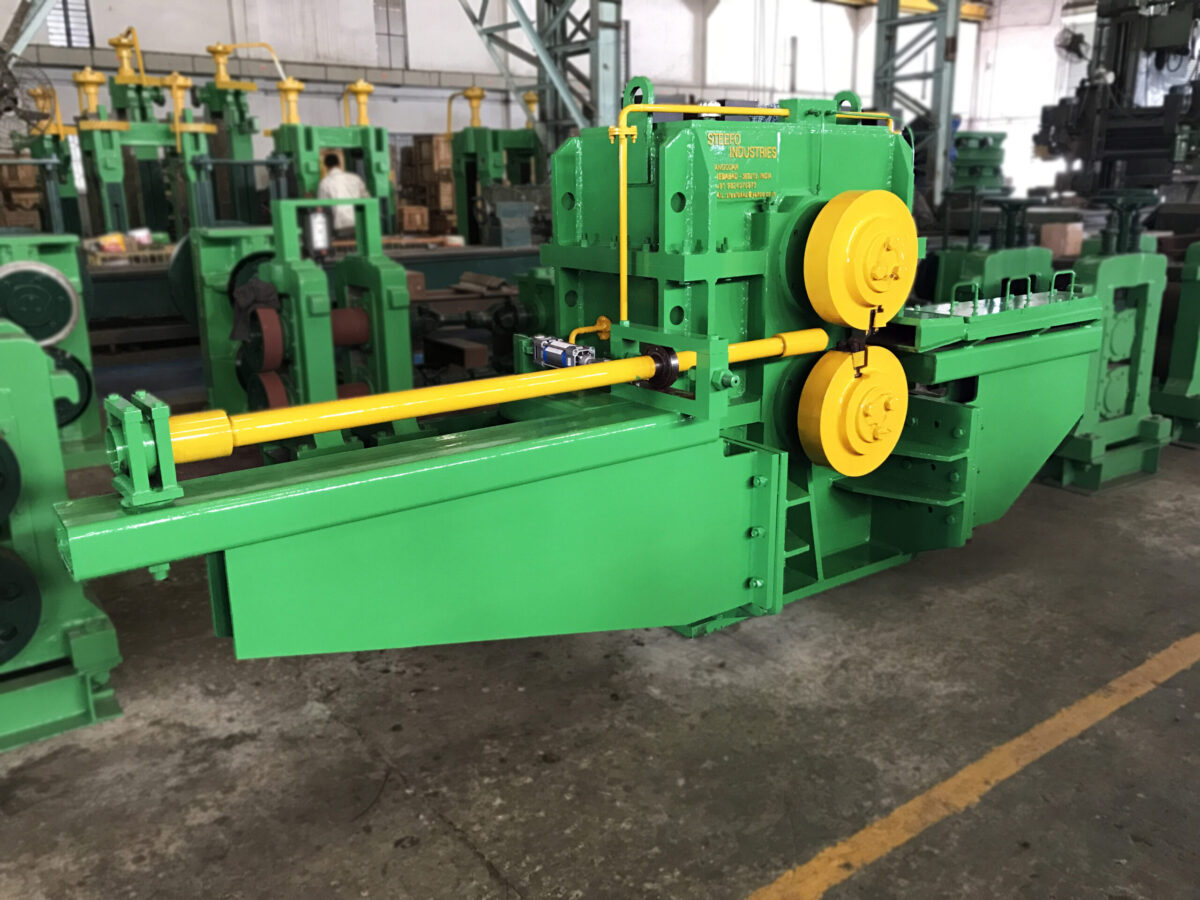
Automated shearing machines are advanced precision metal cutting systems that use programmable logic controllers and smart sensors to cut moving steel at exact lengths without stopping the production line. These intelligent systems eliminate bottlenecks and transform raw metal into finished products seamlessly.

Let us explore how automation turns these heavy-duty machines into highly predictable profit drivers.

The Evolution of Shearing Machines in Modern Steel Plants

Steel manufacturing has transformed drastically over the last few decades. Upgrading from manual interventions to fully automated setups is now mandatory for survival. You must adopt advanced technologies to remain competitive.

Early steel plants relied heavily on basic mechanical leverage. Today, modern operations connect continuous casting directly to intelligent cutting systems.

Why Manual Mechanical Shears Fall Behind

Manual and semi-automated mechanical shears rely heavily on human intervention. Operators must manually trigger levers to cut the incoming metal.

These slow lever responses inevitably cause severe production bottlenecks. Human reaction times cannot match the speed of a high-capacity rolling mill.

This delay creates inaccurate cuts and inconsistent lengths. These errors often result in structural bar deformities that fail quality control checks. Your rejection rates climb, and your profits shrink.

How Automation Redefines Continuous Mill Operations

Automation introduces true continuous non-stop processing on your factory floor. The metal flows from the furnace to the cooling bed without a single pause.

Automated machinery adapts instantly to sudden changes in rolling mill speed. If the upstream stands speed up, the cutting blades accelerate to match the pace.

This creates a synchronised dance of heavy machinery. It completely removes the guesswork from metal cutting accuracy and ensures optimal plant throughput.

Technical Systems Powering Automated Shearing Machines

The true magic of automation lies inside the hardware and software architecture. Advanced electronics take complete control of the mechanical components.

Understanding these internal systems helps plant engineers optimise their daily cycle time.

1. PLC Integration for Split-Second Blade Synchronisation

Programmable Logic Controllers (PLCs) act as the brain of modern shearing machines. These industrial computers calculate the exact linear speed of the incoming hot steel bar.

PLCs use advanced closed-loop feedback to process data in milliseconds. They ensure perfect synchronisation between the blade movement and the moving metal.

This high-speed blade actuation guarantees a perfectly clean cut every single time. Continuous line speeds remain stable because the cutting mechanism never lags behind.

2. Smart Sensors for Exact Crop Optimisation

Infrared pyrometers and laser sensors monitor the steel continuously. They detect the exact head and tail ends of the hot billets as they approach the crop shears.

This real-time measurement drives aggressive crop optimisation. The sensors tell the blade exactly where to cut to remove only the defective ends.

Precise cutting prevents excessive metal loss during the cropping phase. You retain more usable steel and dramatically improve your overall yield.

3. Intelligent Human-Machine Interface (HMI) for Real-Time Data Display

HMI systems give operators a crystal-clear view of the production floor. These digital touchscreens display real-time metrics about blade health and daily cut counts.

Operators can monitor the entire cutting process from a safe distance. They never have to step near the active hot zone to check machine status.

Intelligent HMIs also display specific diagnostic error codes. This instantly points maintenance teams to the problem and lowers overall troubleshooting time.

Direct Production Benefits for Billet and TMT Manufacturers

Upgrading your plant machinery requires a solid business case. The financial return on investment is the most critical factor for plant owners.

Automated shearing machines deliver massive cost savings and immediate revenue boosts.

1. Higher Material Yield with Minimal End-Crop Waste

Precise automated cuts maximise the total number of sellable TMT bars per billet. Yield optimisation is the fastest way to increase your profit margins.

Let us look at a practical steel industry metric.

Imagine a hot rolling mill producing 500,000 tons of steel annually.

Reducing scrap waste by just 0.5 per cent saves 2,500 tons of steel every single year. This fraction of a per cent translates into millions in recovered revenue.

2. Uninterrupted High-Speed Rolling Mill Performance

Automatic flying shears prevent devastating material blockages on the mill floor. They cut the steel while it is moving and instantly return to their starting positions.

This creates a smooth and predictable cycle time. The continuous flow of cut steel keeps the downstream processing moving without delays.

Consistent performance ensures the entire cooling bed operates at peak capacity. You get more finished products out the door every single shift.

3. Enhanced Dimensional Accuracy Across Every Batch

Automated controls maintain strict compliance with global construction standards. Builders demand exact bar lengths for their engineering projects.

Smart shearing machines deliver unparalleled metal cutting accuracy across every single batch. The finished TMT bars are uniform and ready for market.

This precision eliminates the need for manual secondary trimming processes. You save labour costs and speed up your final delivery timelines.

Manual vs. Automated Shearing Machines: Performance Metrics

Metric

Manual Shearing Machine

Automated Shearing Machine

Cut Accuracy Highly variable Millimeter precision
Scrap Generation High end-crop waste Optimised minimum waste
Mill Synchronisation Poor Instant adaptation
Labor Requirement High manual intervention Minimal remote monitoring

How Predictive Maintenance Protects Heavy-Duty Blade Lifespans

Heavy-duty cutting machinery undergoes immense physical stress daily. Friction and extreme heat constantly degrade the internal components.

Automation introduces predictive maintenance to protect your investment. Plant engineers can fix problems before a breakdown happens.

Vibration and Temperature Sensors for Wear Analysis

Automated systems track the physical stress on shearing machines during heavy operation. Sensors constantly measure bearing vibrations and motor temperatures.

Software compares this data against safe operational thresholds. It sends immediate alerts to maintenance crews if a machine runs too hot or shakes too much.

This proactive approach allows you to schedule repairs during planned downtime. You successfully prevent total blade failure and avoid massive repair bills.

Automated Lubrication Systems That Reduce Human Error

Proper lubrication is essential for high-speed billet shears. Timed mechanical oiling extends the lifespan of internal gears and moving knife holders.

Automated pumps deliver the required amount of grease at specific intervals. The system guarantees that no moving part runs dry.

Contrast this with manual lubrication schedules that often get missed during hectic shifts. Automated oiling removes human error and keeps the machine running smoothly.

Boost Safety and Operational Efficiency on the Mill Floor

A modern rolling mill poses severe hazards to floor workers. Moving metal, extreme heat, and flying debris are constant threats.

Automation drastically improves workforce safety and helps you meet strict regulatory compliance.

Remote Operator Booths Away From Hazardous Zones

Automated controls allow personnel to manage the equipment from enclosed climate-controlled spaces. Operators rely on cameras and HMIs instead of standing next to the machinery.

This distance keeps workers safe from flying sparks and hot scale debris. The risk of accidental burns drops to nearly zero.

Emphasising remote operations leads to a drastic reduction in workplace injuries. Your employees feel safer, and your insurance premiums often decrease.

Instant Shut-Off Triggers During Material Jams

Cobbles and material jams are an unfortunate reality in steel manufacturing. Loop sensors act as the first line of defence when a blockage occurs.

These sensors identify immediate line blockages and halt the shearing machines instantly. The system reacts much faster than any human pressing an emergency stop button.

This automated safety step protects neighbouring hot rolling mill equipment from collateral damage. You save hundreds of thousands of dollars in secondary equipment repairs.

Upgrade Your Existing Production Line With Automation

Plant owners often face a difficult decision when modernising. You must choose between a factory retrofit and a completely new turnkey installation.

Old mechanical shearing machines can often receive powerful PLC retrofits. Engineers can install new servo motors and sensors onto your existing heavy iron frames.

This approach extends your plant capabilities without initial capital expenditure. You gain the benefits of automated crop optimisation and high-speed cutting for a fraction of the cost of new equipment.

However, older frames may eventually limit your maximum production speed. Consult with industry engineers to determine if a retrofit or a new installation offers the best long-term return.

Conclusion

Automation transforms shearing machines from high-risk bottlenecks into predictable profit drivers. Upgrading your cutting systems ensures continuous casting flow, drastic scrap reduction, and guaranteed dimensional accuracy. You protect your workers while maximising your daily plant throughput and total yield.

Stop letting outdated machinery dictate your production limits. Consult with specialised rolling mill engineering experts today to audit your current layout and discover the perfect automation solution for your plant.

Frequently Asked Questions

1. What is the main function of shearing machines in a rolling mill?

Automated shearing machines cut hot steel billets and TMT bars to exact lengths during continuous production. They use smart sensors to optimise cuts, minimise scrap waste, and ensure smooth material flow across the hot rolling mill floor.

2. How does automation improve billet crop shear efficiency?

Automated systems use programmable logic controllers and infrared sensors to detect the precise ends of moving steel. This real-time synchronisation guarantees clean cuts, reduces end-crop waste, and prevents downstream blockages.

3. Can you retrofit older hot rolling mill cutting equipment?

Yes, plant engineers can upgrade older mechanical shearing machines with modern PLC retrofits, servo motors, and automated lubrication systems. This cost-effective solution increases cutting accuracy and plant throughput without requiring a completely new installation.

4. Why is predictive maintenance important for metal cutting blades?

Continuous high-speed cutting creates significant physical stress. Predictive sensors monitor motor temperatures and blade vibrations in real time. This alerts maintenance teams to potential wear early and prevents total machine failure during active shifts.

5. How do automated flying shears increase worker safety?

They allow operators to control heavy machinery from remote, climate-controlled booths. This removes personnel from hazardous active zones and drastically reduces the risk of workplace injuries caused by hot metal, flying scale, and moving parts.

6. How do automated shearing machines impact long-term plant ROI?

By minimising end-crop scrap and eliminating manual secondary trimming, these systems directly maximise material yield. The drastic reduction in unplanned operational downtime and material waste ensures rapid capital recovery for the hot rolling mill.

7. What ensures cutting precision when a rolling mill runs at peak speed?

Advanced PLC integration handles split-second blade synchronisation. High-speed closed-loop feedback systems calculate the exact linear speed of the moving steel bar, ensuring the blade matches the identical pace required for millimetre-perfect cuts.

Transform Your Mill Floor with Steefo Engineering Excellence

In a highly competitive global market, minor equipment delays can quickly drain your daily profits. The Steefo Group designs robust, high-speed shearing machines and integrated hot rolling mill systems built specifically to eliminate production bottlenecks. Our role goes far beyond delivering industrial hardware. Our team delivers customised turnkey engineering solutions that maximise material yield, reduce scrap waste, and lower long-term operational costs.

Our advanced automated components sync seamlessly with your continuous operations to protect your workforce and boost cutting precision. Whether your plant requires a powerful technical retrofit or a completely new turnkey facility design, our decades of engineering expertise ensure your investment drives immediate financial returns.

Contact our specialised engineering consultant at +91 87589 98607 or email us at marketing@thesteefogroup.com to schedule a comprehensive facility audit. Let us build a more profitable, safer, and highly efficient production future together.
Categories
Blogs Rolling Mill

Demand for high-strength Thermo Mechanically Treated (TMT) bars is surging across the global construction sector. From towering residential skyscrapers to massive public infrastructure projects, the market requires unparalleled volumes of structural steel. This creates immense daily pressure on steel plant managers and floor operators. The objective is clear and relentless. Facilities must push for maximum daily output without ever compromising the structural integrity or quality of the steel.

Older manufacturing setups struggle significantly under these harsh, modern demands. Traditional heavy frames create severe bottlenecks and precision issues during continuous, high-speed production runs. The huge cast iron housings found in older equipment stretch and flex under heavy loads. This flexing leads to gauge variations, causing the final TMT bars to fall outside strict weight and dimensional tolerances. When precision drops, profitability immediately follows.

The core solution for overcoming these industrial bottlenecks lies in modern mechanical upgrades. Switching your primary equipment to a housingless mill stand is the most reliable way to guarantee uniform TMT bar dimensions. Furthermore, this specific upgrade drastically cuts down on expensive plant downtime. The modern engineering behind these units transforms how a heavy manufacturing facility operates daily.

The Engineering Behind Modern TMT Manufacturing

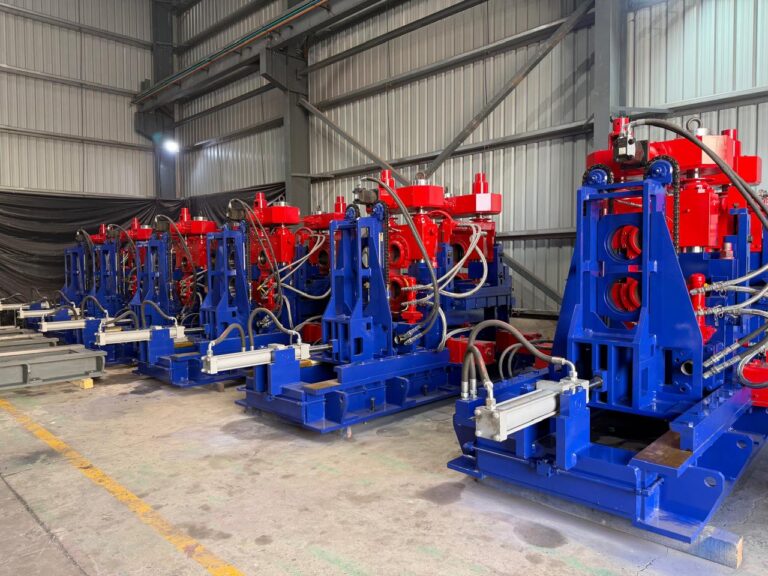
Understanding why a housingless mill stand outperforms legacy equipment requires a close look at its stripped-down, highly efficient design. This industrial unit entirely removes the outer cast housing that defines conventional setups. Instead of relying on a bulky, heavy frame to contain the rolling forces, the roll chocks connect directly to each other via high-strength, pre-stressed tension screws. This creates an incredibly rigid and compact rolling module. The top and bottom chocks are locked together firmly, ensuring the rolls remain where they need to be during heavy operation.

The fundamental engineering principle driving this efficiency is the short stress path. In traditional mill stands, the extreme separating force generated by the hot steel billet travels through a long route. It moves from the rolls to the chocks, up the pressure screws, into the cast housing, and finally back down. This long path acts like a giant, heavy spring. Under extreme pressure, the housing stretches slightly. This elastic stretch causes the rolls to part, which ruins the dimensions of the steel.

A housingless mill stand dramatically shortens this stress path. The intense rolling force only travels through the rolls, the chocks, and the immediately connecting tension screws. A shorter stress path means the machine absorbs rolling forces far more effectively than conventional equipment found in older rolling mills. Because the tension screws are short and highly rigid, their elastic elongation is practically zero. This eliminates the mill spring effect.

How a Housingless Mill Stand Upgrades TMT Bar Quality

The precision that a housingless mill stand provides translates immediately into superior steel products. Upgrading your facility guarantees three direct improvements to the final product.

1. Attain High Dimensional Accuracy

Minimal roll deflection keeps the hot metal exactly within the required tolerance from the very first pass. Traditional rolling mills often produce bars that are slightly overweight due to roll parting under load. This forces manufacturers to give away free steel to meet minimum length requirements. The hyper-rigid design of a housingless mill stand eliminates this costly issue. The rolls hold their gap under maximum load. This extreme dimensional accuracy is a non-negotiable factor for standard TMT ribbed profiles to meet strict international building codes.

2. Guarantee Uniform Metal Deformation

Inside a housingless mill stand, the structural rigidity ensures flawless shaping. The hot steel billet gets shaped perfectly and evenly from the first roughing pass to the final finishing block. Uniform deformation is critical for the internal grain structure of the metal. When the steel is compressed evenly, its tensile strength and yield strength become highly consistent across the entire length of the bar. There are no weak spots or uneven zones caused by mechanical flex.

3. Deliver a Flawless Surface Finish

Consistent pressure across the highly stable rolls prevents structural flaws on the final steel bars. Any vibration or shifting in traditional mill stands can cause surface tearing, uneven rib formation, or lap defects. By eliminating mechanical play, the rolls bite the steel smoothly. This guarantees that the transverse ribs—which are essential for concrete bonding in construction—are formed at the required depth and spacing.

Drive Plant Floor Efficiency

Beyond product quality, incorporating a housingless mill stand on the floor revolutionises operational speed. The focus shifts strictly to the speed of maintenance and uninterrupted running times.

Unplanned production stops are the biggest profit drain in modern steel plants. Every minute a line sits idle, the facility bleeds potential revenue. Traditional setups require hours of manual labour to fix issues or adjust guides. In contrast, modern equipment is designed to keep the red-hot steel moving at maximum velocity. Fast maintenance protocols ensure that the line rarely stops for long.

The mechanics of quick roll changes completely transform the shift changeover process. In older facilities, changing worn rolls meant shutting down the line and dismantling heavy components right on the floor. Every modern housingless mill stand supports an offline standby method. While the active unit is running, floor staff prepare the next unit in the workshop area. When a roll change is required, operators disconnect a single utility plate. An overhead crane lifts the entire spent module out of the line and drops the pre-aligned new unit into place. This turns an exhausting two-hour mechanical swap into a swift fifteen-minute procedure.

This speed directly maximises continuous rolling operations. Modern equipment handles incredibly long production runs without needing constant manual adjustments from the floor staff. Because the rolls do not flex or part, operators do not have to constantly tweak the screw-down mechanisms to compensate for wear or gauge variation. The machine simply runs seamlessly until the scheduled changeover time.

Mechanical Superiority and Equipment Longevity

Every housingless mill stand engineered for heavy industry is built to survive brutal conditions while protecting its most delicate internal components.

Better load distribution directly protects the internal bearings from premature failure and excessive wear. Heavy-duty spherical roller bearings or multi-row cylindrical bearings sit inside the chocks. Because the short stress path prevents the rolls from bending, the load on these bearings remains perfectly even. There is no edge-loading or twisting force applied to the bearing races. This extends bearing life under heavy loads significantly, saving plants lakhs of rupees in replacement parts every quarter.

Furthermore, these modern units excel at eradicating backlash. A housingless mill stand features self-balancing spindle mechanisms and automated screw-down features. Traditional setups often suffer from mechanical play between the threads and the chocks. When the steel billet hits the rolls, this gap snaps shut, causing a shockwave through the machine. Modern roll balance systems use powerful hydraulic cylinders to keep the chocks constantly pressed against the screw-downs. This completely prevents mechanical play or shock during heavy operation.

Finally, operators benefit from built-in automated utility connections. Built-in hydraulic lines, grease lubrication channels, and water cooling mechanisms are routed through a single multi-coupling block. This automated defence protects the machinery automatically without relying on operators to manually connect dozens of individual hoses. If a line needs to be swapped, the utilities disconnect and reconnect flawlessly in seconds.

Optimise Steel Plant Layout

Integrating new machinery into an existing industrial space is often a logistical nightmare. However, installing a housingless mill stand offers plant managers incredible flexibility.

1. Adapt to Compact Footprints

A housingless mill stand requires significantly less floor space compared to bulky traditional frames. By removing the giant cast iron housing, the overall volume of the machine shrinks by nearly half. This allows steel manufacturers to fit more rolling passes into a shorter building. It also frees up vital floor space for safer operator walkways and better material handling logistics.

2. Leverage Horizontal and Vertical Configurations

Modern mills must eliminate the twisting of the hot steel bar between passes. Twisting causes surface defects and slows down the line speed. These modern units offer the flexibility of being installed in alternating horizontal and vertical configurations. The universal design allows the same base cartridge to operate perfectly in either orientation to perfectly suit the existing mill setup.

3. Integrate Seamlessly Into Existing Lines

Plant managers do not need to completely rebuild their facility to see immediate benefits. Upgrading specific weak points in a line is highly viable. You can seamlessly replace an ageing finishing block with a continuous train of these advanced units. The compact base plates can be engineered to fit precisely onto your existing foundations.

Track the Financial Returns of a Housingless Mill Stand Upgrade

Ultimately, upgrading to a housingless mill stand translates into significant financial gains across three major operational pillars.

First, these units actively lower annual maintenance budgets. The extended component lifespan of high-end bearings and the vast reduction in moving parts lead to direct annual cost savings. There are no housings to inspect for micro-fractures. The offline maintenance model means fewer tools and fewer emergency mechanical interventions on the hot floor.

Second, this equipment directly boosts overall production capacity. Faster roll changes mean the line operates for more hours every single week. Continuous running without manual gauge adjustments directly increases the total daily tonnage of finished TMT bars. Capturing an extra hour of rolling time per day yields substantial revenue increases over a fiscal year.

Finally, facilities experience noticeable reductions in energy consumption during operations. Because a housingless mill stand operates with incredibly low friction and zero mechanical binding under load, it draws far less power. The main drive motors do not have to fight against the internal flexing of the machine. This highly efficient design lowers the electrical draw during heavy metal deformation cycles, shrinking the plant’s monthly utility overhead.

Conclusion

The implementation of a housingless mill stand represents the peak of modern hot rolling technology. The construction industry will only continue to demand higher volumes of flawless TMT bars. Steel plants relying on outdated, cast housings will inevitably face higher maintenance costs and lower production ceilings. By embracing the rigid, compact, and efficient engineering of modern tension-screw setups, plant managers can eliminate costly bottlenecks. From protecting bearing life to ensuring perfect dimensional accuracy, this equipment secures a plant’s profitability for decades to come.

Frequently Asked Questions

1. How does a Housingless Mill Stand improve TMT bar dimensions?

The rigid design relies on short tension screws rather than a large cast housing. This creates a very short stress path that prevents the rolls from flexing or parting under extreme pressure. This precise gap maintenance guarantees the final TMT bar matches exact weight and dimensional tolerances.

2. Why is the short stress path important for hot rolling mills?

A short stress path eliminates mill spring. It prevents the heavy rolling force from travelling through a large, elastic frame. Instead, the force is contained within a compact loop, allowing the machine to absorb heavy loads without distorting the final product.

3. Can we install a Housingless Mill Stand in our existing TMT production line?

Yes. These units are highly adaptable due to their compact footprint and versatile base designs. You can upgrade specific sections of your existing line without needing to rebuild the entire facility or pour entirely new foundations.

4. How much time is actually saved during a quick roll change?

Traditional setups can take hours to dismantle and reassemble on the floor. With the modern offline standby method, an overhead crane swaps an entire pre-assembled cartridge in roughly fifteen minutes. This gets the production line moving again almost instantly.

5. Does this equipment really reduce overall maintenance costs?

Absolutely. The design ensures better load distribution, which dramatically extends the lifespan of expensive internal bearings. Furthermore, the use of hydraulic roll balancing eradicates mechanical shock and backlash, significantly lowering the frequency of emergency repairs.

Upgrade Your TMT Production Line with The Steefo Group’s Advanced Housingless Mill Stands Today

Are you tired of costly downtime and inconsistent steel quality eating into your profits? The construction sector demands absolute perfection, and legacy equipment holds your capacity back. It is time to transform your floor efficiency.

At The Steefo Group, we engineer industry-leading solutions in Ahmedabad. Our highly rigid equipment eliminates mill spring, guarantees dimensional accuracy, and drastically slashes maintenance times. Stop worrying about roll deflection and start maximising your daily finished tonnage.

Partner with a manufacturer that understands the harsh realities of high-speed operations. We will help you integrate our robust units seamlessly into your existing layout.

Ready to boost your total output and secure a competitive edge? Contact The Steefo Group now. Speak with our technical experts at +91 87589 98607 or email us at marketing@thesteefogroup.com to request a custom quote.

Categories
Blogs Rolling Mill

India’s fast urbanisation and booming infrastructure have led to a sharp rise in demand for strong, reliable, and affordable construction materials especially TMT (Thermo-Mechanically Treated) bars. These high-strength reinforcement TMT bars are the backbone of every construction project, from highways and metros to residential towers and industrial plants.

For businesses in the steel, construction, or real estate space, setting up a TMT rolling mill offers a strategic opportunity. It’s not just about meeting growing demand. It’s also about gaining more control over quality, cost-efficiency, and supply chain reliability.

This guide walks you through the essential considerations, helping you understand the market dynamics, key cost components, and what it takes to start a TMT rolling mill in India.

Understanding the TMT Bar Market in 2025

The Indian construction sector is on a consistent upward trajectory. As government initiatives like PM Awas Yojana, Bharatmala, and Smart Cities Mission move forward, the demand for TMT bars is growing stronger year after year. Industry analysts forecast a significant surge in consumption across both Tier 1 and Tier 2 cities, as well as semi-urban and rural regions.

This momentum is driving interest among business owners, steel traders, and real estate developers to explore TMT bar manufacturing. Having your rolling mill not only secures a consistent supply but also allows for better quality assurance, flexible pricing, and quicker market turnaround.

Moreover, businesses that produce TMT bars in-house are less dependent on third-party suppliers. This reduces exposure to raw material price volatility, supply chain disruptions, and inconsistent quality batches—common risks that can erode profits. In an increasingly competitive market, this level of vertical integration is proving to be a key advantage.

TMT Rolling Mill Project Cost: Key Components

While exact investment figures can vary depending on scale, location, and automation, understanding the major cost heads is essential for accurate planning and ROI estimation.

a. Land & Infrastructure

A rolling mill project begins with securing suitable land. Factors such as proximity to raw material sources, transport access, power availability, and compliance zoning are critical.

Infrastructure includes civil construction for plant layout, storage yards, drainage systems, road access, and administrative buildings. Choosing a location in an industrial cluster or zone may also offer regulatory and logistical benefits.

b. Machinery & Equipment

The machinery setup determines the production capacity, product quality, and operational efficiency of your rolling mill.

Essential equipment includes:

  • Reheating furnaces
  • Roughing, intermediate, and finishing mill stands
  • Quenching and cooling systems
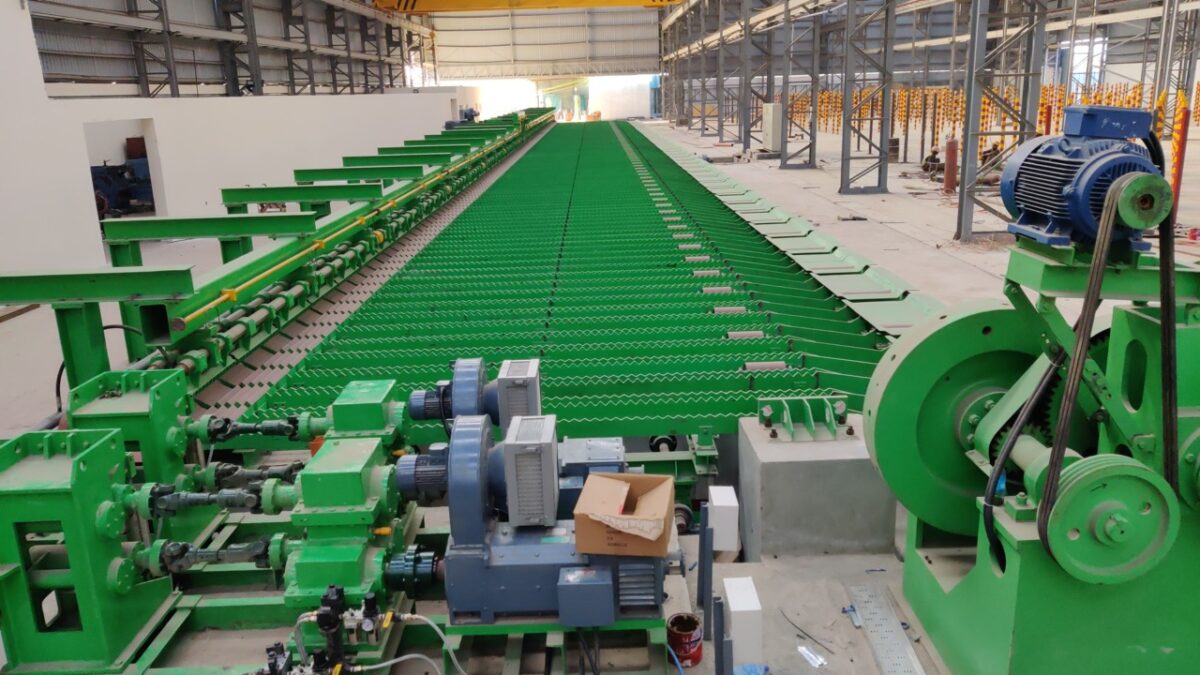
  • Shear cutters, conveyors, and material handling units

The selection of machinery also depends on the level of automation—manual, semi-automatic, or fully automatic. A higher degree of automation improves throughput and reduces long-term manpower costs.

c. Raw Material & Utilities

The primary raw material for TMT bars is steel billets or scrap metal, which are heated and rolled into finished products.

In addition, rolling mills consume substantial power and water for reheating, quenching, and cooling. Fuel sources may include furnace oil, natural gas, or electricity. Reliable and uninterrupted utility supply is crucial for operational continuity and cost management.

d. Labour & Skilled Workforce

Running a TMT rolling mill requires a blend of skilled engineers, operators, technicians, and general labour.

Workforce planning should consider:

  • Production shifts and round-the-clock operations
  • Equipment maintenance and repair teams
  • Safety personnel and quality control experts

In regions with limited skilled manpower, training programs or partnerships with local technical institutes can help build a dependable workforce.

e. Compliance, Licenses & Approvals

Setting up a TMT bar rolling mill involves obtaining several mandatory clearances, such as:

  • Factory and industrial establishment licenses
  • Environmental compliance from pollution control boards
  • Certification under BIS standards (IS 1786) for TMT bars
  • Fire safety and electrical approvals
  • GST registration and legal documentation

Understanding the local and central regulatory framework is vital to avoid delays and penalties during setup and operations.

f. Contingency & Working Capital

No industrial project is without surprises. It’s wise to maintain a financial buffer for unforeseen delays, equipment upgrades, or policy changes.

Working capital is required to cover the day-to-day operational costs—raw material procurement, payroll, utilities, logistics, and marketing—especially during the initial months when revenue is still stabilising.

Read More: 6 Ways TMT Bars Rolling Mills Reduce Manufacturing Costs

Profitability Outlook: ROI & Payback Period

One of the most frequently asked questions when investing in a TMT rolling mill is: What’s the ROI like? While exact figures vary based on capacity, location, and operational efficiency, the profitability outlook is quite promising, especially with India’s infrastructure boom fueling consistent demand.

Typical Revenue Potential

Revenue depends largely on the mill’s scale. A small-scale rolling mill catering to local construction markets might produce a few thousand tons monthly, while medium to large-scale units may produce upwards of 20,000 tons. High-volume operations with stable distribution networks often enjoy better economies of scale, allowing them to reduce per-ton production costs and improve profit margins.

Matching Production Capacity with Market Demand

Location is key. Setting up in or near a high-growth area—like an industrial corridor, urban expansion zone, or infrastructure project hub—ensures your production is aligned with demand. Overshooting capacity in low-demand areas can lead to underutilisation, whereas being in the right market allows for faster payback and steady cash flow.

Margin Considerations: Small vs. Medium vs. Large

  • Small-scale units generally operate on tighter margins, but with lower capital risk and quicker setup times.
  • Medium-scale mills strike a balance between investment and returns, often enjoying stronger brand visibility in their region.
  • Large-scale units benefit from economies of scale, automation, and export potential, but require greater upfront investment and strategic planning.

ROI Timeline

While timelines differ, a well-managed mid-size rolling mill typically sees a return on investment within 3–5 years. Faster ROI can be achieved by maintaining lean operations, securing reliable raw material supply, and locking in steady demand through long-term contracts or distributor partnerships.

Mistakes to Avoid When Planning a TMT Bar Rolling Mill

Setting up a rolling mill is a high-stakes venture, and avoidable mistakes can derail both timelines and profits. Here are key pitfalls to watch out for:

1. Underestimating Operational Costs

Many investors focus on equipment and land costs, only to be blindsided by recurring operating expenses. Energy, maintenance, water treatment, manpower training, logistics, and waste disposal must all be accounted for in the business plan. Building in operational buffers helps avoid mid-cycle cash flow issues.

2. Choosing the Wrong Machinery Vendor

Not all rolling mill equipment is created equal. Opting for low-cost or outdated machinery can cause higher maintenance, production inefficiencies, and inconsistent quality. Partnering with a trusted rolling mill manufacturer ensures better after-sales service, technical training, and future scalability.

3. Ignoring Scalability

What works for your mill in year one may be obsolete by year five. Ignoring future expansion—both in terms of production and automation—can limit your market presence and profitability. It’s smart to plan your plant layout and utilities in a way that allows for modular expansion.

How to Choose the Right TMT Bar Suppliers for Raw Material

Your production is only as good as your input. That’s why partnering with the right TMT bar suppliers, especially for billets or scrap steel, is a critical early-stage decision.

Suppliers as Strategic Partners

In the early setup phase, reliable suppliers ensure the timely delivery of billets or input scrap, preventing downtime and production delays. They also offer insight into market trends, pricing volatility, and availability cycles—vital information when building your procurement strategy.

What to Look for in a Supplier

Choose suppliers who:

  • Offer consistent quality in raw materials
  • Have a transparent pricing structure
  • Can meet volume commitments
  • They are located strategically to minimise logistics delays
  • Have a good track record with established mills
  • Provide comprehensive turnkey solutions for TMT bar rolling mills

Performing due diligence, conducting site visits, and checking references is well worth the effort.

The Vertical Integration Advantage

By setting up your own TMT rolling mill, you gain independence from third-party suppliers. This not only stabilises your production schedule but also protects your business from raw material price spikes and availability crunches. Over time, vertical integration strengthens your market position, improves margins, and increases customer trust in your brand.

Why Partner with The Steefo Group to Setup Your TMT Bar Rolling Mill

Launching a TMT bar rolling mill is not just about machinery and manpower—it’s about technical precision, operational know-how, and long-term scalability. That’s where partnering with experienced turnkey solution providers becomes invaluable.

The Steefo Group brings decades of experience in turnkey TMT bar plant setup, offering a comprehensive understanding of layout planning, machinery integration, thermal processing, and automation. Their expertise helps streamline project execution, minimise setup errors, and optimise production efficiency from day one.

Whether you’re a first-time investor or expanding your existing steel operations, working with established industry experts ensures your rolling mill is built to meet BIS standards, adapts to future demand, and stays competitive in an evolving market.

FAQs

1. What is the cost of setting up a TMT bar rolling mill in India?

While exact costs vary depending on plant size, location, and level of automation, expenses generally include land acquisition, machinery, raw materials, labour, utilities, and licensing. A detailed project report from a technical consultant can provide an accurate estimate tailored to your goals.

2. Is TMT bar manufacturing profitable?

Yes. With strong demand across infrastructure and construction, TMT bar production offers healthy margins and scalable returns, especially when located strategically and operated efficiently.

3. How do I find reliable TMT bar suppliers?

Look for suppliers with consistent quality, delivery reliability, transparent pricing, and strong industry references. Visiting their facilities and seeking feedback from existing clients can help validate your choice.

Ready to Evaluate Your TMT Bar Mill Investment?

Setting up a TMT bar rolling mill is a major milestone—and one that demands technical expertise, precision planning, and strategic foresight. Whether you’re still weighing the opportunity or ready to dive into execution, expert guidance can make all the difference between a profitable plant and costly delays.

At The Steefo Group, we’ve helped steel businesses across India transform their vision into scalable, future-ready operations. From plant design and equipment selection to full turnkey execution, our team brings decades of rolling mill experience tailored to your goals.

Ready to explore the possibilities? Let’s discuss your requirements, clarify investment concerns, and map out a setup plan that aligns with your business objectives and market demand.

Contact The Steefo Group at +91 87589 98607 or email us at marketing@thesteefogroup.com for a no-obligation consultation. Get expert insights that bring clarity, confidence, and momentum to your TMT bar manufacturing journey.